
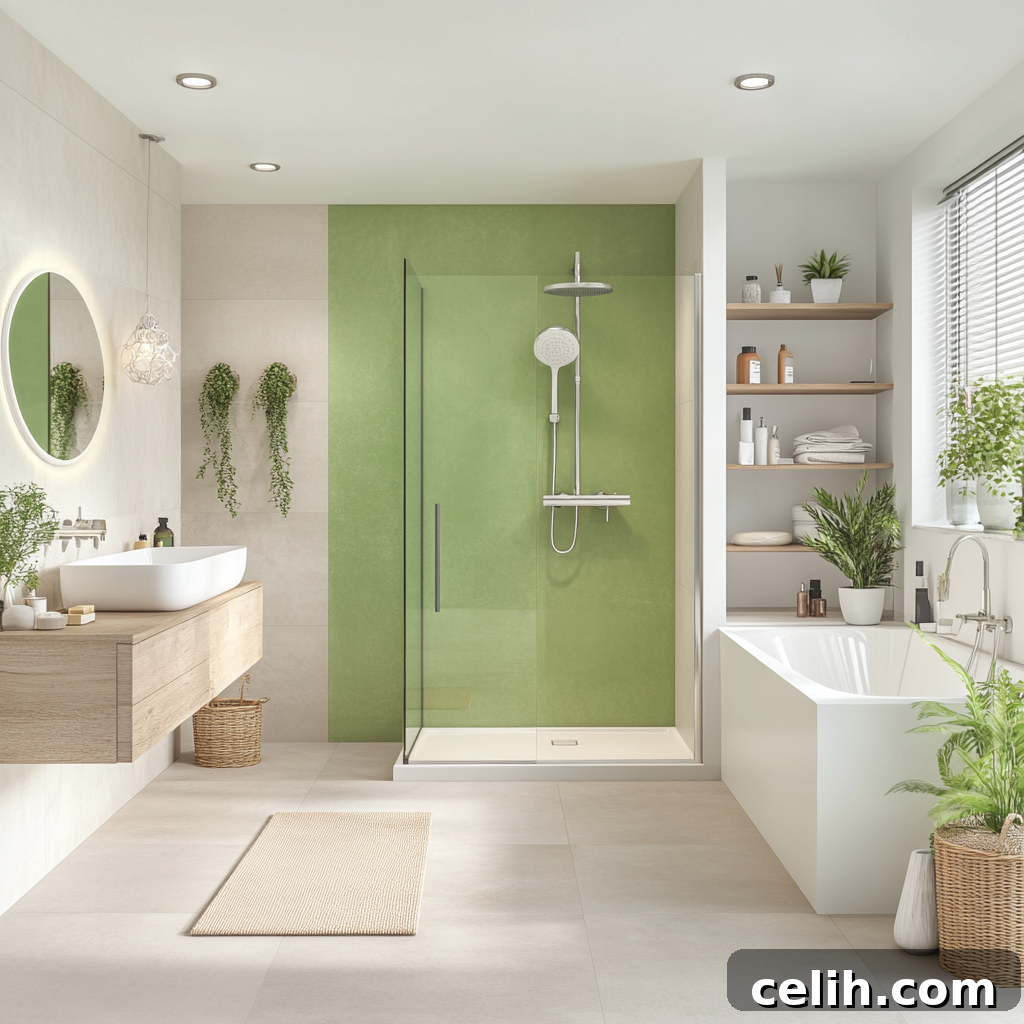
If your monthly utility bills are a source of frustration, steadily climbing regardless of your efforts to conserve, you are certainly not alone. A growing number of homeowners today are actively seeking effective strategies to reduce costs while simultaneously embracing greater environmental responsibility. The encouraging news is that enhancing your home’s energy efficiency doesn’t have to be a complex, daunting, or prohibitively expensive endeavor. In fact, many impactful changes are quite accessible and offer swift returns.
By implementing a few well-chosen and intelligent modifications, you can significantly trim your monthly energy expenses. Beyond the financial savings, these improvements often lead to a more comfortable, consistent, and enjoyable living environment within your home. Whether your ambition is to undertake a major renovation or simply to embark on smaller, incremental steps towards improved efficiency, it’s vital to remember that every action, no matter how minor, contributes to a larger, positive impact.
A highly strategic starting point for any energy efficiency journey is to critically examine the source of your home’s power. Modern technological advancements have made the transition from conventional, often fossil-fuel-dependent, energy sources to more sustainable and renewable alternatives easier and more appealing than ever before. Making this shift can unlock substantial long-term financial savings while dramatically reducing your household’s carbon footprint, paving the way for a truly greener lifestyle. Within this comprehensive article, we will delve into a range of practical, actionable strategies designed to make a tangible and lasting difference in your home’s energy consumption and overall environmental impact.
Embrace Renewable Energy: Harnessing the Limitless Power of the Sun
When you consider your home’s energy usage, the origin of that energy plays an undeniably critical role. Traditional electricity often originates from fossil fuels, which are not only subject to volatile price fluctuations and high costs over time but also contribute significantly to environmental degradation through greenhouse gas emissions. By consciously transitioning to renewable energy sources, you gain greater autonomy and control over your home’s power consumption in a decidedly smarter, cleaner, and more sustainable manner.
If you are prepared to make a profound and lasting transformation, solar panel installation stands out as one of the most impactful and beneficial upgrades you can undertake. This allows you to generate clean, sustainable energy directly from your rooftop, drastically reducing your reliance on traditional utility companies and leading to substantial reductions in your monthly electricity bills. Professional installation experts possess the expertise to meticulously assess your home’s unique layout, roof structure, and sunlight exposure, ensuring the optimal placement and configuration for maximum energy generation efficiency. Many contemporary solar systems are also equipped with advanced battery storage solutions, providing you with the invaluable ability to store any surplus energy generated during peak sunlight hours for use at night or on overcast days, further enhancing your energy independence.
Beyond the undeniable environmental advantages, solar panels present compelling financial incentives. In numerous regions and states, homeowners may be eligible for generous federal tax credits, state rebates, local grants, and attractive incentive programs like net metering, all of which can significantly offset the initial upfront installation costs. Over the lifespan of the system, the accumulated savings on your electric bill will often far exceed the initial investment, making solar power a financially sound decision. Furthermore, homes equipped with solar panels often see an increase in property value, making it a wise investment for both immediate savings and future resale potential. If your objective is a serious and sustained reduction in your energy costs, embracing solar power represents a reliable, long-term, and increasingly accessible solution that benefits both your wallet and the planet.
Optimizing Your Home’s Envelope: The Crucial Role of Insulation and Sealing
Heating and cooling systems collectively represent the largest single portion of a typical home’s energy consumption. If your house lacks adequate or properly maintained insulation, you are almost certainly experiencing significant and continuous energy loss through your walls, roof, floors, and windows without even being fully aware of it. This translates directly into valuable money quite literally slipping through the cracks and gaps in your home’s protective envelope.
An excellent starting point is to conduct a thorough inspection of the insulation levels in your attic, exterior walls, and crawl spaces. Adding or upgrading insulation acts as a vital barrier, helping to maintain a consistent and comfortable indoor temperature. This means your HVAC system won’t have to constantly work overtime, cycling on and off excessively to compensate for heat loss in winter or heat gain in summer. Equally important is addressing smaller, often overlooked gaps and openings. Meticulously sealing air leaks around windows, doors, electrical outlets, plumbing penetrations, and ductwork with high-quality caulk or robust weatherstripping can prevent the unnoticed escape of conditioned air, which is a major contributor to energy waste. These seemingly minor and relatively inexpensive improvements can collectively and significantly boost your home’s overall energy efficiency, often with very little upfront cost and a rapid return on investment. Consider a professional energy audit to pinpoint hidden air leaks and areas needing insulation improvement, providing a roadmap for the most impactful upgrades.
Smart Upgrades: Investing in Energy-Efficient Appliances
The everyday appliances that are integral to modern living—such as your refrigerator, washing machine, dishwasher, and water heater—can become significant energy consumers, particularly if they are older, outdated models. While it may not be practical or financially feasible for most individuals to replace all their appliances simultaneously, adopting a strategy of gradually upgrading them as they reach the end of their lifespan or when a significant sale occurs can yield substantial long-term energy savings and environmental benefits.
When the time comes to replace any appliance, make it a priority to seek out models proudly displaying the coveted ENERGY STAR certification. These appliances are meticulously engineered and rigorously tested to use considerably less power and water (where applicable) without compromising on performance, convenience, or reliability. For instance, an ENERGY STAR certified washing machine not only uses less electricity but also significantly reduces water consumption, all while ensuring your clothes emerge spotlessly clean. Even seemingly minor changes, like opting for a high-efficiency toaster oven, microwave, or a more efficient vacuum cleaner, can collectively contribute to a noticeable reduction in your overall household energy consumption. Always compare the energy usage specifications and estimated annual operating costs provided on the EnergyGuide label when making purchasing decisions to ensure you’re making the most economically and environmentally sound choice.
Illuminating Your Home Smarter: Advanced Lighting and Controls
It’s easy to overlook the impact of your home’s lighting on your energy bills, but making a simple switch from traditional incandescent bulbs to modern Light Emitting Diodes (LEDs) can result in dramatic and immediate savings. LEDs are remarkably efficient, consuming up to 80% less energy than their incandescent counterparts and boasting a significantly longer lifespan, meaning you won’t need to replace them nearly as often. This translates to fewer bulb purchases and less waste, adding to their eco-friendly appeal.
To further amplify your savings and convenience, consider integrating smart lighting systems into your home. These sophisticated systems can be effortlessly programmed to automatically turn off lights when no one is detected in a room, or to dim intelligently based on the time of day, leveraging natural light. Features like motion sensors, programmable timers, and app-controlled lights grant you unprecedented control over your home’s illumination, virtually eliminating unnecessary energy use. Many smart lighting solutions also offer tunable white light or a full spectrum of colors, allowing you to customize the ambiance of any room with ease. This is a relatively simple and often DIY-friendly upgrade that not only enhances your living space but also offers a rapid return on investment through reduced electricity bills.
Optimizing Your Water Usage: Enhancing Water Efficiency
Heating water accounts for a surprisingly substantial portion of a typical household’s energy expenditure. Therefore, consciously reducing your hot water consumption represents another intelligent and effective strategy for cutting back on utility costs. A great initial step is to install readily available low-flow showerheads and faucet aerators. These ingenious devices are designed to maintain excellent water pressure and a satisfying showering experience while significantly reducing the actual volume of water you use, directly translating to less energy needed to heat that water.
Additionally, you can greatly improve the efficiency of your water heating system by insulating your hot water heater tank and the first few feet of hot water pipes leading from it. This simple measure prevents heat loss, ensuring that the water stays hotter for longer with less energy input. If your water heater is more than 10-15 years old, its efficiency has likely declined significantly, making it a prime candidate for an upgrade to a newer, more efficient model. Consider options like tankless water heaters, which only heat water on demand, eliminating the energy wasted by continuously keeping a large tank of water hot around the clock. Other highly efficient options include heat pump water heaters, which transfer heat from the air to the water, offering substantial energy savings. Beyond fixtures, simple habits like fixing leaky faucets promptly and taking shorter showers can also contribute significantly to both water and energy conservation.
Cultivating Energy-Saving Habits: Daily Actions That Make a Significant Difference
Even the most advanced and energy-efficient home systems cannot save you money if they are not utilized thoughtfully and correctly. The excellent news is that your everyday habits and conscious choices can have just as profound an impact on your home’s energy consumption as any high-tech upgrade. These are actions you can start implementing immediately, without any financial investment.
- **Mindful Lighting & Electronics Use:** Develop the consistent habit of switching off lights and electronics every time you leave a room.
- **Combat Phantom Load:** Unplug chargers and appliances when they are not actively in use. Many devices, even when turned off, continue to draw a small but cumulative amount of “phantom power” or “vampire drain,” subtly adding to your electricity bill. Power strips with on/off switches can be particularly useful here.
- **Optimize Your Thermostat:** Adjust your thermostat by just a couple of degrees—up in the summer and down in the winter—to save a surprising amount of energy without sacrificing your personal comfort significantly. Programmable or smart thermostats can automate these adjustments based on your schedule, further enhancing savings.
- **Leverage Natural Airflow:** In warmer months, utilize ceiling fans to circulate air, creating a cooling effect that allows you to set your air conditioner a few degrees higher, thereby reducing its workload.
- **Harness Window Coverings:** Use blinds, curtains, or shades strategically. Close them during the hottest part of the day in summer to block sun and heat, and open them in winter to let in natural warmth.
- **Smart Laundry Practices:** Wash clothes in cold water whenever possible and always run full loads. Consider air-drying laundry on a clothesline or drying rack during suitable weather.
- **Cook Smarter:** Use smaller appliances like microwaves, toaster ovens, or slow cookers for smaller meals, as they consume less energy than a full-sized oven. When using the oven, try to cook multiple items at once.
You can also empower yourself by utilizing mobile applications or dedicated home energy monitors to track your real-time usage and pinpoint specific areas where you can further improve. These cumulative small changes are incredibly effective and reinforce your ongoing efforts to transform your home into a truly energy-efficient sanctuary.
Final Thoughts: Your Journey Towards a Smarter, Greener Home
The path to creating an energy-efficient home doesn’t necessitate a complete overhaul or renovating everything overnight. Instead, it’s fundamentally about making intelligent, informed, and gradual choices that are thoughtfully aligned with your financial budget and long-term sustainability goals. Whether you begin your journey by simply sealing drafty windows, methodically upgrading an outdated appliance, or making the significant investment in advanced solar panels, each deliberate step you take plays a crucial role in cultivating a greener, more environmentally responsible, and ultimately more cost-effective home.
As energy costs continue their upward trajectory and global environmental awareness steadily intensifies, an increasing number of homeowners are recognizing and embracing the profound value of maximizing their homes’ efficiency. With just a few thoughtful and strategic changes, you can confidently look forward to a future characterized by significantly lower utility bills, a notably reduced carbon footprint, and a profoundly more comfortable and consistent living space. Simultaneously, you will be actively contributing to the vital effort of protecting our planet for future generations.
So, take a moment to thoughtfully observe your surroundings. Examine your home with a critical eye. Where can you realistically make the very first smart and impactful move toward achieving superior energy efficiency? The answer, you might discover, is often far simpler and more accessible than you initially imagined. Begin today, and embark on a rewarding journey towards a more sustainable and economically sound future for your home.