
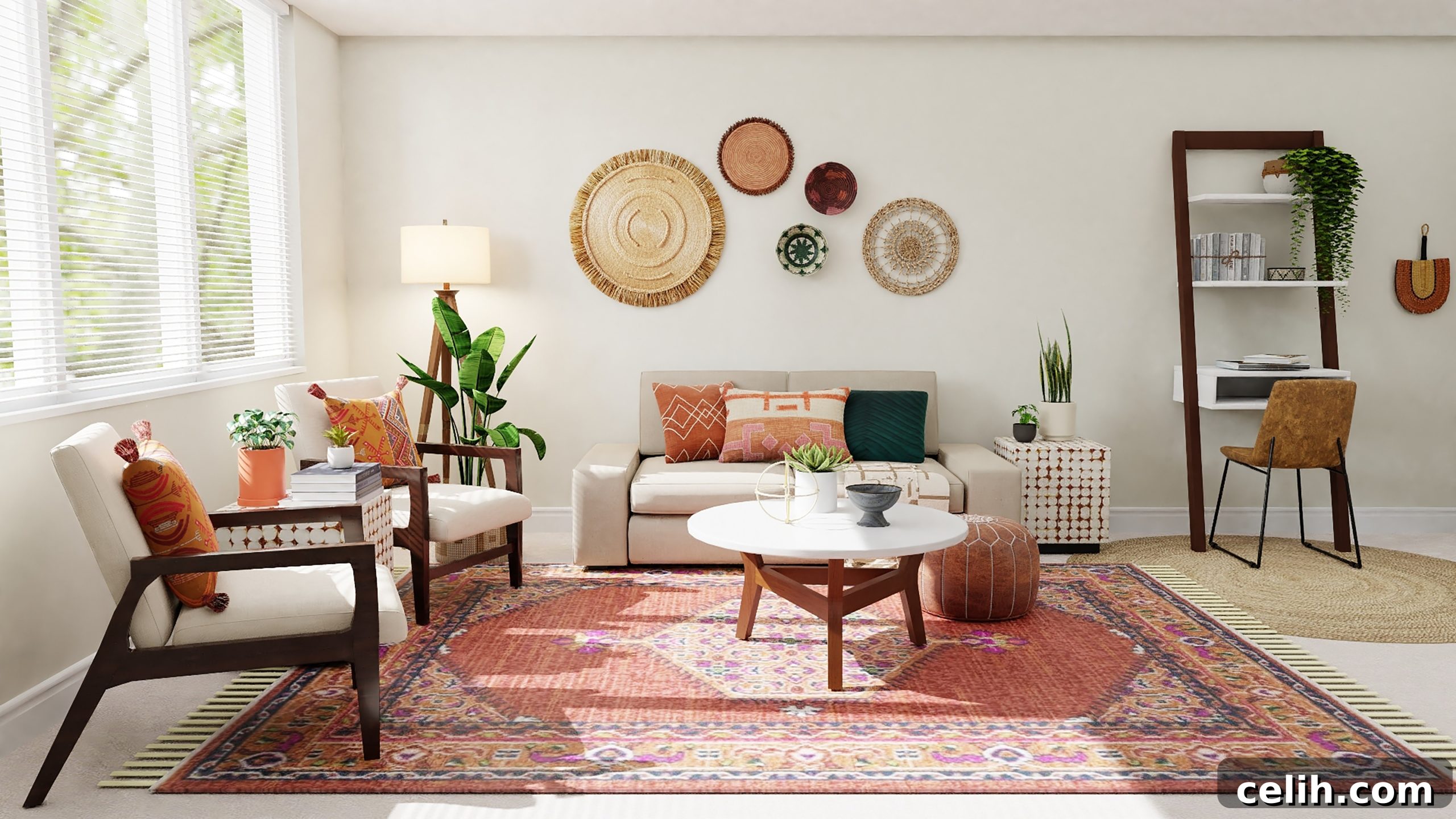
The world of home decor is a vibrant and ever-evolving landscape, where styles emerge, capture our imagination, and sometimes, just as quickly, recede into the background. While the allure of the latest trends can be undeniable, savvy homeowners and aspiring interior designers understand that not every fleeting fad is a wise investment. Creating a living space that feels both current and enduring requires a discerning eye, balancing personal style with timeless appeal.
As realtor Don Shurts of Miami Valley wisely advises, “When it comes to home decor, it’s important to remember that trends come and go. What looks chic today could be outdated tomorrow, and that can have a big impact on resale value.” This sentiment underscores a crucial point: your home is not just a personal sanctuary, but often your most significant asset. Making thoughtful decor choices can protect its value and ensure it remains attractive to potential buyers down the line, rather than looking like a dated time capsule. This article delves into several popular home decor trends that, despite their initial appeal, might prove to be more of a temporary delight than a lasting design triumph.
Faux Fur: The Illusion of Luxury
For centuries, the tactile richness of fur has symbolized luxury, comfort, and warmth in interior design. It possesses an undeniable appeal, capable of instantly elevating a space with a touch of opulent texture. In modern times, the rise of ethical consciousness and the high cost of genuine fur have paved the way for its synthetic counterpart: faux fur.
Faux fur gained immense popularity as a seemingly perfect alternative. It’s more accessible, often significantly cheaper, and offers a cruelty-free option for those who appreciate the aesthetic without the ethical implications. However, the experience of faux fur often falls short of the real deal. While some high-quality faux furs can mimic the genuine article quite convincingly, many readily available options can feel cheap and look undeniably artificial. This creates a disconnect where the intended luxury is undermined by a less-than-authentic appearance.
Beyond its aesthetic limitations, faux fur presents environmental concerns. Typically made from synthetic fibers like acrylic and polyester, it is derived from petroleum-based products, contributing to plastic waste and microplastic pollution. It’s also not biodegradable, meaning it will persist in landfills for hundreds of years. The ease of care, often touted as a benefit, can also be misleading; synthetic fibers can be prone to matting and shedding, losing their softness and luster over time. When you consider its potential to look dated quickly, its environmental footprint, and its inability to fully replicate true luxury, faux fur becomes a questionable investment in your home’s long-term design narrative. Instead, consider sustainable alternatives like high-quality wool, cashmere, or richly textured cotton throws that offer genuine warmth and sophisticated tactile appeal.
The Marble Mania: An Overuse of Elegance
Marble, with its distinct veining and cool, pristine surface, has long been synonymous with classical beauty and timeless sophistication. From ancient sculptures to grand architectural marvels, its inherent elegance is undisputed. In recent years, marble has experienced a resurgence, becoming one of the most pervasive trends in contemporary home decor. It’s no longer confined to luxurious bathrooms or grand entryways; you’ll find it liberally applied across countertops, backsplashes, flooring, furniture, and even small decorative accessories. While undoubtedly creating a luxurious ambiance, the widespread and often excessive use of marble comes with significant considerations.
The primary hurdle is its cost. Real marble is a premium material, and extensive use can quickly inflate renovation budgets. Beyond the initial investment, marble is notoriously high-maintenance. It’s a porous stone, making it highly susceptible to staining from common household items like wine, coffee, and acidic foods. It also scratches and etches easily, meaning everyday wear and tear can quickly diminish its pristine appearance unless meticulously cared for. This often requires regular sealing and specialized cleaning products, adding to its long-term cost and effort.
Furthermore, like any dominant trend, over-saturation can lead to diminishing returns. When marble is everywhere, it loses some of its exclusive, luxurious appeal and risks dating a space. What appears chic and contemporary today might feel tired and generic in a few years as new materials and aesthetics come to the fore. For a material that requires such a significant financial and maintenance commitment, its relatively short shelf life as a pervasive trend makes a comprehensive marble overhaul a potentially regrettable decision. More durable and less porous alternatives like quartz, granite, or porcelain can offer similar aesthetics with vastly improved practical benefits, or consider using marble sparingly as a striking accent rather than an all-encompassing theme.
Rose Gold: A Metallic Moment That Faded?
The soft, warm blush of rose gold captivated the world, transitioning from high-end jewelry and smartphones to a ubiquitous presence in home decor. For a time, it was the metallic finish of choice, adorning everything from kitchen hardware and light fixtures to small accessories, furniture accents, and even major appliances. Its unique hue, a blend of copper and gold, offered a romantic and contemporary alternative to traditional silver or gold tones, providing a fresh aesthetic that appealed to many.
However, the very uniqueness of rose gold also contributed to its ephemeral nature. Its distinctive color palette can be surprisingly difficult to integrate seamlessly into a variety of design schemes. It tends to pair best with specific cool neutrals, soft pastels, or other warm tones, limiting its versatility compared to more classic metallic finishes like polished chrome, brushed brass, or matte black. Over-reliance on rose gold can easily make a space feel overly saccharine or, worse, instantly date it to the mid-2010s to early 2020s. Its widespread adoption, particularly in mass-produced and often lower-quality items, also contributed to a perception of cheapness rather than genuine luxury, diluting its initial appeal.
Investing heavily in rose gold fixtures or large pieces of furniture is a gamble, as its strong association with a particular period makes it highly susceptible to falling out of favor quickly. Trends in metallics are particularly prone to rapid shifts, and what was once fresh can quickly become an anachronism. For longevity and adaptability, designers often recommend sticking to more timeless metallic finishes that offer greater flexibility and enduring style, reserving bolder metallic choices for easily interchangeable accents. If you’re seeking a design that will stand the test of time, rose gold, while charming, is likely not the most prudent choice for core elements.
Farmhouse in the City: An Identity Crisis?
The modern farmhouse aesthetic has been a dominant force in home decor for over a decade, celebrating rustic charm, comfort, and a connection to simpler times. Characterized by elements like shiplap walls, reclaimed wood, barn doors, galvanized metal, and a largely neutral color palette with industrial accents, it evokes a sense of cozy authenticity. While its appeal is understandable, offering a refuge from the hustle and bustle, the widespread adoption of the farmhouse trend, particularly in urban environments, has begun to raise questions about its authenticity and longevity.
The core issue lies in context. A farmhouse style feels organic and appropriate in a rural setting, where it complements the surrounding landscape and traditional architecture. Transplanting this aesthetic wholesale into a city apartment or a suburban tract home can often feel incongruous and forced. City dwellers, despite yearning for comfort, typically do not aspire for their homes to resemble a “rural barnyard.” This disconnect can lead to spaces that lack a genuine sense of place, appearing more like a themed set than a cohesive, lived-in home.
Moreover, the sheer ubiquity of the farmhouse trend has led to its oversaturation. What was once fresh and charming has, for many, become repetitive and predictable. The market is flooded with mass-produced “farmhouse” items, which, despite their often inflated price tags, can sometimes lack genuine craftsmanship or originality. This contributes to a sense of genericness, where homes begin to lose their unique personality. The style itself, while comforting, is not particularly versatile. Committing heavily to elements like shiplap or specific rustic fixtures can limit future design flexibility, making it challenging to pivot to other aesthetics without significant renovation. For urban living, incorporating individual elements of natural warmth or rustic texture can be delightful, but fully embracing a contrived farmhouse look risks creating a home that feels out of place and quickly outdated.
Elaborate and Busy Patterns: Overwhelm or Art?
In the dynamic world of interior design, patterns serve as powerful tools to infuse personality, visual interest, and drama into a space. Currently, there’s a strong leaning towards elaborate and busy patterns, seen everywhere from bold wallpapers and intricate fabrics to ornate tiles for backsplashes and flooring. When executed thoughtfully and sparingly, such patterns can indeed create stunning focal points and reflect a homeowner’s unique style.
However, the very nature of strong, complex patterns carries inherent risks, especially when embraced as a pervasive trend. First and foremost, elaborate patterns can quickly overwhelm a space, making it feel visually cluttered and smaller than it is. What starts as a statement can quickly devolve into visual fatigue, making a room feel restless rather than harmonious. Unlike easily changeable elements like throw pillows or artwork, many of these patterns are incorporated into fixed, semi-permanent, or expensive-to-alter surfaces such as wallpaper, kitchen backsplashes, and bathroom floors.
The significant investment required for installation and, crucially, for removal or replacement, makes committing to a highly trendy and intricate pattern a gamble. Trends in patterns, like fashion, are notoriously fickle and have a relatively short shelf life. A bold geometric or a maximalist floral that feels cutting-edge today might feel distinctly dated and out of sync within just a few years. This leaves homeowners facing the costly and disruptive prospect of redoing significant portions of their home to keep pace or living with a design choice that no longer resonates. For long-term appeal, it’s often wiser to use bold patterns as accents that can be easily updated, or opt for more subtle textures and timeless geometric motifs that offer visual interest without dominating or quickly dating a space.
The Open-Shelving Debate: Practicality vs. Aesthetics
Open shelving has been a darling of modern kitchen and living room design for several years, praised for its ability to create an airy, spacious feel and offer opportunities for displaying beautiful dishware, cookbooks, or decorative objects. In perfectly staged homes and glossy magazine spreads, open shelves look immaculate, curated, and effortlessly chic. They can indeed make a room feel larger by removing the visual bulk of upper cabinets.
However, the reality of living with open shelving in an active household often diverges sharply from this idealized image. Most homeowners lead busy lives and lack the time or inclination to maintain the constant state of perfection required for open shelves to look good. This style demands meticulous organization; every item on display must be thoughtfully arranged, consistently clean, and aesthetically pleasing. A single misplaced item or a stack of mismatched mugs can instantly transform an elegant display into a cluttered mess, detracting from the overall appeal of the room.
Beyond aesthetics, open shelves present practical challenges. They offer no refuge for less-than-perfect everyday items that closed cabinets easily conceal. In kitchens, open shelves are dust magnets, and cooking grease can quickly accumulate on dishes and surfaces, requiring frequent and thorough cleaning – far more so than within enclosed cabinets. While the initial thought might be to save money by omitting expensive cabinetry, deciding to add cabinets later can be a much more difficult and costly endeavor, involving matching finishes, demolition, and installation. Before committing to open shelving, a realistic assessment of your lifestyle, organizational habits, and tolerance for constant tidying is essential. For a more practical yet still stylish approach, consider a mix of open and closed storage, or opt for glass-front cabinets that offer display opportunities while keeping items protected and reducing visual clutter.
In conclusion, home decor trends are an exciting part of the design journey, constantly inspiring new ways to personalize our living spaces. Yet, the rapid cycle of these trends means that not every popular style is built to last or offers true value. Some, while initially captivating, can prove to be expensive to implement, high-maintenance, or quickly become outdated, impacting both your enjoyment of your home and its potential resale value. Before you invest your hard-earned money and precious time into the latest decor craze, take a moment to consider its long-term implications. Prioritize timeless design, functionality, and elements that genuinely resonate with your personal style and practical needs. By making informed and thoughtful choices, you can create a home that remains stylish, comfortable, and valuable for years to come, standing the test of time rather than merely riding a fleeting wave.
Featured image credit: Photo by Spacejoy on Unsplash