
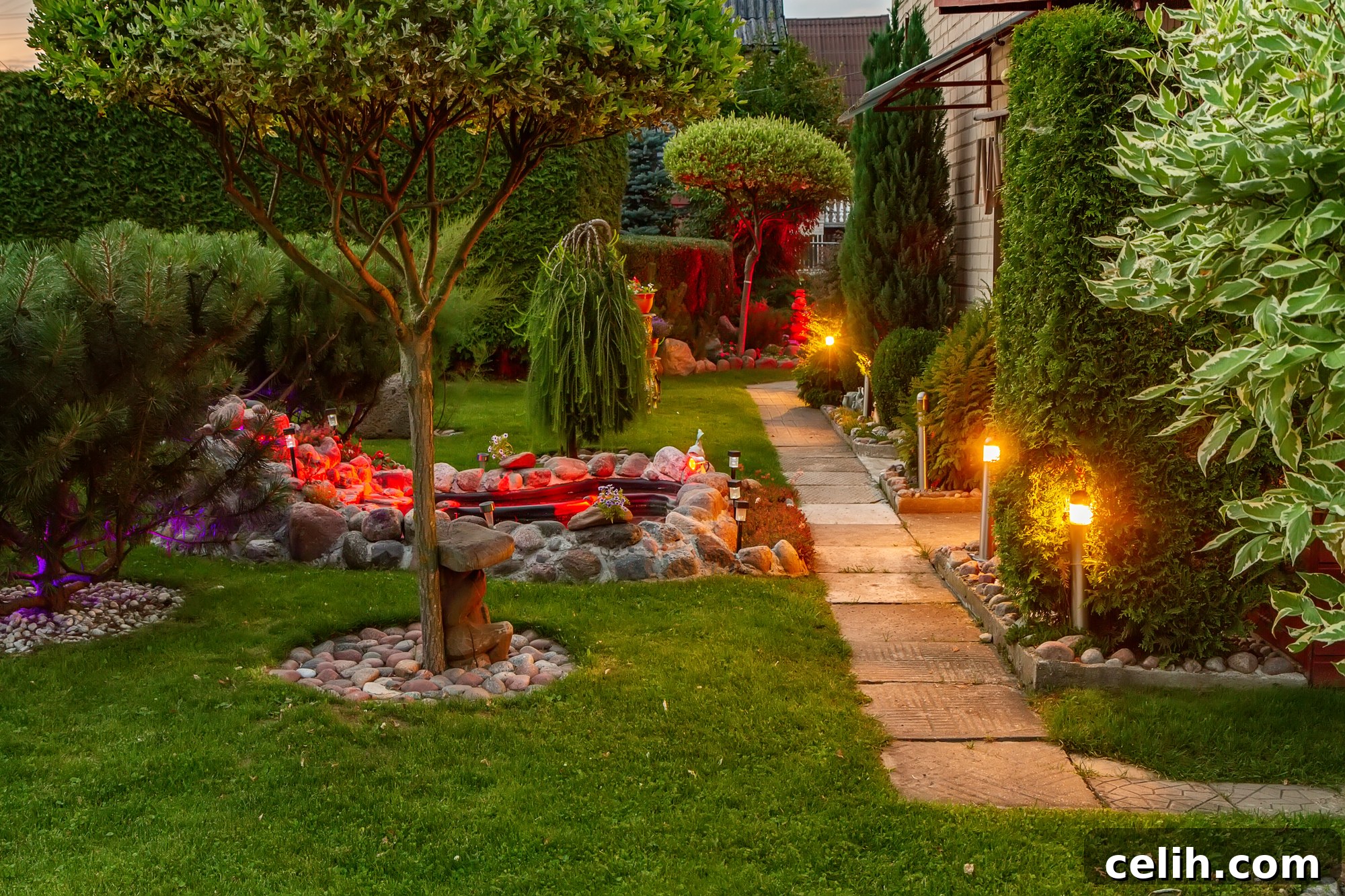
Outdoor lighting is far more than just practical illumination; it’s a transformative design element that extends your living space, enhances security, and creates captivating atmospheres after dusk. Whether your goal is to guide guests safely along pathways, showcase your home’s architectural beauty, or simply cultivate a serene ambiance for relaxation, a well-executed lighting plan can dramatically elevate your outdoor experience. This comprehensive guide will illuminate the path to designing and implementing stunning outdoor lighting, turning your exterior into a truly magical and functional extension of your home.
Laying the Foundation: Thoroughly Assessing Your Outdoor Space
Before selecting a single fixture, embark on a thoughtful assessment of your outdoor environment. This initial step is crucial for developing a cohesive and effective lighting strategy. Begin by identifying all key features you wish to highlight or areas that require illumination. Do you have majestic trees, intricate shrubbery, unique architectural elements, an inviting outdoor seating arrangement, or a captivating water feature? Make a detailed note of these points of interest.
Equally important is pinpointing areas that necessitate enhanced lighting for safety. This includes steps, uneven terrain, ramps, entryways, and any potential tripping hazards. Consider how you typically use your outdoor space: Is it for quiet evenings, lively entertaining, or everyday tasks like grilling? Understanding these usage patterns will directly inform the type, intensity, and placement of your outdoor lighting. Visualize the paths people will take, the areas where conversations will unfold, and the focal points you want to draw attention to. This detailed spatial analysis forms the bedrock of a successful outdoor lighting design.
Unveiling the Spectrum: Diverse Types of Outdoor Lighting for Every Need
Outdoor lighting isn’t a one-size-fits-all solution; it’s a layered approach, with different types of illumination serving distinct purposes. Combining these elements thoughtfully creates depth, interest, and functionality in your outdoor design.
- Ambient Lighting: This foundational layer provides overall, soft illumination for your entire outdoor space, establishing a welcoming and comfortable atmosphere. It’s the general glow that allows for easy movement and conversation. Ambient lighting can be achieved through various fixtures such as elegant post lights lining driveways, classic wall-mounted sconces on your home’s exterior, charming overhead string lights draped across a patio, or recessed lights integrated into eaves. The goal is to create a warm and inviting backdrop, perfect for relaxing evenings or entertaining guests without harsh glares.
- Task Lighting: Essential for specific activities, task lighting provides focused illumination where precision is needed. Think of it as the functional workhorse of your outdoor lighting scheme. This includes bright spotlights directed at your outdoor kitchen or BBQ area, pendant lights suspended over an al fresco dining table, or subtle under-counter lighting for food preparation. Task lighting ensures you have ample brightness for cooking, reading, working on hobbies, or any activity that requires clear visibility, making your outdoor spaces truly livable and usable after dark.
- Accent Lighting: Designed to create visual interest and drama, accent lighting highlights specific features and focal points within your landscape. It draws the eye to what you want to showcase. This can involve discreet spotlights aimed at a magnificent tree, uplights positioned at the base of a sculptural plant, or narrow beam lights emphasizing a water feature or piece of art. Techniques like grazing (placing a light close to a textured wall to highlight its surface) or silhouetting (lighting a feature from behind to create a dramatic outline) fall under accent lighting. It adds depth, texture, and a sense of artistry to your outdoor environment.
- Decorative Lighting: Beyond mere function, decorative lighting adds personality, style, and a touch of whimsy to your outdoor space. These fixtures serve as both light sources and aesthetic elements, enhancing the overall decor and theme. Examples include charming string lights creating a festive canopy, elegant lanterns adorning pathways or tables, artistic light sculptures, or even subtle LED strip lights incorporated into railings or steps. Decorative lighting contributes significantly to the ambiance, allowing you to express your unique style and create a memorable, captivating atmosphere.
- Security Lighting: While often overlooked in aesthetic discussions, security lighting is a vital component of any outdoor lighting plan. It provides bright, functional light to deter intruders and enhance safety around your property. Common examples include motion-activated floodlights, powerful spotlights positioned to cover dark corners, and well-lit entryways. When integrated thoughtfully, security lighting can complement your overall design, providing peace of mind without detracting from the aesthetic appeal of your home.
Choosing the Right Hardware: Selecting Outdoor Lighting Fixtures
The selection of your outdoor lighting fixtures is paramount, influencing not only the aesthetic appeal but also the longevity and performance of your system. It’s crucial to choose fixtures that harmonize with your home’s architectural style and are robust enough to endure the elements.
- Material Durability: Invest in fixtures crafted from weather-resistant materials designed for outdoor use. Popular choices include sturdy aluminum, elegant brass, corrosion-resistant stainless steel, and classic copper. Each material offers different aesthetic qualities and levels of durability against rain, snow, extreme temperatures, and UV exposure. Ensuring proper IP (Ingress Protection) ratings for water and dust resistance is also essential for fixture longevity.
- Style and Aesthetics: Your outdoor fixtures should seamlessly integrate with the existing design of your home and landscape. Whether your aesthetic is modern, traditional, rustic, or contemporary, there’s a vast array of fixture styles available. Consider the lines, finishes, and colors that will best complement your exterior during both day and night. The fixtures themselves can be design statements even when not illuminated.
- Light Source Technology: For modern outdoor lighting, LED (Light Emitting Diode) bulbs are the undisputed champion. They offer unparalleled energy efficiency, consuming a fraction of the power of traditional incandescent or halogen bulbs. Furthermore, LEDs boast an exceptionally long lifespan, reducing the need for frequent replacements and maintenance. They also provide a wide range of color temperatures and smart dimming capabilities, offering ultimate flexibility in creating desired moods.
- Voltage Systems: Most residential landscape lighting utilizes low-voltage systems (12V), which are safer to install and maintain for DIY enthusiasts. These systems require a transformer to convert standard household current to low voltage. Line-voltage (120V) fixtures, while brighter and often used for security or very high illumination needs, typically require professional installation due to higher electrical risks.
Strategic Illumination: Mastering Outdoor Lighting Placement
Thoughtful placement is the key to transforming individual fixtures into a harmonious and effective outdoor lighting system. Strategic positioning ensures both safety and aesthetic appeal.
- Pathways: Guide your guests safely and stylishly by illuminating pathways with low-voltage path lights, bollards, or recessed lights integrated along the edges. Opt for soft, diffused light to prevent glare and create a welcoming glow. For a touch of sophistication, consider uplighting specific sections of a walkway or using discreet inground fixtures that wash light across the surface. Ensure consistent spacing for uniform illumination and avoid creating dark pockets.
- Steps and Stairs: Safety is paramount here. Use dedicated step lights, under-tread lights, or small recessed fixtures integrated into risers or alongside treads. This clearly defines each step, preventing tripping hazards and adding a sophisticated design element. Subtlety is key; aim for clear visibility without overpowering the scene.
- Trees and Plants: Highlight the natural beauty of your landscaping by placing uplights at the base of significant trees or large shrubs. This technique creates dramatic shadows and emphasizes texture, adding depth and a sculptural quality to your garden. Experiment with cross-lighting (lighting a feature from two sides) for enhanced dimension or ‘moonlighting’ (placing a light high in a tree to cast dappled light downwards) for a natural, soft effect.
- Walls and Fences: Install wall-mounted fixtures, wash lights, or linear LED strips to create stunning visual interest on exterior walls or fences. This can highlight architectural textures, create appealing patterns of light and shadow, or simply add a comforting glow. Grazing a textured wall with light from a close distance can emphasize its unique surface, while broader wall washers provide more general ambient light.
- Water Features: Transform ponds, fountains, and pools into captivating focal points with underwater lights or submersible fixtures. The interplay of light and water creates a magical, shimmering effect, adding movement and reflection to your nighttime landscape. Ensure all fixtures are specifically rated for submerged use and properly sealed.
- Decks and Patios: Extend your outdoor living space by incorporating various lighting solutions for decks and patios. Consider integrated railing lights, post cap lights, discreet recessed lights in deck boards, or festive overhead string lights. These options provide functional ambient light for entertaining and relaxation while defining the boundaries of your outdoor room.
- Entryways: Your home’s entrance should be well-lit for both welcoming guests and enhancing security. Utilize wall sconces on either side of the front door, an attractive overhead porch light, and path lights leading up to the entrance. This combination ensures visibility, curb appeal, and a sense of safety.
Beyond the Bulb: Essential Factors for a Sustainable & Smart Outdoor Lighting System
Designing an effective outdoor lighting system goes beyond merely placing fixtures. Several critical factors influence the system’s efficiency, impact, and overall success.
- Energy Efficiency: Prioritize energy-efficient lighting solutions to minimize your environmental footprint and reduce utility bills. LED bulbs are the gold standard, offering significantly lower energy consumption and a much longer lifespan compared to traditional incandescent or halogen bulbs. Additionally, explore solar-powered lights for areas that receive ample sunlight, further reducing energy costs and simplifying wiring.
- Light Pollution and Dark Sky Principles: Be a good neighbor and steward of the night sky by choosing fixtures that minimize light pollution. Opt for “full cutoff” fixtures that direct all light downward, preventing unwanted light spillage into neighboring properties or upwards into the night sky. This protects nocturnal wildlife, preserves starry views, and contributes to a healthier environment. Look for fixtures certified by the International Dark-Sky Association (IDA).
- Color Temperature: The color temperature of light, measured in Kelvin (K), significantly impacts the mood and atmosphere. Warmer temperatures (2700K-3000K) emit a soft, yellowish glow that evokes coziness, intimacy, and relaxation, ideal for ambient and decorative lighting. Cooler temperatures (4000K-5000K) produce a brighter, bluish-white light that feels more energizing and is often preferred for task lighting or security applications where high visibility is crucial.
- Advanced Lighting Control: Modern outdoor lighting systems benefit immensely from smart controls. Incorporate features like programmable timers to automatically turn lights on at dusk and off at dawn, dimmers to adjust brightness for varying moods, and motion sensors to enhance security by activating lights only when movement is detected. Smart home integration via Wi-Fi or Bluetooth allows for remote control and customization, offering unparalleled convenience and energy savings.
- Weather Resistance: Given constant exposure to the elements, all outdoor fixtures, wiring, and connections must be built to withstand diverse weather conditions, including rain, snow, humidity, and extreme temperatures. Check for appropriate IP (Ingress Protection) ratings, which indicate a fixture’s resistance to dust and water. Proper sealing and robust construction are vital for longevity and preventing electrical hazards.
- Lighting Zones: Divide your outdoor space into distinct lighting zones based on function and aesthetic goals. For example, you might have a “Pathway Zone,” an “Entertaining Zone,” and an “Accent Zone” for specific landscape features. Assigning separate circuits or controls to each zone provides immense flexibility, allowing you to tailor the lighting precisely to your immediate needs or desired ambiance.
- Safety and Security: Beyond aesthetics, lighting plays a critical role in safety and security. Well-lit pathways, stairs, and entry points prevent accidents and falls. Strategic security lighting, especially motion-activated lights, acts as a deterrent to potential intruders, making your property less appealing to illicit activities. Brightly illuminating dark corners and access points contributes significantly to your peace of mind.
- Aesthetics: Consider the visual impact of your lighting design during both day and night. Fixtures should complement the architectural style of your home and blend seamlessly with the landscape when not illuminated. The arrangement of light and shadow should enhance, rather than detract from, the beauty of your outdoor space, adding curb appeal and value to your property.
- Regular Maintenance: To ensure optimal performance and longevity, regular maintenance is crucial. This includes periodically cleaning fixtures to remove dirt and debris, checking wiring for wear and tear, pruning vegetation that may obstruct light beams, and replacing bulbs or components as needed. Proactive maintenance preserves the beauty and functionality of your system.
The Professional Edge: Why Expert Collaboration Elevates Your Outdoor Lighting Project
While DIY outdoor lighting projects can be appealing, the complexity of creating a truly exceptional, durable, and code-compliant system often necessitates the expertise of professionals. Engaging experienced lighting designers and installers offers numerous invaluable benefits.
- Unmatched Expertise and Design Acumen: Professional lighting designers possess a deep understanding of light theory, fixture capabilities, and the subtle art of creating layered illumination. They can translate your aesthetic preferences and functional needs into a custom design that maximizes visual impact, highlights architectural features, and perfectly sets the desired mood. Their experience allows them to envision how light will interact with your landscape, creating dramatic effects and solving challenges you might not foresee.
- Ensuring Compliance and Safety: Outdoor electrical work involves adherence to specific local building codes, electrical regulations, and safety standards. Professionals are well-versed in these requirements, ensuring that your lighting design is not only beautiful but also fully compliant and safe. This mitigates the risk of electrical hazards, fires, and potential legal issues, providing you with peace of mind.
- Optimized Energy Efficiency and Long-Term Savings: Experts can guide you in selecting the most energy-efficient LED fixtures and smart control systems available, ensuring your outdoor lighting operates optimally. They design systems that minimize energy consumption without compromising on illumination quality, leading to significant reductions in your utility bills over time and a better return on your investment.
- Enhanced Aesthetics and Curb Appeal: A professional’s keen eye for design can elevate your outdoor space from merely lit to magnificently illuminated. They understand how to use different lighting techniques—uplighting, downlighting, grazing, silhouetting, and moonlighting—to accentuate unique features, add depth, and enhance the overall beauty of your property, significantly boosting its curb appeal and market value.
- Flawless and Durable Installation: Proper installation is critical for the performance and longevity of your outdoor lighting system. Professional installers have the specialized tools, skills, and knowledge to ensure fixtures are securely mounted, wiring is correctly trenched and waterproofed, and connections are robust. Improper installation can lead to system failures, short circuits, water damage, and costly repairs down the line.
- Ongoing Support and Warranty Protection: Many professional lighting companies offer comprehensive maintenance plans, troubleshooting services, and robust warranties on their fixtures and labor. This ongoing support ensures your outdoor lighting system remains in top condition for years, addressing any issues promptly and protecting your investment. You gain a partner dedicated to the long-term enjoyment of your illuminated outdoor space.
- Investment Protection and Value Addition: Ultimately, working with professionals ensures that your outdoor lighting project is executed with precision, efficiency, and safety. The result is a durable, high-performing, and aesthetically stunning outdoor space that you can enjoy for years, while also adding substantial value and allure to your home. It’s an investment in both lifestyle and property equity.
Conclusion
Outdoor lighting is an indispensable element in crafting a truly exceptional exterior environment. It’s a powerful tool that transcends mere visibility, becoming a critical component of design, safety, and functionality. By thoughtfully assessing your unique space, understanding the diverse types of outdoor lighting, selecting appropriate and durable fixtures, and strategically mastering their placement, you can transform your yard, garden, and home exterior into a breathtaking nocturnal landscape.
Beyond the initial setup, considering factors like energy efficiency, light pollution, color temperature, and smart controls ensures your system is not only beautiful but also sustainable and easy to manage. And for those seeking a truly bespoke, high-performance, and worry-free solution, collaborating with professional lighting designers and installers offers an unparalleled advantage, guaranteeing a meticulously executed project that stands the test of time.
Embrace the magic of light to extend your living spaces, enhance security, and create an inviting atmosphere that you, your family, and your guests will cherish for years to come. A well-lit outdoor area is more than just property; it’s a personal retreat, a vibrant entertaining zone, and a testament to thoughtful design.