
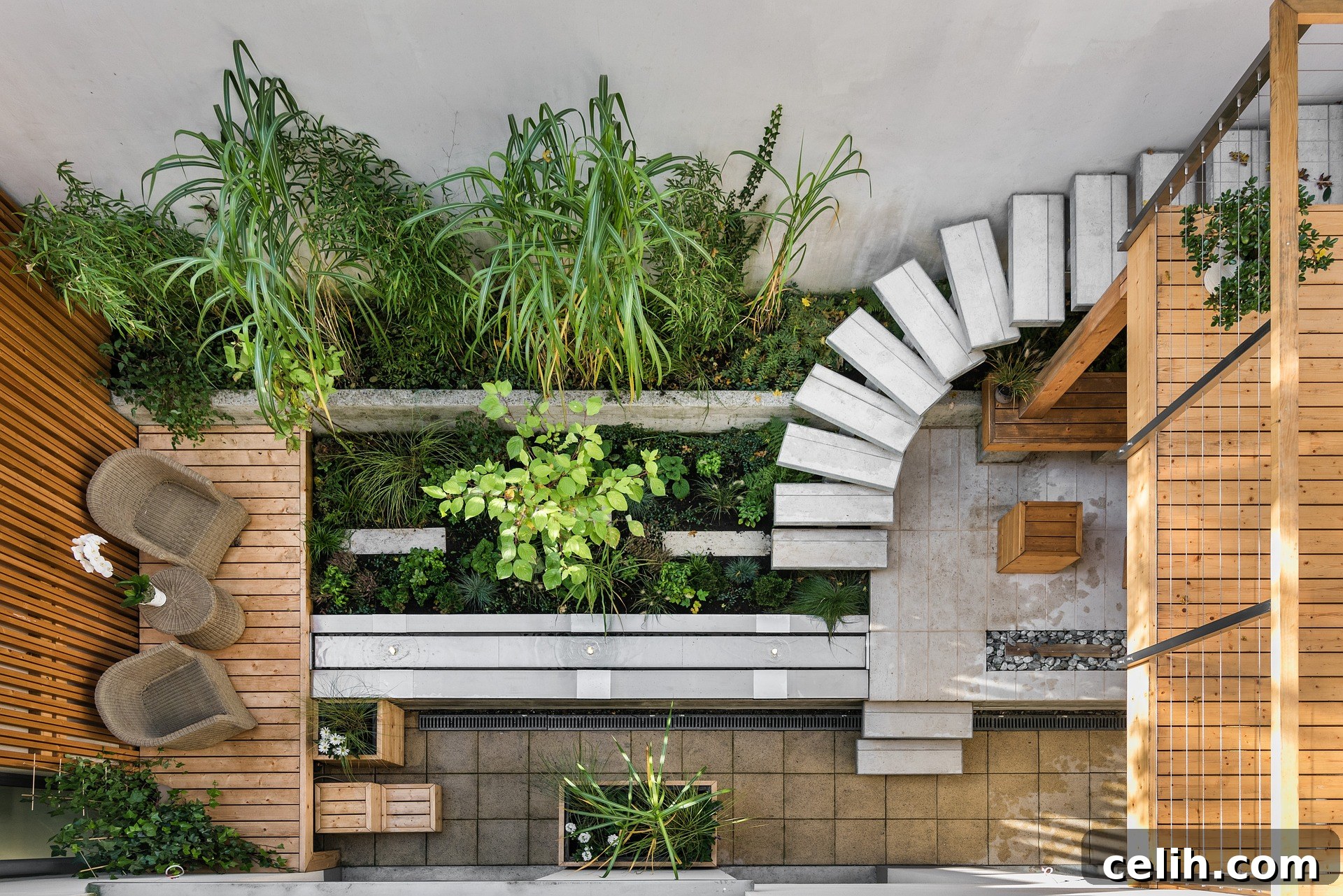
Transforming your outdoor space into a sanctuary where you and your family can thrive for years is a significant undertaking, one that demands the same meticulous planning and attention to detail you would invest in designing your dream home with a blueprint architect. Every element, from winding pathways and serene water features to vibrant planting beds and inviting seating areas, requires thoughtful consideration. Without careful and comprehensive landscape planning, numerous issues can emerge, potentially evolving into costly and disheartening pitfalls. This guide will help you navigate the complexities of garden design, highlighting five crucial design snares to proactively avoid, ensuring your outdoor haven is both beautiful and functional for the long haul.
Laying the Foundation: The Imperative of a Master Plan
While consulting a landscape architect might be your initial thought for exploring possibilities in your garden design, it’s highly beneficial to first develop a clear vision of what you truly desire. Before engaging a professional, take the time to conduct a thorough self-assessment. What are your lifestyle needs? Do you entertain frequently? Are there children or pets to consider? What is your aesthetic preference – modern, rustic, minimalist? Gathering inspiration from magazines, online galleries, and local botanical gardens can significantly shape your preliminary ideas.
Begin by visually investing yourself in the plan. Use stakes, ropes, garden hoses, or even spray paint to mark out proposed flowerbeds, pathways, and larger elements like patios or decks. This physical demarcation allows you to experience the spatial relationships and flow of your design, helping you visualize the scale and proportion of each feature. Consider the sun’s path throughout the day and year, and how it will impact planting choices and seating areas. Think about prevailing winds and how they might affect comfort or plant health.
If you envision a swimming pool, its placement demands rigorous planning. Ensure you account for not just the pool itself, but also essential surrounding elements such as ample decking for lounging, a mandatory safety fence, and a generous area for movement and activities outside the fence perimeter. Factor in local regulations concerning setbacks and safety. For a cozy fire pit, meticulously plan for comfortable and sufficient seating, ensuring adequate legroom and safe clearances from flammable materials. Don’t forget to designate zones for specific activities – a quiet reading nook, a vibrant play area, or an outdoor dining space. Once you have marked out your desired areas and incorporated every feature you wish to include, then it’s the opportune moment to call in a professional landscaper for their expert opinions and to translate your vision into a practical, sustainable blueprint. A professional can also highlight any local zoning laws or environmental considerations you might have overlooked, ensuring your project proceeds smoothly and legally.
Harmonizing with H2O: Understanding Water Features
Integrating water into your garden can elevate its aesthetic and sensory appeal, transforming it into a tranquil oasis. However, a deep understanding of the various types, sizes, and associated costs of ponds, fountains, waterfalls, and swimming pools is paramount for adhering to your landscaping budget and avoiding unexpected expenses. The initial installation cost is just one piece of the puzzle; you must also consider long-term maintenance, water consumption, and energy use for pumps and filtration systems.
For those contemplating a swimming pool, assessing the comprehensive cost goes beyond the shell. Websites, like the example of an Ohio home builder, often provide detailed breakdowns of the cost of installing an inground pool, including excavation, materials (fiberglass, vinyl, concrete), equipment (pumps, filters, heaters), decking, landscaping, and mandatory permits. Beyond the financial aspect, several practical considerations for poolside water features are crucial. Think about overhanging trees that might cast unwanted shade on parts of the pool, preventing it from warming naturally, or continuously drop leaves, necessitating more frequent cleaning. Plan for an accessible area to dry off or towel down post-swim, ideally with non-slip surfaces. Thoughtful seating arrangements, perhaps with built-in storage for towels and sunblock, enhance the user experience.
For families with young children, safety around water features is non-negotiable. Beyond the legally required pool fencing, consider the proximity of water features to play areas. For parents, devising a practical and direct pathway from the pool or water feature to the house, perhaps with an outdoor shower or designated entry point, can prevent dripping water throughout your home, preserving indoor flooring and reducing slip hazards. Smaller water features like fountains or bird baths also require attention; ensure they are placed where they won’t create stagnant water issues or pose tripping hazards. The gentle sound of a waterfall or the shimmer of a pond can be incredibly soothing, but only if designed and maintained correctly to be a source of joy, not stress.
Reading Your Canvas: Understanding Your Land’s Unique Characteristics
Every piece of land possesses its own distinct personality and challenges, whether it’s a pronounced sloping site, areas with persistently poor drainage, or formidable tree trunks dominating potential design zones. Embracing this uniqueness is key to creating a harmonious and resilient garden. Rather than fighting against your land’s natural attributes, learn to work with them, turning potential problems into innovative design opportunities. A comprehensive site analysis should be among your first steps, examining soil type (its pH and drainage capabilities), sun exposure patterns throughout the day and across seasons, prevailing wind directions, and the location of existing utility lines or large, established trees.
Perhaps you’ve inherited a gravel-filled area where you envisioned a lush flowerbed. Instead of incurring significant costs to remove and replace the gravel, consider designing a striking xeriscape garden that thrives in well-drained, rocky soil, or perhaps incorporate a low-maintenance, self-contained water feature that complements the existing texture. If a massive tree trunk stands squarely in the path of your desired walkway, rather than attempting costly and potentially damaging removal, integrate it into a circular seating area, build a raised flowerbed around it, or reroute the pathway to gracefully flow around its natural presence. Similarly, a pothole-filled area designated for a grassy lawn could be leveled and converted into an even play area, or perhaps transformed into a rain garden that naturally manages stormwater runoff, creating a beautiful and eco-friendly feature.
Understanding what your land genuinely has to offer, and how its unique characteristics can be leveraged, empowers you to design an outdoor space that not only resonates with your aesthetic but also avoids exorbitant costs and prevents future maintenance headaches. Adapting your vision to the existing landscape often leads to more natural-looking, sustainable, and less demanding garden environments. Consult with local nurseries or extension services to understand which plants thrive in your specific soil and climate conditions, further enhancing your ability to design a garden that works *with* your land, not against it.
Strategic Stash: The Importance of a Thoughtful Storage Plan
Many homeowners initially believe that their garage will suffice for storing all garden tools and outdoor accessories, only to discover too late that space quickly dwindles, leading to clutter and disorganization. A robust and well-integrated storage plan is not merely a convenience; it’s a necessity for maintaining an orderly and functional garden, especially in climates with harsh winters. Beyond basic gardening tools, a multitude of items require protected storage: delicate solar lighting fixtures, certain types of fountains, children’s bikes and outdoor toys, garden cushions, seasonal decorations, recycling containers, barbecue equipment, and various other seasonal items will all need secure, weather-protected space during the off-season. Neglecting this crucial aspect can lead to damaged equipment, shortened lifespans for outdoor furniture, and a perpetually cluttered aesthetic.
One of the most effective and aesthetically pleasing options for outdoor storage is a dedicated shed or outbuilding. When designing your garden, thoughtfully integrate the shed into the overall landscape. Consider its size, style, and materials to ensure it complements your home’s architecture and garden theme. Placement is key: situate the shed in an easily accessible location, ideally close to the areas where tools are most frequently used, but also positioned discreetly if preferred. Ensure that doors can open fully without obstruction and that there’s clear maneuvering space around it for larger items like wheelbarrows or lawnmowers.
Beyond sheds, consider other ingenious storage solutions. Deck boxes offer convenient space for cushions and small tools near seating areas. Built-in benches with hidden compartments can provide dual functionality. Vertical storage, such as wall-mounted tool racks inside a shed or along a fence, maximizes space. Even designated, attractive bins for green waste and recycling can be integrated into a storage strategy. A well-planned storage system not only keeps your garden tidy but also extends the life of your outdoor investments, making your outdoor living experience more enjoyable and less cumbersome.
Embracing Sustainability: Developing a Green and Eco-Conscious Plan
In recent decades, the appeal of gardening and composting has surged, reflecting a growing global awareness of sustainability and a desire for healthier, more eco-friendly lifestyles. If incorporating these green practices is important to you, creating a well-designed and functional working area within your garden is a major consideration. This goes beyond simply having enough space for your plants; it encompasses a holistic approach to resource management and environmental stewardship.
For cultivating vegetables, herbs, or even a small orchard, carefully assess the optimal sun exposure throughout the day. Raised beds can be an excellent option for improving soil quality, drainage, and accessibility, particularly for those with limited mobility. Crucially, plan how water will efficiently reach your planting areas. Options range from simple hose access to more sophisticated drip irrigation systems that conserve water by delivering it directly to the plant roots. Integrating rainwater harvesting solutions, such as rain barrels, can further reduce your reliance on municipal water sources and provide naturally soft water for your plants.
Composting is another cornerstone of a sustainable garden. Designate a suitable location for your compost bins or piles – ideally in a shaded, accessible spot that is convenient for adding kitchen scraps and garden waste, yet far enough from living areas to avoid any potential odors. Understanding the principles of composting – the right balance of “greens” and “browns” – is essential for producing nutrient-rich soil amendments. Beyond these core practices, consider other elements of a truly green plan: incorporating native plants that are adapted to your local climate and require less water and maintenance; creating pollinator-friendly gardens to support bees, butterflies, and other beneficial insects; exploring organic pest control methods instead of harsh chemicals; and even considering a small greenhouse or cold frame to extend your growing season.
A well-conceived green plan transforms your garden into more than just a beautiful space; it becomes a dynamic, self-sustaining ecosystem that contributes positively to your environment and provides fresh produce for your table, enhancing your connection to nature and promoting a healthier lifestyle.
Ultimately, your garden has the potential to become a truly personal haven, a place of relaxation, recreation, and growth. This transformative outcome hinges on the time and care you invest in meticulously planning every detail and feature you wish to include. While your initial vision is vital, talking to a professional landscaper or a specialized pool designer can provide invaluable insights and information you might not have considered, helping to refine your ideas and ensure practical execution. Remember, this is your life and your home; take the opportunity to create a garden that not only complements its architecture but truly fits into and enhances your unique lifestyle, bringing joy and tranquility for years to come.
Images: courtesy of Pixabay
In the first image, the garden design is by Marzenna Gaines from Krakow Garden Design