
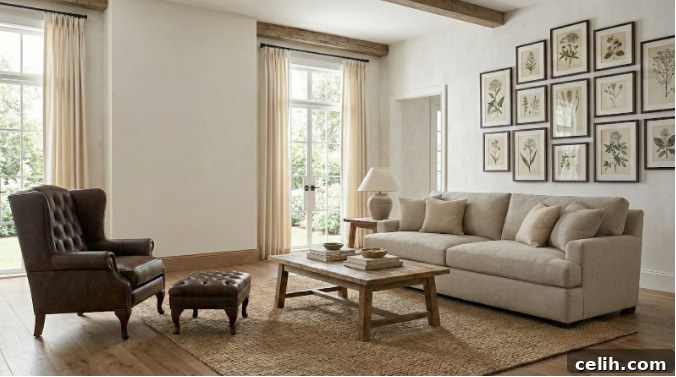
In the vast landscape of interior design, where trends ebb and flow with dizzying speed, certain pieces stand as unwavering beacons of comfort, style, and enduring appeal. Among these, the wingback chair holds a particularly cherished position. Far more than just a seat, it represents a personal sanctuary, a quiet retreat within the home, and a statement of discerning taste. Its distinctive silhouette, characterized by its high back and signature ‘wings,’ has graced homes for centuries, evolving from a functional necessity to a timeless symbol of sophisticated relaxation.
The art of creating a truly cozy interior lies in selecting furnishings that invite pause, encourage rest, and evoke a profound sense of peace and security. While many elements contribute to a home’s aesthetic, few possess the unique blend of functionality, historical richness, and inherent charm found in a wingback chair. Whether placed in a bustling living room, a secluded reading nook, or beside a crackling fireplace, a well-chosen wingback chair possesses an almost magical ability to transform a space, influencing both its atmosphere and its utility. It provides not just physical comfort but also a subtle yet powerful design anchor that grounds a room with its presence.
This comprehensive guide delves into the enduring allure of the wingback chair, exploring its rich history, its remarkable ergonomic design, and its seamless integration into diverse interior schemes. We will uncover why this iconic piece of furniture remains a cornerstone of comfortable living, capable of becoming the heart of any warm and inviting space.
The Enduring Legacy of Wingback Chairs
Wingback chairs occupy a truly unique and respected position within home furnishings. They exude a sense of familiar grandeur, blending traditional elegance with surprising adaptability. Their distinctive form, instantly recognizable, has not merely survived but thrived through centuries of evolving design tastes. This longevity isn’t solely a product of nostalgia; rather, it stems from a design that genuinely works, both aesthetically and functionally.
Born out of a need for warmth and protection in drafty homes, wingback chairs have gracefully evolved to become one of the most expressive and comfortable forms of seating available. Today, their versatility sees them equally at home in ultra-modern apartments as in stately traditional studies, proving that exceptional design truly knows no expiration date. This section will explore the captivating journey of the wingback chair, from its regal origins to its contemporary interpretations, highlighting its timeless appeal.
Historical Roots and Significance
The genesis of the wingback chair can be traced back to 17th-century England, truly flourishing during the Queen Anne and early Georgian periods. This era marked a significant shift in furniture design, where comfort and proper proportion began to share importance with mere aesthetic beauty. Early wingback chairs were conceived with a very practical purpose: to shield the sitter from the chilling drafts that permeated large, open rooms and hearths before modern insulation and heating were common.
Characterized by their high backs and enclosed sides—the eponymous ‘wings’—these chairs created a protective cocoon around the occupant, trapping the warmth from the fireplace and warding off cold air currents. The design was revolutionary, offering an unprecedented level of comfort and privacy. In Georgian interiors, these distinguished chairs were not just functional items but also status symbols, frequently associated with:
- Intimate private reading sessions and thoughtful conversations,
- Long, leisurely evenings spent in quiet reflection by the warmth of the hearth,
- A lifestyle that valued refined comfort alongside practical living.
Their ingenious structure demonstrated an advanced understanding of human posture and the psychological need for warmth and enclosure, arguably making them one of the earliest truly ergonomic seating solutions in domestic furniture. Over time, the wingback chair transcended its purely functional origins to become a powerful symbol of thoughtful living—furniture designed not merely for display but for genuine use and lasting enjoyment.
Contemporary Styles and Modern Adaptations
While the fundamental essence and comforting silhouette of the wingback chair remain timeless, modern design has beautifully expanded its stylistic vocabulary. Today’s wingback chairs embrace an astonishing array of upholstery, leg styles, and finishes, allowing them to seamlessly integrate into virtually any contemporary home aesthetic, from minimalist to bohemian chic.
Common modern adaptations and material choices include:
- **Smooth, top-grain leather:** For a timeless, sophisticated, and often masculine or heritage feel that ages beautifully.
- **Soft velvet or textured fabric:** Bringing unparalleled warmth, tactile comfort, and a touch of luxurious softness. Bouclé and linen blends are increasingly popular for their subtle texture and natural appeal.
- **Bold patterned or eclectic patchwork upholstery:** Transforming the chair into a dramatic interior statement piece, perfect for artistic or maximalist spaces.
- **Vintage distressed leather:** Offering a lived-in character, rich depth, and a narrative feel that speaks of comfort and history.
- **Sleeker lines and simplified forms:** Contemporary wingbacks often feature less ornate detailing, slimmer wings, and streamlined legs (e.g., tapered metal or minimalist wood) to suit modern aesthetics.
These diverse variations ensure that the wingback chair can function as either a quiet, grounding anchor within a room or a striking focal point, depending entirely on the desired interior styling. Whether your home leans towards the crisp lines of modern design, the rustic charm of farmhouse chic, or the rich heritage of traditional style, there is undoubtedly a wingback chair perfectly crafted to fit naturally into your home’s unique story and elevate its comfort quotient.
Unrivaled Comfort and Ergonomic Excellence
Beyond its striking visual appeal, the wingback chair is celebrated for its exceptional ergonomics and unparalleled comfort. In fact, its ingenious design is a testament to centuries of thoughtful engineering, crafted to cradle the body and provide a psychological and physical barrier from the outside world—a feature many modern chairs regrettably overlook.
The inherent design elements that contribute to its superior comfort include:
The Strategic Importance of the High Back and Wings:
The characteristically high back of a wingback chair provides comprehensive support for the entire back and neck, encouraging a healthy, relaxed posture. Simultaneously, the prominent wings offer a subtle sense of privacy and enclosure, effectively minimizing visual and sensory distractions. This unique combination makes the wingback an ideal choice for moments requiring peace, focus, and uninterrupted relaxation.
An Invitation to Unwind:
The enclosed, wrapping design inherently encourages a slower, more relaxed posture. Whether you’re engrossed in a novel, lost in the melodies of your favorite music, or simply enjoying a moment of quiet contemplation, a wingback chair acts as a ‘stop button’ in the busy rhythm of your home. It’s a personal cocoon, designed to encourage you to linger and truly settle in.
Key Ergonomic Features for Extended Comfort:
- **Optimal Seat Depth:** Designed to provide ample support for the thighs without cutting off circulation, ensuring comfort during prolonged sitting sessions.
- **Proper Arm Height:** Armrests are positioned at a height that allows shoulders and arms to relax naturally, reducing strain.
- **Gentle Lumbar Support:** Many designs subtly integrate lumbar support to promote the natural curve of the spine, fostering excellent posture without stiffness.
- **Reclined Angle:** The slight recline often built into a wingback’s backrest contributes to a relaxed, sink-in feeling.
Collectively, these meticulously considered elements explain why wingback chairs are consistently favored for personal reading nooks, serene meditation spots, and cozy corners, rather than high-traffic, transient seating areas. They are designed for connection, comfort, and quietude.
Curated Selections: Discovering Your Perfect Wingback Chair
Investing in a well-constructed wingback chair is not merely buying furniture; it’s acquiring a legacy piece that promises daily comfort and timeless style for years to come. The beauty of this classic form lies in its ability to adapt, transforming its core features to suit an incredible array of interior aesthetics. Here, we highlight a selection of exemplary styles, showcasing how versatile and impactful the wingback chair can be.
The Chesterfield Queen Anne Wing Chair (Antique Oxblood)
This magnificent chair stands as the quintessential embodiment of traditional British design, radiating an undeniable aura of courage and sophistication. Upholstered in splendid antique oxblood leather, it instantly imbues any space with a sense of deep warmth, gravitas, and visual richness.
- **Ideal Placement:** A perfect centerpiece for sophisticated studies, opulent libraries, or formal living rooms.
- **Styling Compatibility:** Pairs exquisitely with dark wood furniture, rich Persian rugs, and classic architectural details.
- **Lasting Appeal:** Ages gracefully, developing a unique patina and deeper character over time, telling its own story.
A true tribute to an enduring style, this chair harks back to an era of distinguished elegance, making a clear statement about the owner’s refined taste and appreciation for classic craftsmanship. It is an exceptional choice for those who cherish authentic, old-school furniture with profound historical resonance.
Chesterfield Mallory Flat Wing High Back Wing Chair (Cream Leather)
This particular model offers a refreshing take on the classic wingback, perfectly suited for brighter, more contemporary interiors that still desire a touch of refined elegance. Its lighter color palette and streamlined form make it incredibly versatile.
- **Design Feature:** The ‘flat wings’ provide a much simpler, cleaner, and less imposing aesthetic compared to more traditional curved wings.
- **Material Impact:** The luxurious cream leather beautifully catches and reflects light, instantly brightening a space while offering a soft, inviting texture.
- **Style Compatibility:** An excellent representative of Scandinavian, transitional, or even coastal types of decoration, where lightness and understated sophistication are prized.
This chair beautifully embodies the notion that traditional styles can be thoughtfully reimagined and reborn, adapting to modern sensibilities without sacrificing their inherent form or comfort. It’s proof that classics can always find new relevance.
For a closer look at this versatile chair model in an alternative color, explore the video below:
Chesterfield Mallory Queen Anne High Back Wing Chair Cracked Wax
Cuban Cigar Vintage Distressed Leather Wingback Chair
For homes that celebrate texture, authenticity, and a captivating story, a distressed leather wingback chair adds an unparalleled layer of depth and character that few other materials can offer. It speaks of journeys, adventures, and well-loved spaces.
- **Color Palette:** Rich, warm cigar hues radiate a sense of comfortable luxury without feeling overly heavy or formal.
- **Authentic Charm:** The natural flaws, subtle marks, and unique variations in distressed leather make each chair truly one-of-a-kind, celebrating its true-to-life character.
- **Ideal Setting:** Perfectly suited for easygoing, lived-in spaces such as relaxed lounges, rustic studies, or inviting reading nooks and fireside corners where comfort and atmosphere are paramount.
This particular typology is exceptionally effective in creating areas specifically designed for unwinding and genuine relaxation. It effortlessly evokes a sense of well-traveled elegance and enduring comfort, making it a focal point that invites guests to settle in and share stories.
Wing Back Chair Tartan Beige with Footstool
Introducing a patterned upholstery brings an instant injection of warmth, personality, and traditional charm to a space. When paired with a matching footstool, the wingback chair transforms into a complete haven of comfort, elevating the entire seating experience.
- **Fabric Choice:** Tartan fabric inherently adds a classic, homely, and often Scottish-inspired feel, perfect for creating a welcoming atmosphere.
- **Enhanced Comfort:** The accompanying footstool is not just an accessory; it actively encourages better posture by allowing you to recline with your feet up, promoting superior relaxation and reducing pressure on the lower back.
- **Functionality:** This combination is ideal for extended sitting sessions, whether for reading, knitting, or simply enjoying a long conversation.
This pairing creates a truly immersive seating experience, transforming the chair from a standalone piece into a dedicated zone for unwinding, making it a thoughtful addition to any cozy home environment.
Pattern and Patchwork Wingback Chairs
For those who dare to make a bold statement, wingback chairs upholstered in vibrant patterns or intricate patchwork designs truly become the undeniable focal point of any room. These chairs are not just furniture; they are works of art, reflecting a playful and adventurous approach to interior design.
- **Ideal Aesthetics:** This style is most suitable for eclectic, bohemian, or creatively inspired interiors where individuality and artistic expression are celebrated.
- **Visual Impact:** They add rich hues, dynamic textures, and complex visual interest without necessarily dominating the entire space if balanced correctly.
- **Versatile Use:** Can be effortlessly utilized as a singular accent chair in an entryway, a vibrant addition to a neutral living room, or a quirky touch in a bedroom.
When chosen and styled thoughtfully, these unique chairs serve the dual purpose of being immediate conversation starters and providing exceptional, inviting comfort. They are a testament to the wingback’s adaptability and its capacity to transcend traditional boundaries.
Expert Styling Tips for a Cohesive and Cozy Home
A wingback chair truly reaches its full potential when styled with intention and thoughtful consideration. Its commanding yet inviting presence has the power to shape not only how a room looks but also how it functions and feels on a daily basis. By carefully curating its surroundings, you can transform a simple chair into a beloved centerpiece of comfort and style.
Thoughtfully Incorporating Textures and Fabrics
Texture is a cornerstone of cozy home decor, adding depth, warmth, and an inviting tactile quality to any space. Wingback chairs, with their generous upholstery, offer a superb opportunity to introduce this tactile richness.
- **Leather:** Adds structure, a sense of gravitas, and remarkable longevity. Its smooth surface feels cool in summer and warms quickly in winter.
- **Fabric and Velvet:** Bring unparalleled softness, luxurious warmth, and a rich visual texture. Think chunky knits, plush velvets, or soft linen blends for an ultimate comfort experience.
- **Patterned Upholstery:** Creates immediate visual interest, injecting personality and dynamic energy into the room. It can serve as a bold statement or a subtle accent.
- **Mixing Textures:** Don’t shy away from combining different textures. A leather wingback can be softened with a faux fur throw; a velvet chair can be accessorized with a linen cushion. This thoughtful layering enhances the sense of depth and comprehensive comfort within the room, making it feel more lived-in and inviting.
Optimal Accommodating and Positioning
The strategic placement of your wingback chair is crucial in determining whether it is perceived merely as a decorative item or as a functional, indispensable part of your home. Its position dictates its usability and impact on the room’s flow and ambiance.
Here are some ideal ways to position your wingback chair:
- **Dedicated Reading Corner:** Place it by a window to capitalize on natural light, complemented by a floor lamp for evening reading. Add a small side table for books and a warm beverage.
- **Fireside Companion:** Positioned next to a fireplace, it creates a quintessential cozy scene, acting as a visual anchor and a source of warmth and symmetry.
- **Part of a Conversation Set:** In a living room, use a pair of wingback chairs opposite a sofa to foster engaging discussions and create a balanced seating arrangement.
- **Bedroom Retreat:** In a larger bedroom, a wingback chair can create a personal sanctuary for quiet moments, dressing, or enjoying a morning coffee.
- **Entryway Statement:** A single wingback in a spacious entryway can offer a welcoming touch and a convenient spot to sit while putting on shoes.
Always ensure to leave ample space around the chair. This allows it to breathe and maintain its vivid presence without making the room feel overcrowded or constrained. Consider the flow of foot traffic and how the chair integrates with other furniture pieces.
Harmonious Complementary Decor Elements
The addition of a few carefully chosen decorative elements can significantly elevate the experience of a wingback chair, transforming it into a complete and inviting comfort zone. These subtle home accents tie the chair into the broader design narrative of the room.
A perfectly styled wingback chair setup might include:
- **A Luxurious Throw or Cozy Cushion:** Introduce color, pattern, and extra softness. Choose materials like cashmere, chunky wool, or faux fur for maximum coziness.
- **A Convenient Side Table:** Essential for holding books, a cup of tea or coffee, reading glasses, or a small decorative item. Opt for materials that complement the chair and room, such as dark wood, polished brass, or marble.
- **Focused Floor Lamp:** Provides ambient or task lighting, crucial for reading or creating a warm glow in the evening. Arc lamps or classic pharmacy lamps work wonderfully.
- **A Matching or Complementary Footstool:** As discussed, this enhances comfort, supports proper posture, and completes the visual cohesion of the seating area.
- **Area Rug:** Anchoring the chair (and perhaps the side table) on a soft area rug defines the zone and adds another layer of texture and warmth.
These thoughtful elements not only transform the chair into a full-fledged comfort haven but also serve as vital visual accents, contributing to the overall aesthetic and functionality of your interior design.
Choosing the Right Wingback Chair for Your Unique Space
Selecting the ideal wingback chair involves a delicate balance of practical considerations, personal aesthetics, and lifestyle needs. It’s a decision that impacts not just comfort but also the overall ambiance and functionality of your room. Factors such as proportion, material, color, and intended use all play a crucial role in making the perfect choice.
While theoretical guidelines are helpful, seeing real-world examples often illuminates these decisions more clearly. Exploring how different wingback chairs vary in shape, upholstery, and scale provides invaluable insights, especially when visualizing how a chair will integrate within your specific room. Consider browsing online galleries or visiting showrooms to observe the nuances of various designs in person.
| Consideration | Recommendation |
| **Small Rooms** | Opt for models with slimmer profiles, narrower wings, and lighter upholstery colors to maintain an airy feel and prevent overwhelming the space. Consider chairs with exposed legs for a sense of lightness. |
| **Large Rooms** | Embrace deeper seats, broader wings, and darker, richer tones to ground the space and make a statement. You have more freedom with scale and bulk. |
| **Family Homes / High Traffic** | Prioritize durability. Robust leather (especially distressed or protected finishes) or performance fabrics are excellent choices for their resilience and ease of cleaning. |
| **Color Choice** | Darker hues (like oxblood, forest green, deep navy) provide a grounding effect and a sense of formality. Lighter tones (cream, beige, pale grey) create an illusion of openness and softness, ideal for brightening a room. |
| **Footstool** | Highly recommended if relaxation and optimal posture are priorities. A matching footstool transforms the chair into a full-fledged relaxation station, perfect for extended comfort. |
| **Style Match** | Consider the existing decor. A traditional wingback might complement a rustic home, while a sleek, modern version fits minimalist interiors. |
Ultimately, think of your wingback chair not as an isolated purchase, but as an integral part of a broader home transformation—one focused on enhancing comfort, fostering mindful living, and creating spaces that truly invite you to relax and be yourself.
In Closing: The Enduring Appeal of the Wingback Chair
A wingback chair is, and always has been, more than just another item of furniture. It represents a deliberate decision—a reflection of a desire to live more comfortably, more slowly, and with greater intention. In an era saturated with fleeting trends and constantly shifting interior aesthetics, the wingback chair stands as a quiet yet powerful testament to enduring design and timeless appeal. It offers not merely a seat, but a dedicated place to pause, to sit without urgency, and to truly feel at home rather than merely surrounded by decorative elements.
Whether it draws its inspiration from traditional craftsmanship or is thoughtfully reinterpreted through modern design principles, whether it is subtle in character or bold in its expression, a wingback chair effortlessly forms the emotional and visual center of a room. It doesn’t demand attention through overt flashiness, yet its presence undeniably defines and elevates the space around it. It serves as a gentle, constant reminder that true comfort, much like truly good design, never loses its relevance or its profound ability to enhance our daily lives.
Frequently Asked Questions About Wingback Chairs
Can a wingback chair be appropriate in modern interiors?
Absolutely! A wingback chair can be a remarkably fitting and stylish choice in modern interiors, provided it’s selected with careful consideration for proportion, material, and overall design. Contemporary versions of wingback chairs often feature simpler lines, more streamlined wings, and lighter textiles or sleek leather, which can act as a sophisticated anchor for modern design. When chosen wisely, a modern wingback chair doesn’t clash with a contemporary space; instead, it provides a welcome contrast, adding character, depth, and a much-needed touch of warmth and softness that is sometimes missing in minimalist or stark modern interiors. Look for models with tapered legs, neutral upholstery, or even bold patterns that align with current design trends.
Are wingback chairs comfortable for sitting over a long time?
Wingback chairs are renowned for their exceptional comfort, particularly for extended periods of sitting. Their signature high back is specifically designed to provide robust support for the entire spine, including the neck and head, promoting good posture without rigidity. The enclosing wings contribute to a feeling of being cradled and protected, which enhances relaxation and focus. This unique blend of supportive ergonomics and psychological comfort is precisely why they are highly favored for activities requiring sustained sitting, such as reading, deep conversation, writing, or simply enjoying a long, comfortable evening. They are built for lingering, not just momentary rest.
What upholstery is the best for wingback chairs in a family home?
The optimal upholstery for a wingback chair in a busy family home largely depends on lifestyle, pet ownership, and aesthetic preference. A top contender for its durability, easy cleaning, and timeless appeal is **leather**. It withstands spills and wear remarkably well, often looking even better with age. For a softer, more intimate feel, **performance fabrics** are an excellent modern option. These engineered textiles are designed to resist stains, fading, and wear, offering the luxurious look and feel of natural fibers with enhanced practicality. Examples include treated velvets, tightly woven microfibers, or synthetic blends. While natural fabrics like linen or cotton are beautiful, they may require more diligent care in a high-traffic family environment. Always consider the fabric’s rub count (Martindale or Wyzenbeek) for an indication of its durability.
Can a wingback chair fit in a smaller room as well?
Yes, a wingback chair can absolutely be incorporated into a smaller room, provided thoughtful attention is paid to its scale and color. The key is to select a model with a slimmer profile, less pronounced wings, and lighter-colored upholstery. Chairs with exposed, slender legs can also create a sense of lightness and prevent the piece from feeling too bulky. Positioning is also critical: placing it strategically by a window, in a corner, or as part of a smaller seating arrangement can make it feel integrated rather than intrusive. A well-chosen and carefully placed wingback can contribute significant comfort, function, and visual interest to a compact space without overwhelming it, proving that size doesn’t have to limit your design choices.
Is a footstool necessary, or is the chair itself good enough?
While a wingback chair is undoubtedly comfortable on its own, adding a footstool can dramatically enhance the overall seating experience and elevate both comfort and home styling. Elevating your legs onto a footstool helps to redistribute pressure, reducing strain on the lower back and promoting a more relaxed, open body posture—especially beneficial during longer periods of use. Beyond the ergonomic advantages, a matching or complementary footstool contributes significantly to the visual and functional cohesiveness of the space. It completes the seating area, transforming it from merely a chair into a complete and inviting comfort zone. Consider it one of those thoughtful home accessories that subtly yet powerfully enhances both the aesthetics and the lived experience of your interior design.