
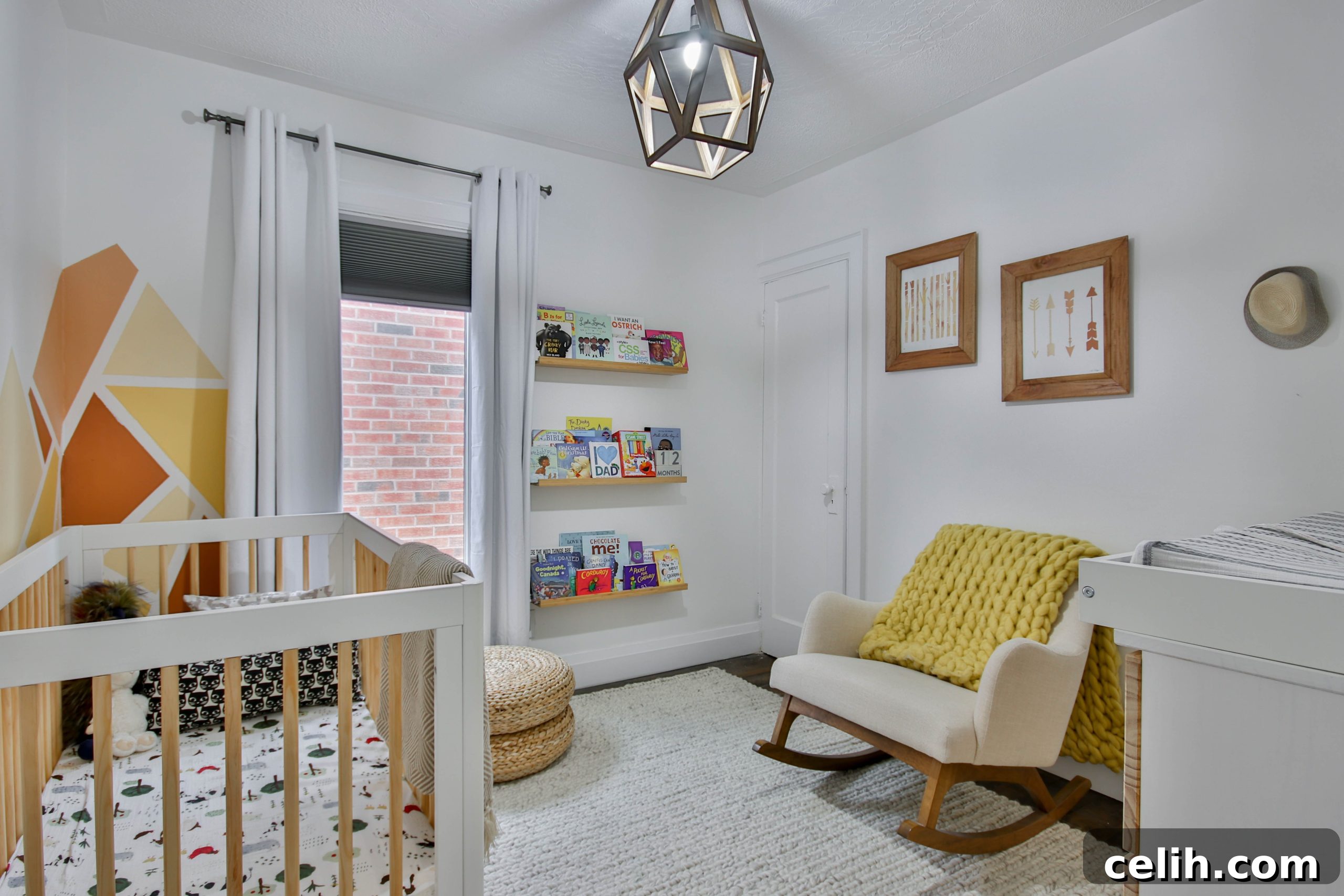
Creating the perfect environment for your little one is more than just decorating a room; it’s about crafting a sanctuary that fosters growth, happiness, and a sense of security. A thoughtfully designed nursery or child’s bedroom can significantly impact their well-being and development as they navigate the exciting journey of childhood. Children, much like adults, thrive in spaces tailored to their needs, where they can play, learn, rest, and explore without feeling overwhelmed or confined. Imagine a childhood where every toy has its place, where creativity flows freely, and comfort is paramount. With a bit of strategic planning and creative flair, you can transform any room into a cherished haven for your child.
Designing a child’s room often presents unique challenges compared to an adult’s space. Factors such as limited space, the need for flexible storage solutions, choosing an appropriate colour scheme, and safe, functional furniture placement require careful consideration even before the design process begins. Whether you’re planning a serene nursery for a newborn or an inspiring bedroom for a growing child, these simple yet effective tips from renowned designers like Dragons of Walton Street will elevate your luxury children’s interior design from ordinary to extraordinary in no time.
Prioritize Functionality Over Decoration in Your Child’s Room
Before you even think about paint swatches or decorative accents, the very first step in designing any child’s space, be it a nursery or a kids’ game room, is to ensure its core functionality. Begin by decluttering and “stripping” the room. This means removing all unnecessary items, from excess electrical gadgets and forgotten toys to any other distractions that may hinder a clear vision. This crucial step creates a blank canvas, allowing you to clearly assess the space and envision its true potential.
Once the room is cleared, focus on planning a practical and efficient layout. Consider the primary activities that will take place in the room: sleeping, playing, changing, and perhaps even a quiet corner for reading. For a nursery, this might involve strategically placing the crib, changing table, and a comfortable feeding chair. For an older child’s room, think about designated zones for a bed, a study desk, and an expansive play area. Safety is paramount here; ensure furniture is securely anchored, electrical outlets are covered, and all items are within safe reach. If your child is old enough, involve them in the planning process. Ask about their preferences for where their favorite toys or books should go. Incorporate elements that stimulate their minds, such as accessible bookshelves filled with engaging stories, art supplies readily available, or even educational games and world maps that spark curiosity. A well-organized, functional room reduces stress for both children and parents, creating a more harmonious living environment.
Embrace Simplicity for a Calming Child’s Space
When it comes to decorating a baby’s nursery or a child’s bedroom, less is often more. There’s a common misconception that a child’s room needs to be brimming with intricate decor and countless items, but this can often lead to overstimulation and clutter. Instead, strive for simplicity. Focus on essential items that serve a clear purpose and contribute to a peaceful atmosphere. Think functional items like soft nappy baskets, easily accessible towel racks, and minimalist decor that adds charm without overwhelming the senses. A reliable baby monitor for peace of mind is a practical addition, allowing you to keep an eye on your little one.
The goal is to keep the space as sparse and plain as possible, allowing for plenty of open floor space for play and movement. This approach not only makes the room feel larger and more inviting but also reduces visual noise, which is particularly beneficial for infants who are still developing their sensory processing skills. This principle of simplicity extends to your color scheme as well. A nursery is fundamentally a place for rest, comfort, and happiness. Overly complex or vibrant color palettes can be disruptive. Instead, opt for a straightforward approach: choose one primary, soothing color for the walls and complement it with a secondary, harmonious color for accessories like curtains, bedding, or storage bins. This creates a cohesive, tranquil environment where your child can feel content and secure, fostering better sleep and a calmer disposition.
Select Warm, Neutral Colour Schemes for a Nurturing Nursery
When embarking on the exciting journey of decorating a nursery, resist the urge to go overboard with bold, high-contrast colors. While vibrant hues might seem appealing for a child’s room, studies suggest that dark or excessively bright colors can sometimes make young children feel anxious or overstimulated. Instead, a warm, neutral colour scheme is often the best choice for a nursery. Neutrals create a serene and calming backdrop, allowing your little one to grow and develop naturally within a peaceful environment. These timeless palettes offer incredible versatility, easily adapting to your child’s evolving personality and interests as they mature, simply by changing accessories.
Consider shades like soft grays, warm beiges, gentle creams, muted greens, or serene blues. These colours are known to evoke feelings of tranquility and comfort, promoting relaxation and better sleep. However, “neutral” doesn’t have to mean boring. You can introduce playful elements through subtle pops of color or patterns. For instance, orange, with its inherent warmth and classic appeal, can be a fantastic choice for a nursery. Its cheerful yet grounding qualities make it perfect for little ones. You don’t need to paint all the walls orange; instead, consider creating a striking feature wall using a delightful pattern with various shades of orange, or incorporate it through bedding, artwork, or throw pillows. The key is to find a balance that feels both stimulating and soothing, ensuring the space remains a peaceful haven for your child.
Embrace Textures and Patterns for Sensory Development
While the concept of playing with different textures and patterns might sound more akin to adult interior design, it holds immense importance for a child’s developing senses. Your little one might not yet appreciate the intricate nuances of design, but they certainly benefit from rich sensory experiences. Incorporating varied textures and patterns into their room can stimulate their tactile and visual senses, aiding in cognitive development and encouraging exploration.
Think beyond just flat surfaces. Introduce a variety of textures through different elements: a plush, soft rug underfoot, woven baskets for toy storage, cozy knit blankets draped over a crib or chair, and perhaps patterned curtains that add visual interest without overwhelming the space. If you’re using accent pieces like a comfortable armchair or a crib, consider choosing items with unique materials or finishes. Luxurious yet practical luxury kids toys can also serve as fantastic sources of tactile engagement. For example, smooth wooden blocks, soft fabric dolls, or chunky knitted animals offer distinct sensations that little hands love to explore. Tactile experiences are crucial for sensory integration. However, always remember that a nursery or child’s room must primarily be a safe space. When selecting textured items or toys, ensure they are non-toxic, free from small parts that could be choking hazards, and durable enough to withstand enthusiastic play. The goal is to provide enriching sensory input in an environment that prioritizes your child’s safety and well-being.
Ensure Your Child’s Room Provides Everything They Need
Creating a truly happy and relaxed environment for your child doesn’t require elaborate structures like a miniature fort in the nursery, but rather a deliberate focus on providing ample space and thoughtful amenities. The presence of sufficient room for free movement and clearly defined areas for various activities is paramount. Research consistently shows that having a dedicated area for a child to play, learn, and develop – whether it’s their own meticulously designed room or a well-appointed corner within a shared family space – is crucial for their cognitive and emotional growth.
Consider creating distinct zones within the room: a comfortable sleeping area, an engaging play zone, and perhaps a cozy reading nook. Ensure that storage solutions are integrated seamlessly to keep clutter at bay and promote an organized environment. Shelves, drawers, and baskets should be easily accessible for both children (as they grow) and parents, making tidy-up time a breeze. As children grow, their needs evolve, so design the room with adaptability in mind. Opt for furniture that can transition from infancy to toddlerhood and beyond, such as a convertible crib or adjustable shelving. Most importantly, fill the space with items that encourage positive interaction, stimulate creativity, and support developmental milestones, ensuring it’s a place where your child feels completely nurtured and understood.
Conclusion: Crafting a Nurturing Haven for Your Child’s Growth
Children, while distinct from adults in countless ways, share a fundamental commonality: they are constantly growing and evolving. This continuous growth brings with it unique needs that demand a specially tailored environment. The nursery or child’s bedroom is undeniably one of the most significant spaces in the home. It should be a beacon of brightness, openness, and freedom from excessive embellishment, allowing your child to fully embrace and enjoy their earliest months and years of life without distraction or overstimulation. A well-designed room acts as a backdrop for their imagination, a sanctuary for rest, and a launchpad for learning.
A fantastic starting point for customizing your child’s nursery or room is to select a warm, neutral color scheme. This foundation offers versatility and tranquility, promoting a sense of calm. Complement this with a few carefully chosen, age-appropriate toys that encourage sensory exploration, a soft, inviting blanket for comfort, and a safe, sturdy crib. With these essentials in place, you’re well on your way to creating a perfect space.
Furthermore, don’t overlook these vital considerations:
- Invest in a high-quality mattress: This is crucial for supporting your child’s developing body and ensuring they enjoy comfortable, restorative sleep throughout the night. Look for mattresses that meet safety standards for firmness and breathability.
- Ensure excellent room ventilation: Proper airflow is essential for maintaining a healthy environment. Good ventilation helps regulate room temperature, prevents the buildup of stale air, reduces humidity, and minimizes the risk of mold, creating a fresh and dry space for your child.
- Prioritize ample storage space: A well-organized room is a happy room. Integrated shelving, drawers, and decorative baskets are key to keeping your child’s belongings neatly organized and easily accessible. This teaches organizational skills as they grow and makes daily routines smoother for everyone.
Ultimately, the interior design of your child’s room should be a reflection of their burgeoning personality and unique character. If you find yourself struggling to pinpoint a cohesive nursery or room theme, or if you simply desire a professional touch, remember that engaging the services of experienced interior designers can be incredibly beneficial. Creating a child’s room that is both exceptionally beneficial for their development and aesthetically pleasing within your home environment is an achievable goal with a blend of dedicated effort, thoughtful planning, and a spark of creativity. This investment in their space is an investment in their future happiness and well-being.