
Embracing Family-Friendly Minimalism: A Guide to Serene Living Spaces
In an increasingly chaotic world, the appeal of a minimalist home is undeniable. It promises calm, clarity, and an environment free from the incessant demands of excess. At its core, minimalist design champions clean lines, hard surfaces, and thoughtfully chosen, often low-profile, furniture. However, the prevailing image of minimalism—often depicted as stark, pristine, and utterly devoid of clutter—can feel miles away from the vibrant, sometimes messy, reality of family life. This perceived incompatibility often leads families to believe that a minimalist aesthetic is simply unachievable for them, a luxury reserved for child-free zones or magazine spreads. Yet, the truth is, a truly minimalist haven can be wonderfully family-friendly, offering practical benefits and a peaceful atmosphere that every household can cherish. It’s about creating an organized, functional, and beautiful space that supports, rather than hinders, the dynamics of a busy family.
Beyond the Myth: Redefining Minimalism for Real Families
The biggest hurdle for most families considering a minimalist approach is the pervasive myth that it requires absolute emptiness and total tidiness at all times. This often conjures images of an unlivable museum rather than a comfortable home. For families, the idea of having “no mess” or “no clutter” seems as daunting as a 24-hour flight with toddlers. However, family-friendly minimalism isn’t about eliminating every toy or hiding every drawing; it’s about intentionality. It’s about designing spaces that are easy to maintain, encourage organization, and ultimately reduce visual noise, even when everyday life unfolds. The goal isn’t sterile perfection, but rather a functional simplicity that allows for ease of living and moments of calm amidst the beautiful chaos of family existence. It’s a journey towards a more organized and stress-free environment, tailored to the unique needs of a bustling household.
The Art of Color: Crafting a Serene and Practical Palette
When it comes to creating a minimalist home, color plays a pivotal role in setting the mood and defining the aesthetic. Traditionally, many minimalist rooms are painted in crisp white, which offers a sense of expansive openness and purity. While white can be beautiful and timeless, its practicality in a home with children often raises concerns about grubby fingerprints and inevitable marks. For families, a more forgiving yet equally sophisticated approach involves embracing a neutral color scheme. Think sophisticated greys, calming muted greens, soothing blues, or warm earthy tones like beige and soft terracotta. These hues still embody the understated elegance and tranquility characteristic of minimalism but are far more resilient to the daily wear and tear of family life. They conceal minor smudges more effectively than stark white, offering peace of mind without sacrificing style. Occasional pops of accent color, perhaps through cushions, throws, or carefully chosen artwork, can add personality and warmth, preventing the space from feeling too austere while maintaining the core minimalist principle of thoughtful selection.
Mastering Clutter: Intelligent Storage Solutions for Busy Households
Clutter is perhaps the arch-nemesis of minimalism, and for families, it’s a constant battle. Toys, books, school supplies, and everyday essentials can quickly transform a tidy space into a chaotic one. However, the family-friendly minimalist approach doesn’t advocate for hiding everything away, only to pull it all out again. Instead, it promotes intelligent storage and selective display. The key is to embrace stylish, functional storage solutions that integrate seamlessly into your home’s design. Multi-functional furniture, such as ottomans with hidden compartments, coffee tables with integrated shelving, or beds with under-frame drawers, can be invaluable. These pieces serve multiple purposes, reducing the need for additional furniture and maximizing space.
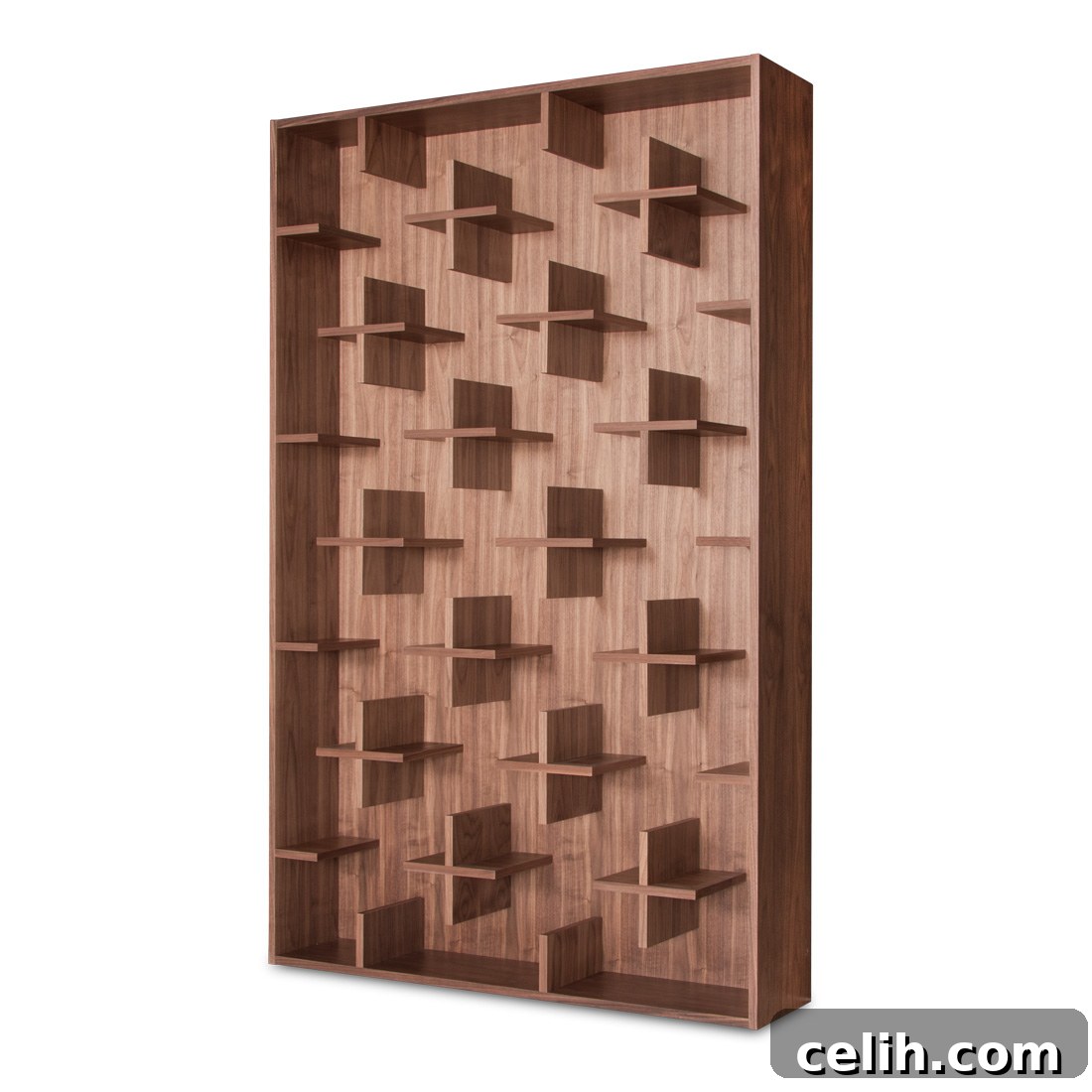
Consider innovative shelving units that are both practical and design-forward. For instance, a modern unit like those offered by Fashion for Home, with its sleek lines and walnut shelves, can be a game-changer. These units are designed not just for storage but also to be visually appealing, often featuring clever elements like magnetic shelves that add to their contemporary flair. By choosing such pieces, you can curate small collections of children’s favorite toys or frequently used items, transforming “clutter” into a visually appealing display. The minimalist design of the unit itself ensures that whatever you place inside contributes to, rather than detracts from, the overall aesthetic, proving that storage can indeed be beautiful and an integral part of your home’s clean design.
Curated Collections: Rethinking Bookshelves and Displays
Overcrowded bookshelves are a common sight in many homes, often overflowing with books that are rarely read. In a minimalist family home, the focus shifts from quantity to quality, encouraging a more thoughtful approach to what we keep and how we display it. Instead of massive, sprawling bookcases, opt for modern, clean, and contemporary shelving solutions that allow you to hand-pick and showcase a smaller, more meaningful selection of your family’s favorite books. This not only promotes a more curated collection but also ensures that each book has its moment to shine.
A prime example of this innovative approach is a design piece like the cross wall unit, beautifully pictured and often discussed for its unique aesthetic. This unit moves beyond traditional horizontal shelves, offering a sculptural way to display books within its intriguing cross-shaped compartments. It transforms mere storage into a piece of art, making a statement on your wall while holding a select number of volumes. Such designs compel you to consider each item you place, elevating everyday objects into decorative elements. For more information on such elegant and functional pieces, exploring collections like those at Fashion for Home can provide inspiration for incorporating innovative storage that enhances your minimalist vision.
Foundation First: The Power of Family-Friendly Flooring
When designing a minimalist space that works for families, flooring is a critical consideration—and often, it works most in your favor. Unlike easily damaged carpets that can harbor dust, allergens, and stains, the minimalist aesthetic calls for simple, glossy, and easily wipeable floors. These surfaces are a dream come true for any family, offering unparalleled practicality and hygiene. Imagine spilled juice, muddy footprints, or creative crayon marks that can be effortlessly wiped away without a trace.
Materials like black granite, polished concrete, large-format porcelain tiles, or high-quality engineered wood are excellent choices. Black granite, for example, works exceptionally well in kitchens and living rooms and can even extend throughout your entire downstairs, creating a cohesive and sophisticated look. These materials are incredibly durable, resistant to wear and tear, and surprisingly easy to clean, making them ideal for high-traffic family areas. If the sleekness of hard flooring feels too stark or you desire a softer touch for children’s play areas, strategically placed rugs are the perfect solution. A well-chosen rug can define zones, add warmth, texture, and a splash of color, all while providing a comfortable and safe surface for kids to play on. The beauty of rugs is their versatility; they can be easily cleaned, moved, or replaced, allowing your minimalist space to evolve with your family’s needs without compromising the underlying design principles.
Curating Furniture and Decor for Minimalist Family Living
Achieving a minimalist aesthetic in a family home also extends to the choice of furniture and decorative elements. The principle here is to select pieces that are durable, multi-functional, and aesthetically pleasing, all while contributing to a sense of openness and calm. Focus on furniture with clean lines and simple forms. Low-profile pieces, such as platform beds or sleek sofas, can enhance the feeling of space and airiness in a room. When selecting furniture, prioritize quality materials that can withstand the rigors of family life and are easy to clean.
In terms of decor, less is truly more. Instead of an abundance of decorative items, choose a few meaningful pieces that bring joy or serve a purpose. This could be a striking piece of art, a beautiful plant, or a carefully selected photograph. Avoid overly ornate or fussy decorations that can quickly accumulate dust and contribute to visual clutter. Lighting should also be simple and functional, maximizing natural light wherever possible and using minimalist fixtures that provide adequate illumination without drawing undue attention. By carefully curating your furniture and decor, you can create a harmonious environment where every item has its place and contributes to the overall serenity of your family home.
The Undeniable Benefits of Family Minimalism
Far from being an unattainable ideal, family-friendly minimalism offers a wealth of benefits that extend beyond aesthetics. A less cluttered home often translates to a less cluttered mind, fostering a calmer environment for both parents and children. With fewer items, cleaning becomes quicker and easier, freeing up valuable family time. Children can also benefit from a minimalist environment, learning to appreciate what they have and engaging more deeply with their toys rather than being overwhelmed by choice. It encourages creativity and independent play, as well as promoting organizational skills from a young age.
Ultimately, embracing a minimalist approach in your family home is about intentional living—making conscious choices about what you bring into your space and how you organize it. It’s about creating an inviting, functional, and beautiful sanctuary that supports the well-being and happiness of every family member. It proves that style and practicality can coexist harmoniously, even amidst the wonderful, dynamic, and sometimes messy adventure of family life.
To discover more innovative and stylish home furnishing solutions that perfectly blend modern design with practical functionality, please visit the Fashion For Home website.
***This post is in association with Fashion For Home***