
Buying a sofa is a significant investment for any household, often serving as the focal point of your living space for many years. It’s a piece of furniture that promises comfort, style, and functionality, making the decision process crucial. Given its cost and longevity, choosing the right sofa requires careful consideration to ensure it meets your specific needs, complements your home decor, and withstands the test of time. This comprehensive guide will walk you through everything you need to know before making this important purchase, helping you find a sofa that you’ll love for years to come.
Prioritizing Quality and Durability: An Investment That Lasts
When it comes to purchasing a new sofa, the adage “you get what you pay for” often holds true. Good sofas are an investment for a reason: they are meticulously constructed with superior materials and expert craftsmanship designed to endure daily use for years, if not decades. Skimping on quality can lead to a sofa that quickly sags, creaks, or loses its appeal, becoming an uncomfortable eyesore rather than a cherished piece of furniture. Focus on the core components to understand true value and ensure your new sofa is built to last.
The Foundation: Sofa Frame Materials
The frame is the skeleton of your sofa, providing its structural integrity. A robust frame is paramount for durability and stability. Look for frames made from solid, kiln-dried hardwood, such as oak, maple, or birch. Kiln-drying removes moisture, preventing warping and cracking that can occur over time with humidity changes. Avoid frames made from particleboard, chipboard, or softwoods like pine, which are less durable and prone to breaking down under stress. The joints should be reinforced with dowels, screws, and corner blocks – staples alone are a sign of lower quality construction. When testing a sofa, a quality frame should feel solid and substantial, without any wobbling or creaking when you sit down, stand up, or shift your weight. This foundational strength is key to a long-lasting sofa.
Superior Suspension Systems for Lasting Comfort
Beneath the cushions, the suspension system supports the seating and contributes significantly to both comfort and the sofa’s overall lifespan. There are several types of suspension systems, each offering different levels of support and durability:
- Eight-Way Hand-Tied Springs: Considered the gold standard in sofa construction, this labor-intensive method involves springs that are individually tied by hand in eight directions. This intricate system offers exceptional support, even weight distribution, and unparalleled longevity. It’s typically found in higher-end, artisan-crafted sofas.
- Sinuous (No-Sag) Springs: These S-shaped wires run from the front to the back of the frame, often reinforced with horizontal wires. They provide firm and consistent support and are a good balance of quality and cost, making them common in many mid-range sofas. Ensure the springs are closely spaced and made of heavy-gauge steel for optimal performance.
- Web Suspension: Strips of durable webbing (either natural jute or synthetic polyester) are tightly interwoven across the frame. While more economical, this system can sag over time if the webbing isn’t strong or sufficiently taut. It offers less consistent support than springs and is generally seen in lower-priced sofas.
Test the suspension by sitting firmly on different parts of the sofa. You should feel even support without any areas sinking excessively or springs poking through. A well-designed suspension system prevents cushions from bottoming out and extends the life of your seating.
Cushion Core: The Key to Comfort and Shape Retention
The quality and type of your sofa cushions directly impact comfort, support, and how well your sofa maintains its appearance over time. Cushions are typically filled with foam, feathers, or a combination of these materials:
- High-Density Foam: Offers firm, resilient support and excellent shape retention. Denser foam lasts longer and feels more springy and supportive. Look for foam with a density of 1.8 pounds per cubic foot or higher for good durability. Foam wrapped in Dacron or fiber batting provides a softer initial feel while maintaining the core’s structural integrity.
- Feather/Down: Known for luxurious softness and a “sink-in” comfort. Feather or down-filled cushions are incredibly comfortable but require frequent fluffing and plumping to maintain their shape and prevent clumping. They are generally more expensive and demand more maintenance.
- Feather and Foam Combination: Many high-quality sofas use a blend, with a durable foam core wrapped in a feather or down blend. This popular option offers the best of both worlds: the supportive structure of foam with the plush, soft comfort of feathers, often requiring less maintenance than pure feather cushions.
- Fiberfill: Synthetic fibers (like polyester fill) are an economical option, offering a soft feel. However, they tend to flatten and lose their shape more quickly than foam or feathers and can become lumpy over time.
When lifting a cushion, it should feel substantial and have some weight, indicating quality filling. The cushions should fit snugly within the frame, returning to their original shape quickly and completely after pressure is removed. High-quality cushions contribute significantly to both comfort and the sofa’s overall lifespan.
Choosing the Right Size and Configuration for Your Space
Before falling in love with a particular style or fabric, you must carefully consider the practicalities of size and how the sofa will integrate into your home. The biggest mistake buyers make is underestimating the dimensions required for delivery and the overall impact of the sofa on their room’s layout, flow, and overall aesthetic.
Measure Twice, Buy Once: Room Dimensions and Access
Start by meticulously measuring your living space. Don’t just measure the area where the sofa will sit; consider the entire room to understand how much space the sofa will occupy relative to other furniture, walkways, and architectural features like fireplaces, windows, or built-in shelving. Use masking tape on the floor to outline the sofa’s footprint, helping you visualize its scale in the room and how much space it will leave for movement. Crucially, measure all entry points: doorways, hallways, stairwells, and even elevator dimensions if applicable. There’s nothing more frustrating than having your dream sofa delivered only to find it won’t fit through the front door or around a tight corner. Many manufacturers offer modular or disassembled options, or sofas with removable legs, which can be invaluable for tricky access areas.
Sofa Types and Their Impact on Layout and Lifestyle
The configuration of your sofa can dramatically alter the functionality and aesthetic of your room. Consider your lifestyle, household size, and how you intend to use the space:
- Two-Seater (Loveseat) & Three-Seater Sofas: These traditional options are ideal for smaller spaces, apartments, or as part of a larger seating arrangement with accent chairs. They offer classic symmetry and versatility.
- Sectional Sofas: These modular pieces offer incredible flexibility, allowing you to create L-shaped, U-shaped, or customized configurations. They are perfect for open-plan living areas, large families, or maximizing seating in a corner, and can easily become the focal point of a room.
- Chaise Sofas: Feature an extended cushion on one side for lounging, combining the benefits of a sofa with a daybed. Excellent for relaxation, reading, or watching TV in comfort.
- Sofa Beds/Sleepers: A practical solution for guest rooms or compact living areas, offering dual functionality. If it will be used frequently, ensure the mattress quality provides adequate comfort.
- Recliner Sofas: Prioritize ultimate comfort, allowing users to recline and often offering adjustable headrests and footrests. They tend to be bulkier, so ensure adequate space for the reclining mechanism when fully extended.
A large, deep sofa can undeniably dominate a room, which is desirable if you want it to be the central element and primary gathering spot. If you prefer a more subtle presence, consider options with a lower back, thinner arms, or even an armless design, which creates a more open, airy, and less imposing feel, making the room appear larger.
Defining Your Aesthetic: Choosing a Sofa Style
With an almost infinite array of sofa styles available today, your new sofa can be a powerful statement piece that defines the character of your living space. From timeless classics to cutting-edge contemporary designs, selecting the right style allows your sofa to seamlessly integrate with or boldly contrast your existing decor, reflecting your personal taste and interior design vision.
Exploring Popular Sofa Styles and Their Characteristics
- Traditional Styles: Often characterized by rolled arms, intricate detailing like tufting or nailhead trim, and sometimes a camelback or shaped back. These styles evoke a sense of elegance, formality, and grandeur, complementing classic, vintage-inspired, or formal interiors. Examples include Chesterfield, English Roll Arm, or Cabriole sofas.
- Contemporary/Modern Styles: Emphasize clean lines, geometric shapes, minimalist aesthetics, and often feature straight track arms or no arms at all. They prioritize functionality, simplicity, and often low profiles, fitting well into modern, minimalist, or industrial design schemes.
- Transitional Styles: A popular blend of traditional and contemporary elements, offering a versatile aesthetic that bridges the gap between classic and modern. They often feature clean lines with subtly rolled or softened arms, making them adaptable to a wide range of decor styles and offering enduring appeal.
- Mid-Century Modern: Defined by slender tapered legs, organic curves, and often exposed wood frames. These sofas are iconic for their timeless appeal, sophisticated simplicity, and functional design, popular from the 1940s to 1960s and still highly sought after.
- Scandinavian: Known for light colors, natural materials, and functional, uncluttered designs. Scandinavian sofas are typically compact, feature clean lines, and promote a sense of calm and hygge.
- Rustic/Farmhouse: Characterized by robust, often oversized designs, plush cushions, and natural textures. These sofas evoke warmth and comfort, ideal for relaxed, family-friendly environments.
Consider the overall design language of your home. Should your sofa blend in as a harmonious backdrop, or stand out as a distinctive design statement? The choice of arm style (rolled, track, flared, tuxedo), leg design (tapered, block, bun feet, metal), and back height (low, medium, high) can significantly influence the overall look and feel of your sofa and, by extension, your entire room.
Understanding Upholstery: Fabric, Color, and Lifestyle Considerations
The upholstery fabric is perhaps the most visible and tactile aspect of your sofa. It dictates much of its aesthetic appeal, comfort, and how well it will hold up to daily life. Beyond just color, the material choice profoundly impacts durability, maintenance requirements, and suitability for your household’s specific needs.
Selecting the Perfect Fabric for Your Needs
The vast world of upholstery fabrics offers options for every lifestyle and aesthetic:
- Natural Fibers:
- Cotton: Breathable, soft, and durable, but can be prone to wrinkling, fading, and staining. Treated cottons (e.g., denim, canvas) can offer better resistance.
- Linen: Extremely strong and durable, with a casual, natural, and slightly textured look. It wrinkles easily and can be expensive. Best for less formal settings.
- Wool: Highly durable, resistant to pilling, fading, and dirt. It offers excellent warmth and can be expensive. Naturally flame-resistant.
- Silk: Luxurious and soft, with a beautiful sheen, but very delicate, prone to sun damage and difficult to clean. Reserved for formal, low-use areas.
- Synthetic Fibers:
- Polyester: Very durable, resistant to stretching, fading, and abrasion. Often blended with natural fibers to improve performance and feel. It’s an excellent all-rounder.
- Microfiber: A type of tightly woven polyester, known for its soft, suede-like feel and excellent stain resistance, making it ideal for homes with children and pets. It’s easy to clean and highly durable.
- Nylon: Exceptionally strong, resilient, and resistant to abrasion and fading. Often blended with other fibers to enhance durability and texture.
- Acrylic: Offers a wool-like feel and is highly resistant to fading and mildew, making it suitable for sun-exposed areas or humid climates.
- Olefin (Polypropylene): Highly resistant to moisture, stains, and fading, making it a robust choice for high-traffic indoor-outdoor furniture.
- Specialty Fabrics:
- Velvet/Chenille: Luxurious and soft to the touch, offering a rich, elegant aesthetic. However, they can be prone to crushing, showing wear patterns, and may require more delicate cleaning, making them less ideal for high-traffic areas or homes with active pets.
- Brocade: A heavily woven, often ornate fabric with raised patterns, typically used for formal settings. It’s beautiful but difficult to clean and not suitable for everyday, heavy use.
- Leather:
- Full-Grain Leather: The highest quality, retaining the natural markings and pores of the hide. Extremely durable, develops a beautiful patina over time, and is highly breathable, but is the most expensive.
- Top-Grain Leather: The second highest quality, where the very top layer is lightly sanded and pigmented for a more uniform look. More resistant to stains and easier to maintain than full-grain, while still being very durable.
- Corrected-Grain/Split Leather: Treated, sanded, and embossed to mimic higher grades. Less durable and softer than full-grain or top-grain, with a more uniform but less natural appearance.
- Bonded Leather: Made from leather scraps bonded with polyurethane. Least durable, prone to peeling and cracking over time, and offers less breathability.
Leather sofas are renowned for their exceptional durability, easy maintenance (usually just wiping with a damp cloth), and ability to age gracefully, developing unique character over years of use. They are an excellent long-term investment, particularly for families or those seeking a sophisticated, robust option.
The Psychology of Color and Pattern in Upholstery
The color of your sofa significantly impacts the mood, perceived size, and overall ambiance of your room. Bright, bold colors can make a vibrant statement and invigorate a space, but there’s a risk of tiring of them quickly or finding them difficult to coordinate with future decor changes. Neutrals (grays, beiges, creams, taupes) offer timeless versatility, acting as a calm, elegant backdrop that can be easily updated and personalized with colorful throw pillows, blankets, or accent pieces. Consider the lighting in your room; colors can appear very different under natural daylight versus artificial evening light. Test fabric swatches in your home under various lighting conditions. Patterns can add visual interest, texture, and cleverly disguise minor spills, dirt, or pet hair, making them a practical choice for busy households. However, choose patterns wisely to avoid an overwhelming or quickly dated look; subtle textures or classic patterns often offer more longevity in terms of style.
Upholstery for Real Life: Kids, Pets, and High Traffic
Your lifestyle and household dynamics should be a primary driver in fabric selection. If you have young children or pets, durability, stain resistance, and ease of cleaning are paramount. Light colors, delicate fabrics like silk or loosely woven linen, and materials that easily snag (like some velvets) are generally best avoided. Instead, opt for performance fabrics like microfiber, solution-dyed synthetics, tightly woven cotton blends, or certain types of treated leathers that are inherently stain-resistant, durable, and easy to wipe clean. Darker shades or subtly textured fabrics can also be more forgiving of everyday wear and tear and less prone to showing dirt or pet hair. Always check the fabric care codes (e.g., W for water-based cleaning, S for solvent-based) before purchasing to understand maintenance requirements.
Ease of Cleaning: Removable Covers and Professional Care
Some sofas come with removable covers, a fantastic feature for easier cleaning and maintaining hygiene. However, always check the care instructions for these covers – some may be machine washable (often cold water, delicate cycle), while others might require specialist dry cleaning due to their size, fabric composition, or to prevent shrinkage and damage. For sofas with non-removable upholstery, prompt spot cleaning with appropriate fabric cleaners is often necessary for spills, and professional deep cleaning every few years can significantly extend the life and freshness of your sofa, removing accumulated dirt and allergens.
Ensuring Ultimate Comfort and Ergonomics for Your Lifestyle
A sofa’s primary purpose is to provide comfort and a relaxing haven, making it a crucial factor in your buying decision. Comfort is highly personal, so what feels perfect to one person might be unsuitable for another. Beyond simply “soft” or “firm,” consider ergonomic factors that contribute to long-term satisfaction, ensuring your sofa supports your body correctly and caters to your preferred lounging style.
Seat Depth and Height: Tailoring to Your Body
Sofas come in a wide range of seat depths and heights. An ideal seat depth allows you to sit back comfortably with your feet flat on the floor, without your knees being too high or your feet dangling. If the seat is too deep, shorter individuals might find themselves having to shuffle to the front to avoid their legs hanging unsupported or their back not touching the backrest. Conversely, a seat that’s too shallow can feel restrictive for taller people, pushing their knees up uncomfortably. The seat height is also important; if it’s too low, individuals with reduced mobility, elderly family members, or those with knee issues may find it challenging to stand up comfortably. Aim for a height where you can easily get in and out, generally between 18-22 inches from the floor to the top of the cushion.
Back Support and Armrest Design
Good back support is essential for comfort and preventing discomfort, especially if you spend long hours on your sofa. Some sofas offer adjustable back cushions or built-in lumbar support. Consider whether you prefer a tight back (fixed, often firmer support, and a neater appearance), a loose back (removable cushions that allow for customization of position and feel, often softer), or a scatter back (multiple loose cushions for a plush, casual feel, requiring more arrangement). Armrests also contribute significantly to comfort, offering a place to rest your arms, support your head when lounging, or even hold a drink. Consider their height, width, and padding – are they comfortable for reading, napping, or simply relaxing?
The Showroom Experience: Test, Test, Test!
The single most important tip for ensuring comfort is to visit a showroom. Don’t be shy about trying out different models for an extended period. Sit on the sofa as you normally would at home: curl up, lean back, try reading a book, watch some pretend TV, or even lie down if you plan to nap on it. Pay attention to how the cushions feel, the support of the back, and the overall ergonomics. Does it feel too firm, too soft, or just right for your body? Does it immediately feel comfortable, or does it require you to adjust yourself constantly? Try to visit multiple stores to compare a wide variety of styles and comfort levels. Bring family members who will also be using the sofa regularly to get their input, as collective comfort is key for a shared living space.
Budgeting and Beyond: Practical Considerations for Your Sofa Purchase
After considering quality, size, style, upholstery, and comfort, there are a few final practicalities that can significantly influence your purchase decision, overall satisfaction, and the long-term value of your new sofa.
Understanding Your Budget and Value Proposition
Sofas come in a wide price range, from budget-friendly options to high-end luxury pieces. Establish a realistic budget before you start shopping, but also understand that a higher upfront cost for a well-made, durable sofa often translates into better long-term value. A cheap sofa might save you money initially, but if it needs replacing in just a few years due to poor construction or materials, the long-term cost could be significantly higher. Consider the sofa as an investment in your home’s comfort, functionality, and aesthetic – a piece that should ideally last you 7-15 years or more if properly cared for.
Warranty, Delivery, and Return Policies
Always inquire about the manufacturer’s warranty, especially concerning critical components like the frame and suspension, as these are vital for durability. A good warranty typically covers the frame for 10-25 years and upholstery/cushions for 1-5 years. Understand the store’s delivery process, including any associated costs, assembly services (if required for modular pieces), and estimated lead times, which can sometimes be several weeks or months for custom orders. Most importantly, familiarize yourself with the return policy. What happens if the sofa doesn’t fit through your door, or if you’re not satisfied with it once it’s in your home? Knowing these details upfront can prevent significant headaches and additional expenses down the line.
Future-Proofing Your Purchase
Consider how your lifestyle, family needs, or home decor might evolve over the years. A neutral-colored sofa with a classic or transitional design offers incredible versatility and can be easily re-accessorized with new throw pillows, blankets, or rugs to refresh its look as your style changes. Slipcovers offer a fantastic and practical way to completely change the look of your sofa or protect it from heavy use, children, or pets, significantly extending its life and versatility. Investing in a timeless design and a high-quality frame means you can potentially reupholster it in the future, giving it a fresh lease on life without the expense of buying an entirely new piece of furniture. This approach ensures your sofa remains a cherished part of your home for decades.
Choosing a new sofa is an exciting journey that combines practical considerations with personal style and comfort. By taking the time to research, measure, and thoroughly test different options, you can make an informed decision that will bring unparalleled comfort, style, and joy to your home for many years to come. Enjoy the process of finding the perfect piece that truly fits your life and enhances your living space!
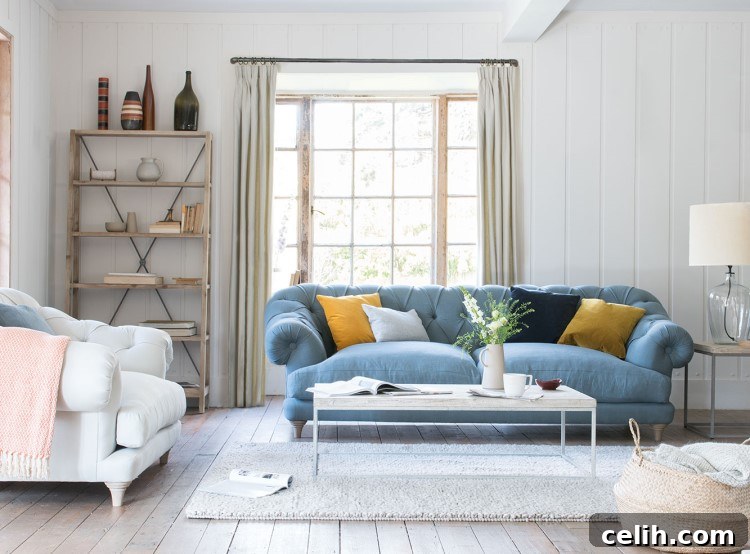
Main image shows the Bagsie sofa from Loaf.