
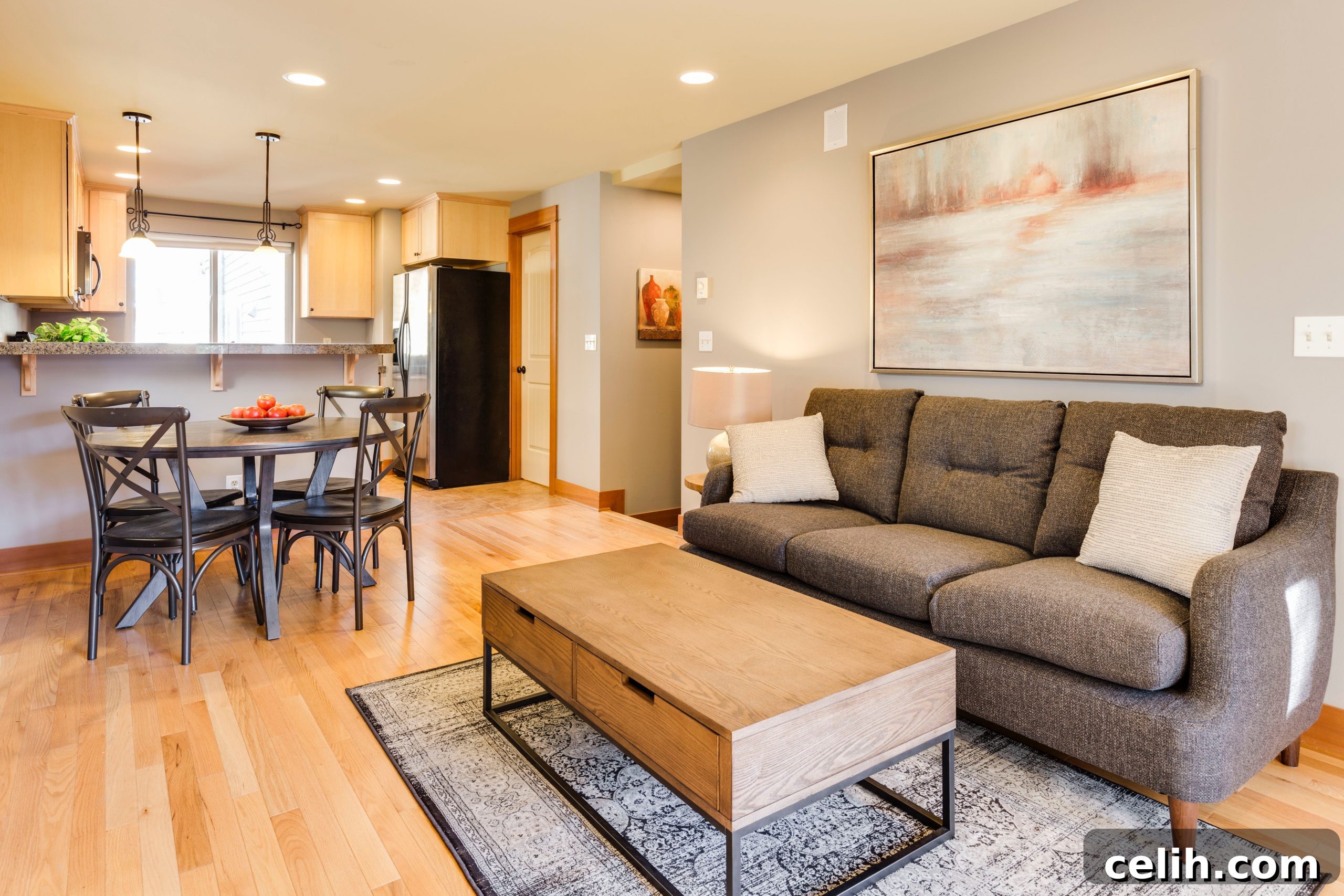
Choosing the perfect lighting for your home is far more than just picking out a light fixture; it’s about crafting an atmosphere, enhancing functionality, and reflecting your personal style. The right lighting design can transform a mundane space into an inviting sanctuary, a productive workspace, or a vibrant entertainment area. It’s a delicate balance of aesthetics, practicality, and energy efficiency that significantly impacts the overall comfort and appeal of your living environment. From selecting the most energy-efficient LED bulbs to finding that statement chandelier for your living room, every decision plays a crucial role in creating a cohesive and beautiful lightscape throughout your entire property.
This comprehensive guide will walk you through the essential considerations for illuminating your home effectively. We’ll delve into understanding the specific needs of each room, exploring the diverse world of lighting types, navigating your budget, focusing on the desired style and ambiance, and, critically, prioritizing energy efficiency. By the end, you’ll be equipped with the knowledge to make informed decisions that not only brighten your home but also enrich your daily life, making every corner truly shine.
1. Understand the Intended Use of Each Room
Before you even begin browsing for fixtures, it’s fundamental to consider the primary activities and desired mood for each room. A truly effective lighting plan involves layering different types of light: ambient, task, and accent lighting. Each layer serves a unique purpose, contributing to the overall functionality and aesthetic of a space.
- Ambient Lighting: This is the general illumination that fills a room, providing a comfortable level of brightness without glare. It’s often achieved through ceiling fixtures like chandeliers, flush mounts, semi-flush mounts, or recessed lighting. For a living room, a statement chandelier can provide ample ambient light while also serving as a central decorative element. In a kitchen, recessed lights offer unobtrusive overall illumination.
- Task Lighting: As the name suggests, this type of lighting is focused on specific areas where activities like reading, cooking, or applying makeup take place. It needs to be bright and directional to prevent eye strain. In a kitchen, under-cabinet lighting is crucial for food preparation, while pendant lights can illuminate an island workspace. For a home office, a well-placed desk lamp is indispensable. In bathrooms, vanity lights positioned around or above the mirror provide optimal illumination for grooming.
- Accent Lighting: This layer is used to highlight specific architectural features, artwork, or decorative objects, adding drama and visual interest to a room. Wall sconces can draw attention to a textured wall, while track lighting or picture lights can illuminate a cherished painting. In a bedroom, subtle accent lighting can create a relaxing and intimate atmosphere, perhaps with dimmable wall washes or small spotlights on decorative elements.
Consider the specific demands of each space: a bedroom might require softer, dimmable ambient lighting for relaxation, complemented by bedside lamps for reading. The kitchen, on the other hand, demands bright, focused task lighting for safety and visibility during cooking, alongside general ambient light. A dining room benefits greatly from a beautiful chandelier centered over the table, setting the stage for meals and gatherings, often paired with dimmers to adjust the mood. Even hallways and stairwells, often overlooked, require adequate ambient lighting for safety and to extend the aesthetic flow of your home. Understanding these nuances will guide your selections, ensuring every room is both functional and beautifully lit.
The same careful consideration applies to outdoor lighting. Pathways need robust, weather-resistant path lights for safe navigation, while patio areas can benefit from string lights or decorative lanterns to create an inviting atmosphere for entertaining. Security lighting, such as motion-sensor floodlights or strategically placed spotlights, is vital for peace of mind and deterring intruders. Understanding the different roles lighting plays will help narrow down your options and lead to a more effective and appealing lighting scheme for your entire property.
2. Consider the Different Types of Lighting Fixtures
Once you understand the ‘why’ for each room, the next step is to explore the ‘what’ – the vast array of lighting fixtures available. Each type offers distinct benefits in terms of aesthetics, functionality, and how it distributes light. Familiarizing yourself with these options is key to making informed decisions.
- Ceiling-Mounted Fixtures:
- Chandeliers: Often central decorative pieces, providing ambient light and a touch of elegance, perfect for living rooms, dining rooms, and grand entryways.
- Pendant Lights: Versatile and stylish, pendants hang from the ceiling, offering focused task lighting over kitchen islands, dining tables, or as accent lighting in corners.
- Flush Mounts & Semi-Flush Mounts: Ideal for rooms with lower ceilings, these fixtures provide general ambient light without taking up much vertical space.
- Recessed Lighting: A popular choice for a clean, minimalist look, recessed lights are installed directly into the ceiling, offering unobtrusive ambient, task, or accent lighting. They are highly versatile and can be used in almost any room.
- Track Lighting: Offering maximum flexibility, track lights consist of multiple heads mounted on a track, allowing you to direct light precisely where needed for task or accent illumination.
- Wall-Mounted Fixtures:
- Wall Sconces: These fixtures are attached to the wall, providing ambient or accent lighting. They can add a decorative touch, highlight architectural features, or offer soft, diffused light in hallways and bedrooms.
- Vanity Lights: Specifically designed for bathrooms, these lights are typically mounted above or on either side of a mirror to provide bright, even task lighting for grooming.
- Floor and Table Lamps:
- Floor Lamps: Portable and versatile, floor lamps can provide ambient light, focused task lighting (e.g., arc lamps for reading), or decorative accent lighting.
- Table Lamps: Perfect for adding layers of light, table lamps offer localized task lighting for reading or soft ambient light, and are essential decorative elements on side tables and nightstands.
- Specialty Lighting:
- Under-Cabinet Lighting: Crucial for kitchen workspaces, these strip lights are installed beneath upper cabinets to illuminate countertops effectively.
- Strip Lighting & Rope Lights: Flexible LED strips can be used for hidden accent lighting in coves, shelves, or toe kicks, creating dramatic effects.
- Smart Lighting: Integrating smart bulbs and fixtures allows for unparalleled control over brightness, color temperature, and scheduling, often controllable via apps or voice commands. This not only enhances convenience but also significantly improves energy efficiency.
- Outdoor Lighting:
- Path Lights: Illuminate walkways and driveways for safety and aesthetics.
- Post Lights & Bollards: Taller fixtures ideal for larger areas, gardens, or entryways.
- Floodlights & Spotlights: Used for security, highlighting landscaping, or illuminating larger areas.
- String Lights & Lanterns: Create a festive and inviting ambiance for patios and decks.
- Solar Lights: An eco-friendly option for pathways and garden accents, requiring no wiring.
Understanding these categories helps you visualize how different fixtures can work together to create a multi-layered and dynamic lighting scheme, catering to every need and aesthetic preference in your home.
3. Evaluate Your Budget
Every home improvement project requires careful financial planning, and lighting design is no exception. Establishing a realistic budget upfront will help you navigate the vast market of lighting solutions and prevent overspending or costly mistakes. Lighting options range from highly affordable basic bulbs to luxurious, designer statement pieces, so there’s truly something for every price point.
When budgeting, consider not just the upfront cost of the fixtures and bulbs, but also potential installation costs if you require a professional electrician, especially for complex installations like recessed lighting or wiring new circuits. Additionally, factor in the long-term running costs; while an LED bulb might have a higher initial price than a traditional incandescent, its significantly lower energy consumption and much longer lifespan lead to substantial savings over time, making it a more economical choice in the long run. This “total cost of ownership” perspective is vital for smart budgeting.
There are many ways to achieve stylish and effective lighting without breaking the bank. Affordable LED bulbs can instantly upgrade your existing fixtures, providing better illumination and energy savings. Decorative shades can refresh an old lamp. For statement pieces, exploring sales, discount retailers, or even DIY projects can yield impressive results. Conversely, if your budget allows, investing in high-quality, dimmable fixtures with advanced features like smart home integration can enhance convenience, ambiance, and energy efficiency, potentially even adding value to your home. Carefully weighing your options and prioritizing your needs will ensure you find the perfect lighting solutions that align with your financial plan.
4. Focus On Style and Ambiance
Beyond functionality, lighting plays a pivotal role in defining the style and mood of your home. Every homeowner desires a space that feels stylish, inviting, and reflective of their personal taste. Your lighting fixtures are integral decorative elements that contribute significantly to the overall aesthetic, whether you’re aiming for a sleek modern look, a cozy farmhouse feel, or a classic traditional elegance.
When selecting fixtures, consider their design, materials, and finish. Do they complement the existing decor and architectural style of the room? A rustic chandelier might be out of place in a minimalist setting, just as a modern pendant could clash with vintage furnishings. Think about the materials – metals like brass, chrome, or matte black, natural elements like wood or rattan, or various types of glass – and how they integrate with your furniture and color palette. The goal is to create a cohesive design narrative where lighting enhances the visual harmony of your space.
Equally important is the ambiance created by the light itself. This involves understanding color temperature, brightness, and light direction:
- Color Temperature (Kelvin): This refers to the warmth or coolness of the light emitted, measured in Kelvins (K).
- Warm White (2700K-3000K): Emits a soft, yellowish glow, similar to incandescent bulbs. Ideal for bedrooms, living rooms, and dining areas where a cozy, relaxing, and inviting atmosphere is desired.
- Cool White (3500K-4000K): A more neutral, crisp white light, often found in kitchens, bathrooms, and home offices where clarity and focus are paramount.
- Daylight (5000K-6500K): A bright, bluish-white light that mimics natural daylight. Excellent for task-intensive areas, workshops, or utility rooms where maximum visibility is required.
The appropriate color temperature can dramatically alter the mood and perceived warmth of a room.
- Brightness (Lumens): Instead of relying on watts, which measure energy consumption, focus on lumens, which indicate the actual brightness of a bulb. The required lumens will vary greatly depending on the room size and its function. Dimmers are an absolute game-changer for controlling brightness and establishing flexible ambiance, allowing you to transition a space from bright task lighting to soft, intimate mood lighting with ease.
- Light Direction: How light is cast also impacts ambiance. Uplighting can make a room feel taller and more expansive, while downlighting creates focused pools of light. Diffused light, from frosted shades or fabric, creates a softer, more even glow, reducing harsh shadows.
By thoughtfully considering the style of your fixtures and the specific qualities of the light they emit, you can craft a home environment that is not only beautifully illuminated but also perfectly reflects your desired ambiance, making it a joy to live in.
5. Prioritize Energy Efficiency
In an era of rising energy costs and growing environmental consciousness, prioritizing energy efficiency in your home lighting choices has never been more crucial. Investing in efficient lighting solutions not only benefits your wallet but also contributes positively to a sustainable lifestyle. The single most impactful choice you can make in this regard is opting for LED (Light Emitting Diode) bulbs.
LED technology has revolutionized home lighting, offering a multitude of benefits:
- Exceptional Energy Savings: LEDs consume significantly less electricity than traditional incandescent bulbs – often up to 90% less for the same amount of light. This dramatic reduction in power usage translates directly into noticeable drops in your monthly electricity bills.
- Long Lifespan: LED bulbs boast an incredibly long operational life, typically lasting 25,000 to 50,000 hours, or even more. This means fewer bulb replacements, reducing maintenance hassles and waste over time. While the initial cost of an LED bulb may be higher, its longevity makes it a far more cost-effective solution in the long run.
- Minimal Heat Emission: Unlike incandescent bulbs that convert much of their energy into heat, LEDs operate at much cooler temperatures. This not only makes them safer to touch but also reduces the burden on your home’s air conditioning system during warmer months, leading to additional energy savings.
- Durability: LEDs are made with solid-state components, making them much more resistant to breakage from impacts or vibrations compared to fragile glass incandescent bulbs.
- Versatility: Modern LEDs are available in a vast range of shapes, sizes, color temperatures (from warm white to daylight), and brightness levels, offering design flexibility for any fixture or aesthetic requirement. Many are also dimmable and compatible with smart home systems, allowing for precise control and further energy optimization.
When shopping for new light fixtures, always look for the ENERGY STAR® label. This certification indicates that the product meets strict energy efficiency guidelines set by the U.S. Environmental Protection Agency. ENERGY STAR certified fixtures are independently tested to deliver significant energy savings and high-quality light performance, ensuring your choice is both economical and environmentally friendly.
Beyond bulbs and fixtures, incorporating smart lighting systems can further enhance energy efficiency. Features like motion sensors, daylight harvesting (automatically dimming lights when natural light is sufficient), and programmable schedules ensure lights are only on when and where they are needed. Maximizing natural light during the day by arranging furniture to allow for light flow and using lighter wall colors can also reduce your reliance on artificial lighting.
In conclusion, choosing the right home lighting is a multifaceted decision that impacts comfort, aesthetics, and finances. By understanding each room’s purpose, exploring diverse fixture types, budgeting wisely, aligning choices with your desired style and ambiance, and prioritizing energy-efficient solutions like LED technology and ENERGY STAR certified products, you can create a sophisticated, cozy, and energy-efficient home that you and your family will enjoy for many years to come. Thoughtful lighting design is truly an investment in the quality of your living space.