
As the chill of winter begins to recede and the days stretch longer, a universal anticipation stirs within us: the longing to return to our gardens. For many, this isn’t just a simple desire to enjoy the outdoors; it’s a profound connection to a space that has become increasingly vital to our daily lives. In recent years, our outdoor sanctuaries have evolved from mere decorative extensions of our homes into dynamic, multifunctional havens for relaxation, recreation, and even productivity. The investment of both time and resources into these green spaces has surged, reflecting a deeper appreciation for their capacity to foster well-being, provide a retreat from the digital world, and offer a vital connection to nature.
Whether used for lively social gatherings, quiet moments of contemplation, impromptu fitness sessions, or as a vibrant playground for children and pets, our gardens have undeniably assumed a pivotal role. This year, the trend towards cherishing and enhancing our outdoor environments continues with renewed vigor. If you’re looking to infuse your garden with a fresh burst of life and love, preparing it for the seasons ahead, we’ve meticulously curated some of the most inspiring and impactful garden trends set to define the year. These ideas aren’t just fleeting fads; they represent a thoughtful shift towards more sustainable, functional, and personally enriching outdoor living.
Embracing Nature: Top Garden Trends for a Greener Home
Transforming your garden doesn’t require a complete overhaul. Often, subtle changes and mindful adjustments can yield significant results, creating a space that is both beautiful and deeply meaningful. Let’s delve into the key trends that will help you cultivate an outdoor haven that truly resonates with your lifestyle and values.
1. Cultivating a Thriving Wildlife Haven
For many, the garden has become a cherished space for restoration, meditation, and a much-needed escape from the stresses of modern life. This year, garden design is undergoing a significant evolution, moving away from overly manicured, tightly landscaped aesthetics towards more natural, wilder areas that warmly welcome local wildlife. This trend is a beautiful response to growing ecological awareness, recognizing the vital role our gardens play in supporting biodiversity and creating healthier local ecosystems.
Embracing this trend means transforming your garden into a vibrant ecosystem. Begin by thoughtfully selecting and planting an abundance of bee and insect-friendly flora. Consider native wildflowers, lavender, coneflowers, sedum, and borage – plants known not only for their beauty but also for their rich nectar and pollen. The RHS website is an invaluable resource for discovering suitable options tailored to your region. Furthermore, resist the urge to keep every corner perfectly trimmed. Designate specific areas, perhaps a quiet corner or a border, to remain relatively untouched. Allowing grass to grow longer or letting native plants self-seed can create crucial microhabitats that offer shelter and food sources for a variety of small creatures.
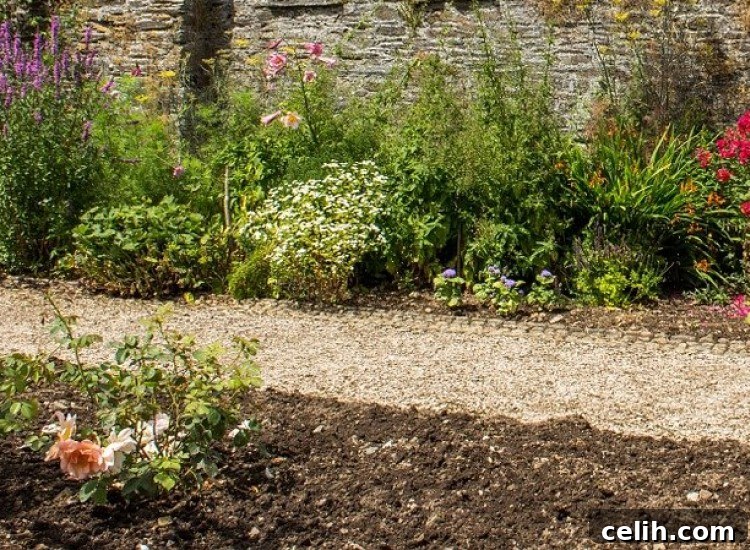
Beyond planting, actively invite wildlife into your garden with purpose-built features. Install nesting boxes for garden birds, offering them safe places to raise their young. Hedgehog houses provide essential shelter, particularly during hibernation, while toad houses create cool, damp retreats for amphibians that are natural pest controllers. Insect hotels, crafted from hollow stems, wood, and other natural materials, become homes for solitary bees and other beneficial insects, boosting pollination and natural pest control. To further enhance this naturalistic approach, swap hard, impermeable surfaces like tarmac or extensive paving for more organic options such as bark chippings, gravel, or natural stone paths. These materials not only allow rainwater to permeate the ground, reducing runoff, but also create a more visually harmonious and ecologically sound environment, making your garden a favorite destination for local fauna.
2. Crafting a Multifunctional Outdoor Sanctuary
As our homes increasingly serve as our primary hubs for work, leisure, and social interaction, every inch of space, both indoors and out, is being called upon to work harder and smarter. This intensified demand has propelled the garden into a dynamic, flexible extension of our living areas, leading to a significant trend in garden zoning. Rather than a singular, undifferentiated space, contemporary gardens are being thoughtfully divided into distinct areas, each serving a unique purpose: vibrant play zones for children and pets, elegant dining areas for al fresco meals, secluded spots for quiet contemplation, and even dedicated spaces for outdoor offices or fitness.
You might have already embraced this trend by installing a dedicated play structure or converting a shed into a home office last year. The key to successful multifunctional design, especially in more compact gardens, lies in intelligent planning and the strategic use of dividers. Consider using pergolas, trellises adorned with climbing plants, low walls, raised beds, or even strategically placed outdoor rugs to subtly delineate these zones. For instance, a dining area might feature a weatherproof table and chairs under a sail shade, while a cozy reading nook could be nestled within a corner, defined by a fragrant herb bed and a comfortable bench.
Crucially, amidst all the functional divisions, it remains important to preserve areas that are purely “garden” in essence. Even if space is at a premium, carve out a small, tranquil retreat. Install an arbour seat nestled against a wall or hedge, and allow it to be enveloped by climbing plants like fragrant wisteria or honeysuckle. This creates a beautifully natural, calming space – a true sanctuary where you can escape the demands of daily life, immerse yourself in nature, and simply be. This balance between utility and aesthetic beauty is what defines the successful multifunctional garden, ensuring it caters to all aspects of modern living while retaining its inherent charm.
3. The Joy of Growing Your Own Food
Following last year’s widespread fascination with baking sourdough and embracing home-based activities, the humble vegetable garden has experienced an unprecedented surge in popularity. More than just a trend, cultivating edible plants offers a profound connection to nature, a sense of accomplishment, and the undeniable pleasure of enjoying incredibly fresh, delicious produce right from your doorstep. While few of us possess the space or the time to become entirely self-sufficient in terms of vegetables, the sheer satisfaction of consuming something you’ve nurtured yourself is unparalleled, even if it’s just a few vibrant herbs on a windowsill or juicy tomatoes ripening on a patio.
For those new to the world of edible gardening, there’s a wide array of vegetables that are remarkably forgiving and easy to grow. Potatoes, whether in the ground or large grow bags, offer a satisfying harvest. Onions and garlic require minimal fuss, while a continuous supply of fresh salad leaves like lettuce, rocket, and spinach can be grown in small batches. Don’t be deterred if you have limited space; container gardening opens up a world of possibilities. Tomatoes thrive in pots, as do bush varieties of peas and beans, which can even be trained up small trellises. Herbs like basil, mint, rosemary, and thyme flourish in pots on sunny patios or windowsills, providing fresh flavor for countless dishes.
A particularly charming and practical approach is to move beyond the traditional, segregated “vegetable plot” and instead create an integrated edible garden. This involves artfully blending vegetables, fruits, and herbs directly into existing flower beds and borders. Imagine vibrant Swiss chard providing a splash of color alongside ornamental perennials, or a fragrant rosemary bush acting as a structural element amidst annuals. Climbing beans can ascend an archway, creating both beauty and bounty, while strawberries can form an attractive ground cover. This “edible landscaping” approach not only produces food but also enhances the overall aesthetic appeal of your garden, proving that functionality and beauty can coexist harmoniously. It’s an opportunity to experiment, learn, and enjoy the delicious rewards of your labor, connecting you more deeply with the food on your plate.
4. The Art of Recycling and Upcycling in the Garden
Just as many of us embraced the principles of recycling and upcycling within our homes last year, extending this creative and sustainable approach to the garden is a natural and rewarding progression. This trend isn’t just about saving money; it’s a powerful statement about sustainability, reducing waste, and imbuing your outdoor space with unparalleled personality and individuality. It encourages you to look at discarded items not as trash, but as raw materials with untapped potential, ready to be transformed into unique garden features.
The possibilities for garden upcycling are virtually limitless. Old wooden pallets can be repurposed into stylish garden furniture, vertical planters, or even compost bins. Discarded tires, painted vibrant colors, make durable and eye-catching planters for larger shrubs or vegetables. Tin cans, cleaned and decorated, can become charming herb pots or holders for garden tools. Even broken pottery or old bricks can find new life as decorative path edgings or components in a mosaic. If you’re ready to ignite your creativity, platforms like Pinterest are an endless source of inspiring ideas, showcasing how everyday items can be given a beautiful second life.
When using “less conventional” items as planters, a crucial practical consideration is ensuring adequate drainage. Without proper drainage holes, plants risk becoming waterlogged, leading to root rot and other issues. Always drill or punch several holes in the bottom of any container to allow excess water to escape. Beyond planters, consider giving your existing garden furniture a new lease of life. A fresh coat of paint, new cushions made from weatherproof fabric, or even a simple sanding and re-staining can completely rejuvenate tired tables and chairs. We adored what Sally at Life Loving did to her garden furniture last year, demonstrating just how impactful a little effort can be. This mindful approach to using what you have, combined with a dash of creativity, will not only contribute to a more sustainable lifestyle but also result in an outdoor space that truly reflects your unique style and values, sparking conversations and admiration alike.
Cultivating Your Dream Outdoor Space
As we anticipate the warmer months, dedicating a little time and effort to your garden now will undoubtedly pay significant dividends later. By embracing these thoughtful and sustainable trends – whether it’s fostering a haven for local wildlife, cleverly zoning your space for diverse activities, enjoying the bounty of your own edible garden, or creatively upcycling items – you are not just tending to plants; you are cultivating a personal oasis. The result will be an outdoor space that not only brings immense joy and functionality to your life but also one that fills you with immense pride, year after year. Let your garden be a reflection of your evolving lifestyle, a place where nature, design, and personal well-being beautifully intertwine.
All images (c) Pixabay 2021