
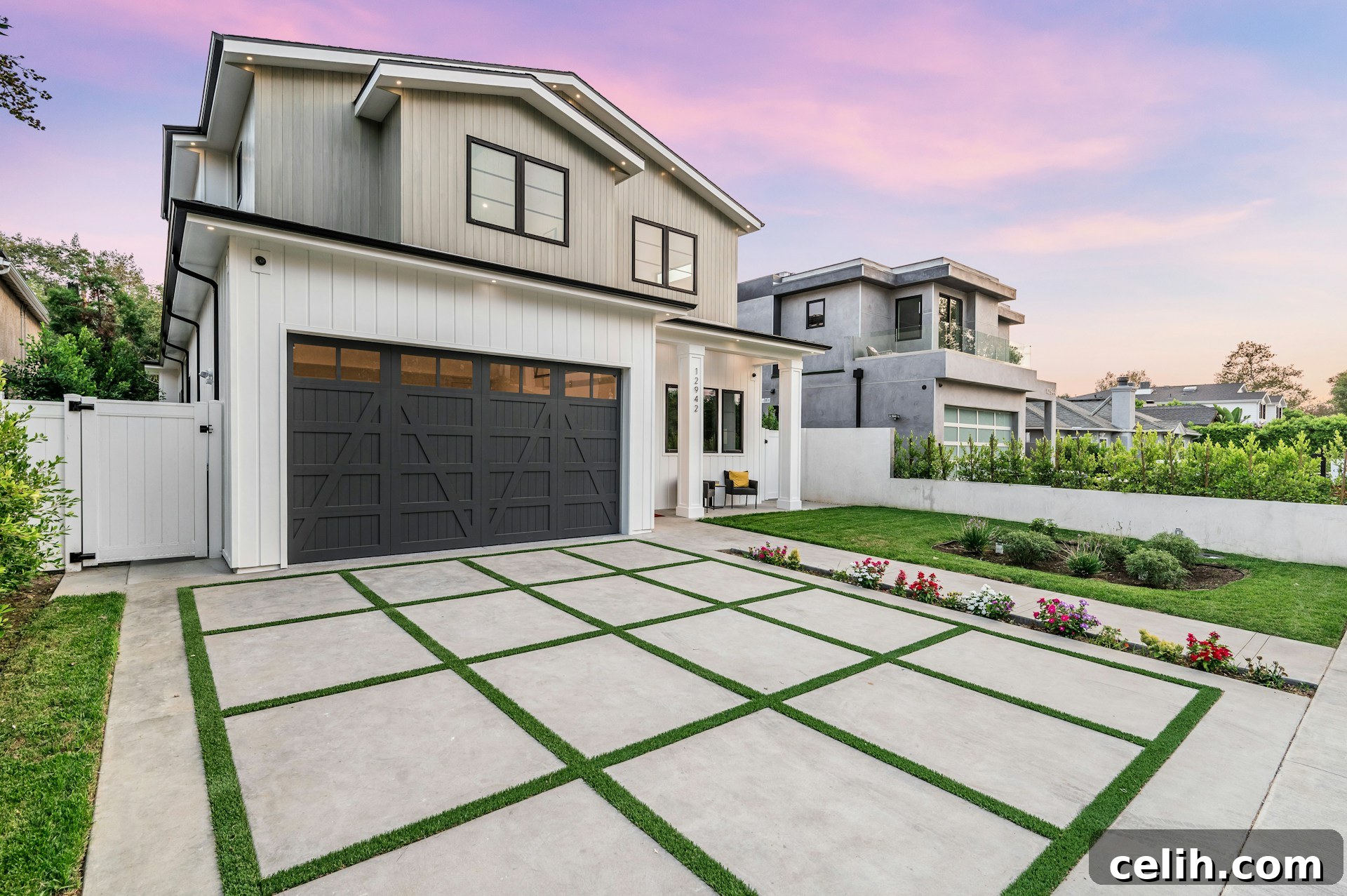
Your home’s roof stands as its primary shield, a silent guardian against the relentless forces of nature. Day after day, it endures the sun’s scorching heat, the biting cold of winter, torrential rains, and fierce winds, often without a second thought from homeowners—until a problem emerges. Yet, by the time a visible issue like a water stain appears indoors, the underlying damage has typically been progressing for an extended period, silently compromising your home’s integrity.
Every geographical region presents unique challenges that test the resilience of roofing systems. In some coastal areas, relentless humidity and salty air accelerate material degradation. Inland, communities face brutal freezing temperatures, powerful winds, or abrupt thermal shifts that push roofing components to their absolute limits. Even seemingly minor environmental factors such as overhanging tree branches, stagnant water from poor drainage, or persistent debris can gradually erode a roof’s protective capabilities. This underscores a crucial principle: safeguarding your home extends far beyond merely reacting to visible defects. It demands a deep understanding of the specific threats your roof faces and adopting a proactive, forward-thinking strategy to stay ahead of potential issues.
This comprehensive guide is designed to empower you with essential knowledge for maintaining your roof in optimal condition. We will explore critical aspects, from recognizing the earliest warning signs of trouble and selecting the most appropriate materials tailored to your local climate, to the indispensable role of working with qualified roofing professionals. Our aim is to foster a more deliberate and preventative approach to roof care, ensuring your home remains secure, dry, and robustly protected for many years to come.
The Insidious Hidden Costs of Neglecting Your Roof’s Health
A compromised roof is never just a minor aesthetic flaw; it represents a critical breach in your home’s defense system, paving the way for widespread structural and systemic damage. When water finds a path through your roofing system, it initiates a destructive chain reaction that can simultaneously impact numerous interconnected building components. Acknowledging this intricate web of potential damage is fundamental to appreciating the profound value of consistent, preventive roof maintenance and timely repairs.
- Severe Insulation Degradation: The moment moisture permeates your attic, it saturates insulation materials like fiberglass, cellulose, or rock wool, drastically diminishing their thermal resistance (R-value). Wet insulation can lose upwards of 40% of its effectiveness, forcing your HVAC system to operate far more intensely and for longer durations. This direct inefficiency translates into significantly inflated energy bills, year-round. Beyond the immediate energy drain, prolonged moisture exposure causes insulation to compact and settle, creating pathways for air leakage and thermal bridging. Over time, saturated insulation becomes an ideal breeding ground for harmful mold and mildew colonies, severely compromising indoor air quality and posing potential health risks to occupants.
- Compromised Structural Decking and Framing: The roof decking, typically composed of plywood or OSB (oriented strand board), acts like a giant sponge when exposed to persistent leaks. This absorption leads to swelling, warping, and eventually, the onset of wood rot. As deterioration progresses, the structural integrity of the entire roofing system is jeopardized. This can manifest as sagging sections of the roof, instability, and a diminished ability to support the weight of the roofing materials and environmental loads like snow. Advanced decking damage necessitates extensive, costly replacement of large sections during repairs, a process that can easily exceed the cost of addressing the initial leak. Furthermore, if left unchecked, rot can spread to rafters and other structural framing elements, requiring even more complex and expensive remediation.
- Pervasive Mold and Mildew Growth: The dark, humid, and poorly ventilated environment created by roof leaks in attics or wall cavities offers optimal conditions for rapid mold and mildew proliferation. Beyond the unsightly stains and musty odors, certain mold species produce mycotoxins, which can trigger severe allergic reactions, respiratory problems, and other health issues, particularly in sensitive individuals or those with pre-existing conditions like asthma. Mold remediation is not a simple DIY task; it is an expensive and specialized undertaking, often requiring professional contractors with expertise in containment protocols, air scrubbing, and safe removal to prevent further contamination. The longer mold is allowed to grow, the more invasive and costly its removal becomes.
- Extensive Interior Damage and Cost Escalation: By the time distinct water stains become visible on interior ceilings, walls, or even drip onto floors, it is almost certain that significant hidden damage has already occurred within the unseen layers of your home. Water often travels considerable distances along rafters, joists, and behind drywall, following the path of least resistance before finally manifesting as a visible indicator. This means the actual source of the leak could be several feet, or even rooms, away from where the stain appears. The immediate cosmetic repairs—such as repainting, replacing damaged drywall, and repairing compromised flooring—can quickly accumulate into substantial costs. Moreover, water intrusion can affect electrical wiring, potentially creating fire hazards or requiring intricate electrical system repairs, further compounding the financial burden and safety risks.
- Diminished Home Value and Marketability: Beyond the direct repair costs, neglected roof issues can have a profound negative impact on your home’s market value. A roof that appears old, damaged, or has visible signs of wear can deter potential buyers, who often view the roof as a significant capital expense they would inherit. Visible problems lead to reduced offers, demands for price concessions, or even outright rejection during home inspections. This can significantly prolong the selling process or force you to make costly repairs at an inconvenient time, ultimately eroding your home equity.
True home protection hinges on transitioning from a reactive “fix-it-when-it-breaks” mentality to a truly proactive, preventative maintenance regimen. This critical shift involves scheduling regular professional roof inspections and forging partnerships with highly qualified local roofing contractors, such as Hulsey Roofing Company, who possess an intimate understanding of your specific environmental challenges and local building requirements.
The Indispensable Value of Local Expertise and Building Code Compliance
Successfully navigating the complex landscape of building codes and local regulations demands far more than just general construction knowledge. It requires an acute and specific familiarity with the intricate rules that vary dramatically from one municipality to the next, between counties, and even across different states. These codes are not merely suggestions; they are legally binding mandates that govern every aspect of roofing, from minimum material specifications and precise installation techniques to crucial ventilation requirements and essential fire resistance ratings. Disregarding these vital regulations can lead to a host of detrimental consequences:
- Failed Inspections and Costly Project Delays: Non-compliant work will invariably fail municipal inspections, leading to immediate work stoppages and requiring costly revisions or complete re-dos. These delays can push project timelines back significantly, impacting your schedule and potentially incurring additional labor costs.
- Hefty Fines and Penalties: Building departments are empowered to levy substantial fines and penalties for unpermitted work or violations of established codes. These financial repercussions can quickly escalate and significantly inflate the overall cost of your roofing project.
- Serious Liability Issues: In the unfortunate event that damage occurs to an improperly installed or non-compliant roofing system, you could face significant liability. This could range from issues with warranty claims to legal actions if the faulty installation contributes to property damage or personal injury.
- Challenges When Selling Your Home: Unpermitted work or code violations can become major red flags during a home sale. Prospective buyers and their inspectors will identify these issues, often leading to demands for repairs or a reduction in the sale price, making your home less attractive in the market.
- Potential Insurance Claim Denials: Many insurance policies explicitly state that damage resulting from unpermitted or non-code-compliant construction may not be covered. This could leave you entirely responsible for thousands of dollars in repairs following a storm or other event.
A reputable contractor with deep-rooted local experience possesses established relationships within the community and with local building departments. This invaluable connection means they understand precisely which permits are required for your specific project, how to efficiently navigate the often-bureaucratic inspection process, and, most importantly, how to guarantee that your roofing installation meets all applicable codes on the very first attempt. This specialized local expertise translates directly into significant savings in terms of time, money, and considerable frustration throughout the entire roofing process, from initial consultation to final inspection.
Climate-Specific Material Selection: Tailoring Your Roof to Its Environment
Understanding and responding to the unique demands of regional climate conditions is paramount, requiring specialized material choices and installation techniques that national or distant contractors may simply not fully grasp. A local expert’s knowledge ensures your roof is truly built for its environment.
High-Humidity Regions: Areas experiencing persistent high humidity require roofing systems engineered to actively prevent moisture accumulation and resist organic growth. This includes the implementation of advanced, enhanced ventilation systems (such as continuous ridge vents combined with ample soffit intake) to promote maximum airflow and prevent condensation. Furthermore, contractors should utilize specialized mold- and mildew-resistant underlayment materials and select algae-resistant shingles. These shingles are often embedded with copper or zinc granules, which naturally inhibit the proliferation of black streaks and other organic growths that thrive in damp conditions, preserving both the appearance and lifespan of the roof.
Temperature Extremes and Fluctuations: In regions characterized by significant temperature swings—from scorching summers to freezing winters—materials must possess exceptional expansion and contraction characteristics to endure constant thermal stress without degrading. It is crucial to specify adhesives, sealants, and flashing materials that retain their flexibility and adhesion across wide temperature ranges, preventing cracking, shrinking, or loss of bond that would compromise the roof’s watertight seal. Specialized synthetic underlayments designed for extreme temperatures also play a vital role in preventing damage from thermal movement.
High-Wind Zones and Severe Storms: Coastal areas and regions frequently battered by severe storms necessitate robust roofing installations with superior wind resistance. This typically involves employing enhanced fastening patterns (e.g., six nails per shingle instead of the standard four), utilizing upgraded starter strips with aggressive adhesive bonds, and often recommending impact-resistant shingles. These shingles are specifically rated for much higher wind speeds (frequently 130+ mph in hurricane-prone zones) and are designed to withstand the abrasive forces of wind-driven rain and debris, offering significantly improved protection against uplift and blow-offs.
Snow and Ice Regions: In cold climates prone to heavy snowfall and prolonged freezing, specialized installations are essential to mitigate the risks associated with ice dams and excessive snow loads. This includes extending ice and water shield coverage well beyond the minimum code requirements, often several feet up from the eaves, to create an impermeable barrier against meltwater backup. Proper attic ventilation is critical to maintain a cold roof deck, preventing ice dam formation. Furthermore, local experts might recommend heated gutter and downspout systems or roof edge heating cables for particularly vulnerable areas, ensuring unimpeded drainage and preventing potentially destructive ice buildup.
The Unmatched Accountability Advantage of Local Contractors
Opting for a roofing contractor who lives, works, and invests within your community offers an inherent and invaluable layer of accountability that simply cannot be matched by large, impersonal national chains or distant companies. This local connection fosters trust and ensures a higher standard of service and workmanship.
- Reputation is Paramount: Local contractors thrive or fail based on their reputation within the community. They are invested in maintaining a stellar standing over decades, as word-of-mouth recommendations are their lifeblood. Poor work or unresponsiveness directly impacts their ability to secure future business in their hometown, motivating them to consistently deliver superior results.
- Deep Neighborhood-Specific Understanding: Years of experience working exclusively within your region grants local contractors unparalleled insight into neighborhood-specific challenges. This could include understanding common drainage issues, prevalent tree types that cause debris, or specific architectural styles that require nuanced approaches. Their familiarity with local nuances means they can anticipate problems and offer tailored solutions that truly work.
- Ongoing Accessibility and Support: Should you require warranty work, future repairs, or simply have questions years down the line, a local contractor remains readily accessible. They are part of the community, making communication easier and ensuring prompt responses to your service needs. Unlike transient companies, they won’t disappear after the job is done.
- Established Supplier Relationships: Local contractors often have long-standing relationships with nearby material suppliers. This translates into faster access to quality materials, potentially better pricing due to volume, and a greater likelihood of obtaining specialized or hard-to-find components quickly, preventing project delays.
- Expertise in Regional Weather Patterns: Their daily experience means local roofers intimately understand regional storm patterns and typical damage scenarios. They know which areas are most prone to wind uplift, hail impact, or heavy snow loads, allowing them to recommend preventative measures and robust solutions specifically designed for your local climate’s threats.
This deep-seated local connection means that your chosen contractor has a profound vested interest in delivering not just satisfactory, but truly exceptional quality work that will endure the test of time. Their goal is to ensure your roof becomes a lasting testament to their craftsmanship, generating positive references and reinforcing their esteemed position within their service area for years to come.
Comprehensive Inspection Protocols: The Key to Early Detection and Proactive Protection
Identifying nascent roofing issues before they escalate into costly emergencies demands a systematic, multi-faceted inspection methodology that goes significantly beyond what any homeowner can safely observe from the ground. Professional inspections are meticulous and comprehensive, typically encompassing both interior and exterior evaluations, often supplemented by advanced diagnostic tools.
Attic Interior Examination: The attic serves as a crucial vantage point for uncovering early indicators of moisture intrusion, inadequate ventilation, and structural vulnerabilities that remain entirely invisible from the exterior of the home. Experienced inspectors meticulously search for:
- Water Staining and Discoloration: Any dark spots, streaks, or discoloration on rafters, joists, or the underside of the roof decking are tell-tale signs of active or past water leaks, even if the exterior damage is not yet obvious.
- Visible Daylight: Gaps or holes that allow daylight to penetrate into the attic space indicate compromised seals, missing shingles, or damaged flashing, which are direct entry points for water.
- Moisture Accumulation or Frost Formation: Evidence of condensation, dampness, or frost (especially in colder months) suggests ventilation problems that can lead to mold growth and wood rot.
- Damaged or Inadequate Insulation: Compressed, wet, or unevenly distributed insulation not only loses its thermal effectiveness but can also harbor mold and pests.
- Improper Ventilation Airflow: Assessing the presence and functionality of intake (soffit) and exhaust (ridge/gable) vents to ensure proper air circulation, which is vital for preventing heat and moisture buildup.
- Signs of Past Repairs: Evaluating the quality and longevity of any previous repair work to identify potential weak points or areas prone to recurring issues.
- Pest Intrusion: Look for droppings, nests, or entry points indicating rodents, birds, or insects exploiting roof vulnerabilities.
Exterior Surface Evaluation: A thorough rooftop inspection involves a detailed examination of every roofing component, requiring safe access to the roof surface itself. This critical assessment includes:
- Shingle and Material Integrity: Checking for common signs of wear such as curling, buckling, cracking, blistering, excessive granule loss (for asphalt shingles), or chipped/broken tiles/slates. Bruising or soft spots can indicate underlying issues or hail damage.
- Flashing Conditions: Scrutinizing the condition of all flashing around chimneys, skylights, vent pipes, valleys, and wall-to-roof transitions. Deteriorated, rusted, or improperly installed flashing is a prime source of leaks.
- Soffit and Fascia Deterioration: Inspecting the health of soffit and fascia boards for signs of rot, paint peeling, or pest entry, as these areas are crucial for proper attic ventilation and water diversion.
- Gutter and Downspout Functionality: Ensuring gutters are securely attached, free of clogs, properly sloped, and that downspouts effectively direct water away from the foundation. Clogged gutters can lead to fascia damage and ice dams.
- Chimney Condition: Assessing the structural integrity of the chimney, mortar joints, cap, and counter-flashing for cracks, deterioration, or potential leak points.
- Vent Pipe Boots and Seals: Examining the rubber boots and seals around plumbing vents, exhaust vents, and attic fans for cracks, dry rot, or dislodgement that can allow water penetration.
- Proper Fastening and Exposure: Verifying that roofing materials are correctly fastened and that the exposed portion (reveal) of shingles or tiles is consistent, indicating proper installation and adequate overlap.
Advanced Thermal Imaging Technology: Modern roofing inspections often incorporate infrared cameras to detect subtle temperature differentials across the roof surface and within attic spaces. These thermal anomalies can indicate hidden moisture infiltration, areas of missing or compressed insulation, or significant air leakage points that are entirely invisible to the naked eye. By identifying distinct thermal signatures, inspectors can pinpoint problem areas with remarkable precision, allowing for targeted and efficient repairs before extensive damage occurs.
Professional Moisture Meters: Highly sensitive, professional-grade moisture detection tools are indispensable for accurately measuring the moisture content within wood decking, structural members, and insulation materials. These meters can identify elevated moisture levels in hidden areas, revealing potential problems like condensation, slow leaks, or incipient rot long before any visible signs appear, enabling proactive intervention.
Expert Storm Damage Documentation for Insurance Claims
Post-storm assessments demand a particular level of specialized expertise, largely because damage from severe weather is frequently subtle, progressive, and not immediately apparent. Proper identification and meticulous documentation are crucial for successful insurance claims.
Comprehensive Hail Impact Analysis: Hail damage may not instantly compromise the waterproof integrity of your roof, but it can significantly shorten its lifespan by degrading materials. Professional inspectors are trained to identify:
- Bruising of Asphalt Matting: Appearing as soft spots, dimples, or dark circular impressions where granules have been dislodged, indicating the asphalt mat beneath has been compromised.
- Cracked or Broken Shingles and Tiles: Hail impact can cause brittle shingles or tiles to crack, chip, or even shatter, creating direct pathways for water.
- Granule Loss: Excessive loss of protective granules exposes the asphalt layer to harmful UV rays, accelerating aging and material degradation.
- Impact Damage to Metal Components: Dents, dings, or deformities on metal vents, flashing, and gutters are clear indicators of hail impact, helping to correlate damage with a specific storm event.
- Compromised Sealant Strips: Hail can break the bond of the sealant strips that adhere shingles to each other, making them vulnerable to wind uplift.
Detailed Wind Damage Assessment: High winds, often accompanying severe storms, can exert tremendous force, lifting, tearing, or entirely displacing roofing materials.
- Missing Shingles or Tiles: The most obvious sign, indicating sections of the roof have been directly ripped away by strong gusts.
- Lifted Corners or Edges: Even if shingles are not completely missing, lifted or creased corners and edges leave them highly susceptible to future wind damage and water intrusion.
- Damaged Starter Courses: The critical first row of shingles along the eaves can be torn or dislodged, compromising the entire bottom edge of the roof.
- Loose or Missing Flashing: Wind can tear or dislodge flashing around roof penetrations, creating immediate leak points.
- Debris Impact Damage: Damage from fallen branches, airborne objects, or even entire trees can cause punctures, tears, or structural damage to the roof.
Meticulous Documentation for Claims: Thorough and professional documentation is absolutely indispensable for supporting insurance claims and ensuring fair compensation. This includes:
- Detailed Written Reports: Comprehensive narratives outlining observations, measurements, material specifications, and recommended repairs.
- Extensive Photography and Videography: High-resolution images and videos captured from multiple angles, clearly showing all damage with contextual shots and close-ups.
- Comparison with Pre-Storm Conditions: If available, comparison photos from previous inspections can dramatically strengthen a claim by proving the damage is new.
- Correlation with Local Weather Data: Professional reports often include references to local weather station data and storm reports to establish the timing and severity of the weather event, further substantiating the claim.
Establishing Proactive Maintenance Baselines for Longevity
Implementing a schedule of regular professional roof inspections, typically recommended annually or bi-annually depending on your roof’s age, material, and local climatic conditions, is not just about finding current problems. It’s about creating an invaluable historical record of your roof’s evolving condition. This comprehensive baseline documentation serves multiple critical functions:
- Early Identification of Deterioration Trends: By comparing inspection reports over time, professionals can identify gradual wear and tear, material fatigue, or subtle shifts in structural integrity long before they escalate into urgent, expensive emergency failures. This allows for planned, budget-friendly interventions.
- Robust Evidence for Insurance Claims: A documented history of your roof’s condition and maintenance can serve as irrefutable evidence for insurance claims, particularly after storm events. It proves that damage was new and not pre-existing, expediting the claims process and ensuring fair compensation.
- Informed Repair and Replacement Prioritization: With a clear understanding of your roof’s health, you can make smarter decisions about repair investments. This allows you to prioritize the most critical repairs and budget effectively for future major projects, such as a complete roof replacement, years in advance.
- Optimizing Roof Longevity: Regular assessments and prompt, targeted maintenance actions based on documented findings extend the functional lifespan of your roofing system. This maximizes your initial investment and delays the need for costly replacements.
- Verification of Contractor Work Quality: The baseline documentation provides an objective record of all work performed, allowing you to monitor the quality of repairs and installations over time and hold contractors accountable.
Addressing small vulnerabilities promptly through scheduled preventive maintenance costs a mere fraction of what emergency repairs would entail. Crucially, it prevents the cascade of secondary damage to interior spaces, structural components, and personal belongings that often accompany a neglected roof failure. Beyond professional inspections, homeowners can also contribute to maintenance by regularly cleaning gutters, trimming overhanging tree branches, and being vigilant about unusual sounds or visible changes to their roof.
Quality Craftsmanship and Its Profound Impact on Long-Term Home Value
Your roof is not merely a protective covering; it is a fundamental and often underestimated component of your home’s overall market value, aesthetic appeal, and structural integrity. Real estate professionals consistently highlight roof condition as one of the top factors influencing home sale prices and buyer interest. A meticulously maintained and professionally installed roof communicates responsible homeownership and significantly enhances property appeal.
Maximizing Equity Protection: A complete roof replacement project typically represents a substantial investment, often ranging from $8,000 to $25,000 or even more, depending on the home’s size, chosen materials, and architectural complexity. This significant capital expenditure absolutely requires protection through uncompromising quality in installation and a diligent regimen of regular maintenance. Premature roof failure, whether due to subpar workmanship, the use of inferior materials, or chronic neglect, can force you into an unscheduled and costly re-roofing project years before the expected lifespan of the original installation. This directly erodes your home equity, turning a long-term asset into an unexpected financial drain.
Signaling Exemplary Property Stewardship: For prospective buyers, the condition of your roof serves as a powerful, immediate indicator of your overall property maintenance standards. A roof that clearly demonstrates evidence of professional installation, a history of regular inspections, and prompt, documented repairs signals a responsible and conscientious homeowner. This creates a positive first impression and instills confidence. Conversely, visible and unaddressed roof problems—such as missing shingles, obvious leaks, or excessive wear—immediately trigger serious concerns for buyers about the potential for hidden issues throughout the rest of the property. This typically leads to a range of undesirable outcomes during the selling process:
- Reduced Offers: Buyers will factor in anticipated roof replacement or repair costs, submitting lower offers to cover these perceived future expenses.
- Seller Concessions: Faced with buyer demands, you may be forced to offer seller-funded repairs, price reductions, or closing cost credits.
- Failed Home Inspections: Roof issues are among the most common reasons for failed home inspections, requiring resolution before a sale can proceed, causing delays.
- Lost Sales: In a competitive market, buyers may simply opt for a competing property with a better-maintained roof, resulting in a lost sale.
Impacts on Home Insurance Coverage and Premiums: Insurance providers are becoming increasingly stringent in their evaluation of roof age and condition when underwriting homeowner policies. Properties with roofs exceeding 20 years in age or showing signs of significant wear may face several unfavorable scenarios:
- Higher Premiums: Reflecting the increased risk of claims associated with older or compromised roofs.
- Reduced Coverage: Policies may offer only actual cash value (depreciated value) for a roof claim rather than full replacement cost, leaving you to cover a substantial portion out-of-pocket.
- Mandatory Replacement Requirements: Insurers may demand a full roof replacement as a condition for policy renewal, or even refuse to offer coverage altogether.
- Difficulty Obtaining Preferred Coverage: You may be relegated to less favorable, higher-cost insurance providers if standard carriers deem your roof too risky.
Architectural Integration and Enhanced Curb Appeal
Professional craftsmanship in roofing extends well beyond mere functional performance; it critically influences the aesthetic presentation of your home’s exterior, significantly enhancing its curb appeal and overall visual harmony. A well-chosen and expertly installed roof can truly transform your property.
Strategic Material and Color Selection: The choice of roofing material and color palette should be a thoughtful process, ensuring seamless integration with your home’s architectural style, existing exterior colors, and the general character of your neighborhood. Considerations include:
- Traditional Asphalt Shingles: Available in a vast array of profiles, textures, and colors, offering versatility and cost-effectiveness for many homes.
- Architectural (Dimensional) Shingles: These provide a premium, multi-layered appearance with greater dimensional depth, mimicking the look of natural wood shakes or slate at a more accessible price point.
- Metal Roofing: Offering exceptional longevity, durability, and energy efficiency, metal roofs come in various styles (panels, shingles) and colors, suitable for modern or even traditional aesthetics.
- Tile or Slate Roofing: Ideal for achieving distinctive Mediterranean, Spanish, Southwestern, or historic architectural styles, known for their unique beauty and extreme durability.
- Wood Shakes or Shingles: Providing a timeless, rustic, and natural aesthetic, particularly suited for cottage-style homes, craftsman architecture, or properties in wooded settings.
Precision in Installation and Uniformity: The hallmark of quality installation is the creation of clean, straight lines, consistent patterns, and seamless transitions that significantly enhance the visual appeal of the entire roof. This meticulous attention to detail includes:
- Level Ridge Lines and Consistent Exposure: Ensuring that the top line of the roof is perfectly straight and that each shingle or tile is exposed to the same uniform length, creating a neat, ordered appearance.
- Properly Aligned Patterns and Staggered Joints: Materials are laid out to form visually pleasing, symmetrical patterns, with joints carefully staggered to prevent weak points and enhance structural integrity.
- Crisp Valley Installations: Valleys, where two roof planes meet, are expertly installed with precise cuts and adequate flashing to ensure they are both watertight and visually clean, without messy lines.
- Clean Flashing Details: All flashing around penetrations and transitions is installed with exacting precision, appearing tight, uniform, and aesthetically integrated, rather than an afterthought.
- Professional Trim and Transition Work: The edges, gables, and points where different materials meet are finished with professional trim, ensuring smooth, clean transitions that contribute to an overall polished look.
Superior Detail Finishing: The subtle, final touches are what truly differentiate an adequate roofing installation from an exceptional one, reflecting true craftsmanship and pride in work.
- Properly Sealed Penetrations: All points where pipes, vents, or other components penetrate the roof are meticulously sealed with high-quality, durable sealants to prevent leaks and maintain a clean appearance.
- Coordinated Color-Matched Accessories: Vents, caps, pipe boots, and other accessories are chosen to perfectly match or complement the primary roofing material’s color, creating a harmonious and unified aesthetic.
- Clean Edges and Professional Cut Details: All cuts are sharp, straight, and precise, without jagged edges or inconsistencies, showcasing the skill of the installers.
- Well-Integrated Ventilation Components: Vents and other ventilation systems are installed efficiently and discreetly, blending into the roofline without detracting from its overall appearance.
A premium roof installation effectively transforms your home’s entire exterior presence, creating a powerful, positive first impression that delivers significant returns whether you intend to reside in the property long-term or are preparing it for a successful sale.
The Intangible Benefits: Peace of Mind and Enhanced Quality of Life
Beyond the tangible financial benefits and aesthetic improvements, a properly maintained and robust roof provides invaluable intangible advantages that profoundly enhance your daily living experience and overall quality of life.
Unwavering Weather Confidence: The security of a sound, professionally installed roofing system means you no longer need to monitor weather forecasts with gnawing anxiety, wondering if your home will withstand the next severe storm. Instead, you can focus your attention and energy on your family’s safety and comfort, knowing that your primary defense against rain, wind, hail, and snow is secure and reliable. This fundamental sense of protection is truly priceless.
Significant Reduction in Stress and Worry: Eliminating the constant underlying concern about potential roof leaks, escalating damage, and the specter of expensive, unexpected repairs dramatically improves your mental well-being. The cumulative mental burden of deferred maintenance, the anticipation of failure, and the disruption caused by emergencies takes a substantial toll on homeowners. A well-cared-for roof removes this silent stressor, allowing you to enjoy your home without unnecessary apprehension.
Optimized Energy Efficiency and Comfort: A properly installed, sealed, and ventilated roof system is a cornerstone of your home’s overall energy performance and interior comfort. It contributes significantly by:
- Maintaining Effective Insulation: A leak-free roof protects your attic insulation from moisture degradation, ensuring it retains its full thermal resistance and prevents heat transfer.
- Preventing Ice Dams: Correct ventilation and adequate insulation work together to keep the roof deck cold, preventing snowmelt from refreezing at the eaves and forming destructive ice dams that compromise the thermal envelope and cause leaks.
- Allowing Proper Attic Ventilation: Effective ventilation reduces attic temperatures in summer, lessening the load on your air conditioning system, and prevents moisture buildup in winter, protecting structural components.
- Minimizing Air Infiltration: Professional installation ensures that all roof penetrations (vents, pipes, skylights) are meticulously sealed, preventing drafts and uncontrolled air leakage that undermine energy efficiency.
Empowered Long-Term Financial Planning: With a meticulously maintained roof and a documented history of professional inspections and repairs, you gain the ability to accurately forecast and budget for future roofing needs. This proactive approach prevents unexpected, budget-disrupting emergency expenses, allowing you to integrate potential roof replacements or major repairs seamlessly into your broader financial planning without unwelcome surprises.
Crafting Your Comprehensive Roofing Protection Strategy
An effective and durable roof protection strategy is built upon the synergy of several critical elements, forming a holistic approach to safeguarding your home:
- Schedule Regular Professional Inspections: Make annual or, at minimum, bi-annual assessments a non-negotiable part of your home maintenance calendar. These expert evaluations are crucial for catching minor problems before they escalate into major, costly issues.
- Ensure Prompt Repair Response: As soon as an issue is identified, whether by you or a professional inspector, address it without delay. Timely repairs are far more cost-effective and prevent exponential secondary damage.
- Maintain Meticulous Documentation: Keep detailed records of every inspection report, repair invoice, material warranty, and installation certificate. This history is invaluable for future maintenance, insurance claims, and potential home sales.
- Prioritize Quality Material Selection: Invest wisely in roofing materials that are not only aesthetically pleasing but also explicitly designed to withstand your specific climate challenges and architectural style, ensuring long-term durability.
- Forge Relationships with Qualified Local Contractors: Partner with reputable, experienced local roofing professionals who understand your community’s unique needs and building codes. This relationship ensures reliable service, expert advice, and accountability.
- Implement Proactive Preventive Maintenance: Complement professional care with homeowner-level tasks such as keeping gutters clean, trimming overhanging tree branches, and removing debris from the roof surface. These small actions make a big difference.
Final Thoughts: Invest in Your Roof, Protect Your Future
Your roof is undeniably your home’s most vital defense against the relentless elements and a paramount contributor to your property’s enduring value. By consciously adopting a strategic, proactive approach to roofing maintenance, and critically, by forging partnerships with highly qualified local professionals who possess an intimate understanding of your regional environmental challenges, you are not merely preserving a structure. You are actively protecting a significant financial investment, ensuring the long-term safety and comfort of your family, and securing the peace of mind that comes with a truly resilient home for countless years to come.