
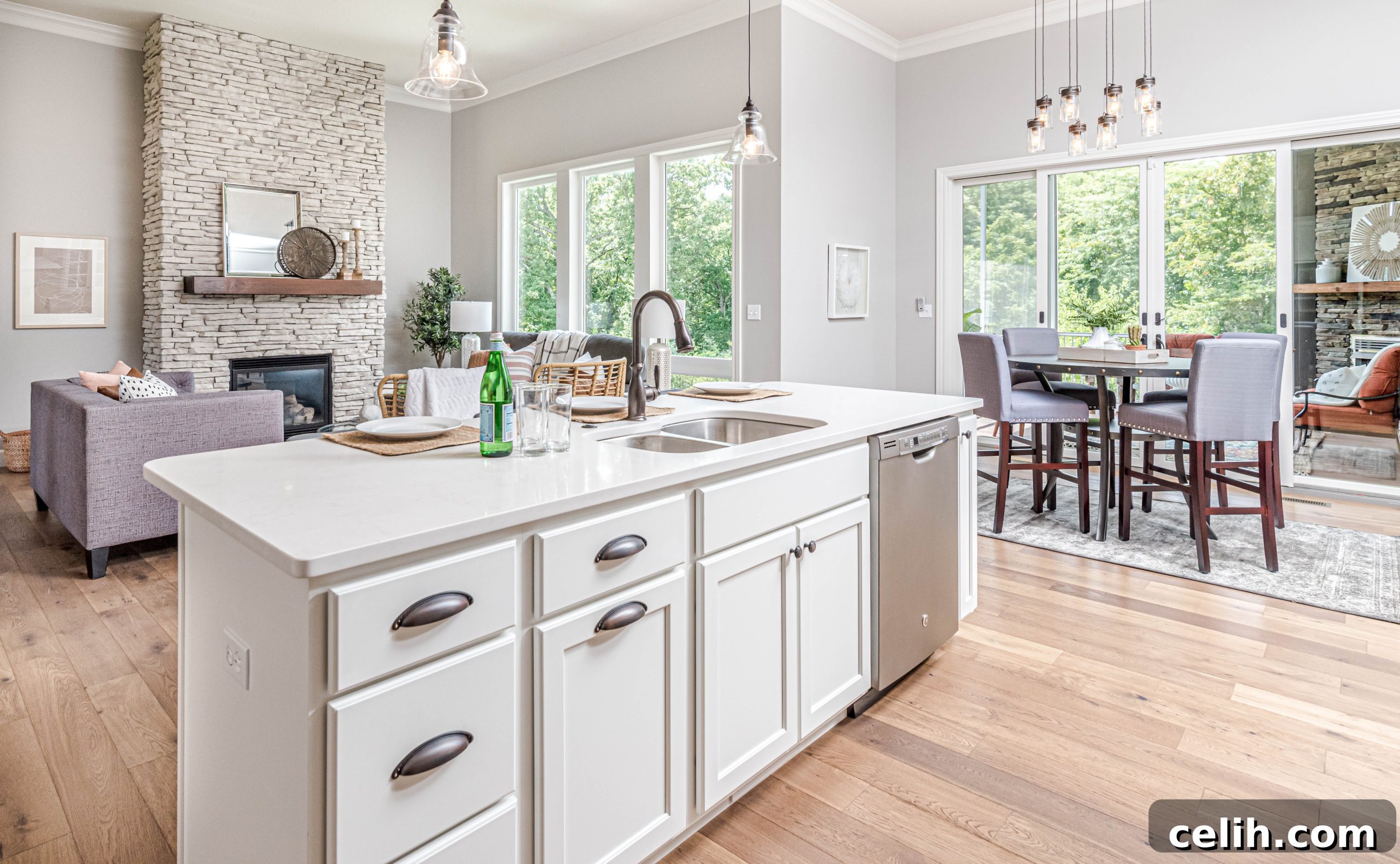
Creating a captivating and comfortable home environment is a journey that begins long before visitors arrive or a ‘for sale’ sign goes up. It’s about crafting a space that reflects beauty, functionality, and personal well-being. A crucial aspect of this process is interior design, which not only elevates your daily living experience but also plays a pivotal role in making a memorable first impression. Whether you’re aiming to impress guests, create a serene sanctuary for yourself, or maximize your home’s appeal to potential buyers, thoughtful design choices are paramount. Your home’s interior acts as its silent ambassador, communicating warmth, style, and meticulous care.
A home that is clean, well-lit, and aesthetically pleasing naturally draws people in. It speaks volumes about the care and attention invested in the property, creating an inviting atmosphere that can significantly influence perception and value. The following interior design strategies are carefully curated to help you enhance your home’s aesthetic appeal, boost its market value, and ensure it leaves a lasting, positive impression. By focusing on these key areas, you can transform your living space into an admired and desirable haven, ready to welcome visitors or facilitate a swift and successful sale.
1. Illuminate Your Space: The Power of Brightness
When it comes to interior design, lighting is often hailed as one of the most impactful elements, capable of transforming a mundane space into a magnificent one. A well-lit home feels inherently more welcoming, spacious, and inviting. It can significantly affect mood, energy levels, and even the perceived size of a room. Maximizing both natural and artificial light sources is key to achieving this radiant effect.
Harnessing Natural Light
Natural light is invaluable. It’s the purest form of illumination, making spaces feel open, airy, and connected to the outside world. To optimize natural light:
- Keep Windows Clear: Regularly clean your windows and glass doors to ensure maximum light penetration. Even a thin layer of grime can diminish brightness.
- Choose Appropriate Window Treatments: Opt for light, sheer curtains or blinds that can be easily pulled back during the day. Avoid heavy, dark drapes that block sunlight. If privacy is a concern, consider top-down/bottom-up blinds or frosted film.
- Strategic Mirror Placement: Position mirrors directly opposite or adjacent to windows. This clever trick bounces natural light deeper into the room, creating an illusion of larger, brighter space.
- Declutter Window Areas: Ensure window sills and areas around windows are free of obstructions.
Optimizing Artificial Lighting
While natural light is a gift, artificial lighting ensures your home remains bright and functional after sunset or on cloudy days. A layered lighting approach is most effective:
- Ambient Lighting: This is your general light source, like ceiling fixtures, recessed lights, or chandeliers, providing overall illumination.
- Task Lighting: Essential for specific activities, such as reading lamps by a sofa, under-cabinet lighting in the kitchen, or desk lamps in a home office.
- Accent Lighting: Used to highlight architectural features, artwork, or plants. Track lighting or wall sconces can add dramatic flair and depth.
Consider the color temperature of your bulbs. Warm white (2700K-3000K) creates a cozy, inviting atmosphere, ideal for living rooms and bedrooms, while cool white (3500K-5000K) is more energizing and suitable for kitchens, bathrooms, and home offices. Installing dimmers allows you to adjust the intensity of light, setting the perfect mood for any occasion.
The Importance of the Entryway
Your entryway is the first impression visitors get inside your home. It should be exceptionally bright, clean, and welcoming. Ensure it is free of clutter, well-lit, and adorned with thoughtful details. A small console table with a vase of fresh flowers, a vibrant potted plant, or a captivating piece of art can instantly elevate the space. A well-placed mirror in the entryway not only serves a functional purpose but also helps to reflect light and make the space feel larger. The goal throughout your home, but especially in the entry, is to cultivate a clear, bright, and genuinely welcoming ambiance that invites exploration and comfort.
2. Transform Your Walls: The Canvas of Your Home
Your walls are much more than mere structural elements; they are the largest canvases in your home, offering immense potential to define style, mood, and personality. Especially when preparing a home for sale, the condition and design of your walls can significantly influence a buyer’s perception. A strategic approach to wall decor can make or break your interior design, dictating whether a space feels fresh and expansive or dated and cramped.
Embracing Neutral Colors
The foundation of any successful wall design, particularly for broad appeal, lies in a neutral color palette. Shades of white, cream, beige, light gray, and greige offer a clean, sophisticated backdrop that makes rooms feel larger and brighter. These hues provide versatility, allowing potential buyers to easily envision their own furniture and decor within the space without feeling overwhelmed by a previous owner’s bold choices. Neutral walls also create a cohesive flow between rooms, contributing to a harmonious and unified home aesthetic. They allow your furnishings, artwork, and natural light to truly shine, rather than competing for attention.
The Art of Wall Decor and Hangings
Once your walls are beautifully painted, it’s time to bring them to life with art and decor. Wall art in interior design is not just about filling blank spaces; it’s about conveying thought, meaning, and personal taste, enhancing the overall atmosphere. Here’s how to approach it:
- Scale and Proportion: When choosing wall hangings, consider the size of the wall and the room. A single large piece can make a dramatic statement, while a thoughtfully curated gallery wall can add personality and depth. Avoid pieces that are too small and get lost, or too large and overwhelm the space.
- Creating a Gallery Wall: Combine various artworks, photographs, and even decorative mirrors to create a dynamic display. Mix different frames and styles for an eclectic look, or maintain uniformity for a more polished aesthetic. Ensure there’s a consistent theme or color palette to tie everything together.
- Beyond Paintings: Explore other forms of wall decor like tapestries, decorative mirrors, wall sculptures, or floating shelves displaying curated objects. Mirrors, in particular, are excellent for reflecting light and expanding the perceived size of a room.
- Curating Your Collection: Whether you opt for sophisticated canvas prints found online, original paintings, unique sculptures, or personal photographs, ensure each piece resonates with you and contributes positively to the room’s ambiance. Curating your own art collection allows you to infuse your home decor with color and interest without necessarily breaking your budget.
When hanging pieces, take a methodical approach. Start with one room, even one wall, and experiment with arrangements. The goal is to create visuals that are exciting in both form and content, either complementing or artfully contrasting with your chosen color scheme. Remember, clean lines and thoughtful placement contribute to an atmosphere that feels warm, welcoming, and sophisticated.
3. Elevate Essential Spaces: Kitchen and Bathroom Updates
While living rooms and bedrooms often receive ample attention, the kitchen and bathroom are frequently overlooked as areas ripe for an interior makeover. Yet, these two rooms are arguably the most critical spaces in a home, offering the highest return on investment and significantly influencing a buyer’s decision. A dated kitchen or bathroom can immediately deter potential buyers, whereas fresh, modernized versions can instantly elevate your property’s perceived value and desirability.
The Kitchen: The Heart of the Home
The kitchen is more than just a place to cook; it’s a hub for family gatherings, entertaining, and daily life. A bright, clean, and functional kitchen is a major selling point. If your kitchen hasn’t seen an update in several years, consider planning for a smooth home renovation project before listing your home. You don’t always need a full overhaul; even minor updates can make a significant difference:
- Cabinet Refresh: Instead of replacing entire cabinets, consider painting them a modern neutral color (white, light gray, or navy). Replace old hardware with sleek new pulls and knobs for an instant refresh.
- Countertops and Backsplash: If budget allows, upgrading countertops (e.g., to quartz or granite) and adding a stylish backsplash can dramatically change the kitchen’s look.
- Lighting: Improve lighting with under-cabinet LED strips, pendant lights over an island, or brighter ceiling fixtures.
- Appliances: While new appliances are a big investment, ensuring existing ones are spotlessly clean and in good working order is crucial. Even upgrading one key appliance, like the range or refrigerator, can have a big impact.
- Faucet Update: A modern, gleaming faucet can instantly make a sink area feel more current.
Focus on creating a kitchen that feels spacious, clean, and highly functional. Declutter countertops, organize pantries, and ensure all surfaces sparkle.
The Bathroom: A Sanctuary of Cleanliness
Bathrooms are another key area where even small improvements can yield impressive results. Buyers expect bathrooms to be pristine, functional, and aesthetically pleasing, often envisioning them as private sanctuaries. A fresh, clean bathroom makes a powerful statement. Here’s how to update yours:
- Fixture Upgrades: Replace outdated faucets, showerheads, and towel bars with modern, coordinated designs.
- Vanity Refresh: A new vanity or even just a fresh coat of paint and new hardware on an existing one can rejuvenate the space. Ensure the countertop is clean and free of damage.
- Tiling and Grout: Clean grout thoroughly; re-grouting can make old tiles look brand new. If tiles are severely outdated, consider budget-friendly options like peel-and-stick tiles for a quick fix, or professional re-tiling for a more significant upgrade.
- Lighting and Mirrors: Install brighter, more flattering lighting (avoiding harsh overhead lights) and a contemporary mirror.
- Fresh Paint: A fresh coat of light, moisture-resistant paint can brighten and sanitize the space.
- Declutter and Organize: Remove all personal items from countertops and shower caddies. Neatly arrange fresh towels and display minimal, high-quality bath products.
Both the kitchen and bathroom are pivotal rooms that can either enhance or diminish your home’s initial appeal. Investing time and resources into these areas ensures they contribute positively to that great first impression you desire, signaling a well-maintained and cared-for home.
4. Embrace Open Space Interior Design
One of the most fundamental principles in interior design, especially for contemporary living, is to maximize the feeling of space. Open-concept layouts have surged in popularity precisely because they address this desire, making homes feel larger, more connected, and highly versatile. This design philosophy is particularly beneficial for homes with modest square footage, as it skillfully blurs the boundaries between rooms, allowing light to flood into interconnected spaces and cultivating an irresistibly welcoming atmosphere.
Benefits of Open Space Design
- Enhanced Light Flow: Fewer walls mean fewer obstructions to natural light, allowing it to penetrate deeper into the home and creating a consistently bright environment.
- Increased Perceived Space: By eliminating physical barriers, rooms visually expand, making the entire home feel more airy and spacious than its actual footprint.
- Improved Social Interaction: Open layouts foster connectivity, allowing family members and guests to interact seamlessly across different functional areas, such as the kitchen, dining room, and living room. This is ideal for entertaining and family life.
- Flexibility and Versatility: Open spaces can be easily reconfigured with furniture arrangements to serve various functions, adapting to changing needs and lifestyles.
Implementing Open Space Concepts
If you’re considering opening up your home, there are several approaches you can take:
- Removing Walls: The most dramatic way to achieve an open plan is by removing non-load-bearing walls between adjacent rooms, such as connecting a kitchen to a dining room or a dining room to a living room. Always consult with a structural engineer or architect before removing any walls.
- Visual Continuity: Even without removing walls, you can create an open feel through visual continuity. Use the same flooring material throughout interconnected areas, and maintain a consistent color palette across walls and decor to create a seamless flow.
- Defining Zones: In an open plan, it’s crucial to define distinct functional zones without using walls. Area rugs are excellent for this, clearly delineating the living area from the dining area. Furniture placement, such as placing a sofa to back a dining space, can also subtly define zones.
- Minimalist Furniture: Opt for furniture pieces that are appropriately scaled for the space and avoid overly bulky items. Legs on furniture, as opposed to solid bases, can also contribute to an airy feel by allowing light and sightlines to pass underneath.
The Role of Decluttering
An open space design thrives on clarity and simplicity. Clutter is the enemy of spaciousness, especially in an open plan where there are fewer walls to hide things behind. Ensure these areas are meticulously decluttered and organized. Built-in shelving, discreet storage solutions, and multi-functional furniture can help keep things tidy and out of sight. Keeping these expansive areas clear of unnecessary items not only makes them feel larger but also enhances the overall sense of calm and order within your home. The less visual noise, the more the open design can truly breathe and impress.
5. Infuse Greenery: The Essence of Biophilic Design
Bringing the natural world into your home is a powerful interior design trend known as biophilic design, which focuses on connecting occupants with nature. Beyond mere decoration, incorporating greenery and natural elements offers significant benefits for both aesthetics and well-being. It’s a simple yet effective way to add life, color, and a sense of tranquility to any room.
Benefits of Indoor Plants and Natural Elements:
- Improved Air Quality: Many houseplants naturally filter toxins from the air, enhancing the oxygen levels and creating a healthier indoor environment.
- Stress Reduction and Mood Enhancement: Studies have shown that being surrounded by nature can reduce stress, lower blood pressure, and improve mood. A touch of green can make a home feel more peaceful and serene.
- Aesthetic Appeal: Plants add vibrant color, organic shapes, and texture, softening hard lines and bringing a dynamic element to your decor. They can serve as natural focal points and add a touch of sophistication.
- Connection to Nature: Especially for those living in urban environments, indoor plants provide a vital link to the outdoors, fostering a sense of calm and grounding.
How to Incorporate Greenery:
- Potted Plants: Choose a variety of plants that thrive indoors, considering light conditions and care requirements. Large floor plants can anchor a corner, while smaller potted plants can adorn shelves, coffee tables, or windowsills.
- Fresh Flowers: A vase of fresh flowers is an instant mood booster and adds a touch of luxury and freshness to any room, particularly in entryways, dining tables, or bathrooms.
- Herbs: For the kitchen, a small herb garden not only looks delightful but also provides fresh ingredients for cooking.
- Natural Materials: Extend the biophilic theme by incorporating natural materials in your decor. Think wooden furniture, stone accents, woven baskets, jute rugs, or linen textiles. These textures and materials add warmth and an earthy feel.
- Art with Nature Themes: Wall art featuring landscapes, botanicals, or natural patterns can complement your live plants and reinforce the connection to nature.
Integrating greenery is an accessible and impactful way to enhance your home’s interior, making it feel more alive, refreshing, and inviting. It signals a home that nurtures its inhabitants, a quality highly valued by both residents and potential buyers.
Endnote: The Lasting Impact of Thoughtful Design
Home interior design plays an essential role not just in beautifying your living space, but in fundamentally shaping the experience within it. It is the art and science of transforming a house into an attractive, functional, and deeply comfortable home. This intricate process can significantly impact first impressions, especially when you are showcasing your property to others, whether they are guests or prospective buyers.
Potential buyers meticulously observe every detail of a home’s interior, from the overall aesthetic and decorative choices to the meticulousness of its upkeep. A well-designed interior speaks volumes about the care and attention invested in the property, suggesting a home that has been cherished and maintained. Conversely, a neglected or poorly designed interior can quickly deter interest, conveying a sense of deferred maintenance or a lack of personal investment.
Therefore, it is paramount to approach home presentation with intentionality and precision. Avoiding any shortcuts when it comes to how you present your home to others is crucial. Each design decision, from the choice of lighting and wall colors to the arrangement of furniture and the selection of decor, contributes to a cohesive narrative about your home. By embracing the principles of brightness, thoughtful wall design, updated kitchens and bathrooms, open spaces, and the refreshing touch of greenery, you are not merely decorating; you are investing in the comfort, functionality, and inherent value of your home. A beautifully designed home is a reflection of a well-lived life, making it not only a joy to inhabit but also an undeniable asset in the competitive real estate market.