
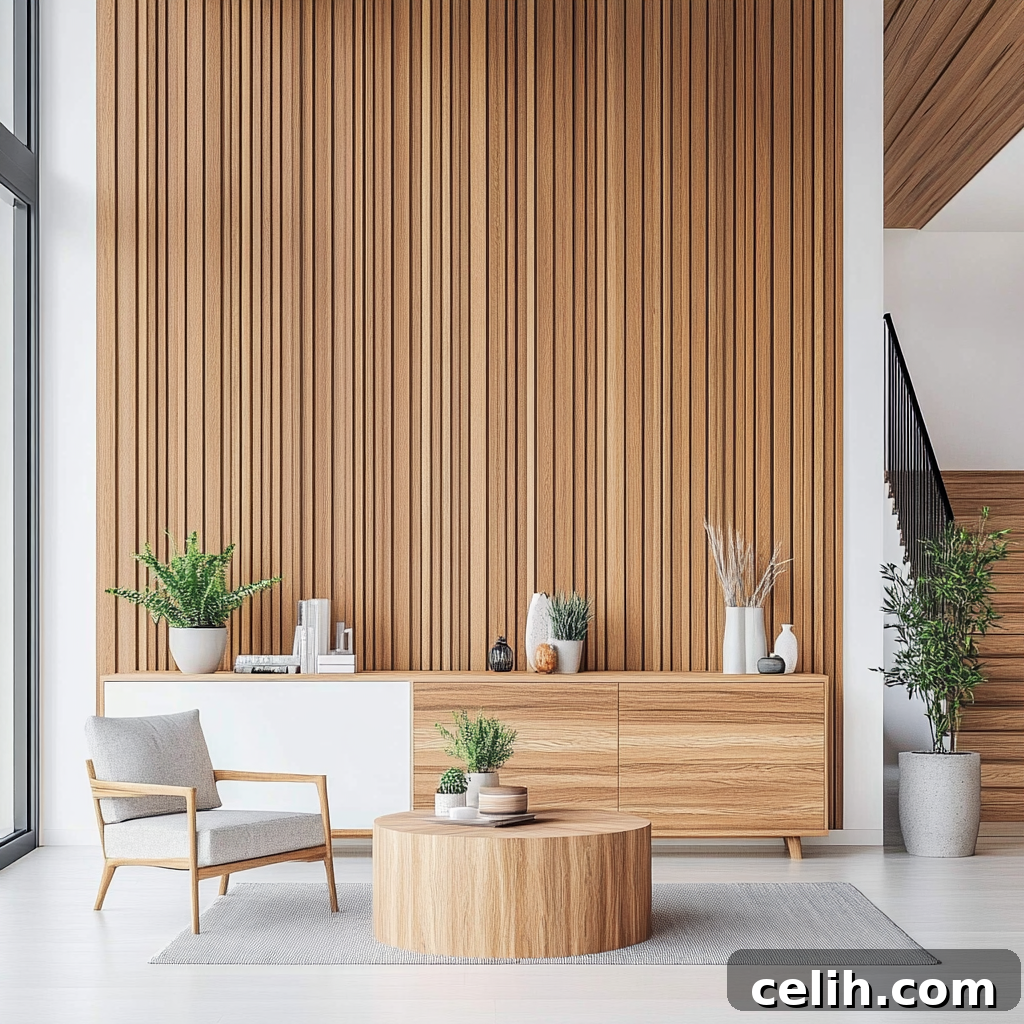
In the realm of interior design, creating a truly comfortable and inviting home goes beyond mere aesthetics; it’s about seamlessly blending form with function to craft spaces that resonate with their inhabitants. One of the most powerful yet often underestimated tools for achieving this harmonious balance is the thoughtful integration of texture. When applied with intention, texture can transform a room, making it more visually appealing, enhancing daily usability, and even influencing mood and perception. It adds a multi-sensensory dimension, inviting touch and creating a richer, more dynamic environment. From the smooth coolness of stone to the soft warmth of fabric, textures play a pivotal role in defining atmosphere, creating focal points, and subtly expanding the perceived spaciousness of a room. This article delves into the art of mixing textures and explores various innovative strategies to elevate your home’s comfort and style through intentional design choices.
Enhance Serenity with Acoustic Wall Panels
Modern living often comes with its unique set of challenges, not least of which is managing noise in increasingly busy households. With the rise of multi-generational living arrangements and the growing number of remote professionals working from home, noise transfer has become a significant concern. The constant hum of household activities, conversations, and even everyday sounds can disrupt concentration, diminish privacy, and detract from the overall peace of a home. For those whose living space doubles as an office, unchecked noise can severely impact productivity and mental well-being, turning a sanctuary into a source of stress.
A sophisticated and highly effective solution lies in the implementation of acoustic art panels. These innovative panels are designed to add significant sound-absorbing mass to your walls, transforming noisy environments into tranquil havens. Beyond their primary function, they achieve an impressive Noise Reduction Coefficient (NRC) of up to .95 with as little as 15-25% wall coverage, making them an incredibly efficient tool for sound management. But their benefits extend far beyond acoustics. These sound-absorbing wall panels are available in an extensive range of attractive styles, colors, and designs, seamlessly blending into any interior design theme. They can serve as striking decorative elements, adding visual texture and depth, or be discreetly integrated to enhance the aesthetics of a room while delivering exceptional sound control. Incorporating them not only creates a quieter, more focused environment but also contributes to a refined and functional aesthetic, making your home a more comfortable and productive space for everyone.
Master the Art of Space Definition in Open Layouts
The open-concept interior remains a cornerstone of contemporary home design, celebrated for its inherent versatility, fluid aesthetic, and impressive energy efficiency. By minimizing physical barriers, these layouts foster a sense of expansive space, encourage social interaction, and allow natural light to permeate deeper into the home. However, without careful planning and execution, the very openness that defines these spaces can sometimes lead to a feeling of being vast and undefined, resembling an empty box rather than a cohesive, comfortable home.
Strategic design choices are crucial to harnessing the full potential of open layouts. While light-colored walls are generally favored for their ability to reflect sunlight and enhance the perception of spaciousness, the placement of furniture is equally vital. Avoid pushing all furniture against the walls; instead, float pieces within the room to create distinct zones and natural pathways. A well-placed sectional sofa, for instance, can act as a natural anchor, defining the living area and providing a smooth transition to adjacent spaces like the dining room or kitchen. The 360-degree access around such pieces contributes to a luxurious and inviting feel, making the space more dynamic and less rigid.
Furthermore, consider integrating decorative screen panels, stylish bookshelves, or other types of demountable partitions. These elements offer flexible solutions for delineating space without creating complete visual or physical barriers that detract from the desired flowing aesthetic. From elegant slatted wood dividers that allow light to filter through, to chic metal screens that add an industrial touch, these design elements introduce architectural interest and a layer of privacy without sacrificing the open feel. Area rugs are another simple yet effective tool, visually grounding furniture groupings and clearly marking different functional zones within a larger space. By employing these techniques, open interiors can transform from potentially cavernous rooms into a series of interconnected, intentionally designed, and highly functional living areas.
Elevate Your Kitchen with Creative Countertop Choices
The kitchen countertop has undergone a remarkable evolution over the decades, transitioning from a purely utilitarian surface primarily confined to the cook space’s perimeter to a central focal point in modern, open-concept living. Today, the kitchen island, often adorned with a stunning countertop, serves as the architectural and social anchor, seamlessly tying together the kitchen with adjacent dining and living areas. This evolution highlights the countertop’s critical role in both functionality and aesthetic appeal.
For many years, natural stones like marble and granite have been the preferred surfaces, revered for their timeless elegance, unique veining, and the bold, luxurious texture they impart. Marble, with its classic appeal and sophisticated patterns, instantly elevates any kitchen, while granite offers unparalleled durability and a vast array of intricate natural patterns. However, the exquisite beauty of these natural materials often comes with specific maintenance requirements, demanding regular cleaning and sealing to prevent staining and etching, which can be a consideration for busy homeowners.
Consequently, there’s a growing trend towards lower-maintenance, yet equally stylish, alternatives. Engineered quartz, a highly durable and non-porous material, offers consistent patterns and an extensive palette of colors, making it incredibly versatile for various design schemes. It mimics the look of natural stone without the high maintenance. Similarly, recycled glass countertops present a sustainable and visually captivating option. These innovative surfaces can be custom-fabricated in a wide array of colors and designs, often featuring a unique sparkle and depth that enhance the ambiance of any kitchen. Their inherent durability, resistance to stains, and minimal maintenance requirements make them excellent alternatives for homeowners who prioritize both aesthetic appeal and environmental responsibility. Beyond these, materials like concrete, butcher block, and stainless steel also offer unique textures and design opportunities, allowing homeowners to truly personalize their kitchen space and align it with their lifestyle and sustainability goals.
Integrate the Calming Essence of Biophilic Design
In our increasingly urbanized world, the desire to reconnect with nature has permeated interior design, giving rise to biophilic features. This design philosophy, rooted in the innate human connection to the natural world, is not just a trend but a powerful strategy for enhancing mental well-being, reducing stress, and infusing visual depth and vitality into any property. By consciously bringing elements of the outdoors in, homes can transform into calming sanctuaries that promote health and happiness.
The simplest yet most impactful biophilic intervention is maximizing natural light. Large windows and strategically placed skylights blur the lines between interior and exterior, creating a transitional feel and allowing ample sunlight to flood the space. This natural illumination positively impacts mood and circadian rhythms. Complementing this, carefully placed plants throughout the interior infuse a dose of nature, improving air quality, adding vibrant green textures, and providing a focal point for the eyes. From large potted trees to delicate hanging ferns, the variety of plant life can significantly enhance a room’s aesthetic and air quality.
Beyond living elements, incorporating natural materials is key. Consider accent walls clad in textured stone, which offers a tactile, earthy feel, or expose architectural elements like wooden ceiling beams to celebrate the raw beauty of timber. Materials such as cork, bamboo, and natural fibers in textiles further contribute to this organic ambiance, introducing subtle textures and warm tones. Even features like small indoor water elements can add a soothing auditory dimension. By thoughtfully weaving these natural elements into the home, biophilic design creates spaces that are not only beautiful but also deeply comforting and restorative, fostering a profound connection to the natural world within your everyday environment.
Leverage Accent Lighting to Create Mood and Depth
Illumination is far more than just a means to see; it is a critical element in interior design that shapes perception, establishes mood, and creates a sense of depth and spaciousness within a home. While abundant natural daylighting is often prioritized for its ability to create a bright, uplifting ambiance and set the overall tone for an interior, the strategic deployment of more subtle accent lighting can make an equally significant, if not more nuanced, impact.
Accent lighting is designed to highlight specific features, add visual interest, and layer a room with varied levels of light, preventing a flat, uninteresting look. Consider the transformative power of backlit accent walls featuring intricate geometric designs; these not only serve as a striking focal point but also emit a soft, diffused glow that adds a sophisticated texture to the space. For safety and style, lighted handrail options for staircases and lofts provide essential guidance while contributing to a contemporary aesthetic. In more intimate areas like restrooms, discreet LED lighting strips can be integrated beneath vanities, around mirrors, or within shower niches to enhance a spa-like atmosphere, offering both functional light and a touch of luxurious comfort.
Other creative uses for accent lighting include strategic spotlights to illuminate artwork or architectural details, under-cabinet lighting in kitchens to brighten task areas and showcase backsplashes, and even toe-kick lighting for a subtle, ethereal glow. Dimmers on all lighting fixtures allow for precise control over intensity, enabling homeowners to adjust the ambiance to suit any occasion or mood. By thoughtfully incorporating these small lighting details, accent lighting plays a pivotal role in creating a multi-layered, visually engaging, and ultimately more comfortable home environment.
Define the Perimeter for Enhanced Curb Appeal and Security
The perimeter of a property extends far beyond its functional role of establishing safety and security; it plays a crucial aesthetic role, serving as one of the most effective means of enhancing the visual depth and overall curb appeal of a home. A well-defined boundary acts as a welcoming frame, drawing the eye and bringing the property into clear, intentional focus. It communicates care, attention to detail, and a sense of completeness, significantly impacting the first impression a home makes.
The choice of fencing material and design is paramount in achieving this cohesive look. Trending options offer both style and practical benefits. Modern white picket fences, especially those incorporating low-maintenance vinyl fence gates, offer a timeless charm with contemporary durability, outlining the property with a crisp, inviting demarcation. For a more minimalist or rural aesthetic, low-profile hog wire fencing provides an unobtrusive barrier that allows for expansive views, blending seamlessly with natural landscapes while still clearly defining the property line. Conversely, black wrought iron fencing offers an elegant, sophisticated, and robust solution, providing both security and a classic design statement that can be customized with intricate scrollwork to match the home’s architectural style.
Beyond these popular choices, other materials like stone walls, composite fencing, or even living hedges can contribute to the property’s character. The key is to select a fencing material that complements the home’s architecture and the surrounding landscape, ensuring a harmonious transition from the public street to the private dwelling. A thoughtfully designed perimeter not only enhances security and privacy but also significantly boosts the property’s aesthetic value, creating a sense of completeness and intentional design that elevates the entire home’s appeal.
Embrace Stunning Texture and Intentional Design for an Unparalleled Home Experience
At its core, exceptional home design is an intricate dance between functionality and aesthetic beauty. It’s about crafting spaces that not only serve our practical needs but also nourish our souls, inviting us to relax, connect, and thrive. The careful and creative deployment of texture stands as one of the most potent design tools to achieve this duality, transforming ordinary rooms into extraordinary experiences. From the tactile comfort of a plush rug to the visual drama of a stone accent wall, texture adds layers of interest, depth, and personality to every corner of your home, making it truly your own.
Throughout this exploration, we’ve uncovered how various elements, from the practical application of acoustic wall panels to the luxurious touch of creative kitchen countertops, and from the calming embrace of biophilic features to the mood-setting power of accent lighting, all contribute to a more comfortable and visually rich living environment. Each choice, whether defining the perimeter of your property or subtly breaking up an open space, is an opportunity to infuse your home with intention and character. By considering these ideas, you can create a residence that is not just a dwelling, but a sanctuary—a place where every texture tells a story, every light casts a welcoming glow, and every space is designed for ultimate comfort and functionality.
For more of the latest interior design trends, innovative home improvement ideas, and endless inspiration to transform your living spaces, explore the comprehensive resources at Fresh Design Blog today! Let your design journey begin.
Author Bio:
Article contributed by Natalie Akins, a freelance writer that loves sharing her knowledge and expertise in interior design and remodeling. She also has a background in the Hospitality and Real Estate Industry. She lives in her hometown of Austin, Texas where she enjoys spending time with her husband and decorating with her children. Natalie’s work as a freelance writer can be found on Building Product Advisor, a new construction industry resource site.