
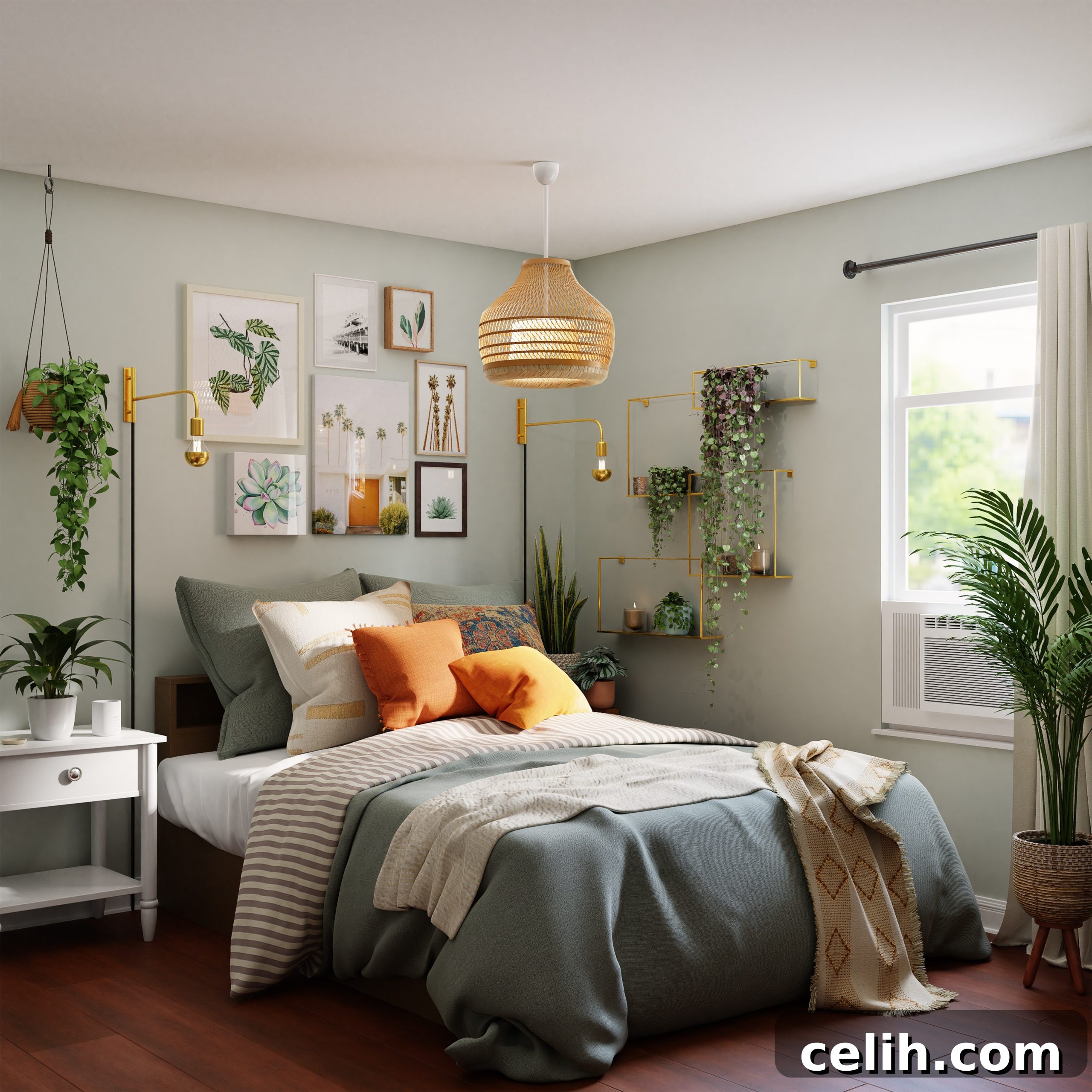
Your bedroom is more than just a place to sleep; it’s your personal sanctuary, a private haven where you unwind, recharge, and find peace after the demands of a long day. Naturally, you desire this intimate space to be as comfortable, inviting, and functional as possible. However, if you live in a small home or apartment, you might find that your compact bedroom quickly starts to feel cramped, cluttered, or even claustrophobic, rather than the serene escape you envisioned. This common challenge can leave you feeling frustrated, diminishing the very comfort you seek.
But don’t despair! Transforming a small bedroom into a spacious and comfortable retreat doesn’t require extensive renovations or a huge budget. With a bit of creative thinking, some clever DIY projects, and strategic design choices, you can make simple yet impactful adjustments that will dramatically enhance the feel and functionality of your space. These transformations are often easier and more affordable than you might imagine, proving that even the coziest of rooms can become a true haven. Here are ten ingenious DIY ideas to help you instantly elevate your small bedroom’s comfort and appeal.
Opt for a Lighter Colour Scheme
One of the most effective and fundamental ways to make a small bedroom feel more expansive and airy is by embracing a lighter colour palette. Darker hues tend to absorb light, making walls appear to close in and creating a heavy, sometimes oppressive atmosphere. Conversely, bright and light colours, particularly shades of white, cream, pale grey, or soft pastels, reflect natural and artificial light, visually pushing the walls outwards. This creates an illusion of greater space and an overall brighter, more open ambiance.
White, in particular, is a timeless choice known for its ability to make any room feel clean, crisp, and significantly larger. If you’re concerned about your bedroom feeling too sterile or clinical, there are easy ways to introduce warmth and personality. Incorporate varying textures through textiles like rugs, throws, and pillows. Add pops of vibrant or soothing colours through decorative accents, artwork, furniture, or indoor plants. These elements will break up the monochromatic scheme, adding depth and character without sacrificing the expansive feel. A light colour scheme serves as a perfect, versatile backdrop for any decorating style, making your small bedroom feel effortlessly chic and wonderfully spacious.
Customise Your Comfort with a DIY Mattress
The ultimate DIY project for any bedroom seeking maximum comfort is creating your own mattress. Think about it: who knows your comfort needs better than you do? By building your own mattress, you gain the unique opportunity to customise every aspect, from the firmness and support layers to the overall feel, ensuring it perfectly aligns with your individual preferences. This bespoke approach can address specific sleep issues, back pain, or simply deliver the precise level of plushness or support you desire, leading to truly restorative sleep.
There’s an abundance of comprehensive DIY mattress ideas and tutorials available online, guiding you through material selection and assembly. You can experiment with various foam densities, latex layers, or even hybrid designs to construct the mattress of your dreams. As an added bonus, consider personalising your creation with a patterned fabric cover for a touch of unique style. Beyond the mattress, elevate your sleep sanctuary further by investing in a weighted blanket. These therapeutic blankets are celebrated for their calming pressure, which can significantly reduce anxiety and stress, promoting deeper and more consistent sleep. When paired with your custom-built mattress, a weighted blanket creates an unparalleled cocoon of comfort, transforming your bed into an irresistible haven.
Embrace Flexibility with Temporary Wallpaper
If you’re hesitant about committing to a new paint colour or crave the dynamic visual interest of a pattern without the permanence, temporary wallpaper is an outstanding DIY solution. It’s an ideal choice for renters or those who love to frequently refresh their decor. Unlike traditional wallpaper, temporary options are designed for easy application and removal, requiring minimal expertise and offering a commitment-free way to transform your walls.
You can choose to cover an entire room for a dramatic effect or create an eye-catching accent wall to introduce pattern and texture without overwhelming a small space. The process is straightforward: select a pattern that complements your desired aesthetic, accurately measure the wall area you intend to cover, and purchase slightly more wallpaper than needed to account for any trimming errors or pattern matching. A significant advantage of temporary wallpaper is its non-permanent nature. This means you can effortlessly switch up your room’s look whenever you tire of the current design, keeping your bedroom fresh and exciting. Moreover, applying temporary wallpaper can be a fun and engaging group activity; invite friends over, put on some music, and turn it into a memorable DIY project, adding an extra layer of enjoyment to your home improvement efforts.
Optimise Space with Creative Furniture Placement
In a small bedroom, furniture placement is paramount. A common pitfall is allowing furniture to haphazardly consume valuable floor space, quickly making the room feel cluttered and smaller than it actually is. Instead, adopt a strategic and creative approach to arranging your furnishings, aiming to maximise both functionality and the perception of space. Think vertically and horizontally to open up the room.
For instance, rather than defaulting to placing your bed against the longest wall or directly under a window, experiment with different orientations. Sometimes, positioning the bed against a shorter wall or even in a corner can free up crucial floor space and improve the flow of the room. Additionally, choose furniture that serves multiple purposes or has a compact footprint. Opt for beds with integrated storage drawers or hydraulic lifts beneath the mattress, eliminating the need for bulky dressers. Floating shelves are an excellent alternative to traditional nightstands or bookshelves, as they keep the floor clear, creating an uncluttered and expansive feel. By thinking outside the box with your furniture arrangement, you can transform a cramped bedroom into a surprisingly open and efficient living area, making every inch count.
Design a Custom Rug for Added Coziness
Hardwood or laminate floors, while stylish, can sometimes make a room feel a bit cold or echoey. Introducing a rug is an excellent way to instantly inject warmth, texture, and a sense of coziness into your bedroom. Stepping out of bed onto a soft, plush surface instead of a chilly floor provides an undeniable comfort that elevates your morning routine. Rugs also help define distinct zones within a small space and absorb sound, contributing to a quieter, more serene environment.
For an extra layer of texture and visual interest, consider layering rugs. A larger, neutral rug can provide the base, while a smaller, patterned or textured rug can be placed on top to add a focal point. What makes this idea even better is the option to DIY your rug. Crafting your own rug allows you to choose the exact size, shape, colour, and material to perfectly complement your decor. Numerous online tutorials provide step-by-step instructions for various rug-making techniques, from weaving and braiding to tufting. The materials for a DIY rug are often surprisingly affordable, making this a cost-effective alternative to purchasing a pre-made rug, which can often run into hundreds of pounds. This personal touch not only saves money but also adds a unique, handcrafted element to your bedroom.
Master Your Ambiance with Adjustable Lighting
Lighting plays a pivotal role in setting the mood and comfort level of any room, especially a small bedroom. Harsh overhead lighting can often feel jarring and unwelcoming, making the space less relaxing. To cultivate a truly comfortable and intimate atmosphere, we highly recommend incorporating dimmer lighting options that allow you to control the intensity and warmth of your room’s glow. This flexibility means you can brighten the room for tasks like reading or getting ready, and then soften it for unwinding before sleep.
There are countless ways to enhance and improve the lighting in your room. Instead of relying solely on a single ceiling fixture, introduce multiple light sources at different levels. Table lamps on nightstands, floor lamps in corners, and wall-mounted sconces can all contribute to layered lighting. Installing dimmer switches on these fixtures grants you instant control over the room’s brightness. For a charming and budget-friendly DIY project, consider customising string lights. Wrap them with natural jute, decorative fabric, or other inexpensive materials to create unique, ambient lighting that doubles as decor. These can provide a soft, enchanting glow, potentially even eliminating the need for a separate night light. If time is a constraint, smart bulbs offer a convenient alternative, allowing you to adjust brightness, colour temperature, and even schedule lighting scenes directly from your smartphone, providing ultimate customisation for your bedroom’s ambiance.
Streamline Your Space by Ditching the Traditional Headboard
In a small bedroom, every design choice should contribute to creating a sense of openness and reducing visual clutter. Traditional, bulky headboards, while often beautiful, can unfortunately consume valuable space and make a compact room feel even smaller and more confined. Their substantial presence can overpower the bed itself and visually shrink the wall behind it, diminishing the perception of spaciousness.
To achieve a more expansive and contemporary aesthetic, consider ditching the heavy headboard altogether. This minimalist approach instantly lightens the visual load, making the bed area feel more open and uncluttered. If you still desire some form of headrest or a decorative element, opt for a narrow, upholstered panel that extends just a foot or so above your pillows. These streamlined options offer comfort and style without imposing on the room’s dimensions. Alternatively, embrace a chic, minimalistic vibe by simply letting the wall serve as your headboard. You can enhance this look by painting a contrasting colour block directly behind the bed, creating a subtle, artistic focal point without adding physical bulk. This strategic design choice contributes significantly to a more relaxed, airy, and visually spacious bedroom environment.
Enhance Style and Sleep with Curtains Instead of Blinds
While blinds are undeniably efficient at blocking out light and providing privacy, they often fall short in adding warmth, texture, or personality to a bedroom. Their rigid lines and utilitarian appearance can sometimes make a space feel stark or generic. For a small bedroom, where every element contributes to the overall ambiance, choosing curtains or drapes over blinds can make a remarkable difference in both style and comfort.
Curtains introduce softness, movement, and a crucial layer of texture that can instantly make a room feel more inviting and elegant. They offer a fantastic opportunity to infuse colour, pattern, and design flair into your personal space, reflecting your unique taste. Beyond aesthetics, curtains provide practical benefits that directly impact your comfort. Depending on their thickness and material, many curtains, particularly blackout drapes, are exceptionally effective at blocking out unwanted light, creating a darker, more conducive environment for a deeper and more restful night’s sleep. They can also offer an extra layer of insulation, helping to regulate room temperature and reduce outside noise. By extending curtains from ceiling to floor, you can also create the illusion of taller windows and higher ceilings, making a small room appear more grand and spacious.
Infuse Vibrancy by Adding a Pop of Colour to Your Bed
If your bedroom, especially one designed with a lighter colour scheme, feels a bit too neutral or lacking in visual energy, your bed offers the perfect canvas for introducing a vibrant pop of colour. As the undisputed focal point of any bedroom, your bed naturally draws the eye, making it an ideal place to inject personality and tie the entire room’s aesthetic together. This simple, cost-effective trick can dramatically enhance the room’s appeal without overwhelming the space.
Start by selecting brightly coloured throw cushions or pillows in shades that complement your existing decor or introduce a contrasting accent. Mix and match textures and patterns for added visual interest. Then, take it a step further with a colourful or intricately patterned comforter, duvet cover, or a decorative throw. This instantly adds a dramatic flair and transforms your bed into a statement piece. The strategic placement of colour on your bed draws attention to this central element, making the room feel more cohesive and intentionally designed. It’s an easy way to refresh your space, allowing you to experiment with different moods and styles simply by changing out your bedding accessories, making your small bedroom feel dynamic and wonderfully inviting.
Elevate Your Space and Wellbeing with Indoor Plants
Having a small room is absolutely no reason to shy away from incorporating indoor plants into your decor. In fact, plants are invaluable additions, especially in compact spaces, as they offer a multitude of benefits that extend far beyond mere decoration. Indoor plants are known to significantly reduce stress levels, boost mood, purify the air, and even increase productivity and overall well-being. Their natural presence brings a touch of the outdoors in, creating a calming and refreshing atmosphere crucial for a comfortable bedroom.
The key to integrating plants into a small room is smart placement. You don’t need large, floor-standing specimens to reap the benefits. Consider opting for smaller, tabletop plants that can adorn your nightstand, dresser, or floating shelves. Hanging pots are an ingenious space-saving solution, keeping plants out of the way while adding a beautiful vertical element and a decorative touch. Wall-mounted planters are another excellent option, freeing up surface space. Before bringing any new greenery into your bedroom, it’s essential to do a little research. Ensure you select plants that are safe for indoor environments, especially if you have pets or small children. Many resources can help you identify safe and non-toxic plants that thrive indoors. With a bit of mindful selection and placement, indoor plants can transform your small bedroom into a vibrant, serene, and healthier retreat.
In conclusion, your bedroom is much more than just four walls; it is your ultimate sanctuary, a place where comfort and tranquility are paramount. Transforming a small bedroom into a spacious and inviting haven doesn’t require a complete overhaul or a large budget. By embracing smart DIY solutions and thoughtful design choices, you can dramatically enhance the ambiance and functionality of your personal space. Whether you opt for a refreshing lighter colour scheme that visually expands the room, add a luxurious DIY rug for plush comfort, or install dimmer lighting to create a soothing atmosphere, each adjustment contributes to a more comfortable and personalised environment.
Following any of these ten ingenious DIY ideas will empower you to customise your space to your exact liking, turning potential challenges into opportunities for creative expression. From clever furniture placement and the choice of stylish curtains to the vibrant pops of colour on your bed and the calming presence of indoor plants, every element works together to craft a truly unique retreat. With a dash of creativity, a sprinkle of effort, and these practical tips, you can cultivate a bedroom so incredibly comfortable and aesthetically pleasing that you’ll find yourself never wanting to leave!
Featured image credit: Photo by Spacejoy on Unsplash