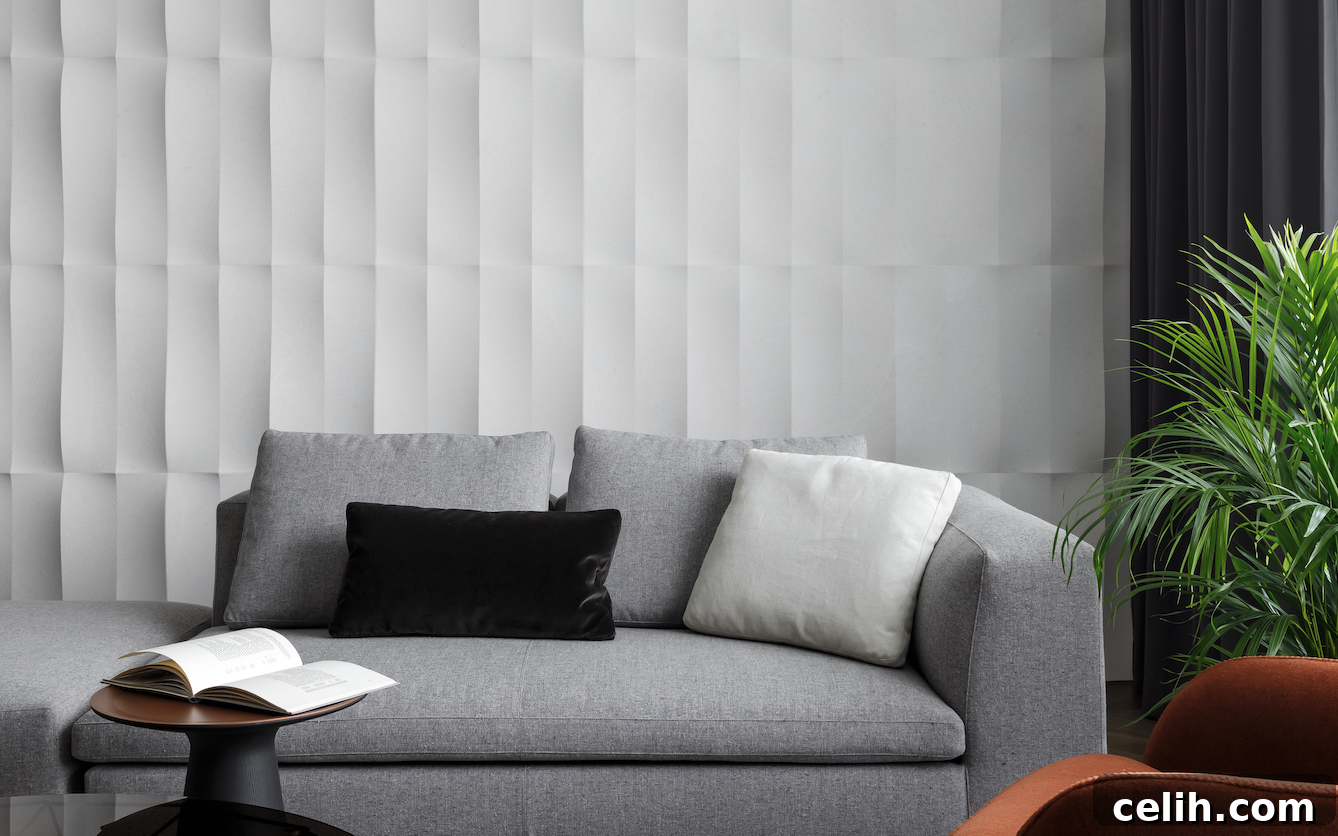
For decades marble’s role in homes was predictable: kitchen countertops, bathroom floors or a fireplace surround. That pattern is shifting. In the most striking contemporary interiors, marble is moving onto the walls—not as a modest accent but as the defining element of a room. Large-scale sculptural panels, three-dimensional textures and even backlit stone surfaces transform plain walls into focal statements. If you’re planning a standout space, marble wallcoverings deserve serious consideration. This trend signals a broader change in luxury residential design: instead of layering bold furniture or loud colours, designers increasingly let a single material set the tone. Marble, when reworked into textured or illuminated wall systems, does that exceptionally well.
Lithos Design: the Italian company redefining marble
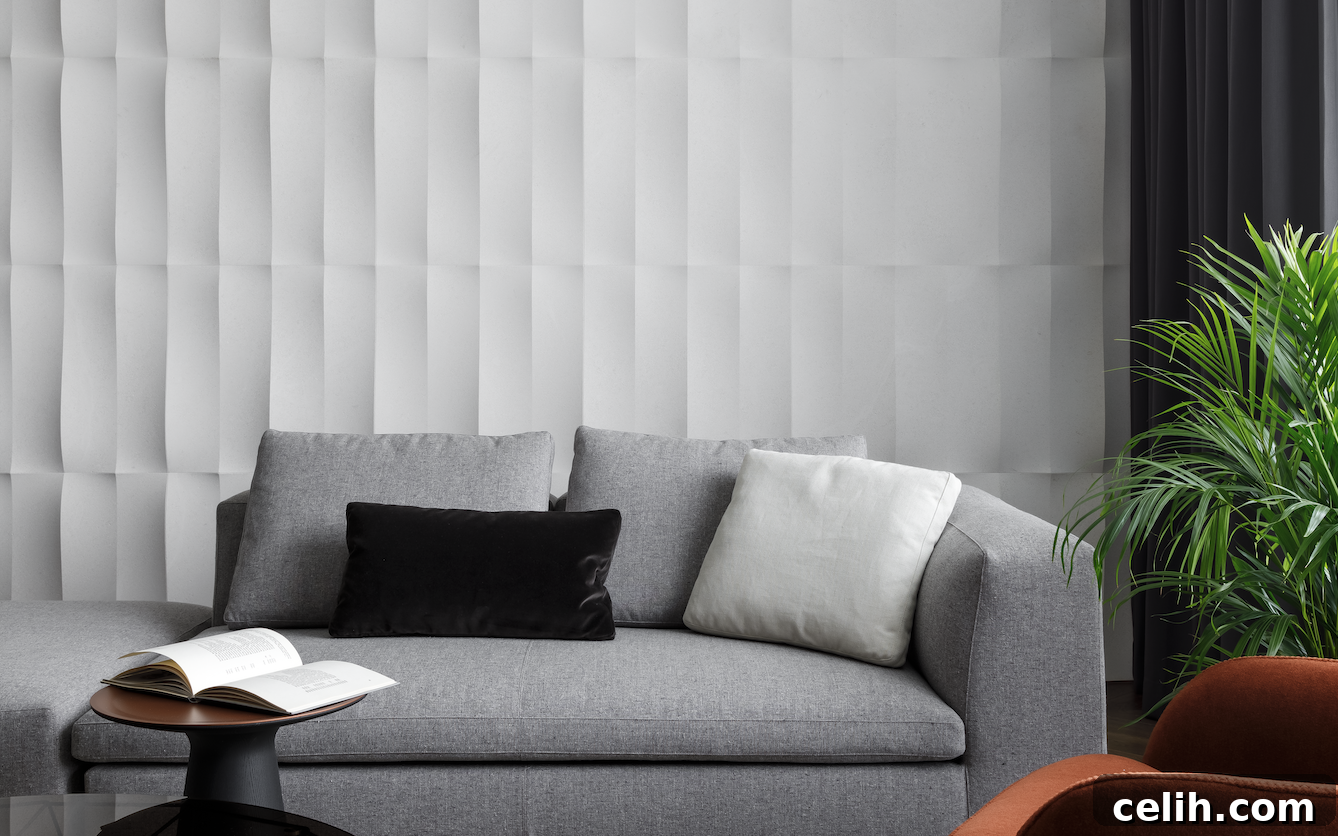
Much of this evolution is driven by Italian manufacturers who treat marble as both a natural and industrial material. Companies like Lithos Design have developed production techniques that carve, fold and illuminate stone at scales that once felt impractical, while preserving marble’s inherent character. The result is a new generation of sculptural wallcoverings and modular backlit panels that combine traditional stonecraft with modern industrial processes—produced with the precision and finish expected in high-end interiors.
From floors to feature walls: marble as a statement, not just a surface
Historically, marble was prized for its polished surfaces and association with luxury flooring and countertops. Now designers are reimagining it as a three-dimensional design element. Contemporary marble wallcovering collections explore carving, pleating and layering to create depth and relief. These walls read more like sculpture than conventional cladding.
Depth matters: a textured marble wall interacts with light, changing appearance throughout the day as sunlight shifts. Where flat slabs read as mere surface, sculpted panels behave like living architecture—shifting tone, shadow and perception. For architects and interior designers working on bespoke residential projects, that capacity to create a dynamic, considered backdrop without relying on additional ornamentation is what elevates a space from merely expensive to thoughtfully designed.
Sculptural textures that catch the light
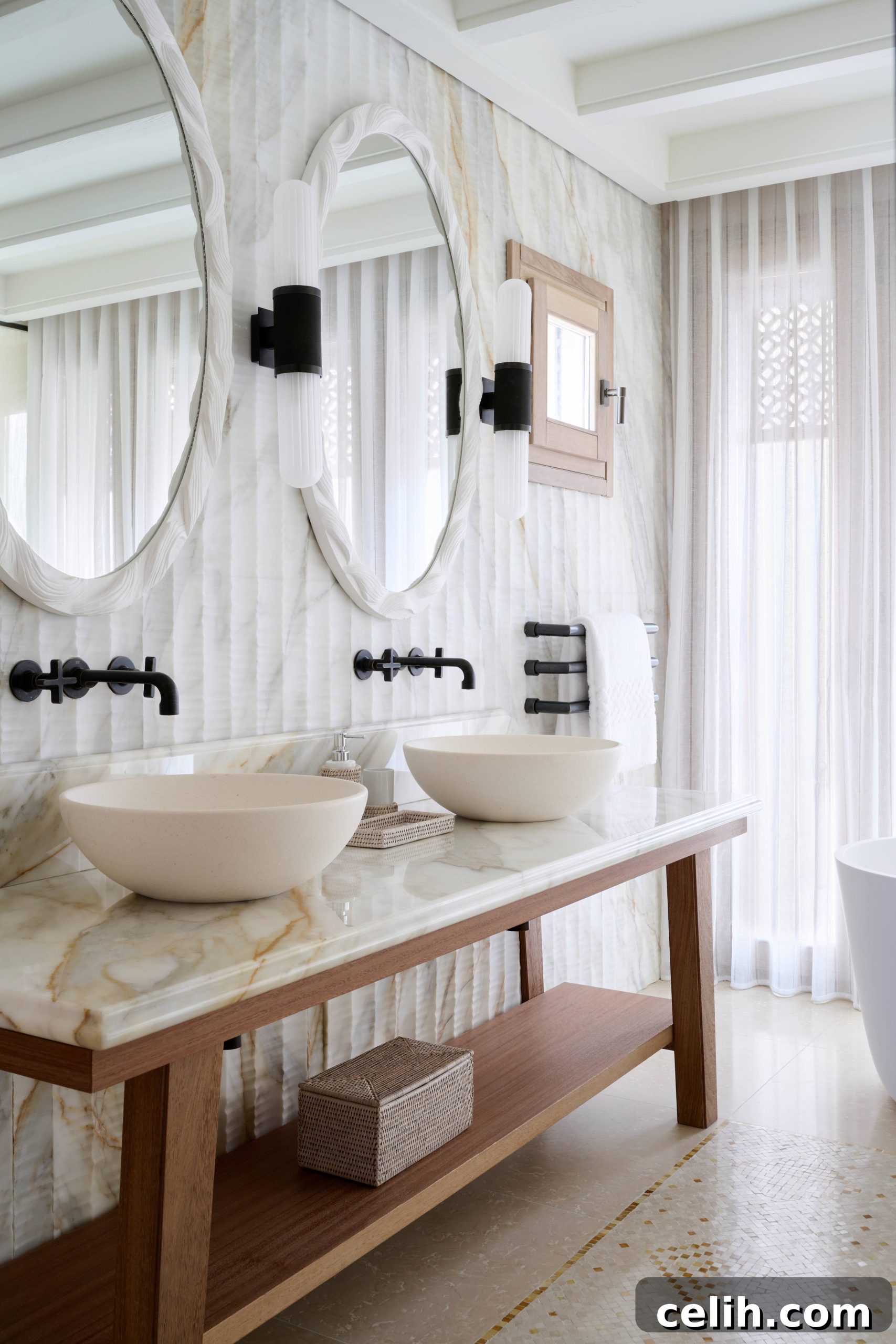
The most successful marble wallcoverings play with light and shadow as much as they do with colour and pattern. Wavy, pleated and geometric reliefs introduce a rhythm across the wall: ridges catch daylight from one viewpoint and sink into shadow from another, so the surface never looks identical twice. In effect, the wall itself becomes the room’s primary artwork—an anchor that feels calm and neutral in tone but rich in tactile interest.
This approach works particularly well in entrance halls, principal bedrooms and formal living spaces, where a single textured wall can carry the entire design scheme and remove the need for extra decorative layers. There is also a practical benefit: because the texture is carved from stone rather than applied as paint or wallpaper, a sculpted marble wall generally ages gracefully and maintains its presence beyond passing trends.
When marble glows: backlit stone as the ultimate statement wall
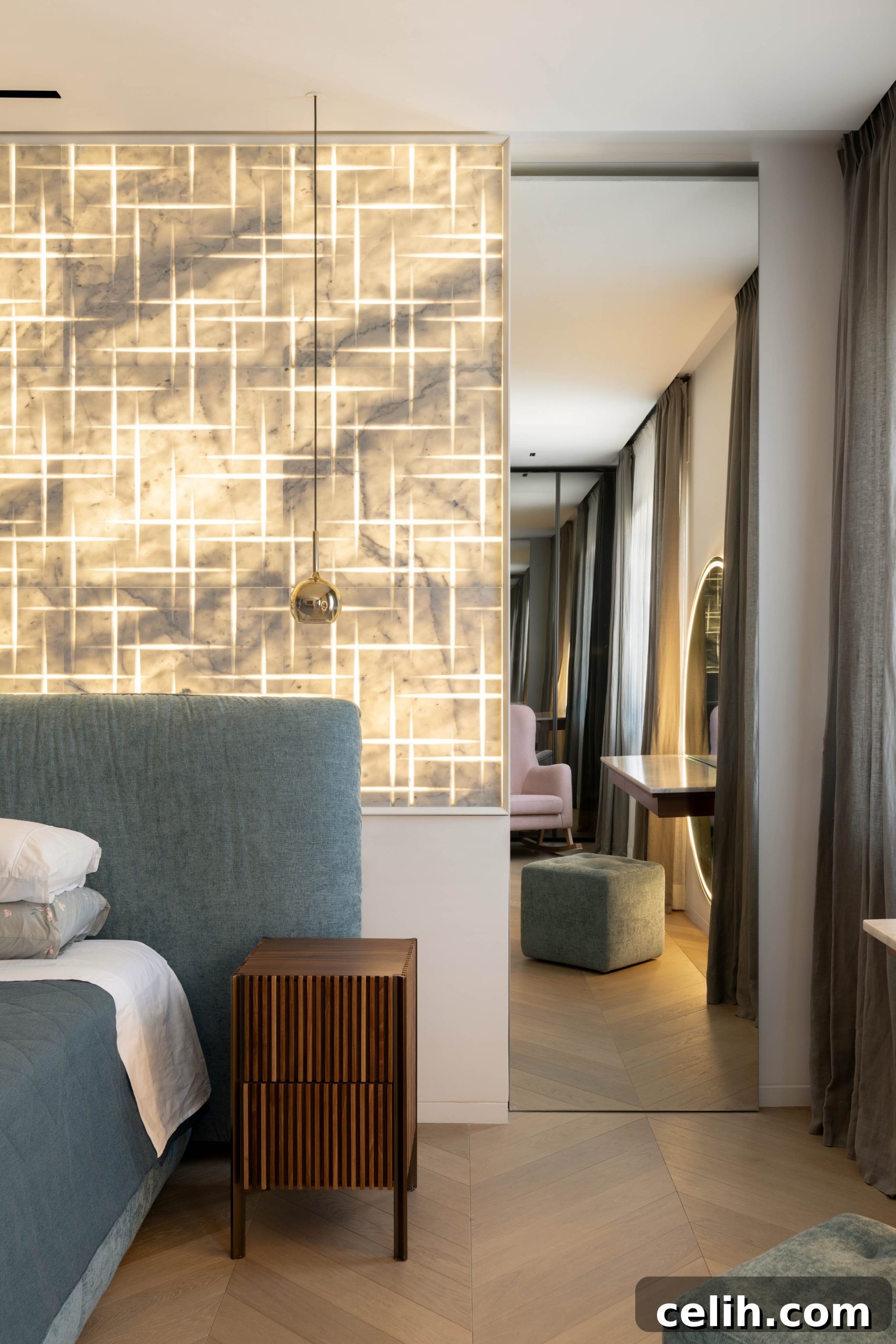
Backlit marble walls intensify the idea of marble as a centerpiece. Some marbles are naturally translucent; when engineered as modular panels for illumination, light can pass through the stone’s veining and crystalline structure. The effect is quietly dramatic: off, the panel reads as a refined textured surface; on, it becomes a soft, ambient light source with the stone’s natural patterns glowing from within.
This technique is especially effective in private spas, principal suites and impressive entrance halls, where a single illuminated wall can establish atmosphere without relying on additional fixtures. Because backlit systems combine material and lighting, they’re best considered early in the design process so panel dimensions, marble type and illumination strategy are coordinated rather than retrofitted.
Where this kind of statement works best
Not every interior needs this level of drama, but certain rooms benefit more than others:
● Entrance halls, where a striking first impression sets expectations for the rest of the home.
● Principal bedrooms, where a textured or backlit headboard wall provides a focal point in place of art or pattern.
● Home spas and bathrooms, where the tactile, natural quality of stone supports a calm, wellness-focused atmosphere.
● Formal living and dining rooms, where a single sculptural wall anchors a minimal scheme and provides visual weight without clutter.
In each of these spaces, a single well-executed marble wall can replace multiple smaller design moves, streamlining the palette while strengthening the overall composition.
A material worth building a room around
Marble has long carried architectural gravitas, but its new applications—sculptural wallcoverings and backlit panels—give it a bolder, more central role in interiors. Whether you select a deeply textured panel that alters with the light of day or a translucent wall that glows softly at night, the result is a space that feels intentional, tactile and unmistakably premium.
Beyond aesthetics, marble offers durability and a sense of permanence: when sourced and fabricated responsibly, it endures beyond a single décor cycle. For any project that aims to make a lasting statement, marble walls demonstrate that this classic material still has fresh, contemporary possibilities.