
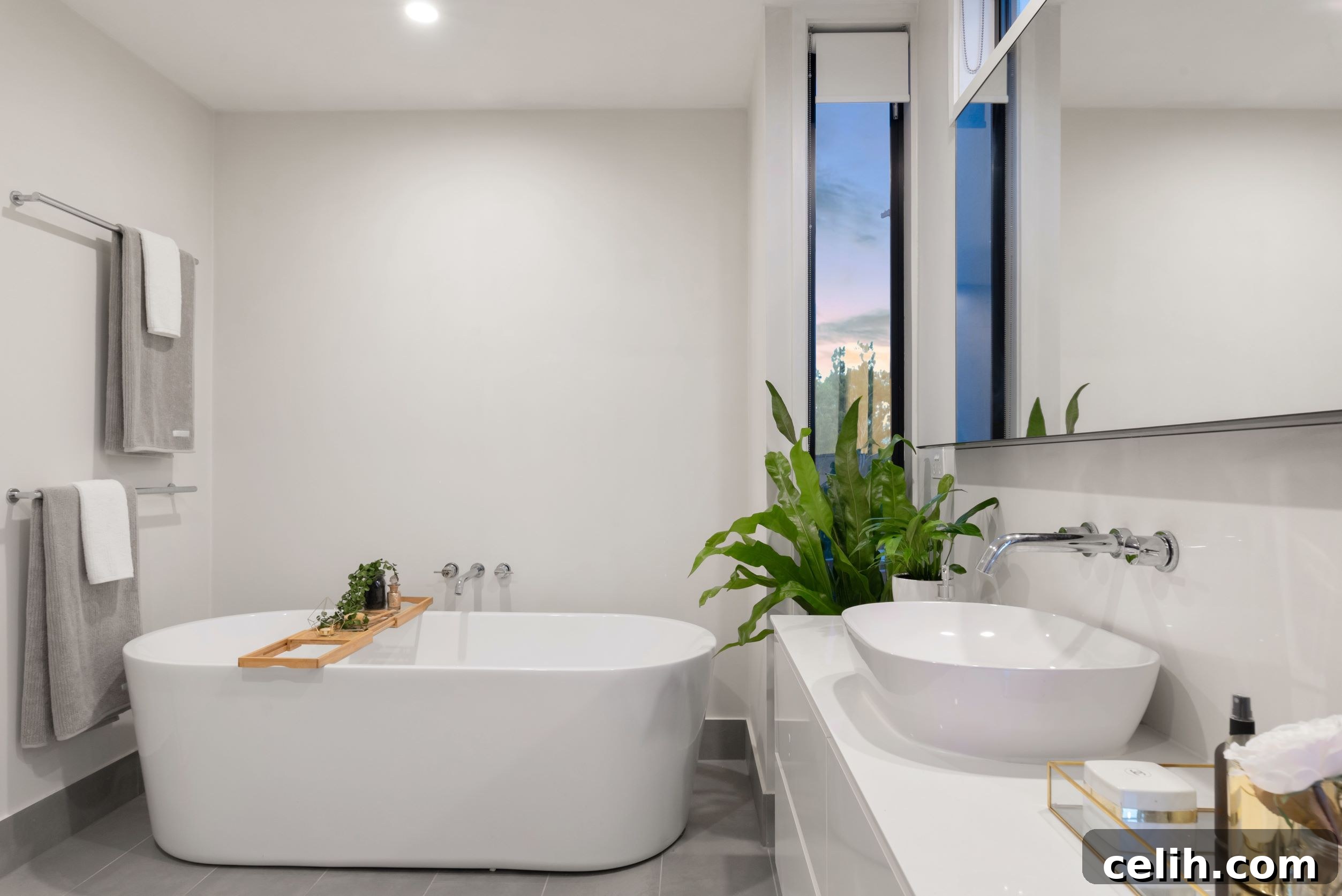
Is your bathroom yearning for a transformation? A thoughtfully designed and expertly renovated bathroom is much more than just a functional space; it’s a significant asset to your home, offering a multitude of benefits that extend far beyond mere aesthetics. Investing in a high-quality bathroom remodel not only elevates your home’s overall visual appeal but can also substantially increase its market value. This makes your property more attractive to potential buyers should you decide to sell in the future, providing an excellent return on investment. Beyond the financial advantages, a revitalized bathroom offers a personal sanctuary, a space where you can unwind, refresh, and start or end your day feeling invigorated. If you’re eager to unlock these benefits and create the bathroom of your dreams but feel overwhelmed about where to begin, this comprehensive guide provides essential tips and a clear roadmap to help you navigate your bathroom renovation journey with confidence.
Set a Realistic and Comprehensive Budget for Your Bathroom Remodel
While establishing a budget might not be the most glamorous aspect of a bathroom renovation, it is unequivocally the most critical step. Determining how much you are prepared to invest in your bathroom transformation sets the foundation for every subsequent decision. Without a clear financial framework, you risk overspending, encountering unexpected debt, or compromising on quality due to insufficient funds. A well-defined budget ensures that your vision for a perfect bathroom aligns with your financial capabilities.
Understanding Bathroom Remodel Costs
Begin by researching the average costs associated with various aspects of bathroom renovation in your area. This includes materials like tiles, fixtures (toilet, sink, shower/bathtub), vanity units, lighting, and accessories, as well as labor costs for plumbers, electricians, tilers, and general contractors. Obtain multiple quotes for similar products and services to get a realistic understanding of the market rates.
Key Budget Components to Consider:
- Fixtures and Fittings: This includes the toilet, sink, faucet, showerhead, bathtub (if applicable), and any other permanent fixtures. Prices can vary dramatically based on brand, material, and features.
- Vanity and Storage: Consider the cost of a new vanity, medicine cabinet, shelving, or custom storage solutions.
- Flooring and Walls: Tiles are a popular choice, but factor in the cost of the tiles themselves, adhesive, grout, and professional installation. If repainting, include paint and supplies.
- Plumbing: Any changes to the layout of your bathroom will likely involve moving plumbing lines, which can be a significant expense. Even replacing existing fixtures may require some plumbing work.
- Electrical: Upgrading lighting, adding new outlets, or installing an exhaust fan all fall under electrical work.
- Demolition: The cost of removing old fixtures, tiles, and debris.
- Labor Costs: The fees charged by skilled tradespeople for their work. This often constitutes a substantial portion of the budget.
- Contingency Fund: Always allocate an additional 10-20% of your total budget for unforeseen issues, such as discovering mold, water damage, or outdated wiring once demolition begins. This buffer is crucial for preventing stress and keeping the project on track financially.
Prioritizing Your Spending
Once you have a general idea of costs, prioritize what aspects of the renovation are most important to you. Decide where you are willing to splurge (e.g., a luxurious freestanding tub) and where you can save (e.g., opting for more affordable tiles or a DIY paint job). This strategic allocation of funds ensures that your budget supports your most desired outcomes. Shopping for your new bathroom with a defined budget will not only help you stay within your price range but also simplify the selection process by narrowing down your options, making the experience more efficient and less overwhelming.
Get Inspired and Define Your Dream Bathroom Style
One of the most enjoyable phases of a bathroom remodel is gathering inspiration and envisioning the perfect aesthetic for your updated space. This creative process allows you to explore different styles, color palettes, and material choices, ultimately shaping the finished look of your new bathroom. By investing time in this step, you’ll develop a clear vision that will guide your product selections and design decisions.
Where to Find Inspiration:
- Online Platforms: Websites like Pinterest, Houzz, and Instagram are invaluable resources. Create digital mood boards to save images of bathrooms, fixtures, and design elements that appeal to you.
- Design Magazines and Blogs: Flip through interior design publications for professional insights and trending styles.
- Showrooms and Home Improvement Stores: Visit local bathroom showrooms to see fixtures, tiles, and vanities in person. This allows you to experience materials and layouts firsthand.
- Open Houses and Hotels: Pay attention to bathroom designs in newly renovated homes or upscale hotels – they often showcase innovative ideas.
Key Elements to Consider During Inspiration Gathering:
- Overall Style: Do you prefer a modern, minimalist, traditional, farmhouse, industrial, or spa-like retreat? Let this overarching style guide your choices.
- Color Scheme: How do colors influence the mood and perception of space? Light colors can make a small bathroom feel larger, while darker tones create a more intimate, luxurious atmosphere.
- Layout and Functionality: Think about how you use your bathroom daily. Does the current layout work, or could it be improved for better flow and efficiency? Consider traffic patterns and accessibility.
- Fixtures: Research different types of bathtubs (freestanding, built-in, jetted), showers (walk-in, rainfall heads, multi-function), sinks (pedestal, vessel, integrated), and toilets (wall-mounted, dual-flush).
- Materials: Explore options for tiles (ceramic, porcelain, natural stone, mosaic), countertops (quartz, granite, marble), and flooring (waterproof vinyl, laminate). Consider durability, maintenance, and aesthetic appeal.
- Lighting: A combination of ambient, task, and accent lighting can transform a bathroom. Think about vanity lighting for grooming, overhead lighting for general illumination, and dimmer switches for creating a relaxing ambiance.
- Storage Solutions: Evaluate different vanities for the bathroom, medicine cabinets, open shelving, and built-in niches to ensure ample and organized storage.
- Personal Touches: How can you infuse your personality? Consider adding greenery, artwork, luxurious textiles, or unique hardware.
By creating a detailed mood board or collection of ideas, you will soon have a comprehensive picture of how you would like your finished bathroom to look and feel. This clarity will empower you to confidently start shopping for the perfect products and materials, bringing your dream bathroom into reality with purpose and style.
Finding and Vetting the Best Tradespeople for Your Bathroom Renovation
A successful bathroom remodel hinges significantly on the quality of the professionals you hire. A bathroom renovation often requires a team of specialized contractors, each playing a crucial role in bringing your vision to life. From the intricate work of plumbers and electricians to the precision of tilers and cabinet installers, finding the right tradespeople is essential for ensuring the project is completed to the highest standards of safety, quality, and durability.
Identifying the Right Professionals:
- General Contractor: For larger, more complex remodels, a general contractor can oversee the entire project, coordinating all the different trades, managing timelines, and handling permits.
- Plumber: Essential for installing new fixtures, relocating pipes, and ensuring proper water supply and drainage.
- Electrician: Needed for updating lighting, installing new outlets, heated floors, or exhaust fans, ensuring all electrical work meets safety codes.
- Tiler: Specializes in preparing surfaces and laying tiles for floors and walls with precision and artistry.
- Carpenter/Cabinet Maker: If you’re installing custom cabinetry or require specific woodworking, a carpenter will be necessary.
- Painter: For the finishing touches on walls and ceilings.
How to Find Reputable Tradespeople:
- Personal Referrals: Ask friends, family, neighbors, or real estate agents for recommendations. A personal endorsement often comes with a level of trust.
- Online Reviews and Directories: Platforms like Google, Yelp, Houzz, and local trade association websites can provide valuable insights into contractors’ reputations, customer service, and quality of work.
- Showroom Recommendations: Local bathroom showrooms often have lists of trusted installers they work with regularly.
Vetting Your Contractors: A Checklist:
- Verify Licenses and Insurance: This is non-negotiable. Ensure all contractors are licensed and bonded in your area and carry liability insurance to protect you in case of accidents or damage.
- Check Experience and Specialization: Look for contractors with specific experience in bathroom remodels. Ask to see a portfolio of their previous work to assess the quality and style.
- Request References: Contact previous clients to inquire about their experience with the contractor, including communication, adherence to budget and timeline, and overall satisfaction.
- Obtain Detailed Quotes: Get at least three itemized quotes that clearly outline the scope of work, materials included, labor costs, and payment schedule. Be wary of significantly low bids, as they might indicate cut corners.
- Assess Communication: Pay attention to how quickly and clearly they communicate. Good communication is vital for a smooth project.
- Review the Contract: Ensure a comprehensive contract is in place, detailing the project scope, timeline, payment schedule, warranties, and dispute resolution process. Never pay the full amount upfront.
- Discuss Availability and Timeline: Your bathroom remodel will likely involve a sequence of tasks, where some elements depend on others being completed first. Thoroughly discuss the estimated timelines for each phase of work and the availability of the tradespeople. Understanding the project schedule is paramount to avoid unnecessary delays and prolonged periods without a functioning bathroom.
Choosing the right team is an investment in the quality and longevity of your new bathroom. Taking the time to thoroughly vet your contractors will ensure that your project is completed professionally and to the highest possible standard.
Getting the Project Started and Managing Progress Towards Your Dream Bathroom
With your budget set, design vision clear, and the best tradespeople secured, you’re now poised to commence the exciting phase of getting your bathroom renovation project underway. This stage brings you ever closer to enjoying your perfect bathroom. Effective project management and consistent communication are key to a smooth and timely execution.
Pre-Construction Preparation:
- Finalize All Details: Before any demolition begins, ensure all design choices, material selections, and fixture orders are confirmed. Delays in material delivery can significantly impact your timeline.
- Permits: Confirm that all necessary permits have been obtained by your contractor. This is crucial for compliance with local building codes and for the safety and legality of your renovation.
- Clear the Space: Remove all personal items, décor, and anything that isn’t permanent from the bathroom. Consider protecting adjacent areas of your home from dust and debris with plastic sheeting and drop cloths.
- Prepare for Disruption: Understand that you will be without a fully functional bathroom for a period. Plan alternatives for showering and using facilities, perhaps using another bathroom in the house or making arrangements with neighbors if necessary.
Managing the Renovation Process:
- Regular Communication: Establish a communication schedule with your general contractor or lead tradesperson. Regular check-ins (daily, every few days, or weekly, depending on project pace) are vital to discuss progress, address any emerging issues, and confirm upcoming tasks.
- Monitor Progress: While you’ve hired professionals, it’s still your project. Keep a watchful eye on the work being done. Ensure that milestones are met according to the agreed-upon schedule and that the quality of work aligns with your expectations and the contract. Don’t hesitate to ask questions if something doesn’t look right or if you have concerns.
- Quality Control: Pay attention to the details. Are tiles laid evenly? Are fixtures installed correctly and securely? Is the painting neat? Address any imperfections or concerns promptly with your contractor so they can be rectified before the work progresses further.
- Handle Unexpected Challenges: Renovation projects, especially in older homes, can sometimes uncover unforeseen issues like outdated wiring, plumbing leaks, or structural problems. Be prepared for these potential roadblocks and work collaboratively with your contractor to find solutions, understand their impact on the budget and timeline, and make informed decisions.
- Keep Records: Maintain a file with all contracts, invoices, change orders, and communications. This documentation can be invaluable if any disputes arise or for warranty purposes.
The Finish Line:
Once the construction work is largely complete, your contractor will typically conduct a “punch list” walkthrough with you. This is your opportunity to meticulously inspect every detail of the new bathroom and identify any final touch-ups, adjustments, or minor repairs that need to be made before final payment. Do not rush this step; take your time to ensure everything meets your satisfaction.
Monitoring the progress of your bathroom makeover diligently from start to finish ensures that it stays on track, minimizing delays and guaranteeing that your beautiful new bathroom will be ready for you to enjoy in no time. The moment you step into your perfectly renovated, functional, and aesthetically pleasing bathroom, you’ll know that every bit of planning and effort was truly worth it.