
In 2026, the trend of growing your own fruit at home has blossomed far beyond a simple pastime for UK gardeners. It has transformed into a highly practical, sustainable, and immensely rewarding endeavour, empowering individuals to savour the freshest produce while optimising every inch of their outdoor space. Whether you tend to a compact urban balcony, a modest suburban garden, or a sprawling rural plot, the opportunities for cultivating delicious fruits have never been more accessible or diverse.
However, with the abundance of choices available, a pertinent question frequently arises: which fruit plants should you prioritise? Is it best to invest in the prolific charm of raspberry plants, the swift gratification of strawberry plants, or the enduring legacy of traditional fruit trees? This comprehensive guide delves into the distinct advantages and considerations of each option, meticulously designed to assist UK gardeners in making informed decisions based on their specific space limitations, desired maintenance levels, yield expectations, and long-term gardening aspirations.
The Ultimate UK Gardener’s Guide: Raspberry Plants, Strawberry Plants, or Fruit Trees?
Why Homegrown Fruit Plants Are Thriving in UK Gardens Right Now
The remarkable surge in popularity of fruit gardening across the United Kingdom can be attributed to several convergent societal and environmental trends, reflecting a deeper desire for self-sufficiency and healthier living:
- Rising Interest in Sustainable Living: A growing awareness of climate change and environmental impact has spurred many to adopt more eco-conscious lifestyles. Growing fruit at home significantly reduces food miles, minimises carbon footprint associated with transportation, and lessens reliance on industrial agriculture. It fosters a direct connection to nature and promotes local ecosystems.
- Increasing Food Costs and Supply Concerns: Economic pressures and occasional disruptions to global supply chains have made fresh produce increasingly expensive and, at times, less readily available. Cultivating your own fruit offers a practical solution, providing a consistent supply of delicious, nutrient-rich food directly from your garden, effectively hedging against rising supermarket prices.
- Demand for Chemical-Free, Fresh Produce: Consumers are increasingly scrutinising the origins and treatments of their food. Homegrown fruit guarantees produce free from unwanted pesticides and artificial ripening agents, offering peace of mind and superior flavour and nutritional value that often surpasses store-bought alternatives.
- Improved Plant Varieties Suited to UK Climates: Horticultural advancements have played a pivotal role. Modern fruit plant varieties are specifically bred for resilience, adaptability to diverse UK soil types and weather conditions, and enhanced disease resistance. This means greater success for gardeners of all experience levels, even those new to cultivating fruit.
Thanks to these innovations, contemporary fruit plants are not only more robust against common diseases but also deliver higher yields with less effort, making them exceptionally forgiving and rewarding for both seasoned and novice gardeners alike.
Why Raspberry Plants Are an Exceptional Choice for UK Gardens
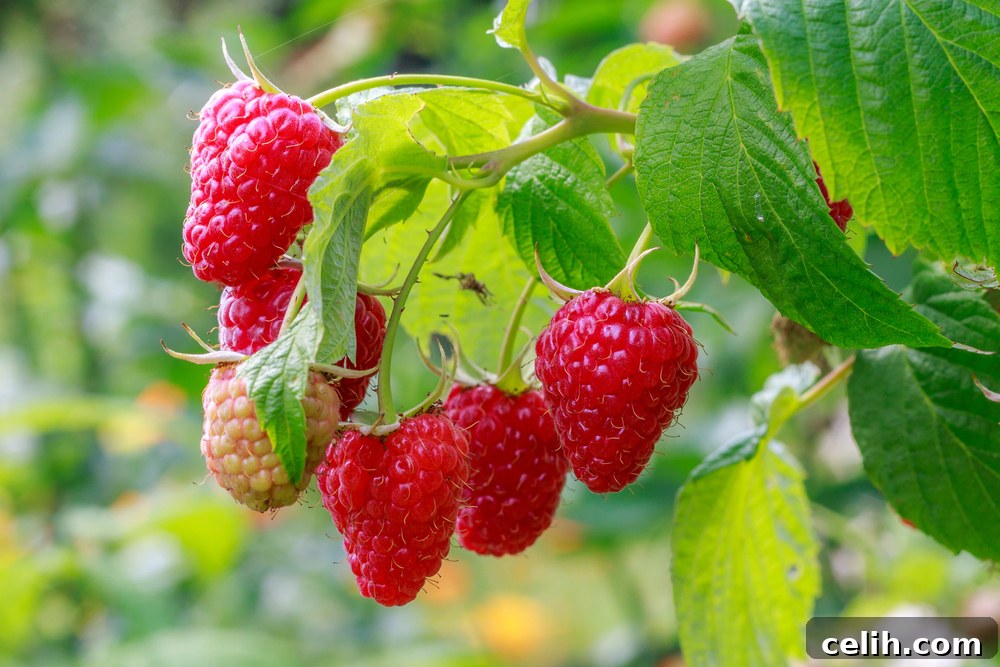
Raspberry plants stand out as one of the most straightforward and productive soft fruits for cultivation in the UK. Their natural affinity for temperate climates means they can consistently deliver abundant harvests year after year, often requiring surprisingly minimal intervention once established.
The Distinct Advantages of Choosing Raspberry Plants
Opting for raspberry plants brings a multitude of benefits to any UK garden:
- High Yields from Relatively Small Spaces: Despite their potential for vigorous growth, raspberries can be trained to produce an impressive quantity of fruit even in confined areas, making them efficient space-fillers.
- Perennial Growth for Annual Production: Once planted, raspberry canes are perennial, meaning they will return each year, providing a reliable and continuous source of fruit for a decade or more without the need for replanting.
- Versatile Planting Options: They are highly adaptable, thriving equally well in dedicated borders, raised beds, or even large containers, offering flexibility for various garden layouts.
- Diverse Varieties for Extended Harvests: Gardeners can choose between summer-fruiting varieties, which produce a concentrated crop in early to mid-summer, and autumn-fruiting (or ‘primocane’) varieties, which bear fruit from late summer into autumn, effectively extending your fresh fruit season.
A significant advantage for eager gardeners is their rapid establishment; many raspberry plants begin producing fruit within their very first growing season, offering almost instant gratification.
For those ready to start, a wide range of high-quality raspberry plants perfectly suited for diverse UK garden conditions can be explored.
Are Raspberry Plants Truly Low-Maintenance?
Indeed, raspberries are generally considered a low-maintenance crop once they have successfully established their root systems. The primary care requirements are manageable and contribute significantly to their long-term health and productivity:
- Optimal Growing Conditions: They prefer well-drained soil rich in organic matter and a location that receives ample sunlight, ideally six to eight hours per day.
- Annual Pruning for Vitality: Regular pruning is crucial to encourage healthy new growth and maximise fruit production. The specific technique varies between summer and autumn-fruiting types. Summer-fruiting raspberries are pruned after harvest, removing old canes, while autumn-fruiting varieties are typically cut back completely in late winter, making them particularly beginner-friendly.
- Simple Support Systems: Raspberry canes benefit greatly from simple support structures like sturdy canes, wires stretched between posts, or a trellis to keep them upright, prevent disease, and make harvesting easier.
Autumn-fruiting raspberries, such as ‘Autumn Bliss’ or ‘Polka’, are often recommended for beginners due to their straightforward pruning regime, requiring only one annual cut-back to ground level in late winter, simplifying their care immensely.
Strawberry Plants: The Ultimate Choice for Small Gardens and Containers
Strawberries continue to reign as one of the most beloved soft fruits in the UK, a status they have earned for very good reason. Their compact growth habit, rapid establishment, and impressive yields make them an unparalleled choice for gardeners contending with limited space, including those relying on patios, balconies, or small urban plots.
The Multifaceted Benefits of Strawberry Plants
Strawberry plants are celebrated for their remarkable versatility and charming appeal:
- Perfect for Diverse Planting Environments: They excel in an array of settings, from traditional garden beds and borders to pots, hanging baskets, purpose-built grow bags, and even vertical planters, making them adaptable to almost any outdoor area.
- Rapid Establishment and Fruiting: Strawberries are quick to settle in and produce fruit, often rewarding gardeners with their first berries within weeks of planting, a truly satisfying experience.
- Ideal for Confined Spaces: Their compact nature means they are perfectly suited for patios, balconies, window boxes, and small gardens where space is at a premium.
- Aesthetically Pleasing: Beyond their delicious fruit, strawberry plants offer decorative value with their attractive green foliage and delicate white or pink blossoms, adding beauty to any space.
Furthermore, strawberries are a fantastic gateway plant for families. Children delight in the entire process, from planting and tending to the thrilling moment of harvesting their own sweet, juicy berries, fostering an early love for gardening and fresh food.
To embark on your strawberry-growing journey, a curated selection of healthy, productive strawberry plants is readily available.
Understanding the Lifespan and Varieties of Strawberry Plants
While strawberries are incredibly productive, most varieties have an optimal fruiting period of 3–4 years before their yields naturally begin to decline. To maintain robust harvests, many experienced gardeners choose to renew their plants regularly, often propagating new plants from runners produced by existing ones.
To maximise your strawberry harvest throughout the season, it’s beneficial to understand the different types available:
- June-bearing strawberries: These varieties produce a large, concentrated crop of often bigger berries over a short period, typically in early summer (June/July). They are excellent for making jams or freezing large quantities. Examples include ‘Cambridge Favourite’ and ‘Elsanta’.
- Everbearing strawberries: Offering a more extended harvest, everbearing varieties produce smaller flushes of fruit throughout the spring, summer, and autumn. They don’t yield as heavily as June-bearers at one time but provide a steady supply. ‘Fresco’ is a popular everbearing choice.
- Perpetual varieties: Also known as ‘alpine’ strawberries or continuous cropping, these produce smaller, often highly aromatic fruits over a very long season, from late spring until the first frosts. They are perfect for continuous picking and fresh consumption.
This wide array of choices provides significant flexibility, ensuring strawberries remain a reliable and satisfying option for UK gardeners seeking quick and consistent results.
Are Fruit Trees a Worthwhile Investment for Modern UK Gardens?
While fruit trees represent a more significant, long-term commitment compared to soft fruit bushes, they undeniably remain one of the most profoundly rewarding additions any gardener can make. A common misconception is that fruit trees demand vast expanses of land; however, thanks to advancements in modern horticulture, specifically the development of dwarf and semi-dwarf rootstocks, fruit trees are now perfectly suited for gardens of virtually all sizes, from petite urban courtyards to expansive countryside orchards.
Compelling Reasons to Choose Fruit Trees for Your Garden
Fruit trees offer an unparalleled set of benefits that soft fruit plants simply cannot match:
- Exceptional Longevity and Decades of Harvests: Unlike most soft fruits, a well-cared-for fruit tree can live for 20, 30, or even 50+ years, providing a generational legacy of fresh produce.
- Remarkably High Yields: Once established and mature, a single fruit tree can produce an astonishing quantity of fruit, often enough for fresh eating, preserving, and sharing with friends and family.
- Increased Property and Garden Value: Mature, healthy fruit trees not only enhance the aesthetic appeal of a property but can also add tangible value, becoming a desirable feature for potential buyers.
- Strong Visual Impact and Seasonal Interest: From the beauty of spring blossoms to the lush summer foliage, the bounty of autumn fruits, and the architectural elegance of bare branches in winter, fruit trees provide year-round visual interest and structure to the garden.
- Diversity of Fruit: Apples, pears, plums, cherries, and peaches are just some of the delicious fruits that thrive in the UK climate, provided they are matched with the correct varieties and growing conditions. Less common options like quince, medlar, and even some nut trees are also becoming increasingly popular.
Explore a diverse range of premium fruit trees specifically chosen for their suitability and resilience in UK climates, ensuring successful long-term growth.
Navigating Space Requirements for Fruit Trees
The notion that fruit trees require vast orchards is largely outdated. Thanks to sophisticated grafting techniques and the use of specific rootstocks, space is no longer a limiting factor when considering fruit trees for your backyard. The choice of rootstock dictates the ultimate size and vigour of the tree, allowing for tailored solutions:
- Dwarf Trees for Small Gardens and Containers: Grafted onto dwarf rootstocks (e.g., M27 for apples, Quince C for pears), these trees remain compact, typically reaching 6-8 feet in height. They are ideal for growing in large pots, raised beds, or very small garden spaces.
- Espalier or Cordon Trees for Walls and Fences: These are trained against flat surfaces, taking up minimal horizontal space. Espaliers have multiple horizontal tiers, while cordons are single-stemmed, often grown at an angle. They are perfect for utilising sunny walls or fences, offering both fruit and an attractive architectural feature.
- Fan-Trained Trees: Similar to espaliers but with branches fanning out from a central point, these are excellent for growing stone fruits like peaches, nectarines, and cherries against a warm wall, providing protection and maximising fruit ripening.
- Traditional Orchard Trees for Larger Plots: For those with more significant space, semi-dwarf or vigorous rootstocks (e.g., MM106 for apples, Pyrodwarf for pears) allow for larger, more productive trees that form classic orchard shapes.
Carefully selecting the appropriate rootstock for your desired fruit type and available space ensures manageable growth without ever compromising on the potential yield.
Raspberry Plants vs Strawberry Plants vs Fruit Trees: Making Your Choice
The “best” option among these fantastic fruit choices is entirely dependent on your individual gardening goals, available resources, and personal preferences. Each offers unique advantages tailored to different needs.
| Feature | Raspberry Plants | Strawberry Plants | Fruit Trees |
| Space required | Medium (can be contained) | Low (ideal for pots/vertical) | Medium–High (flexible with rootstock) |
| Time to harvest | Fast (often first season) | Very fast (weeks after planting) | Slower (2-5+ years) |
| Lifespan | 10+ years (perennial canes) | 3–4 years (renew via runners) | 20–50+ years (generational) |
| Maintenance | Low (annual pruning) | Low (watering, feeding, pest watch) | Moderate (pruning, feeding, pest/disease management) |
| Yield potential | High (consistent annual crops) | Medium (frequent, smaller yields) | Very high (large, seasonal harvests) |
Choose Raspberry Plants If:
- You desire consistent and generous annual harvests from a relatively compact footprint.
- You have moderate garden space, perhaps a dedicated border or raised bed, but not acres.
- You prefer a low-effort perennial fruit that provides reliable yields with minimal annual intervention.
- You enjoy sweet, versatile berries perfect for eating fresh, baking, or making jams.
Choose Strawberry Plants If:
- You are gardening in containers, hanging baskets, or have very limited ground space such as a small patio or balcony.
- You are eager for fast results and want to enjoy your first fruits very quickly after planting.
- You enjoy the process of frequent, small-scale picking, providing fresh snacks throughout the season.
- You are looking for a family-friendly plant that engages children in the gardening process.
Choose Fruit Trees If:
- You are looking for a significant, long-term garden investment that will yield fruit for decades.
- You have dedicated space for growth, or you can utilise vertical growing options like espalier or cordon training.
- You desire larger quantities of fruit per harvest, ideal for preserving, juicing, or sharing.
- You want to add structural beauty and enduring value to your garden landscape.
Many experienced UK gardeners, seeking the best of all worlds, wisely choose a strategic combination of all three. This integrated approach ensures a steady succession of fresh fruit across multiple seasons, diversifying their harvest and resilience.
How Fruit Plants Champion Sustainable Gardening Practices
Embracing the cultivation of fruit at home goes hand-in-hand with fostering sustainable gardening practices and contributing positively to the environment:
- Reducing Food Miles: By growing your own, you eliminate the energy-intensive transportation required for commercially grown produce, significantly lowering your carbon footprint.
- Cutting Packaging Waste: Homegrown fruit means no plastic punnets, trays, or unnecessary wrappers, contributing directly to a zero-waste lifestyle.
- Supporting Pollinators: The blossoms of fruit plants provide vital nectar and pollen for bees, butterflies, and other beneficial insects, playing a crucial role in supporting local biodiversity and ecosystem health.
- Encouraging Seasonal Eating: Growing your own fruit reconnects you with nature’s rhythm, promoting a diet that aligns with the natural harvest seasons, which is often healthier and more environmentally friendly.
- Improving Soil Health and Biodiversity: The root systems of fruit plants stabilise soil, prevent erosion, and contribute organic matter. Furthermore, a diverse fruit garden creates a habitat for a variety of beneficial insects and microorganisms, enhancing overall garden biodiversity.
Thus, fruit plants are not merely sources of food but are invaluable assets in the creation of eco-conscious, thriving garden spaces.
Essential Considerations Before Planting Your Fruit Plants
Before making your final selection and planting your fruit plants, a thoughtful assessment of your garden’s specific conditions and your commitment levels is paramount for ensuring long-term success:
- Sunlight Availability: Most fruit plants, especially soft fruits and top fruits, require a minimum of 6-8 hours of direct sunlight per day to produce a good crop. Assess your chosen planting site carefully.
- Soil Quality and Drainage: Well-drained soil is crucial. Heavy, waterlogged clay can lead to root rot, while overly sandy soil may struggle to retain nutrients. Amend your soil with organic matter to improve its structure, and consider a soil pH test, as most fruits prefer slightly acidic to neutral conditions.
- Space for Mature Growth: Always consider the mature size of the plant, not just its initial planting size. This is particularly important for fruit trees, where rootstock dictates eventual height and spread.
- Pollination Requirements: Some fruit varieties are self-fertile, meaning a single plant can produce fruit. Others, particularly many apple and pear varieties, require cross-pollination from a compatible second variety nearby to bear fruit. Research your chosen varieties’ specific needs.
- Ongoing Maintenance Commitment: While many fruits are low-maintenance, all require some level of care, including watering, feeding, and pest/disease management. Understand the pruning schedule for your chosen plants and be prepared for the commitment.
Selecting plants that are perfectly suited to your unique environmental conditions and your willingness to provide ongoing care is the bedrock of a successful and bountiful fruit garden.
Final Thoughts: Cultivating a Fruitful UK Garden
In 2026, the act of cultivating fruit at home stands as both a profoundly practical endeavour and an incredibly rewarding passion. Raspberry plants promise consistently dependable harvests with relatively minimal effort, offering a perennial treat that returns year after year. Strawberry plants deliver almost immediate gratification and are perfectly adapted for rapid results even in the most spatially challenged environments. Meanwhile, fruit trees represent a wise, long-term investment, providing decades of abundant yields, structural elegance, and increasing garden value.
Instead of limiting oneself to a single option, the most enriching approach for many UK gardeners lies in strategically combining these diverse fruit-growing avenues. This synergistic method allows for a continuous enjoyment of fresh, home-grown produce across multiple seasons, simultaneously fostering a more diverse, resilient, and utterly delicious garden ecosystem.
With careful selection, attentive planting, and consistent care, investing in fruit plants remains one of the most valuable and satisfying contributions any gardener can make to their UK outdoor space, transforming it into a vibrant, edible landscape for years to come.