
When envisioning materials for contemporary home design, traditional choices like wood, stone, or glass often come to mind first. However, a dynamic and increasingly popular material is quietly transforming stylish interiors and clever renovations: polycarbonate plastic. Once primarily associated with industrial applications and greenhouses, polycarbonate has shed its utilitarian image to become a highly sought-after element in modern homes, offering a unique blend of practicality, durability, and cutting-edge aesthetics. Its lightweight nature, exceptional strength, and remarkable versatility make it an unparalleled choice for homeowners and designers looking to innovate and elevate living spaces.
Harnessing Natural Light with Polycarbonate Panels
One of polycarbonate’s most compelling attributes in architectural design is its ability to facilitate the abundant flow of natural light without compromising structural integrity or privacy. Architects frequently specify polycarbonate panels over traditional glazing because they are significantly lighter, far more impact-resistant, and can be easily thermoformed into expansive, complex shapes. This makes polycarbonate an ideal material for a diverse range of applications, including skylights that flood interiors with daylight, grand atriums that serve as luminous focal points, and elegant partitions that redefine space while maintaining an open, airy feel. By maximizing natural illumination, polycarbonate helps reduce the reliance on artificial lighting, leading to considerable energy cost savings and contributing to a more sustainable home environment.
Utilizing a clear polycarbonate plastic sheet is a superior method to achieve transparency while simultaneously enhancing safety and longevity. Unlike conventional drywall or solid dividers that create visual barriers, translucent polycarbonate panels can elegantly divide a room, allowing daylight to permeate through, creating a sense of spaciousness and connectivity. This feature is particularly beneficial in open-plan living environments where distinct zones are desired without sacrificing the expansive feel or natural light. Imagine a home office nook or a reading corner seamlessly integrated into a larger living area, separated by a soft, light-diffusing panel that offers privacy without isolation.
Beyond interior divisions, clear or frosted polycarbonate excels as a safety barrier in critical areas such as balcony balustrades or stairwell railings. It provides robust protection while permitting light to bounce and spread throughout the space, eliminating the “boxed-in” sensation often associated with opaque solid barriers. This creates a visually lighter, safer, and more inviting atmosphere, enhancing both the aesthetic and functional aspects of these transitional zones in the home.
The Sophisticated and Resilient Alternative to Glass
While glass remains a timeless material known for its elegance, it comes with inherent drawbacks: it is heavy, expensive, and notoriously fragile, prone to shattering upon impact. Polycarbonate presents a revolutionary and practical alternative across numerous home design applications, offering comparable visual appeal with vastly superior performance characteristics:
Innovative Furniture Design: Contemporary designers are increasingly embracing polycarbonate for creating stunning furniture pieces. From sleek tabletops that resist daily wear and tear to innovative shelving units and sculptural chairs, polycarbonate allows for the creation of items that possess an elegant, often ethereal appearance, yet are surprisingly resilient and durable. Its moldability enables designers to explore complex geometries and ergonomic forms that might be challenging or impossible with glass.
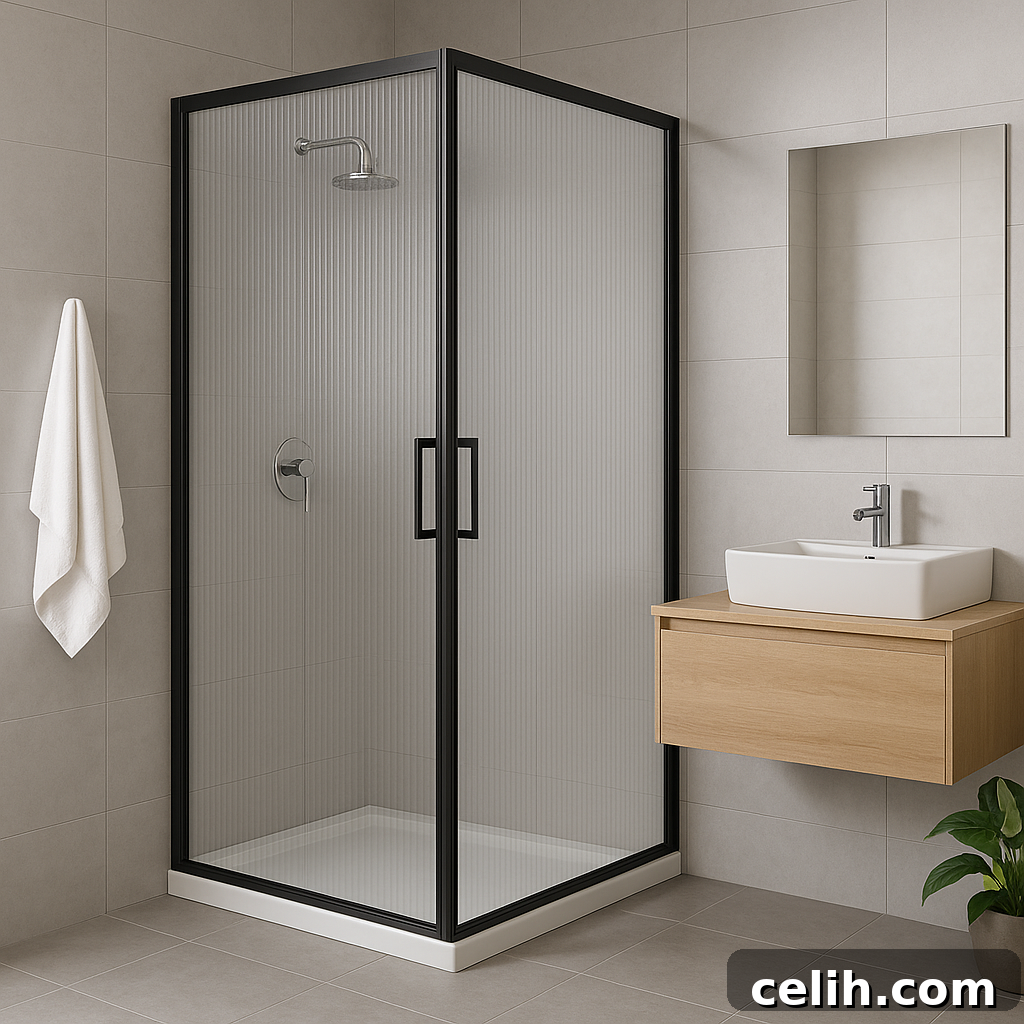
Luxurious Shower Enclosures: Forget the worry of shattered glass. Frosted or patterned polycarbonate is transforming bathroom design, creating sleek, modern shower screens that are significantly harder to crack or break than traditional glass. This not only enhances safety, particularly in busy family bathrooms, but also offers greater design flexibility, allowing for curved or custom-shaped enclosures that seamlessly integrate with diverse bathroom aesthetics.
Doors and Cabinetry Reinvented: Clear or subtly tinted polycarbonate panels can effectively replace glass panes in a wide array of home applications, including cupboard doors, elegant sliding doors, or even wardrobe fronts. This substitution offers the same coveted visual lightness and transparency without the persistent concern of breakage, making it an excellent choice for homes with children or pets, or simply for those seeking enhanced peace of mind.
Creative Architectural Elements: Beyond these specific examples, polycarbonate can be used for larger architectural features. Consider a modern conservatory or sunroom where large polycarbonate panels replace traditional glass, providing excellent insulation and impact resistance. Or perhaps a stunning internal façade, dividing a large space while allowing light to flow and providing an artistic focal point with its unique visual properties.
Adding Unique Texture and Distinct Personality
Polycarbonate’s versatility extends far beyond simple transparency. It is available in an exciting array of patterned and ribbed finishes, presenting designers and homeowners with an unprecedented opportunity to introduce unique textural elements into their home designs. Ribbed sheets, for example, have become incredibly popular in modern interiors. When used for feature walls or privacy screens, they create a soft, diffused glow of light while simultaneously adding significant architectural interest and a tactile dimension to the space. The interplay of light and shadow on these textured surfaces can transform a flat wall into a dynamic artistic statement.
The chromatic possibilities of polycarbonate further expand its design potential. Coloured polycarbonate, ranging from sophisticated smoky grey and warm bronze to vibrant, bold tones, can be strategically employed to inject personality and mood into any room. Imagine a kitchen backsplash crafted from a rich amber polycarbonate panel – it’s not only practical and exceptionally easy to wipe clean, but it also makes an immediate and bold style statement, acting as a stunning focal point. Similarly, a luminous blue panel could evoke tranquility in a bathroom, while a vibrant green might bring a touch of nature indoors, demonstrating polycarbonate’s power to influence atmosphere through color and light.
Crafting Stylish and Enduring Outdoor Features
Polycarbonate’s robust durability makes it an exceptional choice for outdoor applications, where it consistently outperforms many other materials. It is perfectly suited for an extensive range of exterior features, from elegant garden canopies and sturdy pergola roofs to expansive conservatories. Its inherent strength allows it to withstand harsh weather conditions—including heavy rain, strong winds, hail, and snow—while steadfastly maintaining its clear, polished appearance without cracking or degrading. Many homeowners are increasingly opting for polycarbonate over glass for greenhouses and patio roofs due to its superior ability to filter harsh sunlight, protecting plants and outdoor furniture, and crucially, its resistance to yellowing or becoming brittle over time, a common issue with inferior plastics.
A key advantage of polycarbonate for outdoor structures is its integrated UV resistance. Many high-quality polycarbonate panels are treated with special coatings that block harmful ultraviolet rays, ensuring that outdoor features remain crystal clear, structurally sound, and aesthetically appealing even after many years of direct sun exposure. This UV stability makes it a highly cost-effective and low-maintenance option for homeowners seeking long-term performance and beauty in their outdoor living spaces. Furthermore, polycarbonate helps extend the usability of outdoor areas, transforming patios and decks into protected havens that can be enjoyed almost year-round, regardless of the weather.
Beyond leisure spaces, polycarbonate is also incredibly useful for practical outdoor shelters. Clear or tinted polycarbonate panels are frequently used to construct robust carports and secure bike shelters. These structures offer essential protection for vehicles and bicycles from the elements, yet they do not block natural light, preventing a bulky, intrusive feel in the garden or driveway. Their light-transmitting properties ensure that the surrounding area remains bright and open, integrating seamlessly with the landscape rather than dominating it.
Practical Benefits That Extend Beyond Aesthetics
While polycarbonate’s visual appeal and design flexibility are undeniable, its true value lies in a comprehensive suite of practical advantages that significantly enhance its functionality and desirability in home design:
- Unmatched Impact Resistance: Polycarbonate is remarkably tough, boasting impact resistance up to 250 times greater than glass. This makes it an exceptionally safe material for family homes, where accidental knocks, bumps, and playful activities are an inevitable part of daily life. Its shatterproof nature minimizes the risk of injury and property damage, providing unparalleled peace of mind.
- Superior UV Protection: High-quality polycarbonate panels are typically co-extruded with a protective layer that effectively blocks harmful UV rays. This is crucial not only for the longevity of the material itself but also for protecting interior furnishings, artwork, and flooring from sun-induced fading and degradation, preserving their beauty and value over time.
- Enhanced Thermal Insulation: Specifically, multiwall or twin-wall polycarbonate sheets are engineered with internal air pockets that effectively trap air. This creates an insulating barrier, significantly reducing heat loss in cooler climates and minimizing heat gain in warmer ones. Consequently, these panels are excellent for extensions, garden rooms, and conservatories, contributing to lower heating and cooling costs and a more comfortable indoor climate year-round.
- Impressive Cost-Effectiveness: When weighed against materials like custom-cut glass, high-end hardwoods, or intricate metalwork, polycarbonate often emerges as a more budget-friendly solution. Its lower material cost, combined with easier handling and quicker installation, translates to significant overall savings for homeowners and builders alike, without compromising on quality or aesthetic appeal.
- Lightweight and Easy to Handle: The lightweight nature of polycarbonate significantly simplifies transportation, handling, and installation. This reduces labor costs and logistical challenges, particularly for large panels or complex installations, making it an attractive option for both professional contractors and DIY enthusiasts.
A DIY-Friendly Material for Creative Homeowners
For individuals who relish the satisfaction of tackling home improvement projects, polycarbonate is an exceptionally accessible and rewarding material to work with. Its inherent properties make it far more manageable than other rigid materials. Being remarkably lightweight, it is much easier to transport and maneuver, reducing the physical strain and the need for specialized lifting equipment that heavy glass panels would demand. Furthermore, polycarbonate can be precisely cut and shaped using standard woodworking tools like circular saws or jig saws fitted with appropriate blades, allowing for custom dimensions and creative designs directly at home.
Whether your project involves crafting a modern partition wall to delineate space, designing a custom desk surface that combines durability with sleek aesthetics, or even building a functional mini-greenhouse for your backyard oasis, polycarbonate offers immense scope for experimentation and customization. This DIY-friendly nature empowers homeowners to bring their unique visions to life without incurring the high costs of professional fabrication or running the risk of breaking expensive materials. With polycarbonate, you can truly experiment and innovate without “breaking the bank, or your back.”
Is Polycarbonate the Right Choice for Your Home?
Like any material, polycarbonate has specific characteristics that define its ideal applications and limitations. While extraordinarily durable, it can be more prone to scratching than glass, particularly in high-contact areas. To mitigate this, consider opting for scratch-resistant coated polycarbonate sheets, or strategically choose textured or frosted finishes that help mask minor scuffs and enhance durability. Additionally, while polycarbonate is heat-resistant, it is generally not suitable for environments exposed to open flames or extremely high temperatures, so careful consideration of its placement is essential.
Despite these minor considerations, for the vast majority of everyday home design projects – especially those where paramount importance is placed on durability, lightness, enhanced safety, and aesthetic versatility – polycarbonate stands out as an exceptionally smart, forward-thinking choice. Its unique blend of properties makes it a robust and adaptable material for modern living.
Polycarbonate: The Future of Functional and Stylish Home Design
Polycarbonate plastic has truly evolved beyond its industrial origins, emerging as a dynamic and indispensable material in contemporary home design. Today, it represents the epitome of versatility, seamlessly blending superior function with high-end style. Its adaptability lends itself to an astonishing array of applications, transforming everything from bright, light-diffusing partition walls that redefine interior spaces to sleek, ultra-safe shower screens that elevate bathroom aesthetics. From robust patio roofing that extends outdoor living seasons to statement furniture pieces that capture attention, polycarbonate offers limitless potential.
If you are seeking a material that embodies modernity, offers exceptional affordability, and delivers surprisingly chic results, it is time to consider how polycarbonate could be the pivotal element that perfectly ties together function and style within your living environment. Embrace this innovative material to create a home that is not only beautiful but also resilient, energy-efficient, and truly designed for the future.