
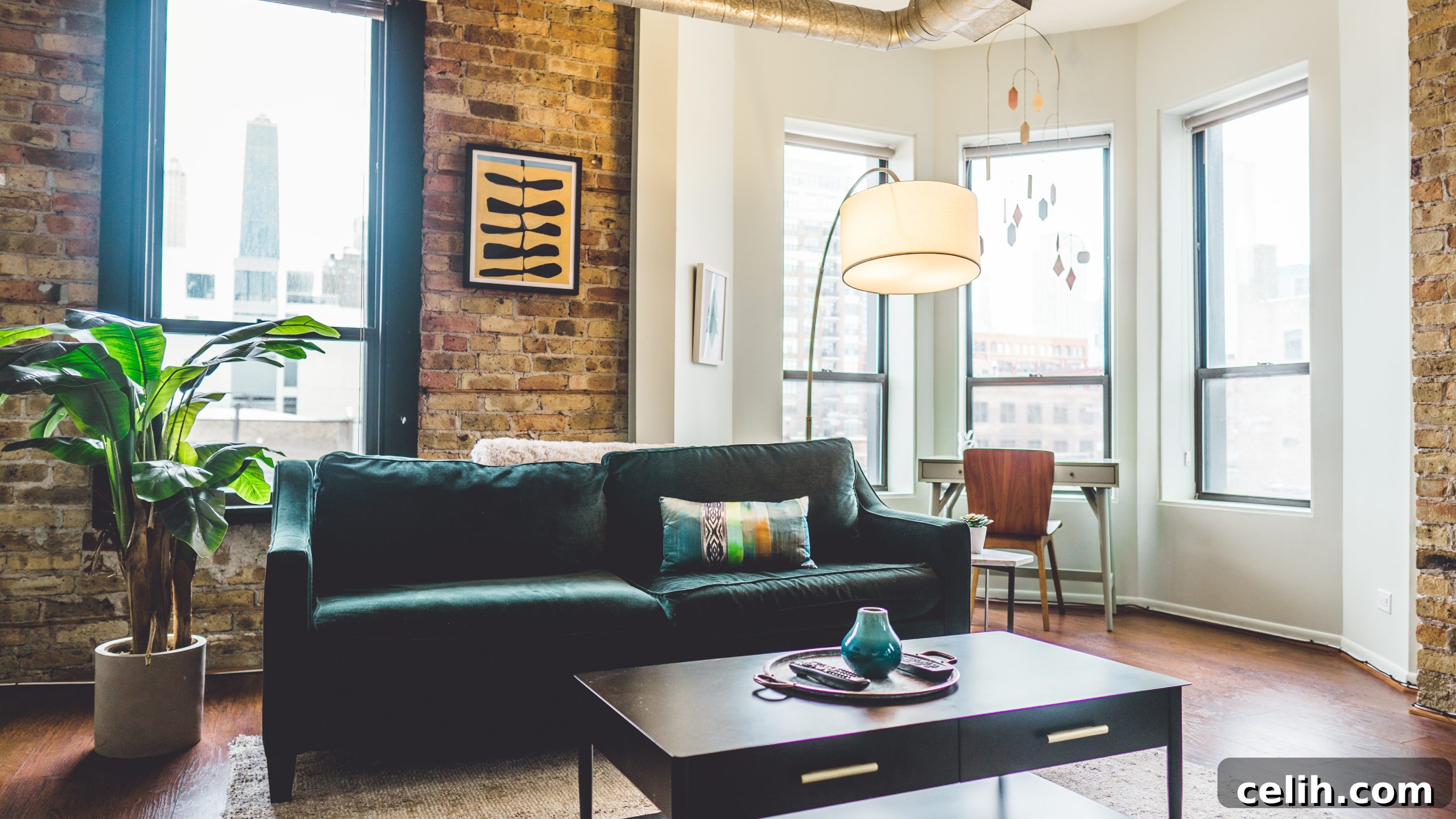
Embarking on a home redecoration project is an exciting journey, offering the perfect opportunity to refresh your living spaces and infuse them with renewed energy and personal style. Whether you’re dreaming of a vibrant transformation or a subtle refresh, creating a home that truly reflects your personality and meets your lifestyle needs doesn’t require an astronomical budget. With thoughtful planning, clever design choices, and a dash of creativity, you can achieve remarkable results. A strategic lick of paint, some well-chosen furnishings, and a keen eye for interior design can work wonders, transforming ordinary rooms into extraordinary havens.
This comprehensive guide is designed to empower you with first-hand advice on making the right choices for your home redecoration. We’ll delve into everything from selecting the ideal color schemes and maximizing natural light to choosing artificial lighting that sets the perfect mood. Discover how to create those bright, invigorating spaces or calm, comforting glows we all strive for, ensuring every corner of your home resonates with your desired atmosphere.
Unlocking Your Home’s Potential: A Comprehensive Guide to Interior Design and Lighting
Embracing Your Personal Style: The First Step in Redecoration
Before diving into swatches and fixtures, the most crucial step in any redecoration project is to define the overall style and aesthetic you envision for your home. This foundational decision will guide all subsequent choices, from color palettes to furniture and lighting. Are you drawn to the sleek lines of modern design, the cozy warmth of farmhouse chic, or perhaps the eclectic charm of bohemian decor? Take a moment to reflect on your preferences, your family’s needs, and the existing architecture of your home.
If inspiration proves elusive, there’s a wealth of resources at your fingertips. Platforms like Pinterest and Instagram are treasure troves of visual ideas, allowing you to create mood boards and explore countless interior design styles. Browse decorating blog posts and glossy interior design magazines for expert tips and emerging trends. Pay attention to how different elements—like warm tones versus cool shades, light versus dark furniture, and traditional versus contemporary styles—interact to create distinct atmospheres. Remember, this is your chance to craft a space that genuinely feels like “you.”
Decoding Design Philosophies: From Modern to Traditional
Understanding various interior design styles can help you pinpoint your ideal aesthetic. Contemporary design, for instance, often features clean lines, open spaces, and a minimalist approach, emphasizing functionality and subtle sophistication. Scandinavian style similarly prioritizes simplicity, natural materials, and bright, airy spaces to evoke a sense of calm and hygge. For those who appreciate comfort and a lived-in feel, Bohemian decor embraces rich textures, global patterns, and a mix-and-match approach, creating a relaxed and artistic ambiance.
Conversely, traditional interior design draws inspiration from classic European aesthetics, characterized by rich wood tones, elegant furnishings, intricate details, and a sense of timeless grandeur. Transitional style offers a perfect blend, marrying contemporary clean lines with traditional comfort and warmth. Your choice should ideally harmonize with your home’s architecture and, more importantly, with your lifestyle. Are you creating a vibrant hub for a growing family, a serene sanctuary for relaxation, or an elegant space for entertaining? The vibe you aim for will ultimately shape every decision you make.
Mastering Illumination: How Lighting Transforms Your Living Spaces
Maximizing Natural Light: Your Home’s Best Asset
One of the most impactful yet often overlooked elements in home redecoration is light – especially natural light. Harnessing the power of natural illumination is perhaps the easiest and most cost-effective way to drastically change the feel and atmosphere of your home. Abundant natural light not only makes rooms feel larger and more open but also boosts mood, improves productivity, and enhances overall well-being. It can make colors pop, highlight textures, and create a welcoming, airy environment.
Start by simply opening those blinds, pulling back heavy curtains, and making the most of your existing windows. It’s truly surprising the immediate difference a little bit of natural light can make to a room’s atmosphere. For areas with sparse natural light, consider lighter window treatments that allow maximum sunshine to filter through. Strategic placement of mirrors can also amplify light by reflecting it deeper into the room. If your budget allows for more significant changes, exploring construction work like adding a new window, a skylight, or even a sun tunnel can dramatically increase the influx of natural light, transforming dark corners into bright, inviting spaces.
The Art of Artificial Lighting: Creating Ambiance and Function
When natural light is limited, or when the sun sets, artificial lighting steps in to create the desired ambiance and provide necessary functionality. Effective lighting design involves layering different types of light to achieve a balanced and versatile illumination plan. These layers typically include ambient, task, and accent lighting.
- Ambient Lighting: This is the general illumination that fills a room, setting the overall mood. Think ceiling fixtures like chandeliers, recessed lighting, or flush mounts.
- Task Lighting: Essential for specific activities, task lighting directs light precisely where it’s needed. This includes desk lamps for reading or working, under-cabinet lighting in kitchens, or vanity lights in bathrooms.
- Accent Lighting: Used to highlight specific features, such as artwork, architectural details, or plants, accent lighting adds drama and depth to a space. Wall sconces, track lighting, or picture lights are common examples.
Consider the color temperature of your light bulbs – warm white (2700K-3000K) creates a cozy, inviting atmosphere perfect for living rooms and bedrooms, while cool white (3500K-5000K) is more energizing and ideal for kitchens, bathrooms, or home offices. Dimmer switches are invaluable for adjusting the intensity of light, allowing you to transition effortlessly from bright, functional illumination to a soft, relaxing glow. For an extensive array of stunning and functional artificial lighting solutions, from elegant floor lamps to statement chandeliers, explore diverse styles available at lighting specialists like Pagazzi. Their vast collection ensures you’ll find the perfect fixtures to complement any design vision.
Crafting Your Home’s Narrative: The Psychology and Art of Color
The Impact of Color on Mood and Perception
Color is one of the most powerful tools in interior design, capable of transforming a room’s mood, perceived size, and overall energy. The color scheme you choose will significantly influence how you and your guests feel in your home. Warm tones, such as reds, oranges, and yellows, tend to create a cozy, inviting, and stimulating atmosphere, making large rooms feel more intimate. Cool shades, including blues, greens, and purples, evoke a sense of calm, serenity, and spaciousness, ideal for bedrooms, bathrooms, or smaller rooms you wish to expand visually.
Neutral palettes—think whites, greys, beiges, and taupes—offer a versatile and sophisticated backdrop, allowing furniture, artwork, and accessories to take center stage. They create a timeless foundation that can be easily updated with pops of color through soft furnishings. When opting for neutrals, incorporate varying textures and subtle patterns to prevent the space from feeling bland. Conversely, bold and vibrant hues can make a dramatic statement, infusing a room with personality and energy. Use them strategically, perhaps on an accent wall, in a powder room, or through carefully selected decor items, to avoid overwhelming the space.
Integrating Colors with Furniture and Decor
Achieving a cohesive look means thoughtfully integrating your chosen color palette with your furniture, textiles, and decorative elements. Consider whether you prefer a harmonious scheme, where colors subtly blend and complement each other, or a more contrasting approach that introduces dynamic visual interest. For instance, if your walls are a soft neutral, you might introduce a splash of color through a vibrant sofa, patterned cushions, or a striking piece of art. Alternatively, if your walls are a bold hue, opt for neutral furniture to balance the intensity and allow the wall color to truly shine.
Don’t forget the power of texture in enhancing your color scheme. Plush rugs, silky throws, wooden furniture, and metallic accents all contribute to the overall visual and tactile experience, adding depth and richness to your chosen colors. Always consider existing elements that will remain in the room, such as flooring or built-in cabinetry, and ensure your new color choices complement them effectively. Sampling paint colors on your walls and observing them at different times of the day is crucial, as lighting conditions can drastically alter how a color appears.
Redefining Home: Blending Style, Comfort, and Purpose
Designing for Lifestyle: Relaxation vs. Productivity
Beyond aesthetics, your redecoration project should prioritize how your home functions for your unique lifestyle. Are you searching for a space that is purely for relaxation and unwinding, or do you need areas that foster productivity and purpose? The answer will heavily influence your design choices for each room. A living room, for example, might prioritize a plush, comfortable sofa and soft, ambient lighting for evenings spent relaxing, while a home office demands ergonomic furniture, bright task lighting, and an organized layout to maximize efficiency.
Creating a home that is both stylistically fashionable and deeply comfortable is the ultimate goal. While the allure of “Instagram-able” spaces can be strong, it’s vital to ensure that your choices contribute to a practical and livable environment. There’s no point in choosing a beautiful but uncomfortable sofa or a stunning but impractical kitchen layout. Striking a happy medium between contemporary design trends and enduring comfort is perhaps one of the best ideas for long-term satisfaction. Your home should be a reflection of who you are and how you live, not just a showcase of fleeting trends.
The Importance of Quality and Durability
When redecorating, remember that choosing quality materials and durable furnishings is an investment in your home’s future. While budget constraints are real, prioritizing quality for key pieces—like a sofa, dining table, or essential lighting fixtures—can save you money in the long run by reducing the need for frequent replacements. Look for items that are not only aesthetically pleasing but also well-constructed and suitable for the wear and tear of daily life, especially if you have children or pets. Sustainable choices, such as furniture made from reclaimed materials or lighting with energy-efficient LED bulbs, also contribute to a home that is both beautiful and responsible.
Making it Yours: Personal Touches and Authenticity
Ultimately, your redecorated home should be a deeply personal space that represents you and your way of living. Don’t shy away from injecting personality through unique art, cherished heirlooms, family photographs, or curated travel souvenirs. These personal touches are what truly transform a house into a home, making it feel authentic and lived-in. Whether it’s selecting the perfect wall colors, finding furniture that speaks to you, or choosing the best lighting to illuminate your life, ensure every decision resonates with your individuality.
For those seeking the perfect blend of modern sophistication and timeless elegance in their lighting and mirror choices, specialists like Pagazzi offer an expansive collection. Dedicated to providing nothing but contemporary and classic lighting solutions, their range is perfect for any modern home renovation or a simple style upgrade. By focusing on quality, comfort, and personal expression, you can create a home that is not just aesthetically pleasing but also a true sanctuary for you and your family.
Images: Courtesy of Pexels
(Disclosure: Collaborative post)