
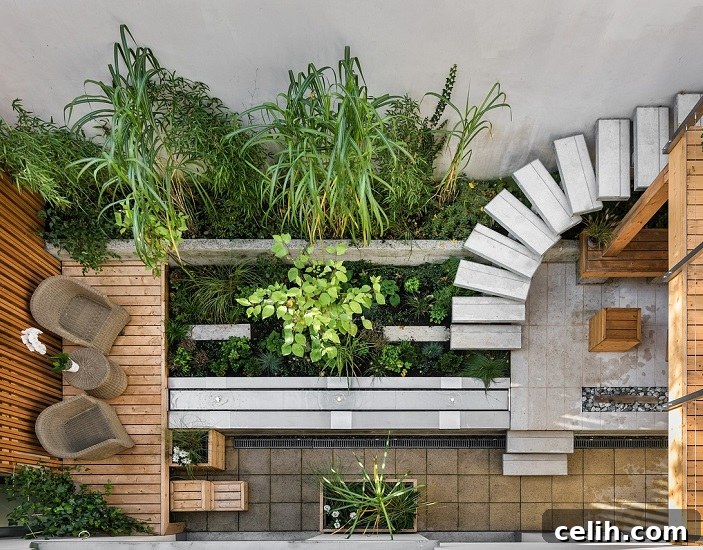
Designing Your Dream Garden: Effortless Beauty with Low Maintenance Solutions
For many of us, an outdoor space is a cherished extension of our homes, offering a tranquil escape or a vibrant area for entertaining. Yet, the demands of traditional gardening can often outweigh the pleasure. The endless cycle of mowing, edging, weeding, pruning, watering, and fertilizing can quickly turn a dream garden into a daunting chore. While some find joy in the meticulous art of horticulture, armed with gardening gloves and a comprehensive plant guide, others yearn for a beautiful garden that requires minimal effort. If you fall into the latter category, this guide will help you design and cultivate an exquisite, low-maintenance garden that you can truly enjoy without the relentless work.
Strategic Planning for an Easy-Care Garden Oasis

The foundation of any successful low-maintenance garden lies in thoughtful planning. Before you dig the first hole or purchase a single plant, take the time to honestly assess your lifestyle, your desired level of involvement, and how you envision using your outdoor space. This initial phase is crucial for ensuring your garden meets your needs and remains a source of relaxation, not stress.
Define Your Lifestyle and Garden Vision
Consider how much time you genuinely have to dedicate to garden upkeep on a consistent basis. Be realistic – an hour every fortnight might mean focusing your efforts on a single, stunning feature bed, while the rest of the garden adopts an ‘easy-care’ design. Do you primarily appreciate your garden from indoors, viewing it as a beautiful backdrop to your living room? Or do you dream of al fresco dining every summer evening, necessitating inviting patio spaces rather than expansive lawns?
Think about the functions your garden needs to serve. Is it a play area for children, a quiet reading nook, an entertainment hub, or simply a visual treat? Understanding these uses will guide your decisions on hardscaping, planting, and overall layout. Ambition is wonderful, but for a truly low-maintenance garden, practicality should always take precedence.
Assessing Your Garden’s Environment and Budget
Beyond your personal preferences, your garden’s natural environment plays a critical role. Evaluate the amount of sunlight different areas receive throughout the day, identify your soil type, and take note of any existing features like mature trees or structures. These elements will influence plant choices and hardscaping materials. For instance, a shady corner might be perfect for hostas and ferns, while a sun-drenched spot would thrive with lavender and succulents.
Lastly, establish a realistic budget. Low-maintenance doesn’t always mean low-cost, especially if you’re installing extensive hardscaping, irrigation systems, or significant structural changes. Prioritizing your investments will ensure you achieve the most impact within your financial limits. Remember, investing in durable, quality materials and plants suited to your climate can save you time and money in the long run.
Selecting Effortless Plants for Lasting Beauty
A low-maintenance garden is far from an empty one. The secret lies in choosing the right plants – varieties that are self-sufficient, resilient, and require minimal intervention. The key is to select plants suited to your specific soil type, climate, and the amount of sun your garden receives. Consulting resources like the RHS Plant Finder guide (remember to check the ‘low maintenance’ box!) can provide tailored suggestions, but here are some excellent starting points:
- Azaleas: These incredibly hardy shrubs are a gardener’s dream. Once established, they are drought-tolerant and provide weeks of magnificent, vibrant blooms, transforming your garden with minimal effort. Their varied sizes and colours make them versatile for different garden schemes.
- Lavender: Surprisingly robust, lavender thrives on neglect once established. It requires little to no watering, even in dry conditions, and its fragrant flowers are a magnet for pollinators. The only significant maintenance is a good prune after flowering to maintain shape and encourage new growth, ensuring stunning displays year after year.
- Bulbs (Daffodils, Crocuses, Bluebells, Snowdrops): Plant them once, and enjoy their cheerful return every spring. These quintessential harbingers of warmer weather require virtually no ongoing care, multiplying and naturalizing over time to create captivating carpets of colour.
- Ornamental Grasses: For a contemporary, architectural aesthetic, ornamental grasses are an excellent choice. They bring texture, movement, and interest to raised beds and planters, demanding very little attention. While they don’t offer traditional flowers, their elegant forms and subtle hues provide year-round visual appeal.
- Hardy Geraniums: Often referred to as “cranesbill geraniums,” these plants are so vigorous, your main challenge might be preventing them from spreading too enthusiastically! Available in a wide array of varieties and colours, they rapidly fill spaces, adding continuous colour and suppressing weeds. Occasional division or removal of clumps is their primary care requirement.
- Hostas: Perfect for shady spots, hostas offer lush foliage in various shades of green, blue, and variegated patterns. They are incredibly tough and require minimal care, primarily needing protection from slugs and snails.
- Sedum (Stonecrop): These succulents are drought-tolerant and thrive in full sun with poor soil. They offer attractive foliage and late-season flowers, providing nectar for beneficial insects when many other plants have faded.
- Evergreen Shrubs: Varieties like Boxwood, Photinia, and certain types of Viburnum provide year-round structure and colour with minimal pruning. Their dense foliage also helps to suppress weeds.
- Native Plants: Choosing plants indigenous to your region is an excellent strategy for low maintenance. They are naturally adapted to local soil and climate conditions, requiring less water, fertilizer, and pest control.
Mastering the Layout: Hardscaping for Minimal Effort
Once you’ve clarified how you intend to use your outdoor space, the next critical step for a low-maintenance garden is planning the hardscaping. Hardscaping elements—patios, paths, decks, and decorative stone—form the backbone of your garden, significantly reducing areas that require intensive care like lawns.
Alternatives to Traditional Lawns
If you’ve decided against a labour-intensive lawn, several excellent alternatives offer style and ease of maintenance:
- Gravel: A popular choice for its aesthetic appeal and permeability, gravel requires minimal upkeep, mainly occasional raking to level it and refresh its appearance. Laying a weed suppression membrane underneath is crucial to prevent unwanted growth.
- Paving Stones & Patios: Paved areas offer durable, solid surfaces perfect for outdoor living. They require sweeping, and perhaps an annual pressure wash or treatment with moss killer to keep them pristine. Selecting large format pavers can reduce the number of joints where weeds might sprout.
- Decking: Decking provides a warm, inviting feel and elevates outdoor spaces. While generally low maintenance, it benefits from regular sweeping, occasional washing, and periodic re-staining or sealing to protect the wood and maintain its appearance.
- Artificial Grass: Modern artificial turf has come a long way, offering incredibly realistic textures and colours. It’s the ultimate low-maintenance lawn solution, requiring no mowing, watering, or fertilizing. While not for everyone, it provides a consistently green look year-round.
- Meadow Flowers & Wildlife Gardens: For small lawn patches, consider letting nature take its course. Sowing meadow flowers or creating a wildlife garden can be a beautiful, eco-friendly, and very low-maintenance option, supporting local biodiversity.
Optimizing Water Management and Weed Control
For any flower beds or planters you include, smart water management is key. Consider installing an automatic irrigation system, such as drip lines or micro-sprinklers, to deliver water directly to the plant roots. This not only saves time but also conserves water and ensures consistent hydration, preventing plants from stressing. Mulching is another indispensable technique: a thick layer of organic mulch (like bark chips or compost) around plants will suppress weeds, retain soil moisture, and regulate soil temperature, drastically reducing the need for weeding and watering.
Smart Design for Continuous Enjoyment
Raised Beds and Containers
Incorporating raised beds and planters can significantly reduce back-breaking work. They offer better drainage, allow for customized soil mixes, and bring plants closer to eye level, making planting and occasional care more accessible. Grouping plants with similar watering needs in containers or raised beds also streamlines maintenance.
Strategic Layout and Access
Design your garden with clear, wide pathways that allow easy access for any necessary tasks. Avoid cramped planting areas that are difficult to reach. A well-thought-out layout not only looks good but also makes the rare maintenance task much simpler and quicker.
Furniture and Features
Choose outdoor furniture made from durable, weather-resistant materials like wrought iron, treated aluminum, or synthetic wicker that require minimal cleaning and no annual treatment. Consider adding water features or sculptures that contribute to the garden’s ambiance without demanding constant attention. Outdoor lighting can also enhance the evening enjoyment of your garden, requiring only a simple installation.
Embracing Your Effortless Outdoor Retreat
Creating a low-maintenance garden doesn’t mean sacrificing beauty or enjoyment. It means designing smarter, choosing plants wisely, and investing in durable hardscaping solutions that work for your lifestyle. By focusing on these principles, you can transform your outdoor space into a personal sanctuary – a place where you can truly sit back, relax, and savour the beauty without the constant demands of traditional gardening.
Imagine long summer evenings spent admiring your flourishing plants from a comfortable patio, knowing that the hard work was done in the planning stages, leaving you free to simply enjoy. Your dream of an effortlessly beautiful garden is not just possible; it’s within reach with the right approach.
Image credits: Pixabay