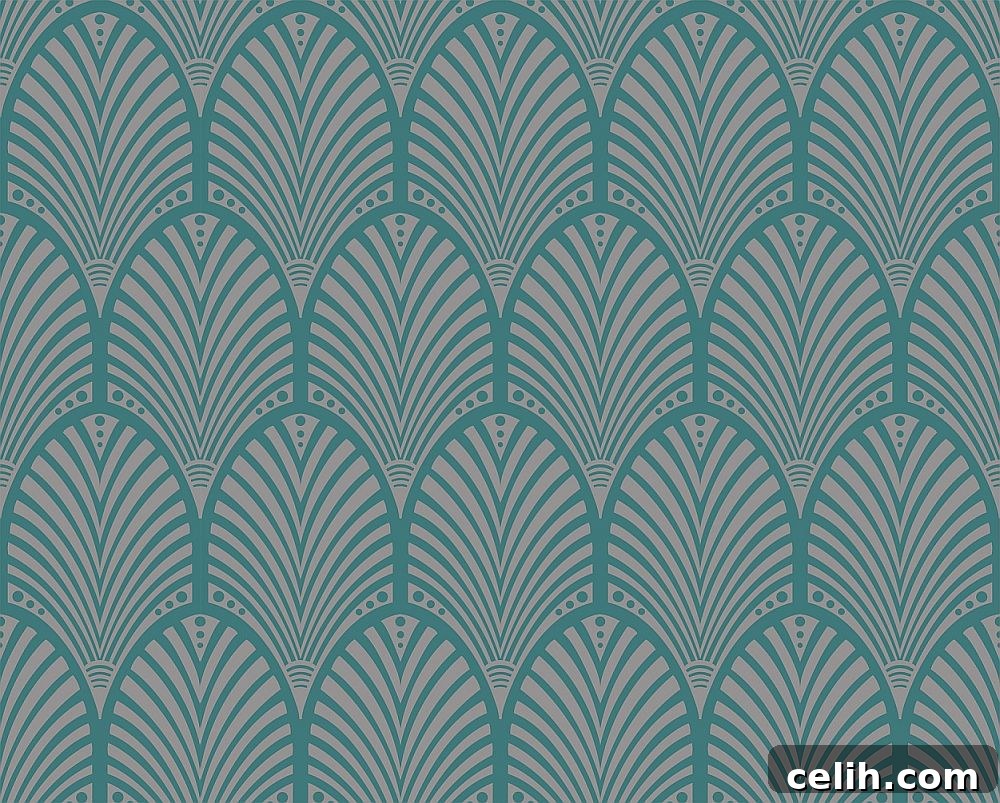
Step into a world where glamour meets geometry, where lavishness intertwines with modernism. Art Deco, a style born in the vibrant 1920s and flourishing through the 1930s, continues to captivate with its distinct blend of elegance and sophistication. Characterized by its clean lines, striking geometric shapes, and opulent materials, this iconic movement offers a timeless appeal that transcends decades. While a full period recreation might not be your goal, integrating Art Deco influences into a contemporary interior can infuse your home with unparalleled interest, texture, and a touch of vintage chic. Discover how to master this exquisite aesthetic and elevate your living spaces.
Understanding Art Deco: A Legacy of Style and Modernity
The Art Deco movement emerged in Western Europe, primarily in Paris, during the exhilarating post-World War I era of the 1920s. Its name, a clever abbreviation, originates from the Exposition Internationale des Arts Décoratifs et Industriels Modernes, a pivotal exhibition held in Paris in 1925 that unveiled this fresh aesthetic to the world. Following years of austerity and the muted tones of wartime, Art Deco arrived as a flamboyant reaction, embracing rich, vibrant hues and celebrating luxury and craftsmanship.
At its inception, Art Deco was a symbol of innovation and high-end design, favored by the elite. However, its immense popularity quickly spurred manufacturers to leverage burgeoning mass-production techniques. By the 1930s, this once exclusive style became accessible to a broader audience, democratizing luxury and allowing more homes to embrace its distinctive charm. This widespread adoption showcased its versatility and enduring appeal. The style’s reign, however, saw a decline during World War II, as global conflicts shifted focus away from extravagance towards practicality and utility, causing its opulent sensibilities to fall out of favor.
Yet, the legacy of Art Deco endures. It’s more than just a historical style; it’s a testament to an era of progress, optimism, and artistic innovation. Its influence can be seen in architecture, fashion, fine arts, and particularly in interior design, where its principles continue to inspire designers and homeowners seeking a touch of timeless grandeur.
Crafting the Art Deco Look: Key Elements and Inspirations
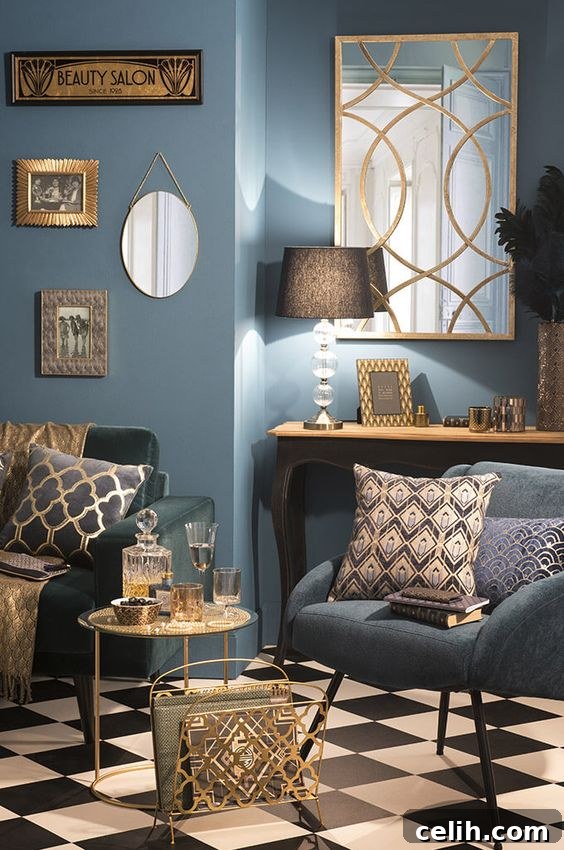
To truly capture the essence of Art Deco, understanding its core design principles is paramount. The style is a masterful fusion of strong geometry, streamlined forms, and decadent materials, all unified by an underlying sense of symmetry and balance. Here’s a detailed look at how to achieve this iconic aesthetic:
Geometric Precision and Symmetrical Forms
- Angular Shapes: Art Deco champions bold, angular forms. Think sharp corners, stepped motifs reminiscent of Ziggurat architecture, and pronounced straight lines.
- Symmetry and Repetition: A fundamental characteristic is the emphasis on perfect symmetry. Designs often feature mirrored elements and rhythmic repetition, creating a sense of order and grandeur.
- Streamlined Silhouettes: Reflecting the era’s fascination with speed and modernity, Art Deco furniture and decor often feature sleek, aerodynamic curves and elongated forms that evoke movement and dynamism.
- Iconic Patterns: Look for patterns such as chevrons, sunbursts, zigzags, and trapezoids. These motifs are frequently employed in wallpapers, textiles, and decorative elements, instantly recognizable as hallmarks of the style.
Luxurious Materials and Reflective Surfaces
The choice of materials in Art Deco is crucial, reflecting an era of optimism and prosperity. The style revels in contrasts, juxtaposing sleek, modern finishes with rich, natural textures:
- High-Gloss Finishes: Polished woods like dark ebony, macassar ebony, walnut, and burl were exceptionally popular, often finished to a brilliant shine. Black lacquer was a particular favorite, providing a stark, elegant contrast to other materials.
- Reflective Metals: Chrome, polished steel, silver, and brass are quintessential Art Deco metals. These materials catch and amplify light, contributing to the style’s inherent glamour.
- Glass and Mirrors: Mirrors, especially those with beveled edges, etched patterns, or geometric frames, are central to the Art Deco aesthetic. Mirrored tiles and glass tabletops further enhance the reflective quality of a space. Frosted or stained glass was also widely used, particularly in lighting fixtures and door panels.
- Exotic and Luxurious Textiles: Rich fabrics like silk, satin, velvet, and even sharkskin were used for upholstery and drapery, adding a layer of tactile opulence.
- Unique Additions: Original Art Deco pieces might feature early plastics like Bakelite, which was considered cutting-edge at the time. Later in the period, as international travel became more accessible, materials like mother-of-pearl, tortoiseshell, and shagreen (derived from ray or shark skin) gained popularity, adding an exotic touch.
Iconic Motifs and Global Influences
Art Deco drew inspiration from a multitude of sources, reflecting a rapidly globalizing world and a fascination with progress:
- Technological Marvels: Stylized images of modern transportation – tall buildings (especially skyscrapers), sleek cars (particularly racing cars), planes, and majestic ships – symbolized progress and the machine age.
- Nature Reimagined: While geometric, nature motifs were also popular, often rendered in a stylized, symmetrical manner. Sunbursts with radiating rays were a favorite, as were stylized flowers, palm leaves, and exotic animal representations like gazelles, panthers, and birds.
- Hollywood Glamour: Influenced by the “Golden Age” of Hollywood, Art Deco interiors often exuded a theatrical sense of luxury. Every sophisticated home of the era might have featured a dedicated cocktail cabinet and a tall, elegant ashtray on a stand, embodying the era’s social scene and refined entertainment.
- Ancient Discoveries: The discovery of Tutankhamun’s tomb in 1922 by British archaeologist Howard Carter sparked a widespread fascination with Ancient Egypt. Egyptian motifs, with their inherent geometric forms like pyramids, sphinxes, and hieroglyphics, perfectly aligned with Art Deco’s stylistic guidelines and became immensely popular in style-conscious homes.
- Beyond Egypt: Other exotic inspirations included Aztec, Mayan, and African tribal art, all reinterpreted through the Art Deco lens of symmetry and geometric abstraction.
Integrating Art Deco into Contemporary Interiors
The beauty of Art Deco lies in its adaptability. You don’t need to completely overhaul your home to infuse it with this distinctive style. Here are practical ways to incorporate Art Deco elements seamlessly into a modern space:
- Statement Furniture: A single Art Deco-inspired piece, like a geometric side table, a chrome-accented armchair, or a lavish bar cabinet, can serve as a focal point.
- Lighting Fixtures: Art Deco lighting is iconic. Look for chandeliers with tiered glass or chrome, frosted glass sconces, or table lamps with geometric bases and fabric shades.
- Mirrors: A sunburst mirror, a large beveled mirror, or a collection of smaller geometric mirrors can instantly add Art Deco glamour and enhance light.
- Color Palette: Introduce Art Deco colors through accent walls, textiles, or decorative objects. Opt for deep jewel tones like emerald green, sapphire blue, or ruby red, often paired with rich metallics (gold, silver, brass) and high-contrast blacks and creams.
- Patterns and Textures: Incorporate geometric patterns through wallpaper, rugs, cushions, or throws. Mix glossy surfaces with soft velvets or silks for a tactile experience.
- Artwork and Accessories: Vintage travel posters, stylized paintings, or decorative sculptures featuring Art Deco motifs can tie the look together. Elegant decanters, cocktail shakers, and glassware also add to the ambiance.
Buying Authentic and Inspired Art Deco Pieces
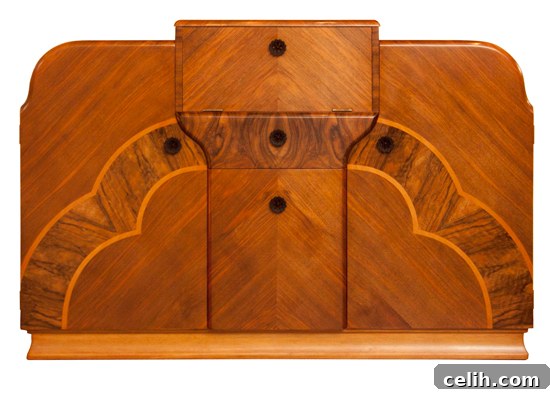
The hunt for Art Deco treasures can be an exciting endeavor. Thanks to its past popularity and enduring charm, original Art Deco furniture and accessories are relatively easy to find, often presenting an excellent opportunity to own a piece of history. However, careful consideration is key to making a worthwhile purchase.
Where to Find Art Deco Gems
- Vintage and Antique Shops: Local antique stores, flea markets, and specialized vintage dealers are excellent places to discover unique items. These establishments often curate pieces and can offer valuable insights into their history.
- Online Marketplaces: The digital realm offers a vast selection. Websites like The Old Cinema specialize in period pieces, while broader platforms such as eBay, Gumtree, Etsy, 1stDibs, and Chairish host numerous dealers and private sellers. Always check seller reviews and ask for detailed photos and descriptions.
- Auction Houses: For rare or high-value pieces, especially those by renowned designers, auction houses can be a prime source. Attending previews allows you to inspect items in person.
Popular Art Deco Items to Collect
Certain items epitomize the Art Deco era and are particularly sought after:
- Cocktail Cabinets and Bar Carts: These iconic pieces are a fantastic way to introduce period feel. Often featuring mirrored interiors, polished wood, and metallic accents, they can be repurposed beautifully as elegant storage solutions or even as unique display cabinets in modern settings.
- Mirrors: From grand entrance mirrors with ornate frames to smaller sunburst or geometric designs, Art Deco mirrors are both functional and decorative.
- Lighting Fixtures: Table lamps, floor lamps, and chandeliers made of chrome, frosted glass, or intricate metalwork are highly desirable.
- Clocks: Mantel clocks, wall clocks, and alarm clocks, often featuring geometric faces and striking cases, make charming additions.
- Posters and Artwork: Original advertising posters for luxury liners like Cunard, travel destinations, or fashion houses offer a glimpse into the glamour of the era. Reproductions are also widely available for a more budget-friendly option.
- Small Accessories: Decanters, cocktail shakers, ashtrays (though less relevant now, they are authentic period pieces), figurines, and vases can add subtle touches of Art Deco style.
Considerations When Buying
Prices for Art Deco items vary enormously, ranging from a hundred pounds for mass-produced smaller accessories to several thousand for designer pieces or larger furniture. Factors influencing value include:
- Authenticity: Is it a true antique or a modern reproduction?
- Condition: Assess any damage, wear, or restoration needs.
- Designer vs. Mass-Produced: Pieces by celebrated designers of the era command higher prices.
- Materials: Exotic woods, genuine chrome, and quality craftsmanship add to the value.
If you invest in a mirrored or chrome cabinet, remember that these surfaces are magnets for fingerprints! Originally, keeping them pristine might have been the housemaid’s job, but now it’s up to you to maintain their dazzling shine. Wiping them regularly with a soft cloth and a suitable cleaner will keep them looking their best, preserving their luxurious appeal for years to come.
Achieving the Art Deco Look for Less: Modern Inspirations
You don’t need a limitless budget to infuse your home with Art Deco flair. Many contemporary designers draw inspiration from this iconic era, offering stylish and affordable pieces that capture its spirit. Here are some modern Art Deco-inspired ideas to get the look without breaking the bank:
Art Deco Mirrors
Mirrors are a cornerstone of Art Deco design, known for their ability to enhance light and add a sense of expansive luxury. Contemporary interpretations capture this essence with striking frames and reflective qualities.
This Art Deco frameless circular mirror, available from Colours at B&Q, epitomizes the clean lines and geometric precision of the era. Its unframed design and simple, elegant shape make it a versatile piece that complements both traditional and modern decor, reflecting light beautifully.
The decorative black sun wall mirror, from Ayers & Graces, is a perfect embodiment of the iconic Art Deco sunburst motif. This striking design serves as a powerful focal point, adding dramatic flair and a touch of Hollywood glamour to any wall.
Art Deco Style Furniture
Modern furniture inspired by Art Deco often features sleek profiles, metallic accents, and rich upholstery, making it easy to integrate into contemporary living spaces.
This Gold Art Deco occasional table, available from Sweetpea & Willow, perfectly blends function with style. Its geometric base and gleaming gold finish capture the opulence and sharp lines characteristic of the Art Deco era, making it an ideal accent piece for any living room or entryway.
The 1930s style Art Deco Jazz Club chair in cognac (other colors available), from MADE, offers both comfort and undeniable vintage charm. Its curvaceous lines and plush upholstery evoke the luxurious ambiance of speakeasies and jazz clubs, bringing a touch of sophisticated leisure into your home.
Art Deco Wallpaper
Wallpaper is an impactful way to introduce Art Deco patterns, from subtle geometric textures to bold, illustrative designs, transforming a room instantly.
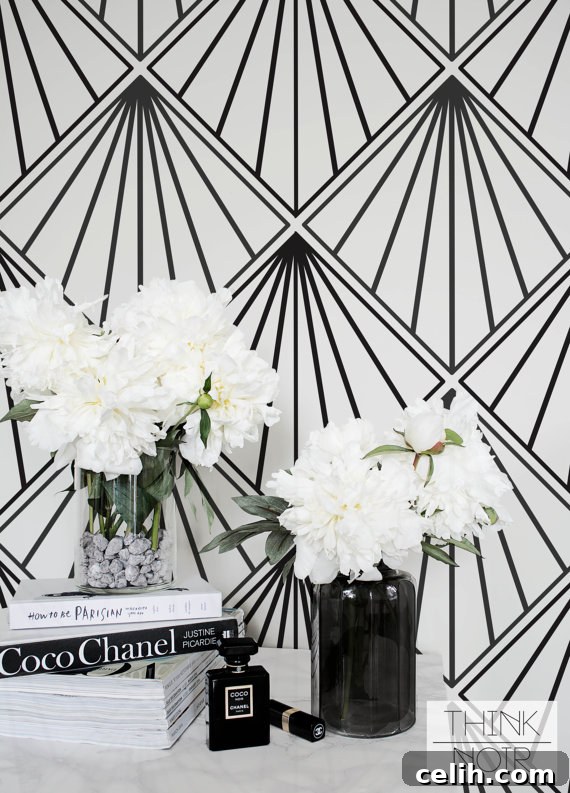
This gorgeous Think Noir removable Art Deco design wallpaper, available from Etsy, allows for flexible and impactful decoration. Its intricate geometric pattern captures the essence of Art Deco, perfect for creating a feature wall or adding sophisticated texture to an entire room.
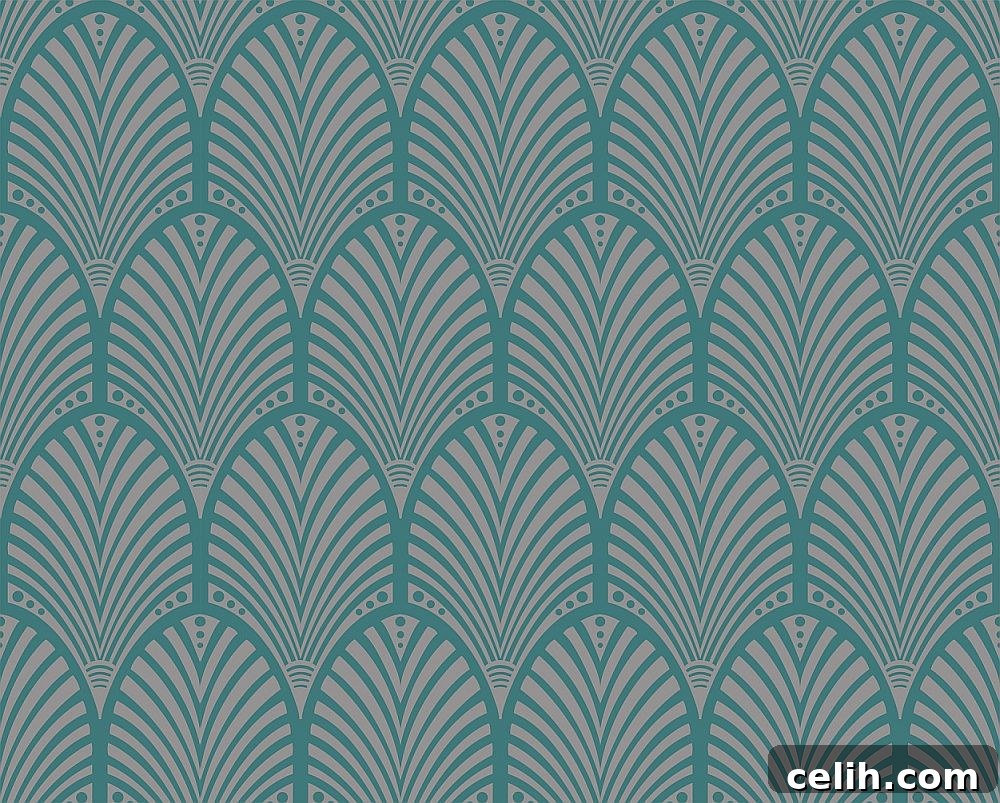
The Albany Gatsby teal Art Deco design wallpaper from Wallpaper Direct showcases a classic Art Deco motif with a modern color twist. The vibrant teal combined with the distinctive pattern makes it an eye-catching choice for adding depth and period-inspired elegance to your interior.
Art Deco Accessories
Small details can make a big difference. Art Deco accessories often feature polished metals, clean lines, and a touch of extravagance, perfect for adding those final, authentic touches.
The Bar Craft 650ml Art Deco brass finish cocktail shaker, see Kitchencraft for stockists, is a functional accessory that embodies the era’s love for entertaining. Its sleek brass finish and geometric form make it a beautiful addition to any home bar or display, ready to mix classic cocktails with a touch of vintage flair.
This Glamour decanter with a square stopper, from Artisanti, perfectly encapsulates Art Deco’s penchant for sophisticated entertaining. Its elegant form and geometric stopper are reminiscent of the luxurious glassware found in high-society homes of the 1920s and 30s, making it a stunning functional and decorative piece.
Embrace the Enduring Allure of Art Deco
Art Deco is more than just a historical design trend; it’s a celebration of bold aesthetics, luxurious materials, and a timeless sense of glamour. Its clean lines and distinctive geometric patterns offer a unique way to add character and sophistication to any space, whether you choose to fully immerse yourself in its opulence or simply introduce subtle, inspired touches. From grand pieces of furniture to elegant accessories and striking wallpapers, the possibilities for incorporating Art Deco into your home are endless. This distinctive style promises to transform your interior into a space that is both refined and utterly captivating. Will you let the enduring allure of Art Deco redefine your home?
Pin it!