
Timeless Elegance: Expert Decorating Tips for Preserving the Charm of Older Properties
Stepping into an older property often feels like a journey back in time, offering a unique character and rich history that modern homes simply cannot replicate. For many homeowners, the allure of preserving this inherent charm while creating a comfortable, stylish living space is irresistible. However, decorating a vintage or historic home presents its own set of challenges, from understanding period-specific aesthetics to addressing the natural wear and tear that comes with age. Unlike contemporary design projects where sleek lines and minimalist trends dominate, furnishing an older property requires a delicate balance of respect for its past and integration of modern functionality. Finding experts who understand how to navigate these nuances can be daunting, and tackling the unique imperfections of an aged structure demands a thoughtful approach. This comprehensive guide delves into essential decorating tips, designed to help you enhance your home’s historical beauty while ensuring a cohesive and timeless interior.
Mastering the Art of Paint: Hiding Imperfections and Enhancing Features
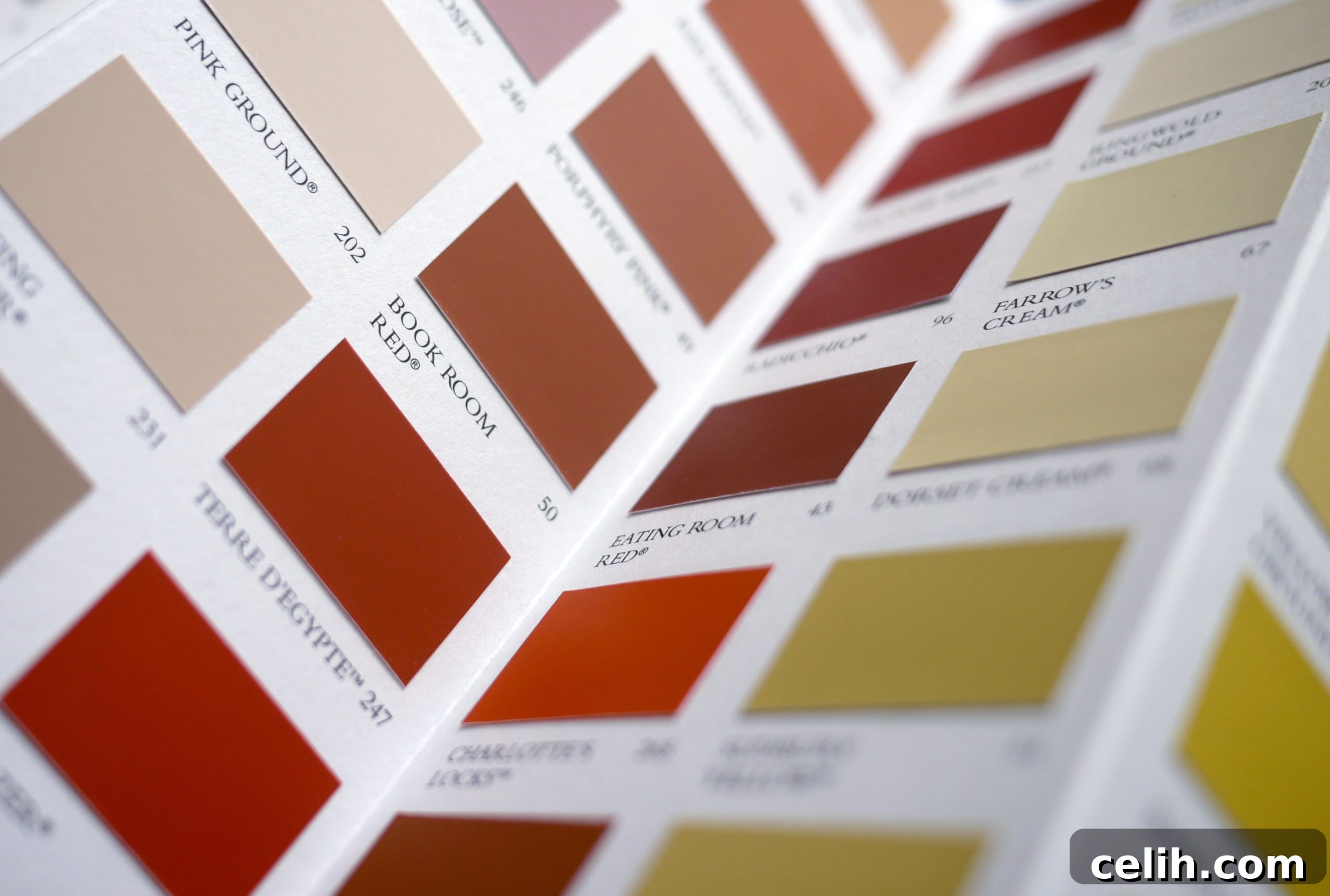
Paint is arguably one of the most transformative tools in any decorator’s arsenal, and its power is amplified when working with older properties. One of the most effective strategies for camouflaging minor imperfections – such as uneven walls, ceilings, or subtly misaligned trim – is to apply the same paint colour across these surfaces. This unified approach creates a seamless visual flow, drawing the eye away from minor flaws and creating a sense of spaciousness and cohesion. Opt for matte or eggshell finishes on walls and ceilings to further absorb light and gently obscure irregularities, contributing to a soft, inviting atmosphere.
Conversely, if your older home boasts exquisite original moulding, cornices, or ceiling roses that you wish to highlight, a contrasting approach can be stunning. Painting these architectural details with a high-gloss finish, perhaps in a crisp white or a complementary shade, will make them pop. The reflective quality of high-gloss paint accentuates intricate carvings and profiles, transforming these features into focal points. This technique not only draws attention to the craftsmanship of yesteryear but also adds a touch of sophistication and depth to any room.
Beyond simple painting, consider the artistry of plasterwork. Many older homes were originally adorned with ornate plaster mouldings, cornices, and ceiling roses, which may have deteriorated over time or been removed during past renovations. Reinstating or restoring these elements can dramatically elevate the historical authenticity and aesthetic appeal of your home. Specialists like plasterers in Edinburgh, for example, are renowned for their skill in traditional plastering techniques, offering bespoke ornamental plastering solutions that perfectly complement the era and style of your property. Companies recognized by platforms like RatedPeople often come with strong recommendations, ensuring quality craftsmanship and fair pricing for intricate work that can significantly enhance your home’s character and value.
Highlighting Architectural Splendour with Contrasting Shades
If your property is fortunate enough to retain its original trim work in excellent condition, painting it with a contrasting neutral tone can beautifully accentuate these architectural details. Imagine a soft, light blue-grey or a warm cream against a slightly deeper wall colour. This subtle contrast allows the trim to stand out without being overly dramatic, highlighting its form and dimension. Extending this neutral contrasting shade to the ceiling can create a grand, stately architectural look, particularly effective in rooms with high ceilings. This technique creates a sense of harmony and elegance, framing the room and drawing attention to its classic proportions. When choosing colours, consider the natural light in the room and the overall mood you wish to create. Cooler tones like greys and blues can evoke a sense of calm and formality, while warmer creams and off-whites can feel inviting and cozy.
Window Wisdom: The Art of Dressing Historic Windows
Windows in older properties are often architectural masterpieces themselves, featuring intricate frames, deep sills, and unique hardware. The last thing you want to do is obscure these beautiful vintage details with heavy, overpowering curtains. Instead, opt for in-window shades such as Roman blinds, roller blinds, or slim Venetian blinds. These fit neatly within the window frame, allowing the exquisite trim work to remain fully visible and appreciated. Not only do in-window shades preserve the window’s character, but they also offer a clean, uncluttered aesthetic that can introduce a subtle touch of modernity to the room without clashing with the historical context. They provide excellent light control and privacy while maintaining the visual integrity of your home’s original design.
Drapery Done Right: Strategic Use of Fabric
While discretion is key for revealing beautiful window trim, there are instances where drapery can be a thoughtful solution, particularly when dealing with the charming idiosyncrasies of older homes. Older properties frequently feature windows of unusual shapes or placements, sometimes creating an awkward visual imbalance. In such cases, a floor-to-ceiling wall of sheer drapes can be a perfect solution. Hung wide and high, these drapes can effectively conceal awkwardly placed windows or unify a wall with multiple small, disparate openings, creating a continuous, elegant backdrop. Sheer fabrics allow natural light to filter through, preserving the brightness of the room while maintaining a consistent and sophisticated look. Choose fabrics that complement the period feel, such as linen or a delicate lace, in soft, muted tones to enhance the historical ambiance without overwhelming the space.
Furnishing with Finesse: The Balance of Old and New
Keeping Shelving Light and Airy
When furnishing an older home, it can be tempting to fill it with bulky, period-appropriate furniture, including heavy vintage shelving units. However, this approach can often detract from the very charm you’re trying to preserve, making rooms feel cluttered and dark. Instead, embrace the concept of lightness. Opt for airy shelving units – think floating shelves, open metal frameworks, or glass-fronted cabinets. These lighter alternatives allow the wall colour and the room’s original architecture to shine through, contributing to a more spacious and contemporary feel. They can also give rooms an almost gallery-like appearance, creating clean lines that highlight your curated collection of books, art, or decorative objects. This approach respects the historical integrity of the space while injecting a fresh, modern sensibility.
Extending this theme of lightness throughout your home is crucial. While you want to respect the property’s era, you don’t need to slavishly adhere to a purely period interior. Embrace contemporary and simple furnishings where they complement the existing decor and architectural style. A sleek modern sofa can sit beautifully alongside an antique wooden chest if both are chosen with careful consideration for scale, colour, and texture. The key is to curate a collection that feels intentional and harmonious, allowing the house’s unique charm and original features to be the undisputed star of the show. Avoid over-furnishing and allow plenty of negative space to ensure the home breathes and feels inviting.
Beyond the Basics: Further Enhancements for Historic Homes
Thoughtful Flooring Choices
Flooring is another critical element in preserving the character of an older home. If original hardwood floors or patterned tiles are intact, restoration should be your first priority. Sanding, refinishing, or professionally cleaning these surfaces can bring them back to life, revealing their inherent beauty and resilience. Where original flooring is beyond repair or non-existent, choose replacements that are sympathetic to the home’s era. Solid hardwood, reclaimed wood, or natural stone tiles are excellent choices. Large area rugs can also be used to define spaces, add warmth, and introduce colour and pattern, while protecting existing floors.
Illuminating History: Lighting Design
Effective lighting can transform any space, and in older homes, it’s about blending modern functionality with period aesthetics. Recessed lighting can provide ambient illumination without visual clutter, allowing period chandeliers or sconces to serve as decorative focal points. Consider the warmth of the light – softer, warmer bulbs (around 2700K) tend to complement older materials and colour palettes better than harsh, cool white light. Incorporate dimmer switches to control the mood and highlight different architectural features throughout the day.
Integrating Modern Comforts: Kitchens and Bathrooms
Kitchens and bathrooms are often the areas where the clash between old and new is most apparent. The goal is to integrate modern amenities seamlessly while respecting the home’s history. For kitchens, consider classic cabinet styles (like Shaker or raised panel) in colours that complement the home’s palette. Integrate modern appliances behind custom paneling to maintain a cohesive look. In bathrooms, freestanding tubs, pedestal sinks, and high-cistern toilets can evoke a period feel, while modern fixtures in classic finishes (brass, brushed nickel) can offer contemporary functionality without sacrificing historical accuracy.
Seeking Expert Guidance
While DIY approaches can be rewarding, some aspects of decorating an older property truly benefit from professional expertise. Consulting with an architect specializing in historic preservation, an interior designer familiar with period styles, or a skilled restoration craftsman can provide invaluable insights. These professionals can help you understand the structural integrity of your home, advise on historically appropriate materials and colours, and ensure that any renovations or redecorating projects enhance rather than detract from its original charm.
Conclusion
Decorating an older property is a unique opportunity to live within a piece of history, celebrating its quirks and character while making it your own. By thoughtfully applying paint, choosing appropriate window treatments, embracing light furnishings, and considering the broader aspects of flooring and lighting, you can create a home that feels both authentic to its era and perfectly suited for modern living. Remember, the journey of restoring and decorating a vintage property is as much about discovery as it is about design. Don’t hesitate to seek inspiration from a multitude of sources – historical archives, design magazines, and even other homeowners – and most importantly, don’t be afraid to experiment. Let your home’s inherent charm guide your choices, and you’ll create a space that tells a story for generations to come.