
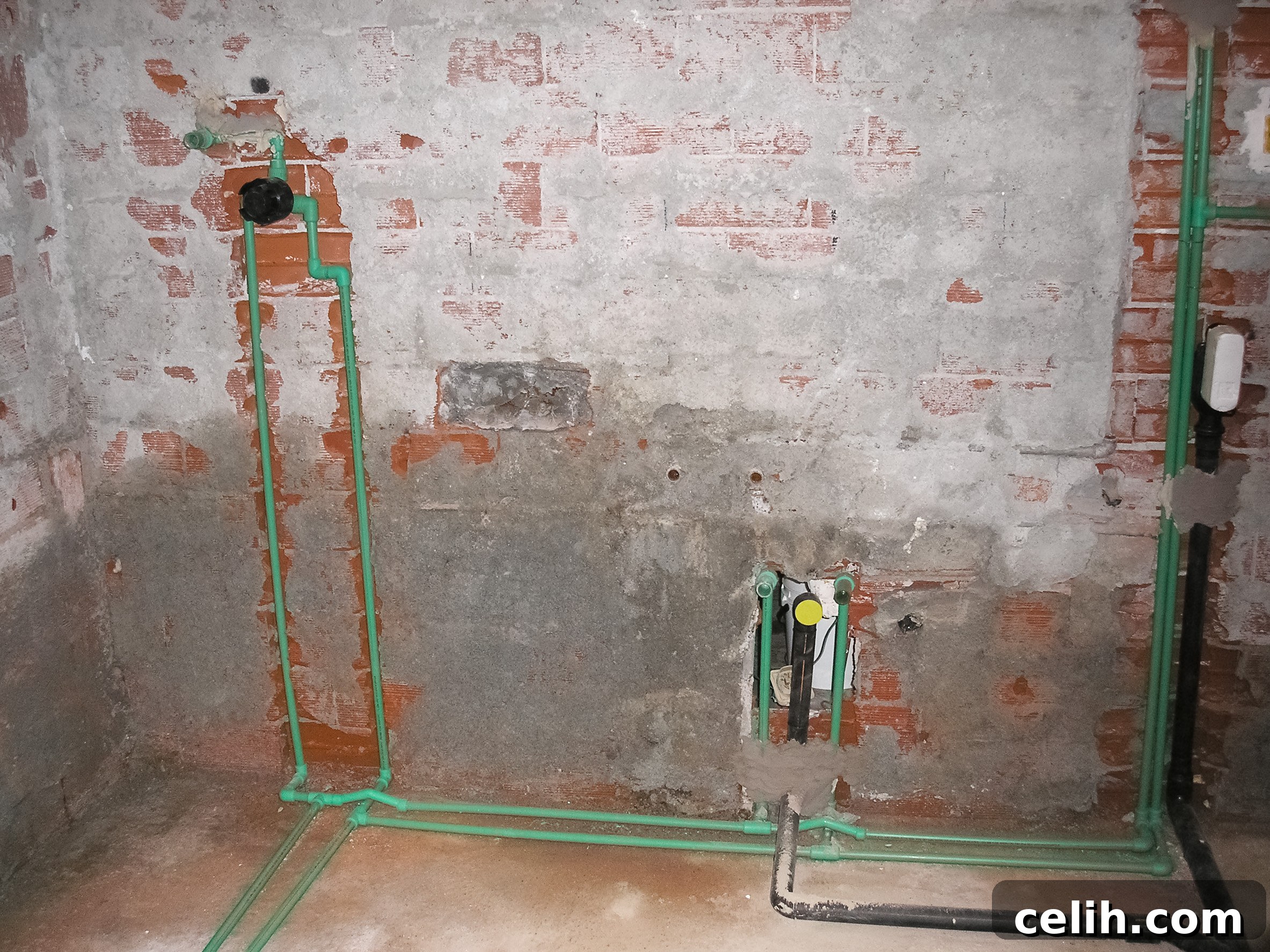
Embarking on a home renovation journey is an exciting prospect for countless Americans, transforming living spaces and breathing new life into properties. According to insights from Yahoo! Finance, the investment in home renovations is projected to reach an astounding $485 billion in 2024, a significant leap from $363 billion just four years prior in 2020. This impressive 33.6% growth underscores the enduring popularity and economic impact of home improvement projects across the nation, a trend expected to continue robustly into 2025 as homeowners plan upgrades and prepare their residences for the future.
While the allure of a beautifully redesigned home is undeniable, the path to achieving it often extends beyond meticulously planned budgets and aesthetic choices. Beneath the excitement of selecting new fixtures and finishes lie potential challenges that, if unanticipated, can derail timelines, inflate costs, and transform a dream project into a stressful ordeal. From hidden structural flaws to regulatory hurdles and unforeseen expenses, a comprehensive understanding of these obstacles is paramount for any homeowner considering a renovation. This article aims to shed light on common pitfalls in home renovation, equipping you with the knowledge to mitigate risks and ensure a smoother, more successful transformation of your cherished living space.
1. Unearthing Hidden Structural Problems
One of the most daunting and costly surprises during a home renovation is the discovery of hidden structural problems. What might start as a plan for a simple cosmetic upgrade can quickly escalate into a major overhaul if underlying issues are revealed. Bankrate highlights that these structural deficiencies demand immediate attention, not only because they compromise the safety and integrity of your dwelling but also because they can significantly diminish your property’s market value should you decide to sell in the future.
These issues are particularly prevalent in older homes, which may conceal a myriad of problems behind walls, under floors, and within attics. Common culprits include deteriorating foundations, rotting wooden beams, water-damaged framing, and outdated structural supports that no longer meet modern safety standards. Such problems often remain invisible until demolition or significant construction begins, at which point they necessitate extensive, unplanned repairs. This can involve anything from underpinning foundations and replacing entire sections of framing to addressing severe water infiltration that has compromised load-bearing elements. Homeowners should be vigilant for tell-tale warning signs such as widening cracks in walls or ceilings, uneven or sloping floors, doors and windows that stick or don’t close properly, persistent dampness, or a musty odor that could indicate hidden water damage or mold. Proactively addressing these red flags with a thorough pre-renovation inspection by a qualified structural engineer or an experienced general contractor is crucial. Their expertise can uncover potential issues before they become costly crises, allowing for accurate budgeting and project planning that accounts for necessary structural interventions, thus safeguarding both your investment and your family’s safety.
2. The Silent Threat of Asbestos Exposure
Another profound and often underestimated hazard that can surface during a home renovation project is asbestos exposure. Despite being widely recognized for its dangers, asbestos is surprisingly common in older residences. The Mesothelioma Center reports that homes built prior to the 1980s, and in some cases even into the early 1990s, are high-risk zones for containing asbestos-laden materials. This pervasive mineral was valued for its fire resistance, insulation properties, and durability, leading to its widespread incorporation into various building components. You might find asbestos in insulation (such as vermiculite), flooring tiles (especially vinyl asbestos tiles), ceiling tiles, pipe insulation, roofing materials, textured paints, and even joint compounds used for drywall.
The danger of asbestos lies in its microscopic fibers, which, when disturbed, become airborne and can be inhaled. Once lodged in the lungs, these fibers can lead to severe and often fatal diseases, including mesothelioma (a rare and aggressive cancer affecting the lining of the lungs, abdomen, or heart), asbestosis (a chronic lung disease characterized by scarring of lung tissue), and lung cancer. These diseases typically have a long latency period, meaning symptoms may not appear for decades after exposure, making it a particularly insidious threat. TorHoerman Law notes the significant legal repercussions of asbestos exposure, with many individuals pursuing lawsuits to claim compensation for asbestos-related illnesses, including renters and workers who have been exposed in affected properties. An asbestosis lawyer can assist victims in establishing the critical link between their illness and asbestos exposure, with settlements often reaching substantial amounts, reflecting the gravity of the health threat and the profound impact on victims’ lives. The crucial advice for homeowners is: never disturb suspected asbestos-containing materials. Instead, engage a certified asbestos abatement professional for testing, containment, and safe removal. A professional inspection before any renovation work begins can identify the presence of asbestos and allow for the development of a comprehensive safety plan, ensuring the health and well-being of everyone involved in the project.
3. Navigating Permit and Code Compliance Issues
Home improvement projects in the U.S. are not simply a matter of personal preference; they are governed by a complex web of local, state, and national regulations designed to ensure safety, structural integrity, and public welfare. As House.com correctly points out, for almost any expansion or remodel project exceeding a certain cost threshold, often around $500, homeowners are legally required to obtain specific construction permits. This mandate translates into additional expenses, time, and effort even for seemingly basic upgrades, as most significant improvements will inevitably surpass this threshold.
The types of permits required vary depending on the scope of work. An interior renovation permit, for instance, is typically needed when altering the layout or design of the interiors without affecting the structural framework. Conversely, more complex and extensive projects, such as additions, major structural changes, or conversions, will necessitate an expansion and reconstruction permit. Beyond merely acquiring permits, homeowners must also ensure their renovation adheres to the latest building codes, which are regularly updated to reflect advancements in construction techniques, materials, and safety standards. These codes cover everything from electrical and plumbing installations to fire safety, energy efficiency, and structural soundness.
The consequences of failing to secure the necessary permits or complying with building codes can be severe. Homeowners may face hefty fines, stop-work orders that halt the project indefinitely, increased insurance premiums, difficulty selling the property in the future, and even the possibility of being forced to demolish non-compliant work. To avoid these costly and frustrating setbacks, it is highly recommended to engage a knowledgeable contractor who is familiar with local regulations and can guide you through the permitting process. Furthermore, proactive communication with your local building department early in the planning stages can clarify requirements and help streamline the approval process, ensuring your renovation is not only beautiful but also safe, legal, and up to code.
4. Tackling Unforeseen Budget Overruns
Budgeting is often the first and most critical step in any home renovation, yet it is also one of the most common sources of stress and disappointment. According to Angie’s List, American homeowners can expect to budget anywhere from $15 to $60 per square foot for a renovation. However, this range can dramatically increase based on the project’s complexity, the quality of materials chosen, and the customization involved. For instance, opting for custom cabinetry, premium finishes, high-end flooring, or specialized fixtures can easily push costs upwards of $150 per square foot or more, quickly escalating the total expenditure.
Many homeowners find themselves grappling with budget overruns as actual costs tend to significantly exceed initial estimates. These unexpected expenses often stem from a combination of factors. One prevalent issue is ‘scope creep,’ where homeowners decide to add extra features or expand the project’s scope after construction has already begun. More critically, unforeseen complications, such as the discovery of hidden structural damage, asbestos, mold, or outdated electrical and plumbing systems (as discussed earlier), can necessitate expensive, unplanned repairs. Furthermore, fluctuations in material prices, labor shortages, and unexpected permit fees can also contribute to the ballooning costs. To effectively manage these potential financial surprises, experts strongly recommend allocating a contingency fund—typically 10% to 20% of the total estimated project cost—specifically for unforeseen expenses. This buffer acts as a financial safety net, allowing homeowners to absorb unexpected costs without derailing the entire project. Developing a highly detailed budget that itemizes every aspect of the renovation, from permits and demolition to materials, labor, and finishes, is essential. Regularly reviewing and adjusting this budget with your contractor, coupled with strict adherence to the agreed-upon scope, can help minimize the impact of overruns and keep your renovation project financially on track.
5. Overcoming Delays in Materials and Supplies
Beyond the frustrating financial implications of hidden costs, project delays represent another significant challenge that homeowners frequently encounter during renovation projects. What might begin with an optimistic timeline of a few weeks can easily stretch into months, transforming temporary inconvenience into prolonged disruption of daily life and routine. Such delays can be incredibly frustrating, impacting not only the project’s completion but also increasing overall costs as contractors may incur additional labor expenses for extended work periods or homeowners may need to secure temporary housing for longer than anticipated.
Numerous factors contribute to unexpected delays. Supply chain issues have become a pervasive problem in recent years, leading to extended lead times for critical materials and finishes, particularly for custom orders or specialized items. Global events, manufacturing disruptions, and logistical bottlenecks can all significantly impede the timely delivery of everything from lumber and plumbing fixtures to custom windows and appliances. Beyond material availability, scheduling conflicts with contractors, subcontractors, and various trades can also cause significant holdups. A misaligned schedule, a contractor juggling multiple projects, or unexpected illnesses can all throw a wrench into the best-laid plans. Moreover, unforeseen problems discovered during demolition (like the structural issues or asbestos discussed earlier), the need for additional permits, or delays in municipal inspections can also bring a project to a standstill. To mitigate the impact of delays, proactive planning is essential. Homeowners should work closely with their contractor to order all materials well in advance, especially those with known long lead times. Building buffer time into the project schedule, maintaining open and continuous communication with all parties involved, and understanding the potential for unexpected setbacks can help manage expectations and minimize the stress associated with an extended renovation timeline. A flexible mindset and a well-prepared plan are key to navigating these inevitable bumps in the road.
Frequently Asked Questions About Home Renovations
What should I do if I find asbestos during my home’s renovation?
Discovering suspected asbestos during a home renovation project is a serious concern that demands immediate and careful action. If you suspect any material contains asbestos, it is absolutely critical that you do not disturb it under any circumstances. Disturbing asbestos-containing materials (ACMs) can release hazardous fibers into the air, posing a dire health risk upon inhalation. Your immediate next step should be to halt all renovation work in the affected area and secure it to prevent further disturbance. Subsequently, hire a licensed and certified asbestos inspector to safely evaluate the situation. These professionals will collect samples for laboratory testing to confirm the presence and type of asbestos. If asbestos is confirmed, they will recommend appropriate and safe removal or encapsulation methods carried out by a licensed asbestos abatement contractor. Attempting to remove asbestos yourself is extremely dangerous and illegal in many jurisdictions, emphasizing the importance of professional intervention to protect your health and the safety of your home.
How can I prepare for unexpected issues during my renovation project?
While some unexpected issues are inevitable in any home renovation, thorough preparation can significantly minimize their impact. The best way to be prepared is by conducting comprehensive pre-renovation inspections. This should involve not only experienced general contractors but also specialized professionals like structural engineers, electricians, and plumbers to identify potential underlying problems before work begins. Maintaining open, honest, and continuous communication with your chosen contractors throughout the entire project lifecycle is paramount; ensure they keep you informed of any discoveries or potential delays. Furthermore, a non-negotiable step is to allocate a contingency budget, typically 10% to 20% of your total project cost, specifically for unplanned expenses. This financial buffer acts as a crucial safety net for unforeseen repairs or necessary adjustments. Additionally, understanding the permitting process and local building codes from the outset can prevent legal and timeline setbacks, ensuring you’re ready for any challenges that may arise.
What are the warning signs of hidden structural problems?
Hidden structural problems often don’t manifest as glaring, obvious damage initially. Instead, they typically present themselves through more subtle, yet persistent, red flags that indicate underlying deterioration or foundational issues. Homeowners should diligently watch out for these critical warning signs: persistent or widening cracks in walls, ceilings, or the foundation (especially stair-step cracks in brickwork); uneven, sagging, or sloping floors that may indicate compromised joists or foundation settlement; doors and windows that suddenly stick, don’t close properly, or show visible gaps around their frames; visible signs of water damage, such as persistent leaks, water stains on ceilings or walls, or recurring mold growth, which can weaken structural components; and a noticeable change in the overall stability or “feel” of the house. Any of these indicators should prompt immediate investigation by a qualified structural engineer or a licensed contractor experienced in structural repairs. Early detection and professional assessment are key to addressing these issues before they escalate into more extensive, costly, and safety-compromising problems.
How do I choose the right contractor for my home renovation?
Selecting the right contractor is arguably the most crucial decision in a successful home renovation project. Begin by gathering multiple bids, ideally from three to five different contractors. Ensure these contractors are licensed, bonded, and insured in your state and locality – this protects you from liability for accidents or incomplete work. Verify their credentials by checking references from previous clients and reviewing their portfolio of past projects, paying close attention to projects similar in scope to yours. A good contractor will also provide a detailed, written contract that clearly outlines the project scope, timeline, payment schedule, and a transparent process for handling change orders. Effective communication is key; choose someone who listens to your ideas, provides clear explanations, and responds promptly to your questions and concerns. Trust your instincts, but always back them with thorough research and due diligence to ensure you partner with a reliable and competent professional who can bring your vision to life smoothly and efficiently.
Home renovation is indeed a transformative process, offering the opportunity to refresh the aesthetics, enhance the functionality, and significantly add value to your property. However, it is fundamentally more intricate than merely compiling a wish list of upgrades. The journey is often fraught with potential pitfalls and unpleasant surprises that can emerge after the project has commenced. By recognizing these inherent challenges—from the unexpected discovery of structural issues and hazardous materials like asbestos to navigating complex permit requirements, managing potential budget overruns, and mitigating supply chain delays—homeowners can approach their renovation with a far greater degree of preparedness. Armed with foresight, a solid contingency plan, and the right professional support, you can significantly ease the process, turning potential obstacles into manageable steps on the path to realizing your dream home without undue stress or financial strain.