
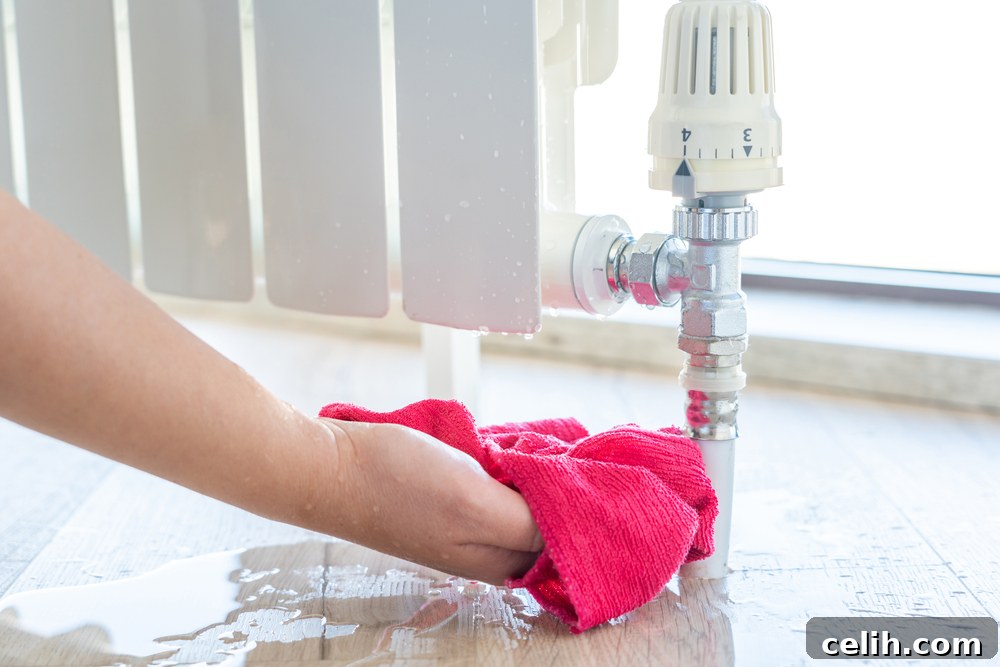
The intricate network of pipes hidden within the walls and floors of your home serves a vital purpose, silently delivering fresh water and whisking away waste. Yet, these seemingly unassuming conduits hold the potential for significant disruption – a burst pipe. More than just a minor inconvenience, a sudden pipe rupture can unleash a torrent of water, causing extensive damage, financial strain, and profound stress for homeowners. This comprehensive guide delves into the world of burst pipes, exploring their causes, identifying crucial warning signs, outlining immediate response strategies, detailing professional repair methods, and most importantly, equipping you with preventative measures to safeguard your property. Understanding and preparing for this common plumbing emergency is paramount to mitigating its impact and preserving the integrity of your cherished home.
Understanding Burst Pipes: Causes, Signs, and Potential Havoc
The phrase “burst pipe” often conjures images of a sudden, dramatic geyser of water, and while such events do occur, the reality can sometimes be more insidious. A burst pipe refers to any rupture or split in a water pipe that allows water to escape uncontrollably. The consequences range from minor leaks that go unnoticed for days to catastrophic floods that engulf entire rooms. The underlying causes of these plumbing nightmares are diverse, but a few culprits frequently top the list.
Common Causes of Burst Pipes:
- Freezing Temperatures: This is perhaps the most well-known cause. When water freezes inside a pipe, it expands. This expansion creates immense pressure within the confined space of the pipe, eventually leading to a rupture. Pipes located in unheated areas like basements, crawl spaces, attics, or exterior walls are particularly vulnerable during cold snaps.
- Corrosion: Over time, the internal surfaces of pipes, especially older metal pipes, can corrode. This chemical degradation weakens the pipe material, making it brittle and susceptible to cracking or bursting, even under normal water pressure.
- High Water Pressure: While essential for a good shower, excessively high water pressure can put undue stress on your plumbing system. If your home’s water pressure regulator fails or isn’t properly set, the constant strain can lead to weakened joints and eventually, a burst pipe.
- Age and Wear: Like any component of your home, pipes have a lifespan. Older pipes, particularly those made of less durable materials, are more prone to degradation, micro-fractures, and eventual failure due to years of continuous use.
- Shifting Foundations: The natural movement of a home’s foundation or settling ground can place stress on underground or in-wall pipes, leading to bends, cracks, and bursts.
- Poor Installation: Improperly installed pipes, pipes with weak joints, or those that have been subjected to undue stress during installation are ticking time bombs, often failing prematurely.
- Impact Damage: Accidents during home renovations, digging in the yard, or even significant impacts from heavy objects can directly damage pipes, leading to immediate or delayed ruptures.
Spotting the Early Warning Signs:
Before a full-blown rupture, your plumbing system often provides subtle hints of impending disaster. Being vigilant for these signs can save you from extensive water damage:
- Unexplained Damp Spots or Stains: Persistent damp patches on walls, ceilings, or floors, or the sudden appearance of water stains, are strong indicators of a hidden leak or a pipe nearing its breaking point.
- Audible Water Flow: If you hear the distinct sound of running water when all faucets are off and no appliances are using water, it’s a critical sign that water is escaping somewhere within your system.
- Sudden Drop in Water Pressure: A noticeable and unexplained decrease in water pressure across multiple fixtures could mean water is diverting from the main flow due to a leak.
- Discolored Water: Rusty or murky water could signal internal pipe corrosion, indicating a weakening structure.
- Musty Odors: The smell of mildew or dampness, especially in areas like basements or under sinks, can be a symptom of concealed water damage and potential pipe issues.
- Unusually High Water Bills: A sudden spike in your monthly water bill, with no corresponding increase in usage, is a tell-tale sign of a hidden leak allowing water to escape your system constantly.
In moments of such plumbing emergencies, having a trusted partner is invaluable. Companies like Pipe Xpress Inc offer reliable, efficient, and precise solutions for everything from minor leaks to significant pipe ruptures. Their expertise ensures that professional help is just a call away when you need it most.
The Devastating Impact: Damage Caused by Burst Pipes
An unrestrained broken pipe doesn’t just make a mess; it can unleash a torrent of dark consequences. As water aggressively claims new territory within your home, the damage can be widespread and insidious. Your home’s structural integrity can be compromised, precious personal belongings may be utterly destroyed, and the insidious growth of mold can begin in as little as 24-48 hours. Beyond the immediate visible damage, there’s the looming financial chasm created by extensive repairs, replacements, and potential health hazards. When it comes to burst pipes, prevention is not just better than a cure; it’s often the undisputed champion over catastrophic repair costs.
The Scope of Water Damage:
- Structural Damage: Prolonged water exposure can weaken wooden beams, drywall, insulation, and flooring. This can lead to sagging ceilings, warped floors, and compromised structural stability, necessitating costly repairs.
- Personal Property Loss: Furniture, electronics, cherished family heirlooms, documents, and clothing can all be ruined by water, leading to significant emotional and financial loss.
- Mold and Mildew Growth: One of the most dangerous long-term effects, mold thrives in damp, dark environments. It can spread rapidly, causing respiratory issues, allergies, and requiring professional remediation, which is often expensive.
- Electrical Hazards: Water coming into contact with electrical systems can create dangerous short circuits, power outages, and even fire hazards or electrocution risks.
- Reduced Home Value: Severe water damage, especially if not professionally and thoroughly remediated, can negatively impact your home’s market value.
- Health Concerns: Beyond mold, standing water can attract pests and harbor bacteria, posing additional health risks.
When Disaster Strikes: What to Do When Pipes Burst
Your Immediate Response: Crucial First Steps
The moment you discover a burst pipe, panic can easily set in. However, a calm and swift response is critical to minimizing damage and ensuring safety. Think of it as an emergency drill:
- Shut Off the Main Water Supply IMMEDIATELY: This is your absolute first priority. Locate your home’s main water shutoff valve (often in the basement, utility closet, or outside near the meter) and turn it off. This will stop the flow of water and prevent further flooding.
- Turn Off Electricity if Necessary: If water is near electrical outlets, appliances, or your circuit breaker box, proceed with extreme caution. If safe to do so, turn off the electricity to the affected area from your main breaker panel to prevent electrical hazards. If it’s unsafe, do not attempt it and wait for professionals.
- Drain the System: Once the main water is off, open all cold water faucets (both upstairs and downstairs) to drain any remaining water from the pipes. Flush toilets until the tanks are empty. This relieves pressure and minimizes residual leakage.
- Contain and Collect Water: Begin mopping, using buckets, towels, and even a wet/dry vacuum to remove standing water. The faster water is removed, the less opportunity it has to cause damage or promote mold growth.
- Protect Valuables: Move furniture, electronics, artwork, and other valuable possessions away from the flooded area to a dry location. Elevate items off the floor if possible.
- Document the Damage: Before significant cleanup begins, thoroughly document the scene. Take videos and photographs of the burst pipe, the flooded areas, and any damaged belongings. This visual evidence will be crucial for insurance claims.
Summoning the Rescue Rangers: Professional Plumbing Help
With the immediate crisis contained, your next crucial step is to contact a qualified plumbing professional. In this turbulent hour, your plumber truly dons the cap of a reliable savior, rescuing you from the whirlwind of water woes. Their expertise is indispensable for navigating through the wreckage, accurately diagnosing the problem, and swiftly restoring harmony to your threatened sanctuary.
However, not all heroes wield a reliable shield! Ensure that the professionals you call upon are licensed, insured, and possess a solid track record of handling burst pipe emergencies. Look for companies with excellent reviews and those offering emergency services, as time is of the essence.
Cushion the Blow: Mitigate Ongoing Damage
While you anxiously await your plumbing savior’s arrival, your efforts don’t have to stop. Continue to arm yourself with mops, buckets, and towels to combat the ongoing water flux, even after the main supply is off, as residual water can still cause issues. Ventilate the area by opening windows and doors, and if safe, use fans or dehumidifiers to start the drying process. As mentioned, continue to chronicle the upheaval – document everything with videos, capture multiple images from various angles, and annotate the extent of the catastrophe. This meticulous record-keeping is your lifeline during insurance claims and damage evaluations, ensuring you receive fair compensation for your losses.
Into the Eye: Unraveling the Burst Pipe Mystery
When the plumber joins the fray, their primary task is to dive right into the root cause of the problem. A burst pipe isn’t just about the visible split; it turns the plumber into a detective as they attempt to decipher the exact trigger point, the underlying causative factor, and assess the full onslaught of damages. They use specialized tools, sometimes including cameras for hidden pipes, to pinpoint the precise location of the rupture and understand why it occurred. Cracking the code behind a rogue pipe’s behavior shines the spotlight on the silent duel with freezing temperatures, relentless and slow-yielding corrosion, or a battle against excessive water pressure. This diagnostic step is crucial for ensuring that the repair is not just a temporary fix but a lasting solution.
The Rebuild: Mending the Broken Pipes
Fixing a broken pipe is more art than mere work, requiring skill and precision. Depending on the extent, location, and material of the rupture, the plumber might employ several repair techniques. For minor cracks, a temporary patch or epoxy seal might suffice. For more significant damage, a section of the damaged pipe might be cut out and replaced with a new, robust piece, seamlessly joined using appropriate fittings. In cases of extensive damage or difficult-to-access pipes, more advanced solutions like pipe relining might be recommended. Following the repair, rigorous testing of the pipe system under different scenarios is performed to detect any unnoticed leaks or faults, ensuring a leak-proof, well-functioning pipe system that provides peace of mind.
Pipe Relining to Fix Pipes: A Modern Solution
One increasingly popular and highly effective solution a plumber might recommend for damaged pipes is pipe relining. This trenchless technology offers significant advantages over traditional “dig and replace” methods, particularly for pipes that are underground, under foundations, or within walls. Pipe relining fixes pipe bursts by creating a new, durable inner lining within the damaged pipe itself. This innovative process involves several key steps:
- Thorough Inspection: The first step involves a comprehensive inspection using specialized CCTV cameras and other equipment to thoroughly examine the interior of the damaged pipe. This identifies the exact location, nature, and extent of the pipe bursts or cracks.
- Pipe Cleaning: Before relining, the damaged pipe is meticulously cleaned. Any debris, scale, tree roots, or obstructions that may impede the relining process or compromise the bond of the new liner are removed using hydro-jetting or other specialized tools.
- Lining Material Preparation: A flexible, textile liner (often made of fiberglass or polyester) is prepared. This liner is impregnated with a specially formulated epoxy resin, carefully mixed to ensure proper curing. The prepared liner is often referred to as a “bladder.”
- Precise Insertion: The resin-coated liner is then carefully inserted into the damaged pipe. This can be done by inverting it with air pressure, pulling it through, or using a “bladder” that inflates and pushes the liner into place. The technician ensures it is precisely positioned to cover all areas affected by pipe bursts or damage.
- Inflation and Curing: Once in place, the liner or bladder is inflated, pressing the resin firmly against the inner walls of the existing pipe. This pressure ensures a tight, seamless bond. The resin then cures and hardens, typically through ambient temperature, applied heat, or UV light, transforming into a new, structurally sound, and seamless pipe within the old one.
- Reinstating Connections: After the resin has fully cured and the new pipe lining is solid, any lateral connections or junctions (e.g., connections to branch lines) that were covered by the relining process are robotically cut and reinstated. This ensures that the relined pipe functions correctly and all parts of the plumbing system are connected.
- Final Inspection: A final CCTV inspection is performed to verify the success of the relining process. This confirms that the new lining is smooth, free of imperfections, and effectively seals all previous bursts or cracks, providing a durable and long-lasting repair.
By creating a new, robust, and structurally sound inner lining, pipe relining effectively fixes pipe bursts without the need for costly, disruptive, and time-consuming excavation. This trenchless method saves considerable time and money, minimizes the environmental impact, and preserves landscaping and property aesthetics, making it an excellent alternative to traditional pipe replacement techniques.
The Clean-Up Routine: Returning to Normality
Once the immediate plumbing storm passes, and your plumber bids farewell, you’re often left with a daunting aftermath: water damage. The clean-up routine is paramount to prevent secondary problems and fully restore your home. The first priority is to thoroughly dry out all water-beleaguered portions of your home. This involves using powerful dehumidifiers, industrial fans, and sometimes specialized drying equipment. Next, it’s crucial to target the lurking threat of mold. Professional mold remediation might be necessary to ensure no spores remain, which can proliferate rapidly in damp environments and pose health risks. Sanitizing all affected surfaces is also vital to ensure bacteria find no haven, maintaining a healthy living environment.
Take careful note of the damage inflicted by the water rebellion: from your decor and personal items to structural elements like drywall, flooring, and even the very ambiance of your haven. Assess, repair, repaint, rebuild, or replace as the situation demands. This restoration process can be extensive, but meticulous attention to detail ensures your home returns to its pre-damage condition, or even better.
The Next Step: Fortifying Your Home’s Defenses
Being once bitten, you’ll undoubtedly be twice as prepared! Learning from the experience of a burst pipe is crucial for future prevention. Regular plumbing maintenance, vigilant attention to any signs of degradation in your piping system, and proactively preparing your pipeline for extreme weather conditions should top your priority list. This proactive approach significantly reduces the risk of future incidents.
- Insulate Exposed Pipes: Wrapping susceptible pipes in insulation takes the bite out of harsh winter months and safeguards them from unexpected freezes, especially those in unheated areas.
- Maintain Optimal Thermostat Settings: During cold weather, never set your thermostat below 55°F (13°C), even when away, to keep pipes warm enough to prevent freezing.
- Regular Plumbing Inspections: Schedule annual check-ups with a qualified plumber. They can identify weakened pipes, address minor leaks before they escalate, check water pressure, and provide expert advice on preventative measures.
- Address High Water Pressure: If your home has high water pressure, consider installing a pressure regulator or having an existing one checked and adjusted by a plumber to prevent undue strain on pipes.
- Seal Cracks and Openings: Seal any cracks in your home’s foundation or exterior walls that could allow cold air to reach pipes.
- Know Your Water Chemistry: If you have hard water, consider a water softener to reduce mineral buildup that can contribute to pipe corrosion and blockages.
The Preparation: Emergency Drill Down
Emergency preparedness is your steadfast ally in the face of any plumbing crisis. Don’t wait for a burst pipe to occur to start thinking about what to do. Proactive steps can make all the difference in minimizing damage and stress.
- Keep Professional Plumbers on Speed Dial: Have the contact information for trusted, licensed plumbers, especially those offering 24/7 emergency services, readily available. Companies like After Hours Plumbing are essential contacts for unexpected emergencies.
- Label Shutoff Valves: Clearly label your main water shutoff valve and any individual fixture shutoff valves (under sinks, behind toilets) so that anyone in the household can quickly locate and operate them during an emergency.
- Educate Household Members: Ensure all adult members of your household are aware of the location of the main water shutoff valve and understand how to turn it off. Practice this if necessary.
- Create an Emergency Kit: Assemble a basic kit including buckets, towels, a wet/dry vacuum, flashlights, and the plumber’s contact information.
- Regularly Inspect Your System: Periodically check visible pipes for signs of corrosion, dampness, or small leaks.
- Timely Component Replacement: Be proactive about replacing plumbing components that are nearing their expiry date, such as old water heaters or worn-out pipes.
We sincerely hope that you’ve gained a deeper understanding of the illusive dance of the “burst pipes” and recognized the crucial role of professional plumbing prowess from companies like After Hours Plumbing, along with the swift, smart actions necessary to control such instances. Keep these bits of wisdom close, for, as unpleasant and terrifying as a burst pipe situation can be, armed with knowledge and preparedness, you can face it head-on. The swift intervention of our caped plumbing crusaders can help contain and fix the emergency, helping you to restore calm, control, and comfort to your abode.
A burst pipe is not for the faint-hearted. It kicks into motion a cascade of actions that can differentiate between a manageable situation and a full-blown catastrophe! Be prepared for such emergencies, and never hesitate to call in the professionals when in doubt. Stay safe, and remember, while the plumbing world can sometimes seem fascinating and unfathomable, it doesn’t have to be terrifying when you’re well-versed in what to do! Your home’s safety and your peace of mind are worth every preventative measure.