
The garden, once a purely functional space or a simple patch of green, has undergone a remarkable transformation over the past two decades. No longer content with a basic wooden bench or flimsy plastic patio set, homeowners are increasingly viewing their outdoor areas as an extension of their interior living spaces. This shift has driven an exciting evolution in the world of garden furniture, propelling it from mere utility to sophisticated design. Today, cultivating an inviting and stylish outdoor retreat is a priority for many, with modern garden furniture playing a pivotal role in achieving this vision.
In years gone by, outdoor seating options were often limited to rudimentary items: a straightforward wooden bench, lightweight plastic patio furniture that often faded and became brittle, or sun loungers made from similar materials. These were typically complemented by brightly-coloured umbrellas and simple sun awnings, designed more for function than for aesthetic appeal or enduring comfort. The emphasis was on practicality and affordability rather than on creating a cohesive outdoor environment that mirrored the style and comfort found indoors. However, contemporary trends have ushered in a new era, where keen gardeners and style aficionados alike are embracing innovative designs, premium materials, and thoughtful aesthetics to elevate their outdoor living experience.
Embracing Nature: The Allure of Understated Hues
One of the most prominent trends in modern garden furniture is the preference for understated, natural-looking shades. These serene colours, including deep charcoals, rich dark browns, and soft light browns, are chosen precisely because they blend seamlessly with the natural garden environment. Unlike the vibrant, sometimes clashing colours of the past, these muted tones create a sense of calm and harmony, allowing the vibrant greens of foliage and the bright colours of flowers to truly pop. This palette often reflects the natural colour of the materials used in the furniture’s construction, reinforcing an organic connection to the outdoors. Beyond mere aesthetics, these subtle hues offer timeless elegance, ensuring that your outdoor investment remains stylish for years to come, effortlessly integrating into various garden designs from minimalist urban patios to expansive country landscapes.
Timeless Classics: The Enduring Charm of Wooden Furniture
While some fads in outdoor furniture have come and gone, certain old favourites continue to stand the test of time, proudly adorning front porches and back patios across the nation. Among these enduring classics, wooden furniture holds a special place. The warmth, natural beauty, and inherent strength of wood make it a consistently popular choice for creating inviting outdoor spaces. From sturdy dining tables and comfortable garden chairs to charming benches and spacious lounge sets, wooden pieces never look out of place. They exude a classic appeal that complements a wide range of architectural styles and garden themes, providing a sense of permanence and natural elegance that synthetic materials often struggle to replicate.
Among the various types of wood available for wooden garden furniture, teak stands out as a premium choice. Despite its higher price point, teak is revered for its exceptional durability, luxurious feel, and most importantly, its remarkably low maintenance requirements. Teak’s natural oils make it highly resistant to pests, rot, and the harshest of weather conditions, meaning it can withstand prolonged exposure to sun, rain, and even snow without significant degradation. Over time, untreated teak develops a beautiful silvery-grey patina, a coveted characteristic that adds to its sophisticated charm. This natural weathering process is part of its appeal, requiring minimal intervention to maintain its integrity and beauty. An investment in teak furniture is an investment in longevity and style, promising decades of enjoyment with little fuss.
Beyond teak, other woods like cedar, eucalyptus, and acacia also offer appealing options for outdoor settings. Cedar is known for its aromatic properties and natural resistance to decay and insects, while eucalyptus provides a durable and sustainable alternative with a rich, reddish-brown hue. Acacia, a hardwood, is praised for its strength and ability to be treated with various finishes, offering versatility in design. Each wood brings its own unique character and benefits, allowing homeowners to select furniture that perfectly matches their aesthetic preferences and practical needs, all while maintaining the quintessential warmth that only natural wood can provide.
The Modern Evolution: Rattan Garden Furniture
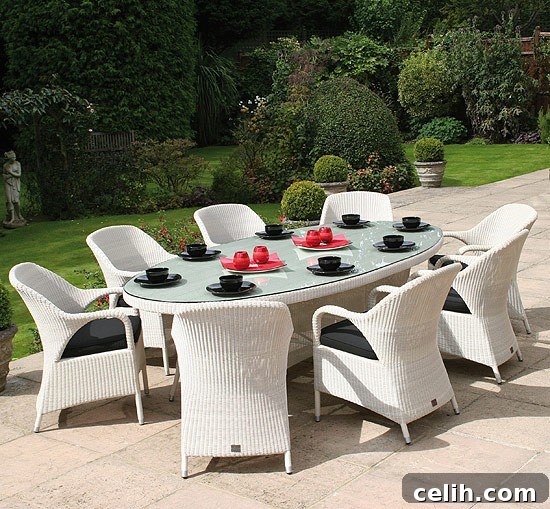
While some aspects of outdoor living remain constant, others are in a perpetual state of evolution. A prime example of this dynamic change is the emergence and widespread popularity of rattan garden furniture. What began as a relatively niche offering has blossomed into a mainstream phenomenon, largely due to its winning combination of aesthetic appeal and practical benefits. Like teak, modern rattan furniture – typically crafted from synthetic or PE rattan – is highly favoured for its exceptional weather-resistant qualities. This synthetic material is designed to endure UV radiation, moisture, and temperature fluctuations without fading, cracking, or corroding, making it an ideal choice for year-round outdoor use.
However, it is the sophisticated appearance of rattan that truly captivates gardeners and homeowners. Reflecting contemporary tastes, the colours typically used in its design are usually understated shades of charcoal and brown, although a few designs might stray from this formula to incorporate subtle grey or natural tones. This colour palette, coupled with the intricate woven texture, lends an air of understated luxury and comfort to any outdoor setting. Synthetic rattan offers remarkable versatility, allowing for the creation of diverse furniture pieces that cater to every outdoor need and desire.
Beyond traditional chairs and garden sofas, rattan is increasingly being used to craft stylish tables, inviting sun loungers, and expansive modular lounge sets. These pieces often feature plush, weather-resistant cushions, transforming outdoor spaces into comfortable living rooms under the sky. The modular nature of many rattan sets allows for flexible arrangements, enabling homeowners to configure their outdoor seating to suit different occasions, from intimate family gatherings to larger social events. The durability, style, and low-maintenance nature of synthetic rattan have solidified its position as a cornerstone of modern outdoor design, promising both comfort and elegance for years of enjoyment.
Beyond Wood and Rattan: A Spectrum of Outdoor Materials
The innovation in patio furniture doesn’t stop with wood and rattan. The market now offers an impressive array of materials, each bringing unique benefits and aesthetics to the outdoor realm. Aluminium, for instance, is a popular choice for its lightweight nature and rust-resistant properties, making it easy to move and ideal for coastal environments. It often features sleek, contemporary designs that appeal to modern tastes. Wrought iron, on the other hand, offers a heavier, more traditional look, known for its incredible durability and ornate design possibilities, though it may require more maintenance to prevent rust.
Stainless steel provides a sophisticated, minimalist aesthetic, offering excellent resistance to corrosion and a robust structure. For ultimate ease, Textilene or sling fabric furniture is celebrated for being quick-drying and virtually maintenance-free, perfect for poolside areas. Even concrete and fibre cement are gaining traction, providing an industrial chic vibe that is exceptionally sturdy and long-lasting. Environmentally conscious consumers can also find attractive options made from recycled plastics, offering vibrant colours and impressive durability. This diverse material landscape ensures that every outdoor space, regardless of climate, style, or budget, can be furnished with pieces that are not only functional but also deeply personal and visually appealing, enhancing the overall outdoor living experience.
***This post is an association with Bridgman***