
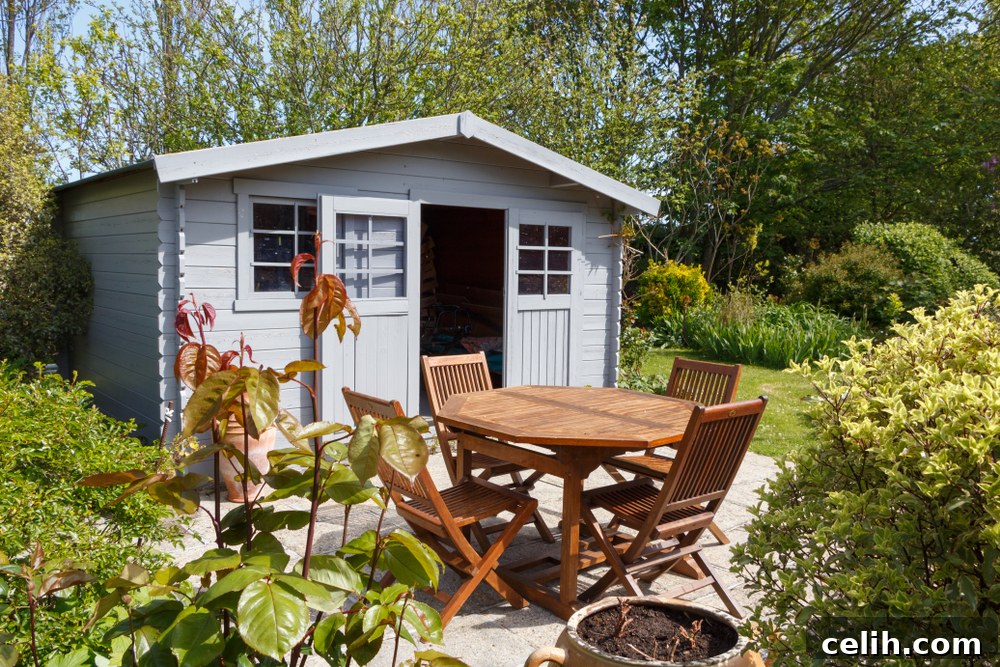
Transforming your garden into a truly versatile extension of your home is easier than you think, thanks to the addition of thoughtfully chosen outbuildings. Far beyond simple storage solutions, these outdoor structures offer a wealth of opportunities to enhance your lifestyle, boost property value, and unleash the full potential of your exterior space. Whether you dream of a serene retreat for relaxation, a productive workspace, or a vibrant hub for growing your own produce, the right outbuilding can make all the difference.
From elegant summerhouses providing a tranquil escape to robust workshops fostering creativity, and from practical sheds organizing garden essentials to sophisticated greenhouses nurturing your horticultural passions, each structure brings unique advantages. These additions not only provide much-needed extra room but also inject character and charm into your garden design, evolving with your needs through every season. In this comprehensive guide, we’ll delve into the diverse world of garden outbuildings, exploring their myriad benefits, optimal uses, and key considerations to help you select the perfect addition to your outdoor haven.
Embrace Serenity and Style with a Summerhouse
A summerhouse is much more than just a seasonal garden feature; it’s an invitation to extend your living space outdoors, offering a dedicated spot for relaxation, entertainment, and productivity all year round. Unlike a traditional shed, summerhouses are designed with aesthetics and comfort in mind, often featuring large windows, elegant finishes, and a more inviting interior that encourages prolonged stays. You can explore a variety of designs and styles by visiting reputable sites like scottsofthrapston.co.uk/summerhouses/ to find one that perfectly complements your garden and home architecture.
Versatile Uses for Your Summerhouse
- Garden Office or Studio: Escape the distractions of the main house and create a focused environment for work, writing, or creative pursuits. The natural light and garden views can significantly boost productivity and inspiration.
- Outdoor Living Room: Furnish it with comfortable seating, soft lighting, and perhaps a small coffee table to create an additional lounge area. It’s an ideal spot for enjoying a morning coffee, reading a book, or hosting intimate gatherings with friends and family, shielded from unexpected showers or cool breezes.
- Hobby Room: Whether you’re into painting, crafting, yoga, or playing music, a summerhouse provides a dedicated space where you can fully immerse yourself in your passions without encroaching on indoor living areas.
- Kids’ Playroom: Keep toys and games organized and provide a delightful, separate play area for children, especially during good weather.
- Quiet Retreat: Sometimes, you just need a place to unwind and de-stress. A summerhouse offers a peaceful sanctuary where you can meditate, enjoy the tranquility of your garden, or simply escape to another world, as highlighted by Horticulture Week.
Design and Features to Consider
Summerhouses come in an array of shapes and styles, from classic octagonal designs to contemporary rectangular structures, ensuring there’s an option to suit any garden size and aesthetic preference. Most are crafted from high-quality, treated timber, designed to withstand the elements and resist insect damage for years to come. When selecting your summerhouse, consider:
- Windows: Maximizing natural light and views is crucial. Large windows, often double-glazed for insulation, create an airy feel and allow you to fully appreciate your garden’s beauty from within.
- Insulation and Heating: For true year-round usability, opt for models with good insulation in the walls, floor, and roof. Adding a small electric heater or wood burner can make your summerhouse cozy even on the chilliest days.
- Materials and Finishes: While wood is traditional, you can find options with different finishes or even uPVC for low maintenance. Choose a style and color that complements your main home and garden.
- Foundation: A solid, level base is essential for the longevity of your summerhouse.
By investing in a well-designed summerhouse, you’re not just adding a structure; you’re creating a cherished outdoor room that offers endless possibilities for enjoyment and relaxation throughout the seasons.
The Indispensable Garden Shed: Functionality and Beyond
When it comes to fundamental garden outbuildings, the humble shed reigns supreme. Primarily known for its invaluable storage capabilities, a modern shed offers much more than just a place to stash tools. With a vast array of sizes, styles, and materials available, sheds are designed to meet diverse needs, whether you’re a casual gardener, a DIY enthusiast, or simply seeking to declutter your main living spaces.
Core Functions and Practicality
Sheds are the unsung heroes of garden organization, providing a secure and weather-protected home for countless items:
- Garden Tools and Equipment: From lawnmowers and strimmers to spades, rakes, and potting essentials, a shed keeps all your gardening gear tidy, accessible, and safe from the elements.
- Outdoor Furniture and Cushions: Protect your patio furniture, barbecue covers, and outdoor cushions from harsh weather during off-seasons, extending their lifespan.
- Children’s Outdoor Toys: Bikes, scooters, sports equipment, and larger outdoor toys can be neatly stored away, keeping your garden clear and safe.
- Bicycles: A dedicated bike shed or a section within a larger shed offers secure storage for bicycles, protecting them from theft and weather damage.
Types, Materials, and Construction
Sheds are available in various constructions, each offering different benefits:
- Wooden Sheds: The most traditional choice, often available with either overlap timber cladding (cost-effective, rustic look) or tongue-and-groove panels (superior weatherproofing, more secure, cleaner finish). Wood sheds are versatile and can be painted or stained to match your garden’s aesthetic. They do require regular maintenance, such as treating the wood.
- Metal Sheds: Known for their durability, low maintenance, and fire resistance, metal sheds are a robust option. They are excellent for security and longevity but can sometimes be prone to condensation if not properly ventilated.
- Plastic Sheds: Lightweight, easy to assemble, and virtually maintenance-free, plastic sheds are resistant to rot, rust, and pests. They are a great choice for smaller gardens or for those seeking a quick and easy storage solution.
Beyond Basic Storage: Expanding the Shed’s Potential
While often seen as a purely practical space, a shed’s potential can be expanded:
- Potting Shed: Combine storage with a dedicated area for seed starting, potting plants, and other gardening tasks, often with a workbench and shelving.
- Small Workshop: For lighter DIY tasks, a shed can be equipped with a workbench and basic tools. However, for more intensive projects, a dedicated workshop might be more suitable.
- Utility Space: Some sheds can house larger items like freezers, washing machines (with proper plumbing and electrical installation), or even serve as a dog kennel.
When choosing a shed, prioritize security features like robust locks and strong construction, especially if you plan to store valuable items. A solid, level base is crucial for stability and drainage, ensuring your shed stands strong for many years.
Nurture Your Green Thumb with a Greenhouse
For avid gardeners and aspiring horticulturists, a greenhouse represents a truly invaluable investment. This specialized outbuilding provides a controlled environment, allowing you to defy unpredictable weather patterns, extend growing seasons, and cultivate a diverse range of plants that might otherwise struggle in your local climate. As discussed in A Beginner’s Guide to Greenhouses, understanding the basics is key to maximizing its potential.
Unlocking a World of Growing Possibilities
The benefits of owning a greenhouse are extensive, offering advantages for both novice and experienced gardeners:
- Extend the Growing Season: Start seeds earlier in spring and keep plants thriving later into autumn, effectively lengthening the period you can harvest fresh produce or enjoy blooms.
- Grow Exotic and Delicate Plants: Cultivate heat-loving vegetables like tomatoes, peppers, and cucumbers, or nurture tender ornamentals and tropical fruits that require warmer, more consistent temperatures.
- Seed Propagation and Cuttings: Provide an ideal, humid environment for germinating seeds and rooting cuttings, significantly increasing your success rate.
- Protection from Pests and Weather: Shield your plants from harsh winds, heavy rain, hail, and common garden pests, ensuring healthier growth.
- Organic Gardening: Greenhouses facilitate organic pest control methods, reducing the need for chemical sprays.
- Therapeutic Hobby: Spending time in a greenhouse can be a wonderfully calming and rewarding activity, connecting you with nature even when the weather outside is poor.
Choosing the Right Greenhouse for Your Garden
Greenhouses come in various designs, sizes, and materials to suit different budgets and gardening ambitions:
- Sizes: From compact mini-greenhouses and cold frames perfect for small gardens or specific plant protection, to larger freestanding models with ample space for extensive cultivation. Lean-to greenhouses attach to an existing wall, saving space and utilizing residual heat.
- Glazing Materials:
- Horticultural Glass: Offers excellent light transmission and clarity, but is brittle.
- Toughened Glass: More durable and safer than horticultural glass, breaking into small, blunt pieces.
- Polycarbonate: Lightweight, virtually unbreakable, and offers good insulation, making it very popular.
- Frame Materials:
- Aluminum: Low maintenance, strong, and rust-resistant.
- Wood: Aesthetically pleasing, offers good insulation, but requires more maintenance (treating, painting).
- Essential Features:
- Ventilation: Automatic roof vents are crucial for regulating temperature and humidity, preventing overheating and fungal diseases.
- Heating: For truly tropical plants or winter growing, consider electric heaters, paraffin heaters, or even bubble insulation.
- Staging and Shelving: Maximizes growing space and organizes pots and tools.
- Watering Systems: Automated drip irrigation can save time and ensure consistent moisture.
- Shading: Roller blinds or shade paint can prevent scorching during intense summer sun.
The strategic placement of your greenhouse is also key; aim for a spot that receives maximum sunlight, especially morning sun, and is sheltered from strong winds. A greenhouse provides consistency and control in the unpredictable world of gardening, making it an ideal choice for any dedicated plant lover.
Unleash Your Potential with a Dedicated Workshop
For those who frequently engage in DIY projects, require a dedicated space for hobbies, or even run a small business from home, a garden workshop is an unparalleled asset. Distinct from a simple shed, a workshop is designed to be a robust, functional, and often powered environment tailored to more demanding tasks. It’s the perfect solution for keeping noisy or messy activities separate from your main living areas, providing an organized and specialized zone for your endeavors.
Why Invest in a Garden Workshop?
A properly equipped workshop goes beyond basic storage, offering significant advantages:
- Dedicated Workspace: Provides a permanent setup for tools, workbenches, and project materials, eliminating the need to constantly set up and pack away.
- Noise and Mess Containment: Perfect for activities like woodworking, metalwork, or pottery that can generate dust, noise, or fumes. It keeps these elements away from your home.
- Enhanced Productivity: A designated, organized space can significantly improve efficiency and focus, making it easier to start and complete projects.
- Professional or Business Use: Many entrepreneurs successfully operate small businesses – from bespoke furniture making to artisan crafts – directly from their garden workshops. This investment can quickly pay for itself.
- Tool Security: Workshops often come with enhanced security features, providing a safer home for valuable power tools and equipment.
Key Features and Considerations for Your Workshop
Building or choosing a workshop requires careful thought to ensure it meets your specific needs:
- Power Supply: This is often the most critical feature. A safe, professionally installed electrical supply with ample sockets for lighting, power tools (saws, drills, sanders), and potentially heating/cooling, is essential.
- Robust Flooring: The floor must be able to withstand heavy loads, spills, and impact from dropped tools. Concrete or heavy-duty timber flooring is often preferred.
- Insulation and Ventilation: For comfortable year-round use, good insulation in the walls, floor, and roof is vital. Adequate ventilation (windows, vents, extractors) is also crucial for removing dust, fumes, and managing temperature.
- Workbenches and Storage: Integrate sturdy workbenches tailored to your activities. Wall-mounted shelving, pegboards, and drawers are invaluable for organizing tools and materials efficiently.
- Lighting: Bright, task-specific lighting is necessary for precision work, especially during darker hours.
- Security: Workshops often house expensive equipment. Invest in high-quality locks, reinforced doors, and potentially even alarms or window bars.
- Size and Layout: Plan the layout to accommodate your machinery, work area, and movement needs, ensuring there’s enough space for safe operation.
Whether you’re crafting masterpieces, performing repairs, or simply enjoying a hands-on hobby, a well-designed garden workshop provides the ideal environment to bring your ideas to life and potentially even launch a thriving home-based business.
Making the Right Choice: Your Garden Outbuilding Conclusion
The decision to add an outbuilding to your garden is an investment that promises substantial returns, both in terms of functionality and lifestyle enhancement. As we’ve explored, these versatile structures go far beyond their traditional roles, offering dedicated spaces for relaxation, productivity, creative pursuits, and practical storage that seamlessly integrate with and enrich your home environment. The possibilities are truly boundless, whether you envision a tranquil summerhouse for unwinding, a robust workshop for your passion projects, an efficient shed for immaculate organization, or a nurturing greenhouse for year-round horticultural delight.
Key Considerations for Your Outbuilding Project
Before making your final choice, reflect on a few crucial aspects:
- Your Needs: What primary function do you require? Is it more storage, a quiet retreat, a workspace, or a growing environment?
- Available Space: Measure your garden carefully to ensure the outbuilding fits comfortably without overcrowding. Consider height restrictions and access points.
- Budget: Outbuildings range widely in price depending on size, materials, features, and level of customization. Plan accordingly.
- Aesthetics: Choose a style, color, and material that complements your existing home and garden design, enhancing its overall appeal.
- Local Regulations: Always check with your local planning authority regarding any permissions or restrictions that might apply to building new structures in your garden.
- Maintenance: Consider the long-term upkeep requirements for different materials and designs.
Ultimately, investing in a garden outbuilding is about intelligently expanding your living footprint and making the most out of every inch of your property. Each type offers distinct benefits, promising to transform your garden into a more functional, enjoyable, and valuable extension of your home. By carefully considering your aspirations and practical requirements, you can select the perfect outbuilding to unlock the full potential of your outdoor space and create a haven that serves you well for years to come.