
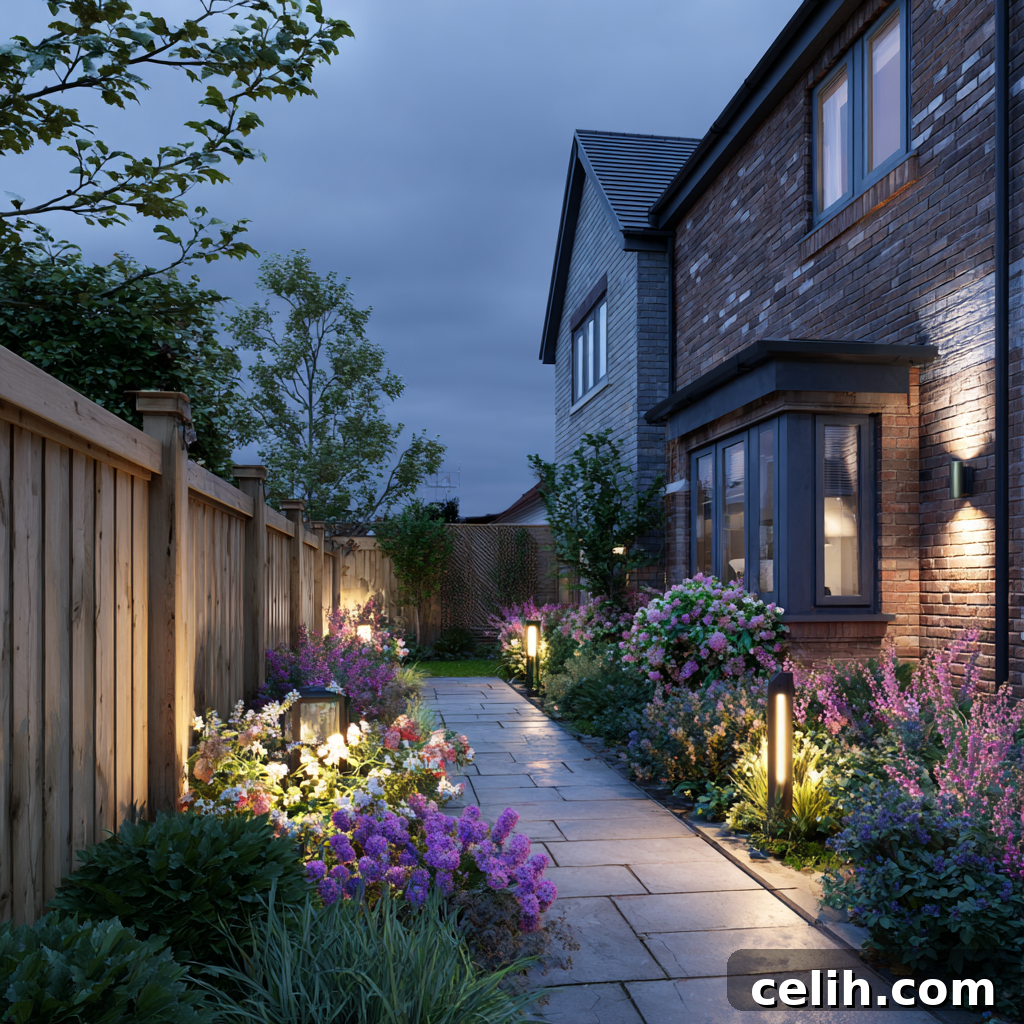
Transforming your garden walkways into captivating and secure pathways requires a thoughtful approach to lighting design. The delicate balance between ensuring safety and enhancing the natural beauty of your outdoor space is paramount. With an array of fixtures and strategic placement options, including advanced architectural outdoor lighting solutions, the initial choices can seem overwhelming. However, by understanding the fundamental principles, you can create an inviting atmosphere that not only guides visitors but also accentuates your landscape’s unique features. The decisions you make will profoundly impact both the practicality and the allure of your garden – so, how do you embark on this illuminating journey?
The Indispensable Role of Pathway Lighting
Pathway lighting is not merely an accessory; it’s a critical component for both the safety and aesthetic appeal of any outdoor environment. When you meticulously design your garden walkways, prioritizing proper illumination becomes essential to prevent potential hazards. Dimly lit paths, particularly during evening hours or after dusk gatherings, pose significant risks of trips, slips, and falls for you and your guests. Strategically placed light fixtures act as clear visual guides, ensuring effortless and confident navigation through your property.
Beyond safety, well-lit pathways are instrumental in defining and enhancing the overall ambiance of your outdoor area. They allow you to spotlight the natural grandeur of your garden, draw attention to intricate architectural details, and create distinct moods using carefully selected lighting techniques. Imagine soft, warm lights that evoke a cozy and intimate atmosphere, perfect for quiet contemplation or romantic evenings. Conversely, brighter, more focused options can infuse a vibrant, lively feel, ideal for social gatherings and celebrations. Lighting transforms flat surfaces into three-dimensional experiences, adding depth and character.
Furthermore, pathway lighting plays a vital security role. A well-illuminated perimeter discourages unwelcome intruders and enhances the sense of security, allowing you to fully enjoy your outdoor spaces without apprehension. This added layer of protection contributes to your peace of mind and can even elevate your property’s value. The presence of light suggests activity and surveillance, making your home a less appealing target. Ultimately, the correct pathway lighting transcends basic visibility; it significantly elevates the aesthetic charm of your garden, forging a harmonious synergy between functionality and design that truly reimagines your outdoor environment into a welcoming sanctuary.
Diverse Types of Lighting Fixtures for Every Garden
Selecting the appropriate lighting fixtures can profoundly reshape your outdoor pathways, contributing significantly to both safety and visual appeal. Each type of fixture serves a distinct purpose, offering unique benefits. A thorough understanding of the available options empowers you to craft an inviting, secure, and highly functional space.
- Post Lights: These taller, often classic fixtures are excellent for illuminating larger sections of a pathway. Standing at various heights, they cast a broad spread of light, ideal for lining both sides of longer walkways or driveways, providing a timeless aesthetic. They are particularly effective for general ambient lighting.
- Recessed Lights: Designed to be installed flush with the ground or within steps, recessed lights offer a seamless, minimalist appearance. They are perfect for contemporary garden designs, minimizing trip hazards and creating subtle guidance. Their discreet nature ensures the focus remains on the path itself and surrounding features.
- Solar Lights: Environmentally friendly and remarkably easy to install, solar lights capture sunlight during the day to power their illumination at night. They are a cost-effective choice, requiring no complex wiring, making them ideal for areas where running electrical lines might be challenging or expensive. While less intense than wired options, their convenience is unmatched.
- String Lights: These versatile and charming lights can add a whimsical, festive touch to your garden. Perfect for draping over pergolas, trees, or along fences, string lights infuse your outdoor space with a warm, inviting glow, creating an intimate and magical atmosphere for special occasions or everyday enjoyment.
- Bollard Lights: Similar to post lights but typically shorter and more robust, bollard lights provide a focused, downward illumination, making them ideal for defining path edges and enhancing visibility without causing glare. They offer a modern, architectural look.
- Path Lights: Often smaller than post lights, path lights are designed specifically to illuminate the path surface directly, typically standing 12-24 inches tall. They guide the eye along the walkway and can be used in greater numbers for a more continuous light effect.
- Step Lights: Crucial for safety on multi-level paths, step lights are integrated directly into risers or alongside steps, providing focused light precisely where it’s needed most to prevent missteps.
When you thoughtfully combine different types of fixtures, you achieve more than just enhanced visibility; you create a sophisticated, layered lighting effect. This approach allows for a welcoming ambiance while ensuring every part of your garden is safely navigable. Consider your specific needs, the architectural style of your home, and the overall design of your outdoor space to select fixtures that not only complement but elevate your aesthetic vision.
Optimizing Your Pathway with Ideal Placement Strategies
To truly maximize the effectiveness and visual impact of your chosen lighting fixtures, careful consideration of their placement along your pathways is paramount. Begin by thoroughly evaluating the width, curvature, and overall layout of your walkways. For narrower paths, fixtures should be placed closer together, ideally every 4-6 feet, to guarantee uniform and consistent illumination. This prevents the formation of dark spots and ensures a continuous glow. On broader paths, you can space fixtures further apart, approximately 8-10 feet, while still maintaining ample and effective lighting, often creating a more subtle effect.
Next, meticulously consider the height of your fixtures. Position lights at a height that effectively minimizes harsh shadows and significantly enhances visibility without causing uncomfortable glare directly into the eyes. If you are integrating wall-mounted or traditional post lights, ensure they are installed at an optimal height, typically 18-24 inches above ground level. This specific height helps to cast light predominantly downward onto the walkway, illuminating the path surface effectively while preventing light from spilling into unwanted areas or creating annoying hot spots.
Pay strategic attention to key focal points within your garden, such as captivating garden sculptures, elegant benches, or stunning water features. Place lights specifically to highlight these features, drawing the eye and creating compelling visual interest, which naturally guides visitors along the path and encourages exploration. Additionally, experiment with various angles for your lighting; angled illumination can create dramatic and intriguing effects, emphasizing textures and forms, while simultaneously reducing the risk of undesirable light pollution that can disturb neighbors or detract from the night sky. The goal is to create overlapping pools of light that seamlessly transition, providing a guiding glow rather than a harsh, directed beam.
Mastering Light Intensity for Perfect Ambiance and Safety
The intensity of illumination is a crucial factor in crafting a safe, inviting, and aesthetically pleasing atmosphere along your pathways. When choosing the right intensity for your pathway lighting, it’s essential to strike a harmonious balance between functional necessity and desired ambiance. Light that is too dim poses significant risks of accidents and diminishes visibility, while overly bright light can create harsh glare, detracting from the natural beauty of your garden and potentially causing discomfort.
To achieve the ideal intensity and truly transform your outdoor space, keep these critical factors in mind:
- Purpose of the Pathway: Is your pathway primarily for leisurely evening strolls and gentle enjoyment, or does it serve as a functional route for frequent foot traffic? Pathways used for practical navigation often require a slightly higher intensity for enhanced safety, whereas decorative or less-frequented paths can benefit from softer, more subtle lighting. Adjust the intensity accordingly to match its intended use.
- Surrounding Landscape and Ambient Light: Carefully assess the existing natural light levels available from nearby elements like mature trees, dense shrubs, or adjacent structures. These elements can significantly influence the necessary brightness of your artificial lighting. Consider how moonlight or light from your home might contribute to the overall illumination, allowing you to dial back artificial intensity where natural light already exists.
- Light Color Temperature: The color temperature of your lights, measured in Kelvins (K), plays a pivotal role in setting the mood. Warmer tones (typically 2700K-3000K) emit a soft, amber glow that creates a cozy, welcoming, and intimate feel, reminiscent of candlelight or sunset. These are ideal for traditional or rustic gardens. Cooler tones (4000K-5000K) produce a brighter, more energetic, and modern vibe, often mimicking natural daylight. These are suitable for contemporary designs or where heightened visibility is a priority.
- Fixture Placement and Shielding: The strategic positioning of your lights, coupled with appropriate shielding, can dramatically amplify or diminish perceived intensity and prevent glare. Ensure fixtures are strategically placed to offer even coverage, minimizing hot spots and dark areas. Using shielded fixtures that direct light downwards can increase effective illumination on the path while reducing light trespass and direct glare into the eyes.
- Dimmer Controls and Zoning: Incorporating dimmer switches or smart lighting systems allows for dynamic adjustment of intensity, giving you ultimate control over the mood and functionality of your pathways. Consider creating different lighting “zones” with varying intensities to highlight specific areas or adjust for different activities. This flexibility not only conserves energy but also enhances the versatility of your outdoor lighting design.
Artfully Incorporating Landscape Features into Lighting Design
Elevating your pathway lighting design involves more than just illuminating the ground; it requires thoughtfully incorporating and accentuating existing landscape features. This not only complements your outdoor space but significantly enhances its overall aesthetic appeal and functionality. Begin by identifying key elements within your garden, such as majestic trees, vibrant shrubs, meticulously arranged flower beds, or striking rock formations, which can naturally serve as compelling focal points.
Utilize various lighting techniques to highlight these features, creating visual depth and intrigue along the entire pathway. For instance, consider installing subtle up-lights at the base of tall trees. This technique casts dramatic shadows and beautifully showcases their unique branch structure, bark texture, and canopy. Not only does this draw immediate attention, but it also conjures an enchanting and almost magical atmosphere at night, transforming ordinary trees into nocturnal sculptures. Similarly, employ path lights or small spotlights to softly illuminate flower beds, ornamental grasses, or ground cover. This guides footsteps gently while simultaneously enhancing the natural beauty and vibrant colors of your garden’s flora.
Beyond natural elements, incorporate decorative hardscape features like elegant garden sculptures, charming benches, or tranquil water features into your lighting scheme. Position lights strategically to accentuate these pieces, making them inviting and visually striking elements within the night landscape. Think about the color temperature of your lights; warmer hues (like 2700K) can significantly enhance the organic, earthy feel of your landscape, making foliage appear richer and more natural. In contrast, cooler tones (such as 4000K) may lend a more crisp, modern touch, suitable for architectural plants or contemporary garden designs. The interplay of light and shadow is also critical; intelligent placement can create dramatic effects, adding mystery and dimension.
Ultimately, your lighting design should aspire to create a harmonious and seamless blend with the surrounding features, fostering a fluid transition between the natural environment and the illuminated path. This thoughtful integration guarantees that your garden walkways are not only perfectly functional and safe but also profoundly visually engaging, inviting all to linger and admire the transformed scenery.
Paramount Safety Considerations for Outdoor Pathways
When embarking on the design of pathway lighting, it is absolutely crucial to elevate safety to the same priority level as aesthetics. Poorly lit walkways are a primary cause of trips, falls, and various accidents, especially in garden environments where uneven surfaces, hidden roots, loose paving, and other natural obstacles are commonly found. To guarantee that your path is both exquisitely beautiful and impeccably safe, consider these key safety elements with utmost diligence:
- Optimal Brightness: Select fixtures that deliver adequate illumination to clearly define the path without producing harsh, blinding glare. Aim for a balanced light level that significantly enhances visibility and depth perception without overwhelming the senses or creating uncomfortable contrasts. The goal is clarity, not intense brilliance.
- Strategic Fixture Placement: Position lights at consistent, regular intervals along the entire length of the path. This crucial step not only guarantees uniform and unbroken lighting but also serves to reliably guide visitors safely and confidently through your garden, preventing disorientation and highlighting the path’s edges.
- Considered Light Color: Opt for warmer color temperatures (e.g., 2700K-3000K) to cultivate a welcoming and comforting ambiance while simultaneously preserving excellent visibility. Cooler light can sometimes create stark, less natural contrasts that might be disorienting or strain the eyes, especially in a natural garden setting.
- Robust Weather Resistance: It is imperative to select fixtures specifically designed and rated to withstand the rigors of outdoor conditions, including moisture, extreme temperatures, and UV exposure. Confirm that your lighting units boast appropriate IP (Ingress Protection) ratings for water and dust resistance to prevent electrical hazards, corrosion, and premature failure.
- Electrical Safety and Professional Installation: For wired systems, always prioritize low-voltage options, which are inherently safer to install and maintain. Ensure all wiring connections are waterproof and buried safely. Consider consulting a qualified electrician for installation to comply with local codes and guarantee that all components are properly grounded and protected by Ground Fault Circuit Interrupters (GFCIs) to prevent electric shock.
- Minimizing Trip Hazards from Fixtures: Choose fixtures that are either flush-mounted, low-profile, or placed strategically to avoid creating new trip hazards themselves. Avoid fixtures with sharp edges or unstable bases that could be easily knocked over.
Essential Aesthetic Design Tips for Captivating Pathways
Creating an utterly inviting and visually cohesive atmosphere in your garden truly begins with a thoughtful and deliberate pathway lighting design. Start by meticulously selecting fixtures that not only complement but enhance your garden’s overarching style and your home’s architecture. For a sleek, contemporary, and modern aesthetic, opt for minimalist designs crafted from durable materials like stainless steel, brushed aluminum, or concrete. These materials offer clean lines and a sophisticated appeal. If your garden leans towards a more rustic, traditional, or charmingly quaint vibe, consider lanterns or pathway lights made from elegant wrought iron, aged copper, or natural wood, which will blend seamlessly with a more organic landscape.
Next, give careful thought to the color temperature of the bulbs you choose, as this significantly impacts the mood. Warm white lights, typically around 2700K to 3000K, emit a soft, golden glow that creates an exquisitely cozy, intimate, and welcoming ambiance, perfect for evening relaxation. In contrast, cooler temperatures, often around 4000K to 5000K, lend a more vibrant, energetic, and contemporary feel, offering crisp visibility and a daylight-like quality. The choice should align with the desired emotional response and the specific palette of your garden.
Embrace the power of layered lighting by strategically mixing different sources and techniques. This could involve combining ground lights that provide general illumination for walkways with accent lights designed to highlight surrounding plants, architectural features, or garden art. Downlighting from overhead structures or tree-mounted fixtures can create soft, diffused shadows, adding profound depth and visual interest without harsh glare. The careful interplay of light and shadow is what truly brings a garden to life after dusk.
Precision in placement is absolutely essential; position lights at regular and appropriate intervals along the path, ensuring a consistent and guiding glow, but always make certain they do not overpower or detract from the natural beauty of the landscape. Subtlety is often key to effective outdoor lighting. Furthermore, consider integrating smart lighting systems into your design. These innovative systems allow you unparalleled flexibility to adjust brightness levels, change color temperatures, and even schedule lighting cycles based on the time of day, seasonal changes, or specific events, enhancing both convenience and energy efficiency.
The Importance of Consistent Maintenance and Upkeep
Regular and diligent maintenance is absolutely essential for keeping your pathway lighting system in peak operating condition, guaranteeing it continues to enhance your garden’s beauty and functionality year after year. Neglecting this crucial upkeep can lead to a cascade of problems, including significantly diminished lighting brightness, increased energy consumption due to inefficient operation, and potentially even dangerous safety hazards. By proactively incorporating a routine maintenance schedule, you can not only prolong the lifespan of your valuable lighting fixtures but also consistently maintain their aesthetic appeal and optimal performance.
Here are some key maintenance tasks and considerations to reflect upon and integrate into your routine:
- Regular Cleaning of Fixtures: Over time, dust, pollen, fallen leaves, and other environmental debris can accumulate on light fixture lenses and housings, severely dulling their brightness and obscuring the light output. Make it a habit to clean them regularly with a soft cloth and a mild, non-abrasive soap solution. This simple act can dramatically restore their original luminosity.
- Thorough Inspection for Damage: Periodically inspect all fixtures for any signs of physical damage, such as cracks in the housing, corrosion, rust, or loose components. Address any damage promptly; small issues can quickly escalate into larger, more costly problems or even create electrical hazards if left unattended.
- Timely Replacement of Bulbs: Keep a close eye on the performance of individual bulbs. Replace burnt-out bulbs immediately with ones that precisely match the original specifications for consistency in brightness, wattage, and color temperature across your entire lighting scheme. Consider upgrading to LED bulbs for enhanced energy efficiency, longer lifespan, and reduced maintenance frequency.
- Testing Wiring and Connections: Ensure that all low-voltage wiring is intact, buried correctly, and free from any exposed sections or damage from garden tools or pests. Confirm that all electrical connections are secure, waterproof, and free from corrosion. Faulty wiring can lead to intermittent lighting, electrical hazards, or complete system malfunctions.
- Trimming Surrounding Foliage: Overgrown plants, shrubs, and tree branches can quickly obstruct light fixtures, casting unwanted shadows and reducing the effective illumination of your pathways. Regularly trim back any surrounding foliage to ensure that lights are clear and can cast their intended light pattern without impediment.
- Checking for Water Ingress: After heavy rain or irrigation, check fixtures for any signs of water inside the lenses or housing, which indicates a compromised seal. Address this immediately to prevent electrical shorts and damage to the bulb and wiring.
Conclusion: Illuminating Your Outdoor World
The thoughtful incorporation of effective pathway lighting is a transformative investment that not only profoundly enhances safety but also dramatically boosts your home’s curb appeal and overall value. Did you know that strategically designed and well-maintained outdoor lighting can potentially reduce nighttime accidents and falls by a significant margin, contributing immensely to the well-being of your family and guests? By meticulously selecting the right fixtures, carefully determining optimal light intensities, and implementing intelligent placement strategies, you possess the power to create a stunning yet inherently functional outdoor space that is both a pleasure to behold and navigate.
Consistent, proactive maintenance is the guarantor that your lights will continue to shine bright and true, year after year, reliably inviting evening strolls, intimate gatherings, and lively outdoor entertaining. Embrace the profound power of thoughtful lighting design to completely transform your garden walkways into safe, enchanting, and utterly captivating pathways that beckon you and your loved ones to explore and enjoy your outdoor sanctuary long after the sun has set. By marrying safety with spectacular aesthetics, you unlock the full potential of your garden, extending its usable hours and elevating its inherent charm.