
Create Your Private Garden Oasis: Top Solutions for Enhancing Outdoor Privacy
Having a garden or any outdoor space offers immense potential for relaxation, entertainment, and connection with nature. However, truly enjoying these moments often hinges on one crucial element: privacy. Imagine unwinding with a captivating book, hosting a delightful meal with friends and family, or simply basking in the sun without the uncomfortable feeling of being observed by curious neighbors or passersby. Creating a secluded retreat transforms your garden from a mere outdoor area into a personal sanctuary where you can truly be yourself, fostering peace of mind and enhancing your overall well-being.
Fortunately, achieving enhanced garden privacy is more accessible and diverse than you might think. A wealth of creative and practical solutions exists, catering to various styles, budgets, and personal needs. This comprehensive guide will explore our favorite and most effective approaches to help you carve out that perfect, private haven right in your own backyard, ensuring every moment spent outdoors is one of pure enjoyment and tranquility.
Embrace Nature’s Green Wall: Living Hedges with Trees
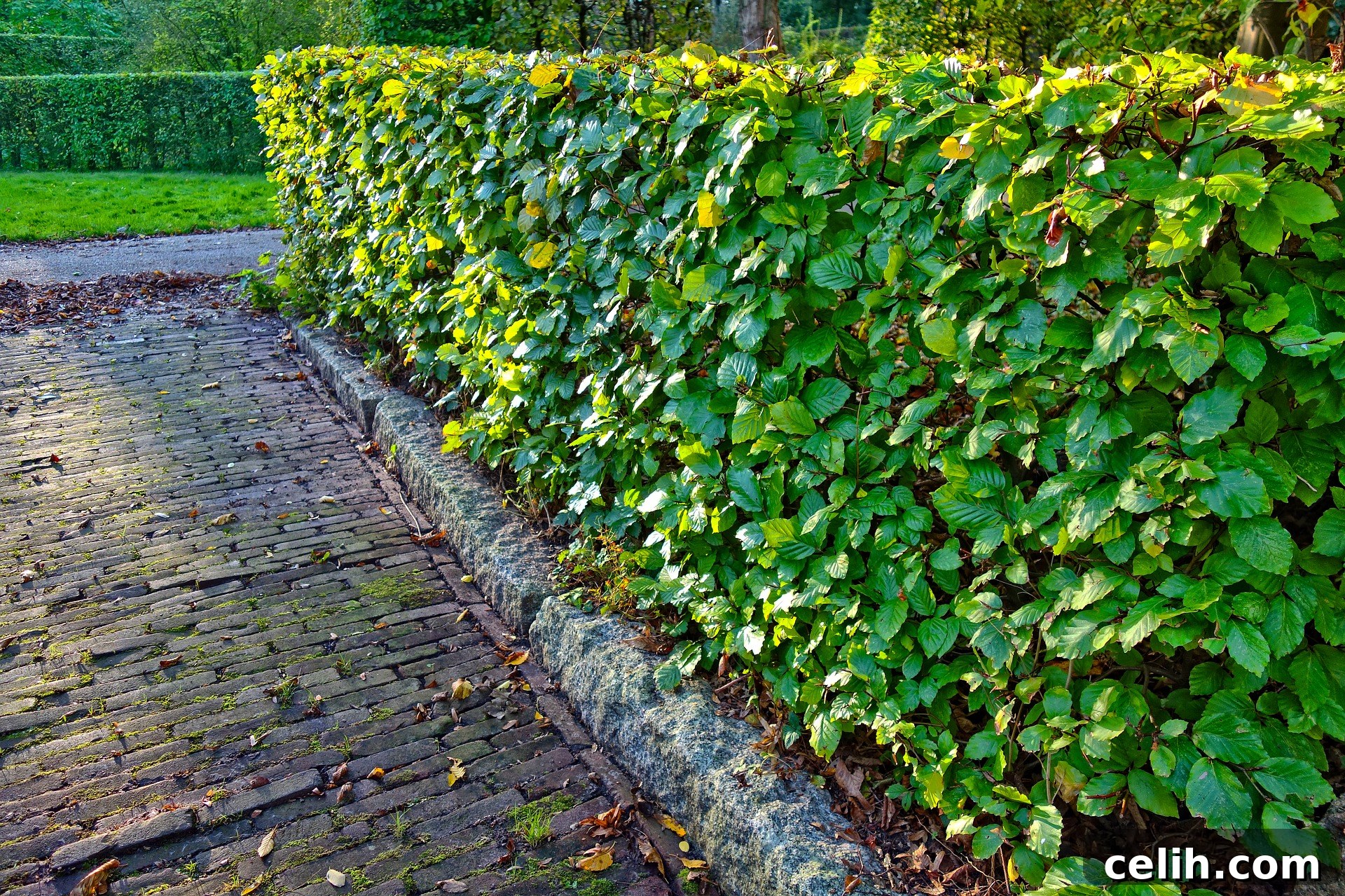
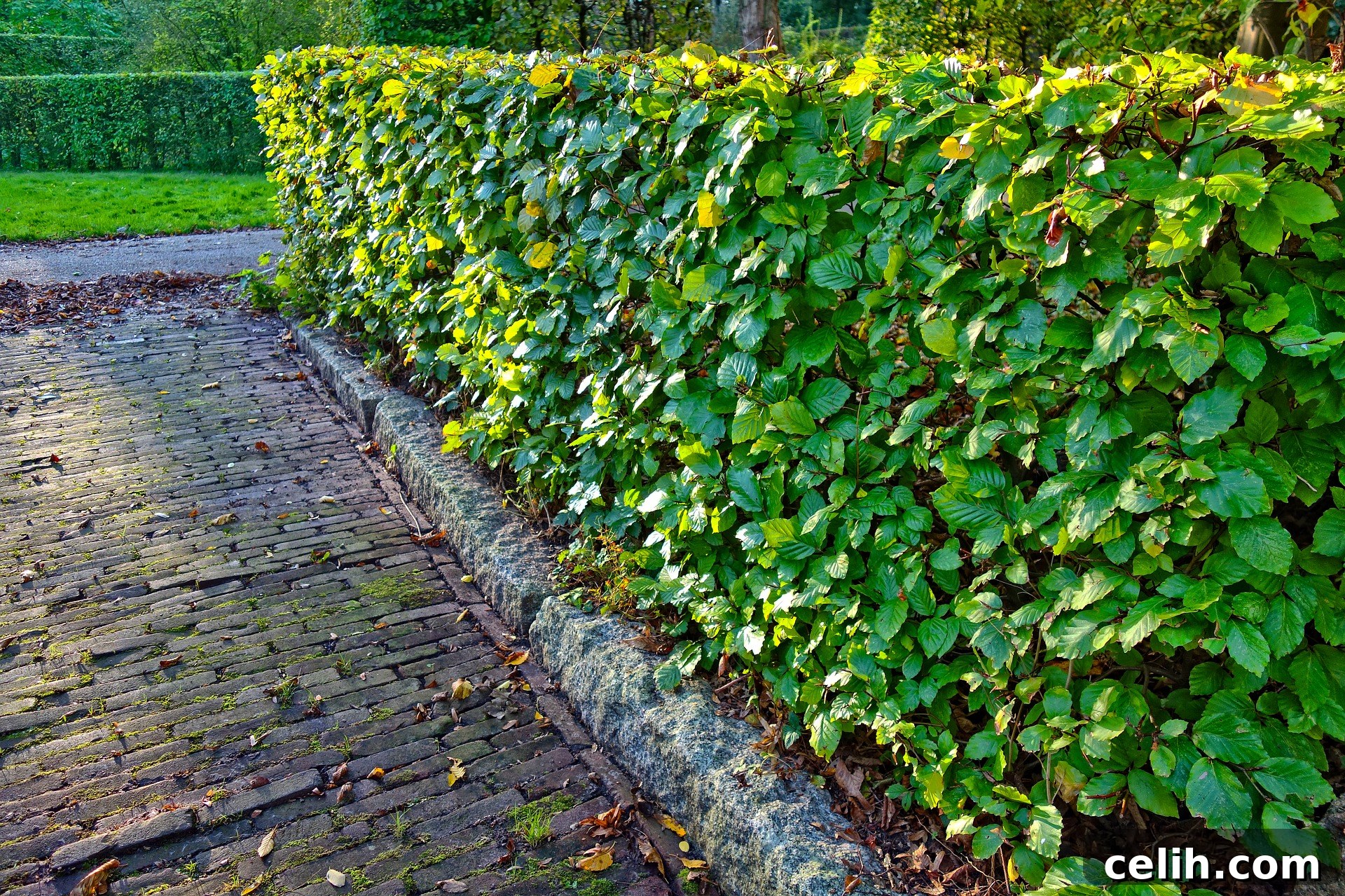
One of the most aesthetically pleasing, environmentally beneficial, and enduring ways to establish significant privacy is by planting a living hedge using trees. This natural barrier not only offers an effective screen but also adds unparalleled beauty, attracts local wildlife, and contributes to improved air quality and a cooler microclimate around your home. The key to success lies in selecting fast-growing tree varieties that quickly mature into a dense, verdant wall, providing year-round privacy and a stunning natural backdrop to your garden.
Choosing the Right Privacy Trees for Your Landscape
When opting for a tree-based privacy hedge, the variety of species available is crucial for finding the perfect fit. Several species are renowned for their rapid growth and suitability for creating robust, high-impact privacy screens. For instance, the Leyland Cypress and Thuja Green Giant are incredibly popular choices, known for their columnar shape, impressive growth rate (often adding several feet in height per year), and dense evergreen foliage. Other excellent options include the Skip Laurel, admired for its glossy green leaves and rapid, bushy growth, or certain varieties of Holly, which offer vibrant year-round greenery and often attractive berries that enhance winter interest. The ideal choice depends heavily on your specific climate zone, soil conditions, the amount of sunlight your chosen area receives, your desired aesthetic, and the ultimate height and width you wish your hedge to achieve. Many reputable nurseries, including specialized online retailers like The Tree Center, offer a wide selection of privacy trees and often provide convenient shipping directly to your area, simplifying the selection and acquisition process.
Expert Tips for Planting and Maintaining a Thriving Tree Hedge
To ensure your living tree hedge flourishes and provides optimal privacy for years to come, careful planning and proper planting techniques are absolutely essential. It’s always best practice to consult with experts at your local garden or tree center. They can provide invaluable, localized advice tailored to your region, recommending species that are proven to thrive in your specific climate and soil type. Be sure to inquire about ideal spacing between trees to allow for adequate growth and air circulation, the correct planting depth, and initial watering schedules, which are critical for establishment. While fast-growing trees can indeed establish a substantial screen within just a year or two, consistent care – including regular deep watering during dry periods, appropriate fertilization based on soil tests, and occasional formative pruning – will encourage denser growth, maintain the hedge’s health, and ensure its desired shape. Remember, a well-planned and meticulously maintained tree hedge is not just a privacy solution but a significant, living landscape feature that adds lasting value and beauty to your property.
The Charm of Flowering Hedges: Using Shrubs for Privacy and Beauty
If the idea of a solid, uniform evergreen wall doesn’t quite align with your personal garden vision, consider the delightful and visually dynamic alternative of using flowering shrubs for your privacy hedge. This approach offers a constantly evolving visual appeal, adding vibrant seasonal color, varied textures, and often enchanting fragrances to your outdoor space, all while effectively providing the privacy you seek. Many varieties of hedging shrubs can reach impressive heights of 10 to 20 feet, creating a substantial and beautiful barrier that is both highly functional and aesthetically captivating.
Selecting the Best Shrubs for Diverse Privacy Needs
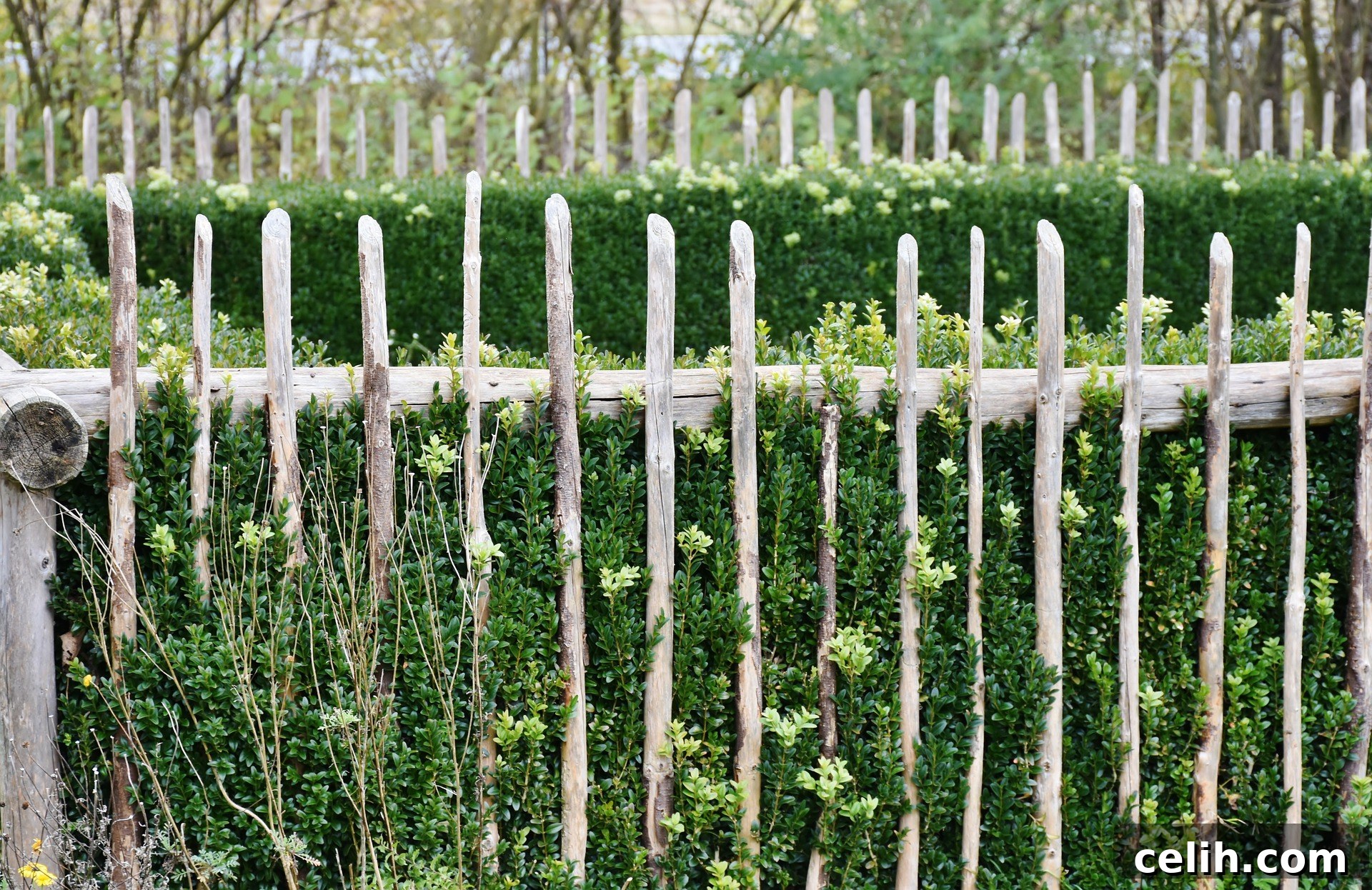
The world of hedging shrubs is wonderfully vast and varied, offering options for almost any garden style. For reliable, year-round privacy, evergreen shrubs like dense Boxwood, fast-growing Privet (Ligustrum), or certain robust varieties of Viburnum offer consistent foliage and structure. If your preference leans towards bursts of color and seasonal interest, consider flowering shrubs such as the classic Lilac, celebrated for its incredibly fragrant spring blooms, the showy Hydrangea with its large, captivating flower clusters, or the cheerful Forsythia, which heralds spring’s arrival with a profusion of bright yellow blossoms. For a more unique, architectural texture and soothing sounds, clumping bamboo varieties (it’s crucial to choose non-invasive clumping types) can create a modern, rustling screen. Each shrub has distinct light, soil, and water requirements; therefore, thoroughly discussing your garden’s specific conditions with a knowledgeable nursery specialist is paramount to choosing plants that will not only flourish but also provide the precise level of privacy and beauty you desire.
Maintenance, Aesthetic Appeal, and Ecological Benefits
While shrub hedges might typically require a bit more attention to pruning than some tree hedges to maintain their shape and encourage flowering, the effort is undoubtedly well worth it for their significant aesthetic contribution. Regular, thoughtful pruning not only controls their size and density but also promotes more prolific and vibrant flowering for many species, ensuring a spectacular display each season. Beyond their primary function of privacy, these living screens greatly enhance biodiversity by attracting valuable pollinators like bees and butterflies, contributing to a vibrant and healthy garden ecosystem. They often offer a softer, more informal, and organic look than traditional fences, blending seamlessly with naturalistic garden designs. As with tree hedges, expert advice from your local garden center will be invaluable in guiding you on the best shrub varieties for your climate, soil, and the specific maintenance regime required to keep your beautiful shrub hedge looking its absolute best throughout the year.
The Practicality and Style of Modern Garden Fencing Solutions
For immediate privacy, enhanced security, and a more structured, architectural aesthetic, installing a garden fence remains a highly effective and perennially popular solution. Fences provide distinct boundaries, act as a deterrent to unwanted visitors, and can dramatically transform your outdoor space into a private haven in a relatively short timeframe – often just a day or two with the skilled assistance of a professional contractor. The market today offers an incredibly extensive range of fencing types, materials, and styles, allowing you to choose an option that perfectly complements your home’s architecture, your garden’s design, and your personal taste, ensuring both functionality and visual appeal.
Exploring Diverse Fencing Materials and Design Styles
- Wood Fences: A timeless and versatile choice, wood fences offer natural beauty and can be custom-stained or painted to match your exterior decor. Popular styles include closeboard (or feather edge) fencing, renowned for its robust construction and complete privacy, and lap panel fencing, which is a more economical option. Materials like cedar and redwood are naturally resistant to rot and pests, offering long-term durability, while pressure-treated pine is a more budget-friendly and readily available alternative. While undeniably beautiful, wood fences do require ongoing maintenance, such as sealing, staining, or painting every few years, to protect against weathering, decay, and to preserve their aesthetic appeal.
- Vinyl Fences: A superb choice for homeowners seeking a truly low-maintenance privacy solution. Vinyl fencing comes in an impressive variety of styles, often expertly mimicking the classic look of wood without any of the associated needs for painting or staining. It’s exceptionally durable, highly resistant to rot, pests, harsh weather conditions, and typically only requires occasional washing with soap and water to keep it looking pristine. While the initial investment might be slightly higher than some wood options, its exceptional longevity and minimal upkeep often make it a highly cost-effective solution over its lifespan.
- Composite Fences: A modern innovation that perfectly blends the best attributes of both worlds. Composite fencing is crafted from a mixture of wood fibers and recycled plastic, offering the natural, appealing look of wood but with significantly enhanced durability and drastically reduced maintenance requirements, akin to vinyl. Composite fences are engineered to be highly resistant to fading, rotting, warping, and insect damage, making them an excellent long-term, high-performance privacy solution that retains its beauty with minimal effort.
- Metal Fences: While traditional wrought iron or aluminum fences primarily offer security and sophisticated aesthetic appeal rather than full visual privacy, they can be incredibly effective when combined with other elements. Trellises adorned with climbing plants, pre-made bamboo rolls, or even durable fabric screens can be ingeniously attached to metal fence frames to create beautiful, semi-private, or even fully private barriers that add a unique design element to your garden.
Professional Installation and Long-Term Maintenance Considerations
While some seasoned DIY enthusiasts might confidently tackle fence installation, hiring a reputable and experienced contractor is often advisable, especially for larger projects, complex terrain, or when local regulations are strict. Professionals ensure proper post setting, precise alignment, and strict adherence to all local building codes and property line requirements, resulting in a sturdy, aesthetically pleasing, and long-lasting fence. Beyond the initial visual appeal, it is absolutely critical to consider the long-term maintenance required for your chosen fencing material. You want to select a fence that provides the privacy and security you desire without committing you to annual, labor-intensive upkeep. Thoroughly evaluate each material’s durability, its resistance to local weather elements, and the ease of cleaning and repair to make a truly informed decision that will effectively serve your private garden needs for many years to come.
Clever Transformations: Enhancing Existing Fences for Renewed Privacy
If you already have a fence that doesn’t currently offer the desired level of privacy – such as a wire mesh, chain link, or an open-panel design – there’s often no need to completely replace it. With a bit of creativity, strategic planning, and some effort, you can transform an existing, see-through barrier into a solid, private screen. This approach can be significantly more budget-friendly and less disruptive than a full fence replacement, making it an attractive and sustainable option for many homeowners seeking enhanced garden privacy.
Cost-Effective DIY and Professional Upgrade Options
One of the most straightforward and effective ways to enhance a chain-link fence is by inserting privacy slats. These pre-cut vinyl or aluminum strips weave directly into the fence mesh, quickly creating a solid visual barrier. This is typically a highly effective and manageable DIY project that can be completed with relative ease by most homeowners. Another incredibly popular and versatile method involves attaching various screening materials directly to your existing fence structure. Excellent options include:
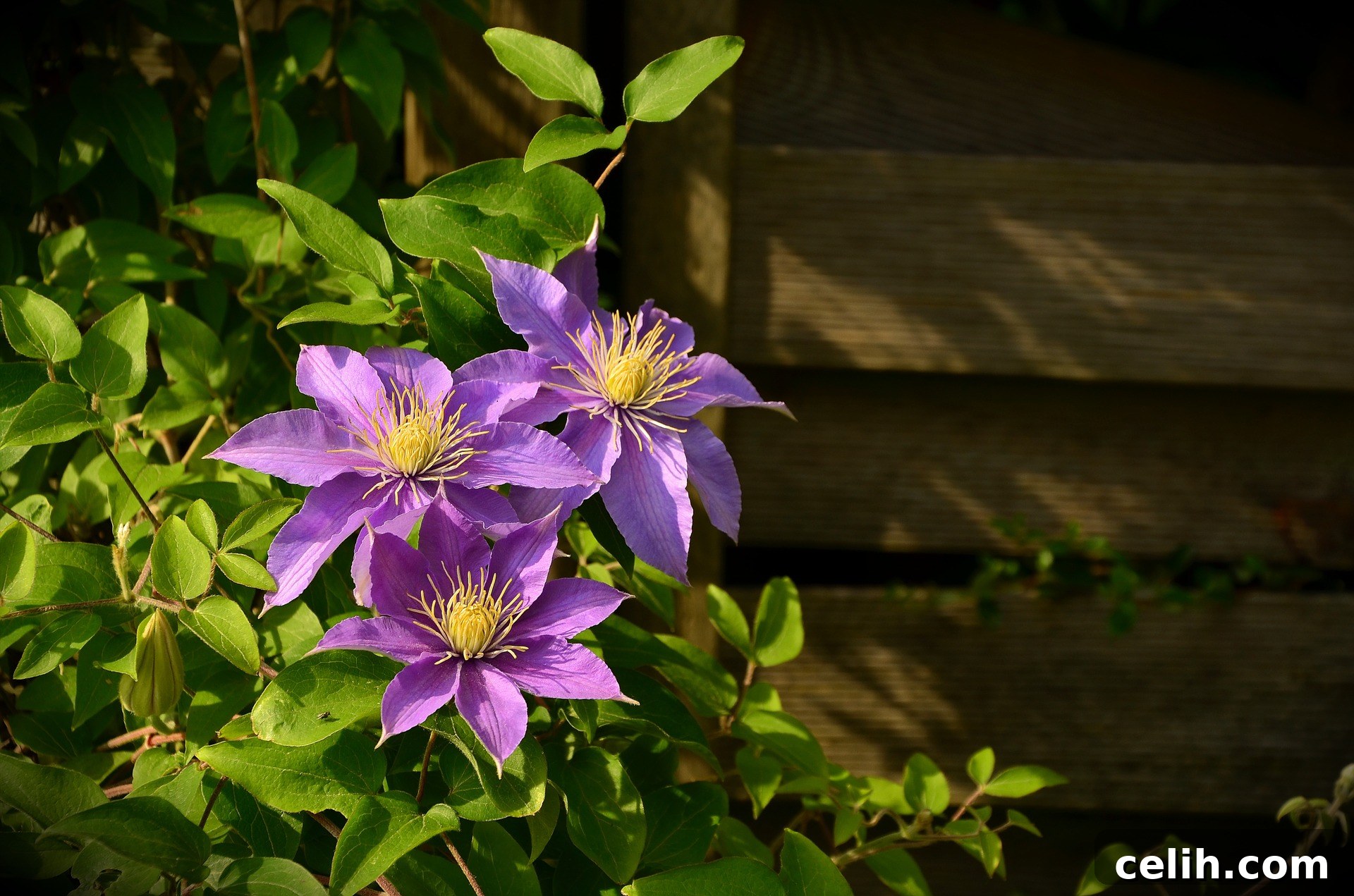
- Growing Climbing Vines: Planting fast-growing climbing plants like Clematis, Ivy, Honeysuckle, or vigorous climbing roses along your existing fence. These plants will naturally weave through the mesh or climb up an attached trellis, forming a beautiful, vibrant, and living privacy screen. While this method requires patience for growth, it offers a wonderfully natural and evolving aesthetic.
- Bamboo Screens and Rolls: Rolls of natural bamboo fencing can be easily and securely affixed to chain-link or wire fences, providing an instant, aesthetically pleasing, and often exotic or tropical vibe to your garden.
- Trellis Panels: Attaching sturdy wooden or metal trellis panels to an existing fence provides an ideal support structure for growing climbing plants more easily or for incorporating decorative elements that add visual interest.
- Fabric Privacy Screens: UV-resistant privacy fabrics, typically made from durable polyethylene, can be securely zip-tied or stapled to fences. These are exceptionally quick to install, relatively inexpensive, and come in various colors, offering immediate visual blockage and a clean, modern look.
While many of these fence transformation projects are surprisingly straightforward and achievable for a dedicated DIY enthusiast, as amply demonstrated by helpful online tutorials like this video on effective fence upgrades, you always have the option to hire a skilled contractor if you prefer professional assistance or if you have a particularly large or complex area to cover. The inherent cost-effectiveness of transforming an existing fence, when compared to the expense and effort of installing an entirely new one, makes it an exceptionally appealing solution for quickly achieving enhanced garden privacy without breaking the bank.
Essential Considerations: Legal and Practical Advice Before You Begin
Before you enthusiastically embark on your garden privacy project, it is absolutely critical to undertake some thorough preliminary research and meticulous planning. Overlooking these vital steps can lead to frustrating delays, unexpected costs, potential disputes with neighbors, or even legal repercussions. Thoughtful and proactive preparation ensures your project proceeds smoothly, efficiently, and in full compliance with all necessary regulations and good neighborly practices.
Understanding Boundary Lines and Property Ownership
One of the most common and easily avoidable pitfalls in garden improvements is misunderstanding or misidentifying property boundaries. Before installing any fence, hedge, or significant structure near your property lines, you must clearly ascertain who legally owns the boundary you are working on. This crucial information is typically available through your property’s official deed, a recent land survey, or by contacting your local municipal planning or assessor’s department. In cases where the boundary is shared, unclear, or potentially contentious, it is highly recommended to proactively communicate with your neighbors. A polite, open conversation can prevent future disagreements, foster good relationships, and potentially even lead to a shared project or cost-splitting agreement for a boundary fence or hedge, benefiting all parties involved.
Navigating Local Regulations, Zoning Laws, and Homeowners’ Association Rules
Beyond simply understanding property lines, adherence to local regulations is paramount. Almost all municipalities have specific zoning laws, ordinances, and building codes governing the height, approved materials, and precise placement of fences, hedges, and other garden structures. For instance, front yard fences often have significantly stricter height limitations than backyard fences. Some areas may restrict certain types of materials, require specific setbacks from sidewalks or utility lines, or even demand specific aesthetic standards. If you reside in a community with a Homeowners’ Association (HOA), you will undoubtedly have additional, often stringent, rules and architectural guidelines to follow regarding exterior modifications. These usually require submitting plans and obtaining prior approval for any changes to your property’s exterior. Failing to comply with these regulations can result in hefty fines, forced removal of your new structure, or even legal action. Always check thoroughly with your local planning department and HOA (if applicable) for a comprehensive understanding of all rules and permit requirements that apply to your specific project before purchasing any materials or commencing any work.
Considering Neighbors, Sunlight Impact, and Long-Term Maintenance
Even with clear boundaries and full compliance with regulations, it’s always a considerate and wise practice to think about the potential impact of your privacy solution on your neighbors. A tall hedge or fence, while providing invaluable privacy for you, might unfortunately cast significant shade over your neighbor’s garden, affecting their plants, lawn, or overall outdoor enjoyment. Open communication and a willingness to compromise can often help find a solution that works harmoniously for everyone involved. Additionally, critically consider the long-term maintenance commitment of your chosen privacy solution. A fast-growing hedge will inevitably require regular trimming and shaping to maintain its density and appearance, and a large fence will need periodic cleaning, staining, painting, or repairs to ensure its longevity and aesthetic appeal. Ensure you are fully prepared for this ongoing commitment, as proper and consistent maintenance is absolutely key to the lasting effectiveness, beauty, and structural integrity of your garden privacy feature.
(Images courtesy of Pixabay)