
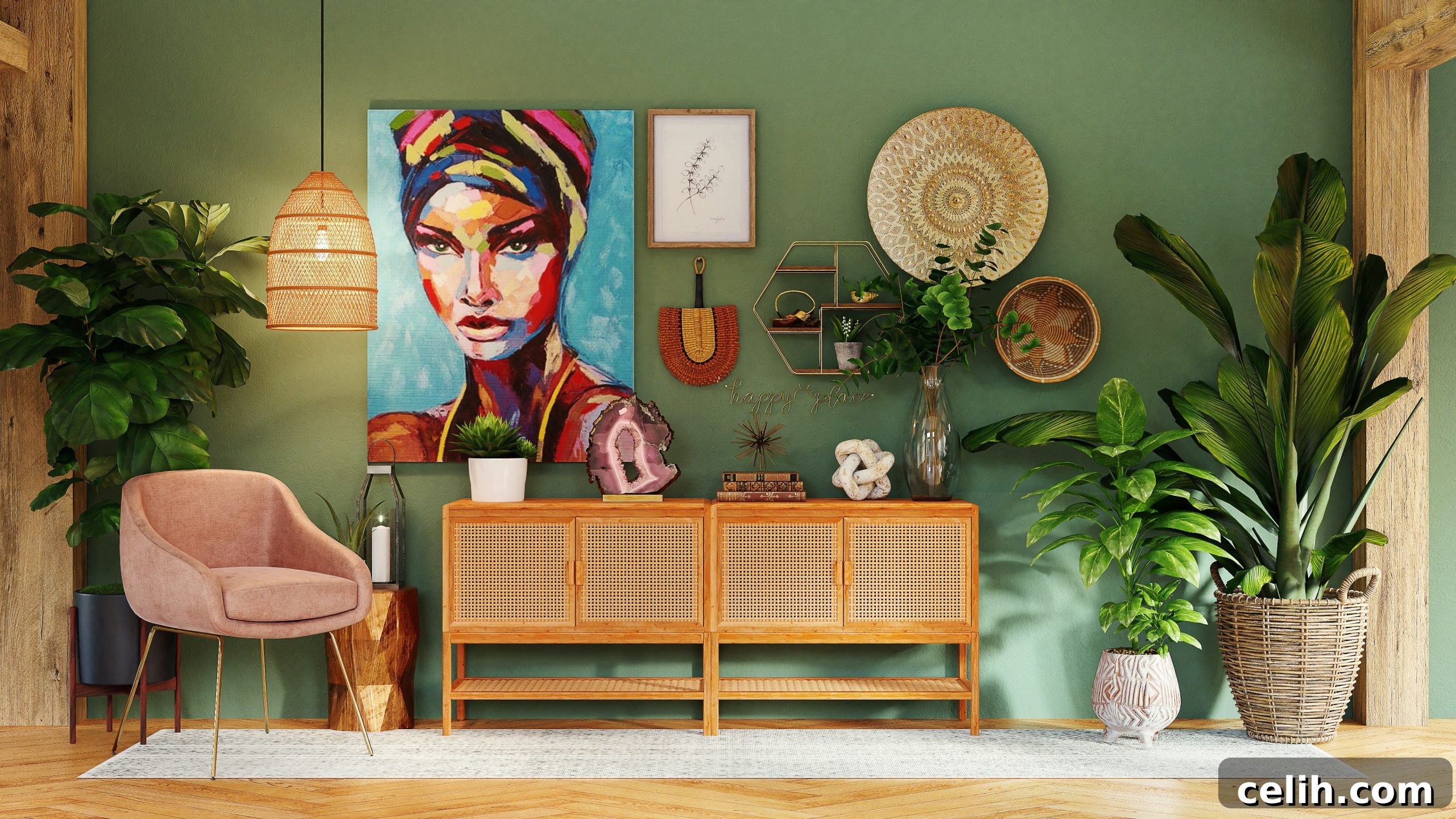
The Ultimate Guide to Thriving Indoor Plants: From Selection to Sustainable Care
How many times have you admired the vibrant flora at your local garden center, picturing how magnificently they would transform your office, living room, or bedroom? It’s a common fantasy, often followed by the disheartening reality of bringing a new plant home, only for it to fall ill within a month and eventually wither away. This cycle of excitement and disappointment is far more frequent than many realize, primarily because our homes, while comfortable for us, rarely replicate the ideal natural habitats these plants need to genuinely flourish.
The journey to becoming a successful indoor plant parent begins with understanding. As you delve into this comprehensive guide, you’ll discover that numerous crucial factors dictate which indoor plant varieties can genuinely thrive within your home environment. From assessing your living space’s unique conditions to mastering essential care routines, we’ll equip you with the knowledge to cultivate a lush, vibrant indoor garden that brings lasting beauty and tranquility.
Understanding the Nature of Indoor Plants
Technically, the concept of an “indoor plant” is a bit of a misnomer. There are no plants that inherently evolved to grow solely within the confines of a human dwelling. Instead, what we commonly refer to as houseplants are specific varieties that possess a remarkable resilience, capable of adapting to and enduring the less-than-ideal conditions of indoor environments. When we bring a plant inside, we inadvertently deprive it of crucial elements it needs to flourish in its natural habitat, such as unfiltered sunshine, consistent fresh air, natural rainfall cycles, and nutrient-rich soil replenished by decomposing organic matter.
The vast majority of plants that successfully survive indoors originate from subtropical and tropical climates. These regions often feature dense tree canopies, meaning many understory plants are accustomed to dappled light conditions rather than direct, scorching sun. This inherent preference for indirect light makes them surprisingly well-suited for the filtered light found near windows in our homes. When you’re shopping for an indoor plant, therefore, prioritize those known for their ability to withstand fluctuations in temperature, tolerate lower light levels, and cope with less frequent, controlled watering. It’s also vital to remember that plants purchased from nurseries have typically been cultivated in highly controlled, optimized environments, benefiting from regular fertilization and precise watering schedules. To help your new green friend thrive, gradually acclimatize it to the unique conditions of your home, allowing it time to adjust and establish itself healthily.
Crafting the Perfect Environment: Where to Place Your Green Companions
A common pitfall for aspiring plant parents is purchasing a plant before carefully considering its future home. This often leads to mismatched environments and struggling plants. The most effective approach is to first identify the ideal spot for your plant within your home, then choose a plant variety that will naturally thrive in those specific conditions. Factors like available space, the amount and type of light, and ambient humidity levels are all crucial in determining which plants will genuinely flourish in a particular location.
Optimizing Space and Airflow for Healthy Growth
Many homeowners instinctively try to squeeze plants into tight, decorative nooks between furniture or gadgets. While aesthetically pleasing, placing plants in cramped spaces, behind large pieces of furniture, or tucked away amidst decorative items severely restricts vital airflow. All plants require good air circulation to thrive. Proper airflow is not just about “breathing” for the plant; it’s also a critical defense mechanism against disease. Stagnant air creates an ideal breeding ground for fungal diseases, mold, and common pests like spider mites, which flourish in still, humid conditions. Therefore, ensure your flower pots are placed where they have ample space to grow, spread their foliage, and benefit from natural air movement. This simple consideration can significantly reduce the occurrence of plant illnesses and contribute to overall plant vitality.
Mastering Humidity Levels for Tropical Beauties
While excess humidity in stagnant air can promote mold, it’s crucial to understand that many plants, particularly those of tropical origin, absolutely depend on specific humidity levels to thrive. These plants often come from rainforest environments where the air is consistently moist. If your home has naturally low humidity, a common issue in centrally heated or air-conditioned spaces, tropical plants will struggle. Symptoms like brown, crispy leaf edges or stunted growth are often indicators of insufficient humidity. To counteract dry indoor air, consider grouping humidity-loving plants together to create a localized microclimate, using a pebble tray filled with water beneath their pots, or investing in a small room humidifier. Always keep tropical plants away from direct blasts of air from A/C units or radiators, as these can quickly dehydrate foliage. Regular misting can offer a temporary boost, but for consistent humidity, other methods are more effective.
The Critical Role of Temperature in Plant Wellness
Temperature is an undeniably crucial factor in your plant’s overall health. Before bringing any plant home, thorough research into its ideal temperature range is paramount. Most common houseplants prefer consistent temperatures between 65-75°F (18-24°C). Extreme temperature fluctuations or sudden drafts can stress plants significantly, leading to leaf drop or stunted growth. For instance, plant soil tends to dry out more slowly in cooler, air-conditioned environments, increasing the risk of overwatering if your routine isn’t adjusted. Conversely, central heating or radiant heat rapidly dries out the soil, necessitating more frequent watering. Even though most plants require warmth to thrive, direct exposure to A/C units or radiators should be avoided at all costs, as the sudden changes and dry air can be detrimental. During colder months when heating systems are active, ensure you water your plants more frequently to maintain adequate soil humidity and support healthy growth, mimicking the increased moisture evaporation in warmer conditions.
Selecting Your Ideal Houseplant: A Thoughtful Approach
Now that you have a solid understanding of the environmental needs of indoor plants and how to assess your home’s conditions, you’re ready for the exciting part: visiting the nursery to pick your perfect green companion. This decision should be guided by more than just aesthetics; it’s about finding a plant that truly aligns with your space, lifestyle, and commitment level. Our guide to the best plants for living rooms can offer further inspiration.
Choosing the Right Plant Size for Your Space
Before heading to the plant nursery, visualize the plant in its intended spot. Deciding on the ideal plant size beforehand is crucial. Consider these factors:
- Placement: A tall, stately plant naturally belongs on the floor, making a bold statement. Shorter varieties, meanwhile, are perfect for windowsills, desks, shelves, or tabletops. If you’re considering plants for a balcony, remember to also think about the planters you’ll need, as different plants thrive in specific pot types and sizes.
- Growth Potential: All plants grow, some more rapidly than others. Bear this in mind when selecting an indoor plant. It’s often wise to purchase a smaller specimen than the ultimate size you desire and enjoy watching it mature. This also gives you time to adapt to its growth habits.
- Weight and Maneuverability: Larger plants naturally require larger pots and more soil, making them considerably heavier. If you anticipate needing to move your plant frequently for cleaning, light adjustments, or seasonal changes, a very large plant might prove challenging to handle.
- Aesthetic Impact: What kind of visual effect do you want to achieve? Do you want a striking accent piece that draws the eye, or a plant that subtly complements your existing interior design? Consider the plant’s mature shape, texture, and leaf color in relation to your decor.
Assessing Light Requirements: Matching Plants to Your Home’s Natural Illumination
The light level available in your chosen spot is perhaps the single most critical factor in plant health. If a plant isn’t getting the right amount or type of light, its health will inevitably suffer. Generally, indoor light conditions can be categorized as:
- Bright, Direct Light: Usually near south-facing windows (in the Northern Hemisphere) with minimal obstructions. Only a few houseplants, like certain succulents or cacti, truly thrive in direct, intense sunlight.
- Bright, Indirect Light: The preferred condition for most common houseplants. This is typically near east or west-facing windows, or a few feet away from a south-facing window where light is abundant but not scorching.
- Medium Light: A few feet away from an east or west-facing window, or near a north-facing window. Plants here will tolerate lower light but might grow slower.
- Low Light: Far from any window, or in a north-facing room with small windows. Very few plants truly “thrive” in low light, but some can tolerate it without dying, such as ZZ plants or Snake Plants.
Observe your space throughout the day. Does the sun directly hit the spot? For how long? Are there any obstructions like curtains, trees, or buildings outside? Choosing a plant that’s the best pick for your home’s specific light levels is paramount to its longevity.
Ensuring Pet Safety: A Crucial Consideration for Plant Parents
If you share your home with furry friends, checking a plant’s toxicity level before purchase is non-negotiable. Many common houseplants, while beautiful, can be toxic if ingested by curious pets. Symptoms can range from mild gastrointestinal upset to severe illness. Always perform a quick check to see if your chosen plant is listed as pet-safe by organizations like the ASPCA. Common toxic plants include lilies, sago palms, philodendrons, and pothos, while options like Boston ferns, money trees, African violets, and prayer plants are generally considered pet-friendly. Prioritizing your pet’s well-being ensures that your love for plants doesn’t come at their expense.
Choosing Low-Maintenance and Beginner-Friendly Houseplants
For those new to plant parenting or with busy lifestyles, selecting resilient, easy-care plants can set you up for success. While every plant needs attention, some are far more forgiving than others. Look for varieties known for their tolerance to missed waterings, varying light conditions, or general hardiness. Excellent choices for beginners include Snake Plants (Sansevieria), ZZ Plants (Zamioculcas zamiifolia), Pothos (Epipremnum aureum), Spider Plants (Chlorophytum comosum), and peace lilies (Spathiphyllum). These plants are not only beautiful but also robust, making them ideal for building confidence and developing your green thumb before tackling more demanding species.
Cultivating Longevity: Essential Care Practices for Indoor Plants
Bringing a plant home is just the first step; keeping it alive and thriving requires ongoing care and attention. While most nurseries provide basic recommendations, a little research into your specific plant’s needs will go a long way. Understanding the nuances of watering, feeding, and maintenance is key to a long and healthy life for your green companion.
The Art of Proper Watering: Avoiding Common Pitfalls
Watering is often considered the most challenging aspect of plant care, as improper watering is the leading cause of houseplant demise. It’s not just about how much, but when and how. The most reliable method is to check the soil moisture. Stick your finger about an inch or two into the soil; if it feels dry, it’s likely time to water. Alternatively, a moisture meter can provide a more precise reading. When you do water, do so thoroughly until water drains from the bottom of the pot. This encourages deep root growth. Conversely, allowing the pot to sit in standing water can lead to root rot, a deadly fungal infection. Underwatering, on the other hand, causes wilting and crispy leaves. Remember that watering needs change with the seasons; plants generally require less water in winter when growth slows. Also, consider water quality; some plants are sensitive to chlorine or fluoride in tap water. Letting tap water sit out overnight can help dissipate chlorine.
Nourishing Your Plants: The Importance of Fertilization
Just like any living organism, plants need nutrients to grow and thrive. While potting soil provides initial nutrients, these deplete over time. Fertilizing replenishes these essential elements, ensuring your plant remains healthy and vibrant. However, more is not always better. Over-fertilization can burn roots and damage your plant. Most houseplants benefit from fertilization during their active growing season (spring and summer), typically every 2-4 weeks. Reduce or stop fertilizing during dormancy (fall and winter). Use a balanced liquid fertilizer diluted to half strength, or a slow-release granular fertilizer, always following the product instructions carefully.
Maintaining Plant Hygiene: Cleaning and Pruning for Vigor
Beyond watering and feeding, regular maintenance contributes significantly to a plant’s health. Once every couple of weeks, gently wipe down the leaves of your plants with a damp cloth. This removes dust and debris that can block sunlight absorption and clog pores, hindering photosynthesis. Cleaning also provides an opportunity to inspect your plant for early signs of pests. Furthermore, most plants benefit from regular trimming and clipping. Pruning encourages bushier growth, removes yellowing or dead foliage, and helps the plant direct its energy towards producing new, healthy growth, allowing it to reach its fullest potential and maintain an attractive shape.
Understanding Repotting: When and How to Upgrade Your Plant’s Home
As plants grow, they eventually outgrow their pots. Signs that your plant needs repotting include roots circling the drainage holes, stunted growth despite proper care, soil drying out very quickly, or the plant becoming top-heavy and unstable. Repotting is typically done every 1-2 years, ideally in the spring, when the plant is entering its active growth phase. Choose a pot that is only one or two inches larger in diameter than the current one; a pot that is too large can hold excess moisture and lead to root rot. Use fresh, well-draining potting mix suited to your specific plant type, providing renewed nutrients and space for root expansion. Gently remove the plant from its old pot, loosen any circling roots, and place it in the new pot with fresh soil, watering it thoroughly afterward.
Embracing Your Journey as a Plant Parent
The journey of becoming a successful indoor plant parent is a rewarding one, filled with learning and the joy of nurturing life. While it might seem daunting at first, armed with the knowledge from this guide, you are well-prepared to embark on this green adventure with confidence. From selecting the right plant for your specific home environment to understanding the nuances of watering, light, and humidity, every step contributes to the vibrant health and beauty of your indoor garden. Embrace the process, observe your plants, and watch as your home transforms into a lush, thriving sanctuary.