
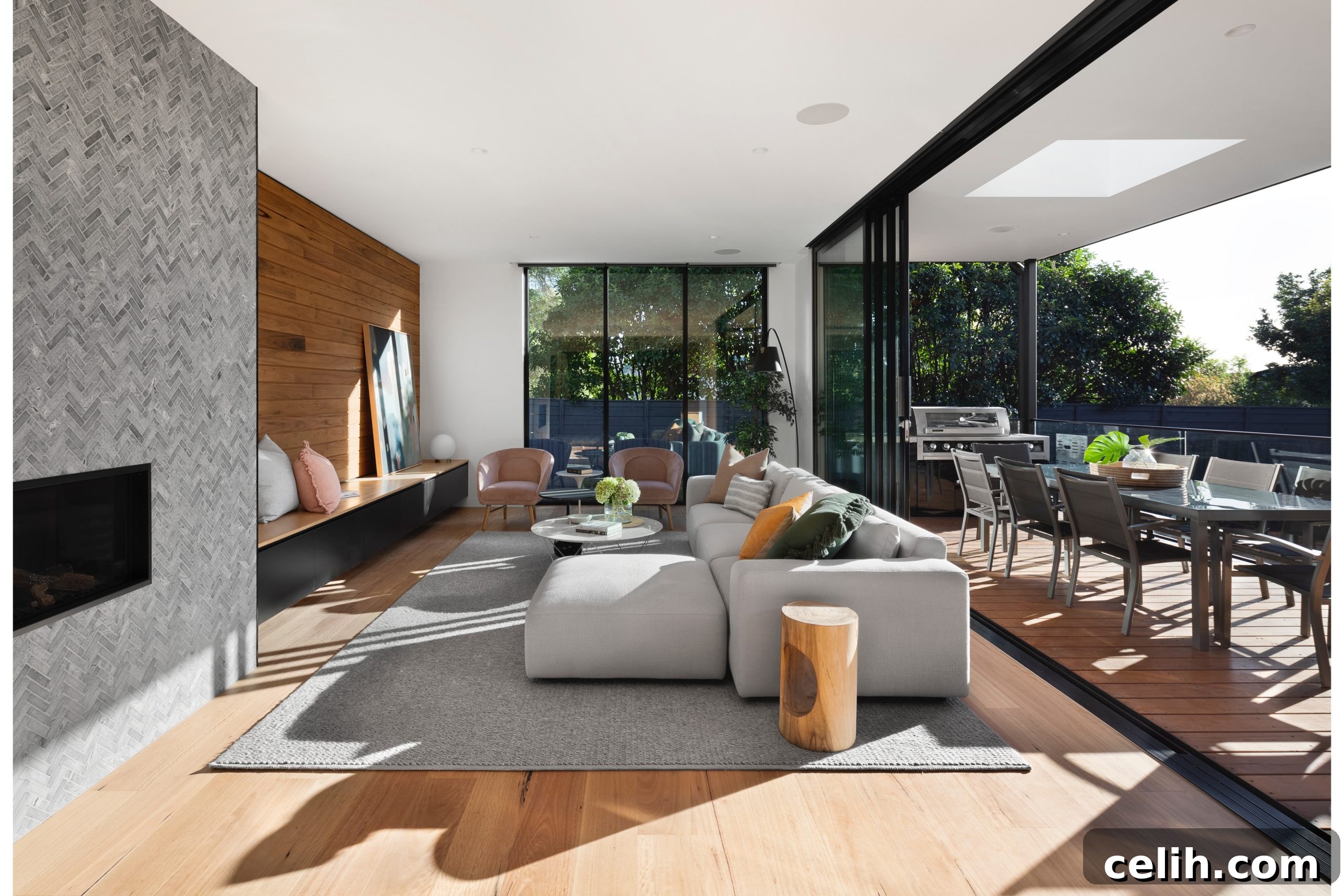
If you’re dreaming of expanding your living space, whether it’s for a vibrant new bedroom, a spacious home office, or that gourmet kitchen you’ve always envisioned, a home extension offers an exciting solution. Many homeowners leverage extensions to create a seamless transition between indoor and outdoor living areas, enhancing flow and connection with nature. But beyond the immediate benefits of added square footage, have you considered how a carefully planned home extension can be your most impactful eco-friendly decision yet? That’s right! Extending your home presents a unique opportunity to embrace sustainability, reduce your environmental footprint, and elevate your quality of life. Let’s delve into the compelling reasons why and explore how you can make your next home improvement project a beacon of green living.
Maximizing Your Existing Property: The Foundation of Sustainable Expansion
One of the most fundamental eco-friendly aspects of a home extension is that you are making the absolute most of the property you already own. Instead of embarking on the resource-intensive journey of purchasing a new, larger house, which often involves new construction, significant transportation, and the potential waste generated from demolishing or renovating an old home, you are enhancing your current space. The “Don’t Move, Improve” philosophy directly translates into substantial environmental savings. By choosing to expand rather than relocate, you actively contribute to reducing urban sprawl, preserving undeveloped land, and minimizing the massive carbon emissions associated with new residential developments. Staying put and building up or out is a powerful statement of sustainability, demonstrating a commitment to responsible land use and resource conservation right in your own community.
Revolutionizing Energy Efficiency with Your New Extension
A home extension provides a golden opportunity to integrate cutting-edge energy-efficient features from the ground up, significantly lowering your long-term environmental impact and operational costs. This proactive approach ensures your new space isn’t just bigger, but smarter and greener.
Superior Insulation for All-Season Comfort
Incorporating advanced insulation is paramount for an energy-efficient extension. Modern insulation materials, such as spray foam, rigid boards, or natural alternatives like sheep’s wool or cellulose, offer superior thermal performance compared to older standards. Proper insulation in walls, roofs, and floors drastically reduces heat loss in winter and heat gain in summer. This means your heating and cooling systems won’t have to work as hard, leading to substantial reductions in energy consumption, lower utility bills, and a more comfortable, consistent indoor climate year-round. Investing in high R-value insulation pays dividends for decades to come, creating a genuinely cozy and eco-conscious living environment.
High-Performance Windows and Doors
Windows and doors are often overlooked culprits for energy loss. In your new extension, opting for double or even triple-glazed windows with low-emissivity (low-E) coatings can make a dramatic difference. These specialized coatings reflect heat, keeping interiors warmer in winter and cooler in summer, while still allowing ample natural light to flood the space. Argon or krypton gas fills between panes further enhance insulation properties. Paired with well-sealed, thermally broken frames, high-performance windows and doors virtually eliminate drafts and temperature fluctuations, contributing significantly to your extension’s overall energy efficiency and reducing your carbon footprint.
Harnessing Renewable Energy: Solar Panels and Beyond
An extension project is the ideal time to consider integrating renewable energy sources. Installing solar photovoltaic (PV) panels on your roof can generate clean electricity, offsetting your reliance on grid power and potentially even feeding surplus energy back to the grid. Alternatively, solar thermal panels can heat water for your home, reducing the demand on conventional water heaters. Beyond solar, you might explore ground or air source heat pumps, which efficiently extract heat from the environment for heating and cooling. These technologies represent a significant step towards energy independence, dramatically cutting your greenhouse gas emissions, and often come with government incentives or rebates that make them financially attractive.
Efficient Heating and Cooling Systems
Beyond insulation and windows, the choice of heating and cooling systems for your extension plays a crucial role in its energy performance. Modern, high-efficiency boilers, heat pumps, and zoned HVAC systems allow you to heat or cool only the areas you’re using, preventing energy waste. Underfloor heating, for example, provides gentle, even warmth and is often more efficient than traditional radiators. By designing your extension with these advanced systems, you create a space that is not only comfortable but also incredibly efficient, minimizing energy consumption without sacrificing warmth in winter or coolness in summer.
Building with Integrity: The Power of Sustainable Materials
The choice of building materials is a cornerstone of an eco-friendly extension. By consciously selecting materials with a low environmental impact, you can drastically reduce the embodied energy (energy consumed during extraction, manufacturing, and transport) and waste associated with your project. Any reputable contractor specializing in sustainable building will prioritize sourcing and utilizing these green alternatives.
Reclaimed and Recycled Resources
Embracing reclaimed and recycled materials is an excellent way to minimize your extension’s footprint. Consider using reclaimed wood for flooring, beams, or accent walls, giving new life to old timber and reducing demand for virgin forest products. Recycled steel, aluminum, and even recycled glass countertops or tiles are fantastic options that divert waste from landfills and conserve raw materials. Salvaged bricks, stone, or architectural elements can also add unique character and history to your new space while upholding your commitment to sustainability. These materials often have a significantly lower carbon footprint and contribute to a distinctive aesthetic that sets your home apart.
Low-Impact and Locally Sourced Materials
Prioritizing materials that are produced with minimal environmental impact and sourced locally can further enhance your extension’s green credentials. Look for timber certified by the Forest Stewardship Council (FSC), ensuring it comes from sustainably managed forests. Natural materials like bamboo, cork, and certain types of natural stone are renewable or abundant and can add beauty and durability. Sourcing materials from local suppliers not only supports the regional economy but also reduces the carbon emissions associated with long-distance transportation, contributing to a more sustainable supply chain.
Eco-Friendly Insulation Choices
Beyond traditional fiberglass, there’s a growing array of eco-friendly insulation materials. Options like natural sheep’s wool, denim (recycled cotton), cellulose (recycled paper), and rigid foam panels made without harmful blowing agents offer excellent thermal performance while being less impactful on the environment during production and throughout their lifecycle. These alternatives often boast benefits such as being non-toxic, breathable, and improving indoor air quality, aligning perfectly with a holistic approach to green building.
Integrating Smart Home Technology for Optimal Green Living
In today’s interconnected world, incorporating smart home technology into your new extension is a natural evolution for boosting its eco-friendliness. These intelligent systems empower you to monitor and control various aspects of your home’s energy consumption, leading to significant savings and a reduced environmental impact.
Intelligent Climate Control
Smart thermostats are at the forefront of energy-saving technology. These devices learn your daily habits, allowing them to optimize heating and cooling schedules, ensuring your extension is only conditioned when occupied or needed. Many can be controlled remotely via smartphone apps, letting you adjust temperatures from anywhere, preventing unnecessary energy use when you’re away. Integrating smart thermostats with zoned HVAC systems means you can precisely control the climate in different areas of your extension, maximizing efficiency and comfort simultaneously.
Energy-Saving Lighting Solutions
Smart lighting systems take energy efficiency to the next level. LED lighting, while already highly efficient, becomes even smarter when paired with motion sensors, daylight harvesting capabilities (which automatically dim lights when natural light is sufficient), and programmable schedules. You can set specific lighting scenes, automate lights to turn off when a room is vacant, or dim them to conserve energy and create ambiance. This level of granular control over your lighting dramatically reduces electricity consumption compared to conventional systems.
Smart Appliances and Energy Monitoring
Modern extensions can also integrate smart appliances, from refrigerators to washing machines, that are designed to be highly energy-efficient and can often be programmed to run during off-peak hours to take advantage of lower electricity rates. Furthermore, smart home energy monitoring systems can provide real-time data on your extension’s energy usage. This valuable insight empowers you to identify energy vampires, understand consumption patterns, and make informed decisions to further optimize your home’s efficiency. It’s like having a personal eco-warrior constantly working to keep your home as green as possible.
Elevating Health and Well-being: Improved Indoor Air Quality
While often associated with outdoor environmental benefits, a well-designed green extension also dramatically improves the indoor air quality of your home, contributing directly to the health and well-being of its occupants. This is a critical, yet often overlooked, aspect of sustainable building.
Choosing Non-Toxic Paints and Finishes
Many conventional building materials, paints, and finishes contain Volatile Organic Compounds (VOCs) that can off-gas harmful chemicals into the air for years, contributing to respiratory issues, headaches, and other health problems. By selecting low-VOC or zero-VOC paints, natural plasters, non-toxic sealants, and sustainable flooring options like natural wood with low-VOC finishes, you can create an extension that minimizes chemical exposure. This commitment to healthier materials ensures your new space is not just aesthetically pleasing but also a truly safe and clean environment for your family.
Effective Ventilation Strategies
Proper ventilation is crucial for maintaining excellent indoor air quality. A green home extension should incorporate systems that ensure a continuous supply of fresh outdoor air while expelling stale, pollutant-laden indoor air. This might include mechanical ventilation systems like Heat Recovery Ventilators (HRVs) or Energy Recovery Ventilators (ERVs), which efficiently exchange air while recovering heat or coolness. Strategically placed operable windows and thoughtful architectural design can also facilitate natural cross-ventilation, helping to control humidity, reduce the build-up of allergens and pollutants, and introduce invigorating fresh air into your living spaces. Breathing easier and healthier is an invaluable perk of an eco-conscious extension.
Natural Light and Biophilic Design
Maximizing natural light not only reduces the need for artificial lighting, thereby saving energy, but also has profound psychological benefits. Abundant daylight improves mood, boosts productivity, and can even regulate sleep cycles. Furthermore, incorporating principles of biophilic design – integrating natural elements like indoor plants, natural textures, and views of greenery – within your extension can enhance overall well-being. This connection to nature within your home creates a serene and healthy living environment, proving that green design is ultimately human-centered design.
Beyond the Walls: Water Conservation and Waste Management
A truly eco-friendly extension considers its impact beyond its immediate structure, addressing critical issues like water usage and construction waste management.
Smart Water Usage in Your Extension
Water is a precious resource, and your extension can play a role in its conservation. Installing low-flow fixtures throughout your new bathroom or kitchen – including toilets, showerheads, and faucets – can significantly reduce water consumption without compromising performance. Beyond this, consider integrating rainwater harvesting systems to collect and store rainwater for non-potable uses like irrigation for your garden or flushing toilets. More advanced greywater recycling systems can even treat water from sinks and showers for similar purposes, drastically cutting down on your municipal water demand.
Minimizing Construction Waste
The construction industry is a major contributor to landfill waste. A green extension project prioritizes waste reduction from the outset. This involves careful planning to minimize material off-cuts, thorough on-site sorting and recycling of materials like wood, metal, cardboard, and plasterboard, and even donating salvageable materials to architectural salvage yards or charities. Choosing contractors who are committed to sustainable construction practices and have robust waste management plans is key to ensuring your extension leaves the lightest possible footprint during its creation.
The Long-Term Benefits of a Green Home Extension
Investing in an eco-friendly home extension offers a multitude of benefits that extend far beyond the initial build, providing lasting value for your family and the planet.
- Increased Property Value: Energy-efficient and sustainably built homes are increasingly attractive to buyers, often commanding higher resale values. Features like solar panels, superior insulation, and smart home technology are highly sought after in today’s market.
- Lower Operational Costs: The immediate and tangible benefit of reduced energy and water bills translates into significant savings year after year, effectively putting money back into your pocket.
- Enhanced Comfort and Quality of Life: A well-insulated, properly ventilated, and naturally lit extension provides a healthier, more comfortable, and consistent indoor environment, improving your family’s daily living experience.
- Contributing to a Healthier Planet: By actively choosing green building practices, you become a part of the solution to climate change and resource depletion, setting an example for sustainable living.
Ultimately, an eco-friendly home extension is more than just adding space; it’s a powerful investment in your home’s future, your family’s well-being, and the health of our planet. It’s a conscious decision to build better, live smarter, and embrace a greener lifestyle.