
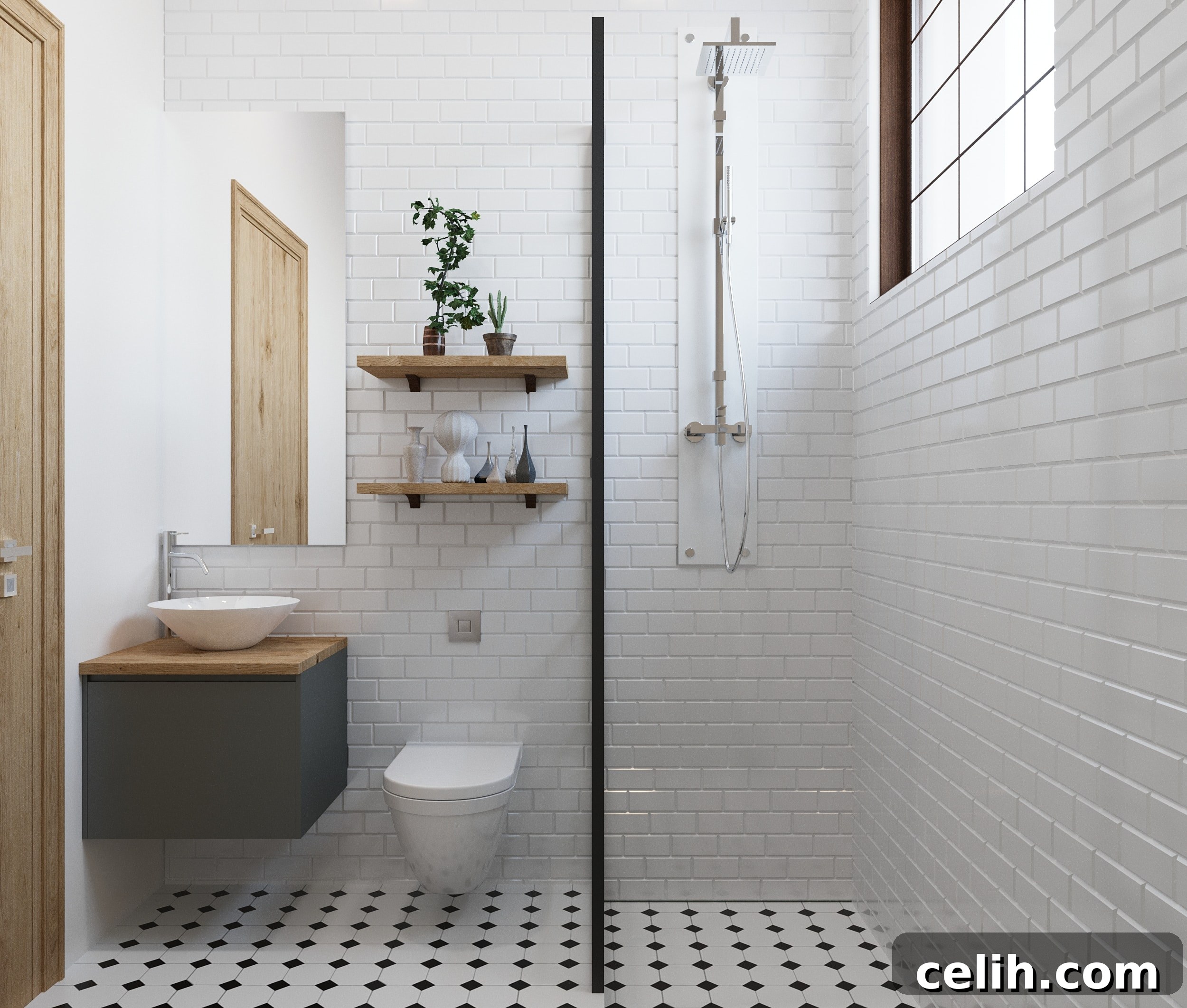
Welcome to the often-overlooked yet critically important world of wet room shower tray waste systems. Far from being a mere afterthought in bathroom design, these ingenious components are the silent guardians of your wet room, ensuring both functionality and the pristine aesthetics of a truly open showering space. While gleaming tiles and elegant fixtures capture immediate attention, it’s the efficient drainage system that quietly safeguards your sanctuary from water mishaps, preventing slips and preserving the integrity of your home. Join us as we explore the vital role of wet room shower tray wastes, delving into their design, selection, and the significant impact they have on creating the perfect, serene wet room experience.
Understanding the Wet Room Shower Tray Waste: More Than Just a Drain
At its core, a wet room shower tray waste is the essential component responsible for efficiently channeling water away from your showering area, preventing it from pooling or spreading across the entire bathroom floor. Unlike traditional shower trays that have raised edges, a wet room features a flush-to-floor design, creating a seamless, barrier-free space. This design relies heavily on a precisely engineered waste system, often integrated into a pre-formed shower tray or former, which incorporates the necessary slope to guide water directly to the drain. This “magical contraption,” as some might call it, is pivotal in maintaining the dry parts of your bathroom and preventing potential water damage, making it a cornerstone of modern, accessible, and stylish bathroom design.
The innovation behind wet room wastes ensures a powerful flow rate, capable of handling the volume of water from contemporary rain showers or multi-jet systems. Beyond just removing water, it’s designed to be discreet, often blending seamlessly with the floor tiles, thus preserving the minimalist aesthetic that wet rooms are celebrated for. Understanding the intricacies of this system is the first step towards creating a functional and beautiful wet room in your home.
Why Choose a Wet Room? Unveiling the Benefits
While the focus here is on the waste system, it’s worth understanding the broader appeal of wet rooms themselves, as their benefits directly highlight the importance of their drainage. Wet rooms are becoming increasingly popular for a multitude of reasons, extending beyond mere practicality:
- Enhanced Accessibility: With no steps or raised trays, wet rooms offer a truly barrier-free showering experience, ideal for individuals with mobility challenges, the elderly, or young children. This universal design principle makes the bathroom safe and accessible for everyone.
- Modern Aesthetics: The sleek, open-plan design of a wet room provides a contemporary and spacious feel. It blurs the lines between showering and bathing areas, making smaller bathrooms appear larger and more luxurious.
- Easy Maintenance: The absence of awkward corners and glass screens (or minimal use of them) makes cleaning a wet room significantly easier. A quick wipe-down is often all that’s needed to maintain its pristine condition.
- Increased Property Value: A well-designed and expertly installed wet room can be a significant selling point, adding perceived value and luxury to your property.
- Versatility in Design: Wet rooms offer immense flexibility in layout and finishes. You can choose from a vast array of tiles, fixtures, and shower styles to create a truly personalized space that reflects your taste.
Each of these benefits is underpinned by a robust and efficient wet room shower tray waste system, ensuring that the dream of a beautiful, functional wet room becomes a practical reality.
Critical Considerations: Choosing the Right Wet Room Shower Tray Waste
The journey to the perfect wet room begins with informed decisions about its foundational elements, particularly the shower tray and its integrated waste. This is where meticulous planning pays off, ensuring your wet room functions flawlessly for years to come.
Size and Dimensions: Tailoring to Your Space
Just as you wouldn’t try to fit a grand piano into a tiny studio apartment, selecting the correct size for your wet room shower tray is paramount. The primary step involves precise measurements of your designated shower area. Remember to factor in any structural elements like existing pipework, support beams, or wall alcoves that might influence the tray’s placement or require custom adjustments. Standard sizes are readily available, but for unique layouts, custom-made trays can provide a perfect fit, albeit at a potentially higher cost.
Beyond the footprint, consider the tray’s thickness or height. Thicker trays often integrate a more pronounced pre-formed gradient for superior drainage, which can be advantageous for high-flow shower systems. However, they might require more extensive floor excavation during installation to ensure a flush finish. Conversely, thinner trays are easier to install with minimal floor disruption but demand precise attention to the surrounding floor gradient to ensure adequate water runoff. Striking the right balance between ease of installation, effective drainage, and aesthetic integration is key.
Material Matters: Durability, Aesthetics, and Budget
The material of your wet room shower tray impacts its durability, weight, ease of installation, and overall aesthetic. Each option presents a unique set of advantages and considerations:
- Foam Trays (XPS or EPS): These are incredibly lightweight, easy to cut and shape on-site, and often the most budget-friendly option. Their insulating properties can also contribute to a warmer floor. Foam trays are excellent for DIY enthusiasts due to their manageability but require careful handling during installation to prevent damage. They are then tiled over, forming a robust, waterproof base.
- Acrylic or Composite Trays: These offer a more rigid structure than foam and are often pre-formed with a finished surface, reducing the need for tiling directly onto the tray. They are durable, easy to clean, and come in various colors and finishes. Their weight falls between foam and stainless steel, making them a balanced choice for many homeowners.
- Stainless Steel Trays: Representing the pinnacle of durability and a sleek, industrial aesthetic, stainless steel trays are robust and long-lasting. They are resistant to corrosion and often chosen for their minimalist look. However, they are heavier, typically more expensive, and may require specialized installation techniques. They are an investment but offer unmatched longevity and a distinctive design statement.
Your choice will depend on your budget, the intended use of the wet room, and your desired visual outcome. Always consider the long-term implications of the material on maintenance and wear.
Drain Drama: Navigating the Waste System Options
Once your shower tray is selected, the waste system becomes the next crucial decision point. This is where water is efficiently collected and expelled, and the choice of drain significantly impacts both performance and aesthetics.
- Linear Drains: These are a hallmark of modern wet room design, characterized by a long, narrow grate that runs along one edge of the shower area, often against a wall. Linear drains offer a high flow rate, making them ideal for powerful showers, and their sleek design creates a seamless, minimalist look. They can be particularly effective in larger wet rooms or those seeking a contemporary style that best suits your bathroom’s vibe.
- Point Drains (Square or Round): These are more traditional, typically located centrally within the showering area. While equally effective in drainage, they may require a four-way slope in the surrounding floor tiles to guide water towards them, which can be more complex to install than the single-direction slope often used with linear drains. Point drains are versatile and come in various grate designs to match any bathroom aesthetic.
- Trap Types: The waste system includes a trap (U-bend or P-trap) to prevent foul odors from the sewage system from entering your bathroom. Ensure the chosen waste system includes an accessible and easy-to-clean trap, as hair and soap scum can accumulate over time, potentially causing blockages.
- Flow Rate: For high-pressure or large rain showers, verify that your chosen waste system has a high enough flow rate to prevent water pooling. This specification is usually provided by manufacturers.
Ensuring Flawless Functionality: Gradients, Waterproofing, and Installation
Beyond the individual components, the success of a wet room hinges on proper integration and execution of a few critical steps:
- The Importance of Gradient (Slope): A wet room is only as effective as its slope. The floor of the showering area must be precisely graded towards the drain, typically at a minimum fall of 1:80 (1.25 cm per meter) to 1:50 (2 cm per meter), to ensure all water naturally flows into the waste. A pre-formed shower tray usually incorporates this slope, simplifying the tiling process.
- Robust Waterproofing (Tanking): This is arguably the most crucial aspect of wet room construction. The entire showering area, including the floor and walls, must be meticulously waterproofed using specialized membranes, primers, and sealants. This “tanking” process creates a watertight envelope, preventing any water from seeping into the building structure, which could lead to severe damage and costly repairs. The waste system itself must also be seamlessly integrated into this waterproof layer.
- Professional Installation: While some aspects of wet room installation can be DIY, the precision required for waterproofing, gradient creation, and waste integration often necessitates professional expertise. Incorrect installation can lead to leaks, poor drainage, and long-term issues that undermine the wet room’s integrity and aesthetic appeal.
My Wet Room Shower Tray Adventure: A Personal Journey to Bathroom Perfection
Embarking on my own wet room installation felt like a true quest, filled with moments of meticulous planning and unexpected challenges. After countless hours of online research, consulting with plumbers, and even sketching out various layouts, I committed to a mid-sized foam tray, primarily for its ease of cutting and its insulating properties, paired with a sleek linear drain. The idea was to create a minimalist, open space that felt both luxurious and eminently practical.
The installation process was indeed a rigorous test of patience and precision. Cutting the foam tray to perfectly accommodate a quirky wall angle, ensuring the pipework was correctly aligned, and applying multiple layers of waterproofing membrane felt more like an intricate art project than a plumbing job. There were moments of doubt, particularly when trying to achieve the perfect tile gradient leading to the linear drain. It was certainly more complex than assembling an IKEA bookshelf, but each precise measurement and carefully applied layer brought me closer to the vision.
The triumph came when the final tiles were laid, grout dried, and the shower was finally turned on. Watching the water effortlessly flow into the linear drain, leaving the rest of the bathroom floor perfectly dry, was incredibly satisfying. The result was a stunning, slip-free shower experience that transformed my daily routine and truly elevated the feel of my home. It was a powerful reminder that sometimes, the most essential components are those that work quietly behind the scenes.
Maintaining Your Wet Room Waste: Preventing Common Issues
Even the best-designed wet room waste system requires a little care to maintain peak performance. Regular maintenance is crucial to prevent blockages and ensure long-term efficiency:
- Regular Cleaning: Periodically remove the drain grate and clean out any accumulated hair, soap scum, or debris. This simple step can prevent the vast majority of blockages.
- Use a Drain Cover: Consider using a hair catcher or drain cover to minimize the amount of debris entering the waste pipe.
- Avoid Harsh Chemicals: While tempting for stubborn clogs, harsh chemical drain cleaners can damage your pipes or the waterproofing membrane over time. Opt for natural solutions like baking soda and vinegar or a plumber’s snake for deeper clogs.
- Hot Water Rinse: After each shower, a quick rinse with hot water can help flush away soap residue and keep the pipes clearer.
Embrace the Wet Room Shower Tray Revolution
The journey through the world of wet room shower tray wastes reveals them not as mundane plumbing components but as sophisticated pieces of engineering critical to modern bathroom design. They are the essential foundation upon which the beauty, accessibility, and enduring functionality of a wet room are built. From ensuring optimal drainage and preventing water damage to contributing to the sleek, minimalist aesthetic, the right wet room waste system is indispensable.
Armed with this comprehensive knowledge, you are now well-equipped to make informed decisions for your own home. Remember, a well-chosen and expertly installed wet room shower tray waste ensures that your bathroom that stays dry is a bathroom that stays stylish and functional for years to come. So go forth, intrepid homeowner, and create the wet room of your dreams. And when you step out onto that perfectly dry floor, revel in the knowledge that your humble wet room shower tray waste for keeping your feet dry and your bathroom slip-free has done its job impeccably.