
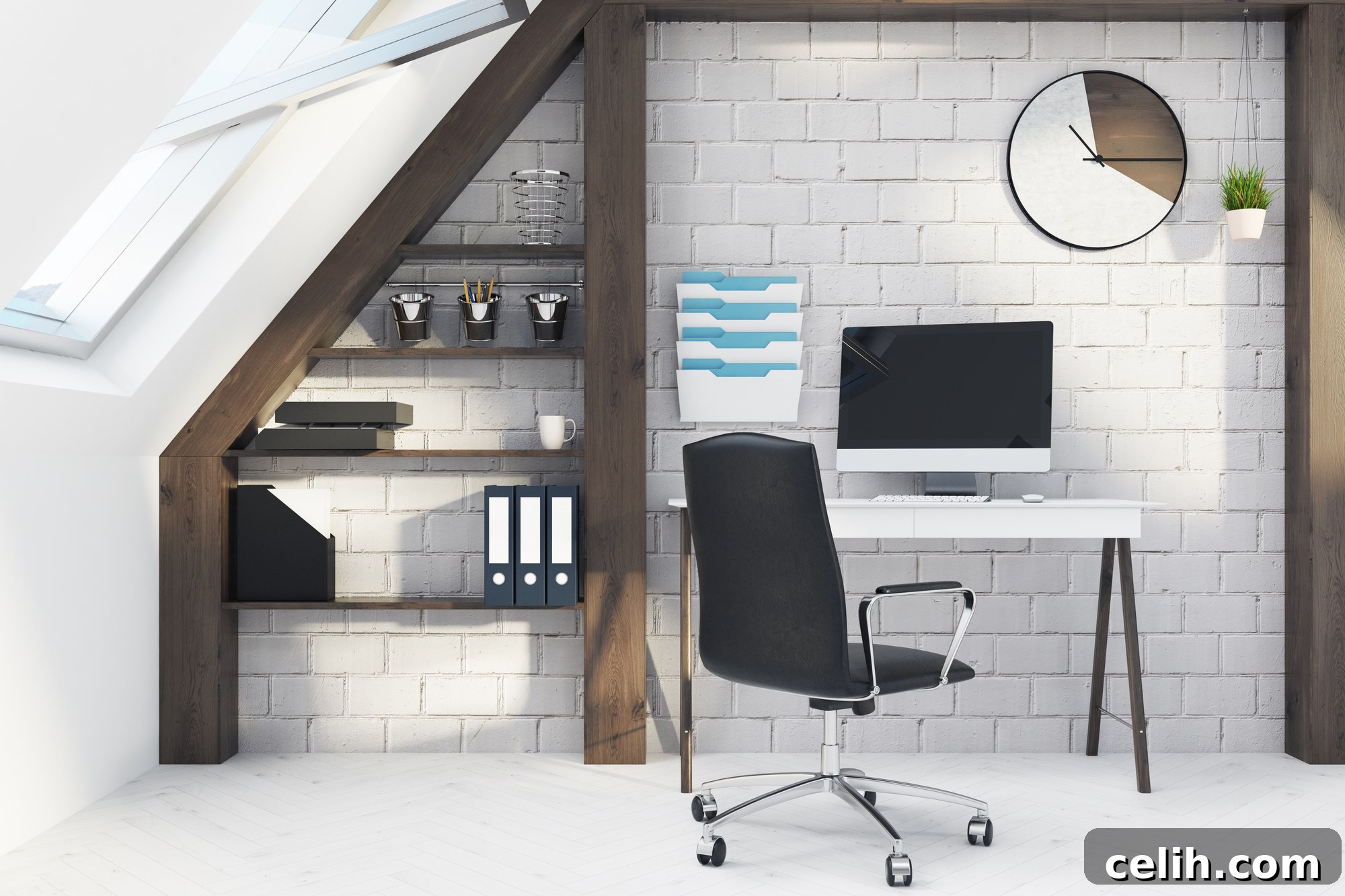
In an era increasingly defined by environmental consciousness and the pursuit of healthier lifestyles, the concept of a green office has transcended mere trend to become a fundamental pillar of modern business. It’s more than just reducing paper waste or turning off lights; it’s a holistic approach to creating a workspace that not only minimizes its ecological footprint but also actively promotes the well-being and productivity of its occupants. This transformation requires thoughtful consideration of every element, with office furniture, particularly chairs, playing a pivotal role. This article delves into the profound importance of integrating sustainable principles into your office environment, with a keen focus on eco-friendly chairs that champion a healthier planet, enhance comfort, and cultivate a more dynamic and productive work culture.
The Transformative Power of Sustainable Office Environments
Cultivating a green office extends far beyond superficial aesthetics; it embodies a profound commitment to corporate social responsibility and a genuine desire to mitigate ecological impact. Sustainable offices are meticulously designed to optimize energy efficiency, drastically reduce waste, and exclusively utilize eco-conscious materials throughout their design and operation. Within such forward-thinking spaces, the choice of furniture is paramount. It’s not just about functionality; it’s about making conscious decisions that contribute to a healthier global ecosystem, foster superior indoor air quality, and cultivate a positive, inspiring atmosphere that directly impacts employee morale and performance. The ripple effect of these choices—from reduced utility bills and a stronger brand image to improved staff retention and enhanced innovation—underscores the multifaceted benefits of embracing sustainability.
The Foundation of Sustainability: Eco-Friendly Chair Materials
The materials that constitute an office chair are critical indicators of its environmental footprint. Unlike conventional office chairs, which frequently incorporate materials such as non-recyclable plastics, petroleum-based foams, and synthetic fabrics laden with volatile organic compounds (VOCs), eco-friendly chairs champion a different philosophy. They are thoughtfully constructed from a palette of sustainable and often renewable resources designed to minimize environmental harm at every stage of their lifecycle. These include:
- Recycled Plastics: Diverting waste from landfills, recycled plastics (like PET bottles or industrial scrap) are transformed into durable and aesthetically pleasing chair components, significantly reducing the demand for virgin plastic production.
- Reclaimed or FSC-Certified Wood: Choosing wood sourced from sustainably managed forests (certified by organizations like the Forest Stewardship Council – FSC) or reclaimed from old structures prevents deforestation and reduces the need for new timber.
- Bamboo and Cork: These rapidly renewable resources offer exceptional durability, natural aesthetics, and a significantly lower environmental impact compared to slow-growing hardwoods. Bamboo, in particular, is known for its incredible strength and fast growth rate.
- Organic and Natural Fabrics: Opting for upholstery made from materials like organic cotton, hemp, linen, or natural wool eliminates harmful pesticides, synthetic dyes, and petrochemicals often found in conventional fabrics, promoting healthier indoor air quality.
- Recycled Metals: Steel and aluminum, when recycled, consume substantially less energy to produce than their virgin counterparts, making them excellent choices for chair frames and bases.
By prioritizing these materials, eco-friendly chairs not only contribute to a circular economy but also ensure a healthier, non-toxic environment for daily use, free from harmful chemical off-gassing that can compromise air quality and occupant well-being.
Embracing Circularity: Recycled and Upcycled Designs
The essence of a circular economy is to keep products and materials in use for as long as possible, eliminating waste and the continuous consumption of virgin resources. Eco-friendly chairs often exemplify this principle through innovative recycled and upcycled designs. Imagine chairs crafted from discarded fishing nets collected from oceans, repurposed industrial waste, or even elegantly transformed historical wood. These designs are not merely environmentally sound; they are often visually distinctive, telling a unique story of transformation and resilience. By choosing furniture that utilizes recycled or upcycled components, businesses actively participate in diverting waste from landfills and oceans, reducing pollution, and lessening the energy and resources required for new material production. This commitment to circularity not only aligns with a core sustainability ethos but also showcases a forward-thinking design philosophy that values resourcefulness and innovation.
Navigating the Green Landscape: Certifications for Sustainable Chairs
For discerning buyers, the landscape of “eco-friendly” claims can be complex. This is where independent certifications become invaluable. These labels provide credible verification that a product meets stringent environmental and health standards, ensuring transparency and accountability. When selecting sustainable office chairs, look for the following reputable certifications:
- FSC (Forest Stewardship Council): Guarantees that wood and paper products come from responsibly managed forests, promoting sustainable forestry practices and protecting biodiversity.
- Cradle to Cradle Certified®: Assesses products across five categories: material health, material re-utilization, renewable energy and carbon management, water stewardship, and social fairness. It aims for products that are healthy for people and the planet, designed for cyclical use.
- GREENGUARD Certification: Focuses on indoor air quality by testing products for low chemical emissions. GREENGUARD Gold offers even stricter criteria, ensuring products are suitable for sensitive environments like schools and healthcare facilities.
- LEED (Leadership in Energy and Environmental Design): While primarily for buildings, many furniture pieces contribute to a building’s LEED certification points, encouraging sustainable design and construction.
- BIFMA LEVEL: Specifically for furniture, this multi-attribute standard evaluates furniture products on environmental and social criteria across their lifecycle, including materials, energy, human and ecosystem health, and social responsibility.
These certifications act as powerful guides, helping businesses make informed decisions that support genuine sustainability efforts and avoid “greenwashing” claims.
Behind the Scenes: Energy-Efficient Manufacturing Processes
The environmental impact of an office chair isn’t solely determined by its materials; the methods used to produce it are equally significant. Leading manufacturers of sustainable office chairs are deeply committed to optimizing their production processes for minimal environmental harm. This includes a range of practices such as:
- Utilizing Renewable Energy: Powering factories with solar, wind, or other renewable energy sources dramatically reduces the carbon footprint associated with manufacturing.
- Waste Reduction and Recycling: Implementing lean manufacturing principles to minimize material scrap, and diligently recycling any unavoidable waste byproducts.
- Water Conservation: Employing closed-loop water systems and other water-saving technologies in production processes.
- Responsible Chemical Management: Avoiding hazardous chemicals and ensuring safe disposal of any necessary byproducts.
- Local Sourcing: Prioritizing local suppliers for raw materials and components to reduce transportation emissions and support regional economies.
By examining a manufacturer’s commitment to these energy-efficient and responsible practices, businesses can further ensure their furniture choices align with comprehensive sustainability goals.
Synergy of Comfort and Consciousness: Ergonomic Design for Health and Productivity
An eco-friendly chair is not simply a product of sustainable materials; it is also a testament to thoughtful design that prioritizes the human element. The best sustainable office chairs seamlessly integrate advanced ergonomic principles with environmental responsibility. Ergonomic design focuses on optimizing the interface between the user and their workspace, promoting correct posture, reducing musculoskeletal strain, and enhancing overall comfort and well-being. Features like adjustable seat height, lumbar support, armrests, and tilt mechanisms allow users to customize the chair to their unique body type, preventing discomfort and long-term health issues. A truly comfortable and supportive chair is an investment in employee health, leading to fewer sick days, increased focus, and greater productivity. Thus, when you choose an eco-friendly, ergonomically designed chair, you are investing in both the planet’s health and the sustained peak performance of your team.
Invisible Impact: Biodegradable and Non-Toxic Finishes
While often overlooked, the coatings, glues, and finishes applied to office chairs play a critical role in both indoor air quality and end-of-life impact. Many traditional furniture finishes contain harmful volatile organic compounds (VOCs) that off-gas into the air for years, contributing to sick building syndrome, respiratory issues, and other health problems. Eco-friendly chairs, by contrast, prioritize health and environmental safety by utilizing biodegradable, water-based, or non-toxic finishes. These may include natural oils, waxes, zero-VOC paints, and formaldehyde-free adhesives. By opting for chairs with such finishes, you ensure that the air in your office remains clean and healthy for all occupants. Furthermore, at the end of the chair’s long service life, these non-toxic components can safely break down, minimizing environmental contamination and supporting truly circular product lifecycles.
The Investment in Tomorrow: Longevity and Durability
A core tenet of sustainability is the concept of “buy less, choose well.” Eco-friendly design isn’t just about the materials used or the manufacturing process; it’s profoundly about a product’s lifespan. Sustainable chairs are engineered for exceptional durability, designed to withstand years of rigorous use in a bustling office environment. This focus on longevity reduces the need for frequent replacements, which, in turn, minimizes waste, conserves resources, and lowers the overall environmental impact associated with manufacturing and disposal. Investing in high-quality, long-lasting furniture is a strategic financial decision that pays dividends over time, reducing operational costs and ensuring a consistent, professional aesthetic for your workspace. Furthermore, many eco-friendly chairs feature modular designs, allowing for easy repair or replacement of individual components, further extending their functional life and embodying a truly sustainable approach.
Beyond Chairs: Cultivating a Fully Green Office Ecosystem
While eco-friendly chairs are a crucial starting point, a truly sustainable office embraces a comprehensive approach. This extends to every aspect of the workspace, creating a harmonious ecosystem where environmental responsibility is ingrained in the very fabric of operations. Consider integrating energy-efficient LED lighting, optimizing natural light exposure, and installing smart thermostats to reduce energy consumption. Incorporate a robust recycling and composting program, minimize single-use plastics, and choose office supplies made from recycled or sustainable materials. Introducing biophilic design elements, such as abundant indoor plants, not only enhances aesthetics but also improves air quality and employee well-being. By adopting a holistic strategy that encompasses all elements of design, operations, and culture, businesses can transform their workspace into a thriving, green environment that benefits both people and the planet.
The Enduring Legacy: Maintenance and End-of-Life Solutions
The journey of an eco-friendly chair doesn’t end upon purchase; responsible maintenance and thoughtful end-of-life planning are integral to its sustainable impact. Proper care, often involving simple, non-toxic cleaning agents, can significantly extend the chair’s lifespan, preserving its functionality and aesthetic appeal for many years. When an eco-friendly chair eventually reaches the end of its useful life, its sustainable design shines through. Many manufacturers offer take-back programs, ensuring components are recycled, upcycled, or properly disposed of, preventing them from ending up in landfills. If a take-back program isn’t available, the chair’s composition of recyclable and biodegradable materials makes it easier to deconstruct and sort for local recycling facilities. Donating still-functional chairs to charities or non-profits also provides a second life, further closing the loop on waste and extending the product’s value. This foresight in design and disposal ensures that the environmental benefits of choosing eco-friendly chairs are realized from production to retirement.
Conclusion
The transition to a green office, anchored by the thoughtful selection of eco-friendly chairs, represents a profound and impactful commitment to a sustainable future. It’s a holistic approach that seamlessly intertwines environmental stewardship with the vital well-being and productivity of every individual within the workspace. By consciously choosing chairs crafted from responsibly sourced and sustainable materials, engineered with cutting-edge ergonomic designs, and produced through energy-efficient, eco-friendly manufacturing processes, businesses do more than just furnish an office. They actively contribute to a healthier planet, foster an environment that champions superior indoor air quality, and cultivate a workspace where comfort, health, and peak performance are paramount. Making these deliberate and informed choices transforms an ordinary office into an inspiring, sustainable haven, powerfully reflecting a steadfast dedication to a brighter, greener, and more responsible tomorrow. Embrace this shift, and watch your workspace evolve into a testament to intelligent, ethical design.