
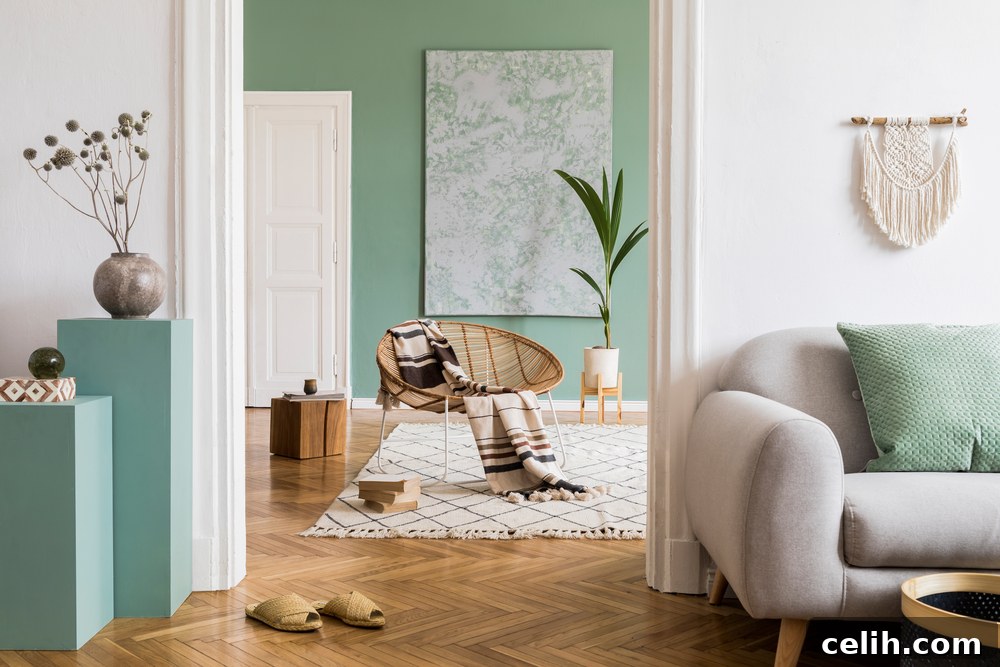
Urban environments, bustling with life and innovation, paradoxically present some of the most pressing challenges to achieving a sustainable future. As cities expand vertically and horizontally, the demand for resources skyrockets, leading to increased energy consumption, waste generation, and a significant environmental footprint. However, these very challenges also serve as fertile ground for innovation, inspiring residents, designers, and policymakers to rethink their living spaces and urban infrastructure through an eco-friendly lens.
Embracing sustainable design principles and integrating eco-conscious habits into daily life offers a powerful pathway to enhance personal well-being while making a tangible positive contribution to the planet. This article delves into a comprehensive set of effective strategies for transforming urban dwellings into greener havens. From making thoughtful design choices and selecting sustainable materials to cultivating mindful daily practices and exploring innovative urban solutions, discover how a commitment to sustainability can foster efficiency, health, and harmony within your home and community.
The Imperative of Eco-Conscious Design in Modern Homes
In an era grappling with the undeniable realities of climate change, dwindling natural resources, and escalating pollution, the importance of eco-conscious living cannot be overstated. Urban areas, in particular, are major contributors to environmental degradation, driven by high energy consumption for heating, cooling, and lighting, coupled with massive waste generation from dense populations. Therefore, rethinking our home design through a sustainable perspective is not merely a trend, but an ecological and ethical imperative.
Sustainable design extends beyond aesthetics; it’s about making informed choices that minimize environmental impact throughout a product’s lifecycle, from sourcing and manufacturing to use and disposal. By prioritizing environmentally responsible materials and processes, we can significantly reduce the carbon footprint of our living spaces. Furthermore, these choices often lead to tangible benefits for inhabitants, such as improved indoor air quality, reduced exposure to harmful chemicals, and enhanced natural light, all of which contribute to better health and overall well-being. Investing in green design also often translates to long-term economic savings through reduced energy and water bills, making it a financially astute decision.
Incorporating eco-conscious elements into your home can also involve practical steps like decluttering to create a more organized and efficient space. Facilities such as Shurgard’s London spaces offer convenient storage options, allowing you to streamline your home during renovation or simply create a more minimalist, less resource-intensive living environment. This approach supports sustainable living by reducing the need for excessive purchases and making room for deliberate, eco-friendly design choices.
Thoughtful Material Selection and Design for Green Interiors
Creating an environmentally responsible home starts with foundational choices, particularly in material selection. It is crucial to prioritize items that are sustainably sourced, recycled, or rapidly renewable. Materials like reclaimed wood, for example, are an excellent choice for furniture, flooring, or decorative accents. Utilizing reclaimed wood directly reduces deforestation, minimizes waste in landfills, and often brings a unique character and history to your living space that new materials cannot replicate.
Beyond structural elements, consider using non-toxic, low-VOC (Volatile Organic Compound) paints and finishes. Traditional paints can release harmful chemicals into the air for years after application, compromising indoor air quality. Opting for natural, plant-based, or water-based alternatives can significantly improve the air you breathe while still providing beautiful and durable surfaces.
Natural lighting plays a paramount role in eco-conscious design, reducing reliance on artificial light and consequently lowering energy consumption. Strategically placed windows, skylights, and light tubes can flood interiors with sunlight, creating bright and inviting spaces. Complementing this with reflective surfaces like mirrors, light-colored walls, and glossy finishes can further amplify brightness and create an illusion of spaciousness, especially in smaller urban dwellings. Maximizing natural light also offers psychological benefits, boosting mood and productivity.
When it comes to furnishings, a philosophy of “quality over quantity” is inherently sustainable. Investing in durable, well-crafted pieces that are designed to withstand the test of time is far more eco-friendly than frequently replacing inexpensive, poorly made items. This approach not only lowers long-term costs but also dramatically reduces waste sent to landfills. Consider ethical sourcing, local craftsmanship, and even upcycling existing furniture to give it a new lease on life.
Furthermore, integrating greenery into your home can yield astonishing environmental and personal benefits. Indoor plants purify the air by absorbing toxins and releasing oxygen, while also adding a natural aesthetic that promotes a calming and serene atmosphere. This biophilic design approach enhances overall well-being, reduces stress, and connects inhabitants with nature, even within concrete jungles. If space is limited, consider innovative solutions like vertical gardens, living walls, or hanging planters that allow you to enjoy nature’s benefits without sacrificing precious floor space.
Cultivating Sustainable Habits in Daily Home Life
While sustainable design provides the foundation for an eco-friendly home, cultivating eco-conscious habits in daily life is equally vital. One of the most effective strategies is establishing a robust waste management system within your household. This goes beyond simply recycling; it embraces the broader “reduce, reuse, recycle” hierarchy. Implementing comprehensive recycling for plastics, paper, glass, and metals, alongside composting organic waste, helps significantly minimize the amount of refuse sent to landfills, reducing methane emissions and promoting responsible material disposal. Consider also reducing packaging by buying in bulk or choosing products with minimal or recyclable packaging.
Energy conservation is another crucial pillar of sustainable living. Simple, mindful actions can collectively lead to substantial reductions in energy consumption. This includes the habitual practice of turning off lights when leaving a room, unplugging electronics (vampire loads) when not in use, and optimizing heating and cooling settings. Furthermore, upgrading to energy-efficient lighting solutions, such as LED bulbs, not only enhances brightness but consumes significantly less power and has a longer lifespan. For major appliances, look for ENERGY STAR certified models that offer superior efficiency.
Being mindful of water usage can also have a profound environmental and financial impact. Promptly fixing leaks, installing low-flow faucets, showerheads, and toilets, and collecting rainwater for irrigating indoor or outdoor plants are excellent ways to conserve this precious resource. These practices not only help alleviate pressure on local water supplies and ecosystems but also translate directly into lower utility bills for the homeowner.
Food choices play a pivotal role in sustainable living, extending the impact of your home beyond its walls. Sourcing local, seasonal produce from farmer’s markets or community-supported agriculture (CSA) programs supports local economies, reduces the carbon footprint associated with long-distance transport and storage, and often provides fresher, more nutritious ingredients. For those with limited outdoor space, growing herbs, small vegetables, or microgreens indoors or on a balcony provides fresh ingredients while promoting a sense of self-sufficiency and connecting you more directly to your food source. Reducing food waste through meal planning, proper storage, and composting leftovers is also a critical sustainable habit.
Innovative Approaches to Urban Sustainability and Community
As the global focus on sustainability intensifies, so too does the innovation within urban planning, architecture, and interior design. Modern approaches increasingly showcase ingenious applications of renewable materials, energy-efficient technologies, and systems designed to minimize environmental impact. This transformative shift not only enhances the functionality and aesthetics of urban spaces but also actively promotes a broader sustainable ethos within communities.
Retrofitting existing structures to improve energy efficiency has become a prevalent and highly effective trend in urban sustainability. Upgrading insulation in walls and attics, installing high-performance, energy-efficient windows, and utilizing renewable energy sources like rooftop solar panels or ground-source heat pumps can drastically reduce energy consumption in older buildings. These adjustments not only contribute to significantly lower carbon footprints but also ensure enhanced comfort for residents through better temperature regulation and reduced noise pollution.
Community engagement plays a vital role in fostering a truly sustainable urban environment. When neighbours actively share resources, exchange skills, and collaborate on ideas, it strengthens social bonds, builds resilience, and creates a supportive network that collectively tackles environmental challenges. Initiatives such as tool-sharing libraries, bulk-buying cooperatives, and local repair cafes exemplify this collaborative spirit, reducing individual consumption and promoting resource efficiency.
Community gardens, for instance, are powerful examples of this collaboration. They provide fresh, locally grown produce, enhance food security, and offer communal green spaces that promote interaction, education, and environmental stewardship among residents. Additionally, modern sustainable urban design increasingly reflects the importance of integrating green outdoor spaces within the built environment.
Creating green rooftops, establishing permeable surfaces, developing community parks, and cultivating shared gardens allows city dwellers to experience nature directly, improves urban air quality, manages stormwater runoff, and encourages biodiversity. These initiatives not only beautify urban areas and provide vital habitats for wildlife but also significantly enhance the quality of life for human residents by offering spaces for recreation, relaxation, and connection.
Lastly, embracing a minimalist lifestyle can significantly aid sustainable living. By consciously reducing the number of possessions and focusing on quality, utility, and experiences rather than excessive consumption, individuals can lower their environmental impact. This approach not only creates a more harmonious, clutter-free living environment but also aligns perfectly with the ethos of eco-conscious living, promoting simplicity, intentionality, and a deeper appreciation for what truly matters in daily life.
Looking Ahead: The Future of Urban Sustainability
The future of sustainable design and living in urban environments is undeniably promising and filled with potential. As individuals, creative designers, innovative architects, and forward-thinking policymakers continue to commit to eco-friendly practices, the capacity for profound, positive change becomes limitless. By prioritizing sustainability not only in our architectural and interior design choices but also in our daily lifestyle habits, residents have the power to collectively enhance the quality of urban life for current and future generations.
For those eager to make a difference, the journey towards a greener urban dwelling can start small. Integrating just one or two sustainable practices into your daily routines, such as improved recycling or conscious energy usage, is a powerful first step. Over time, these seemingly minor efforts compound, leading to a much more profound and widespread impact on both the immediate environment and the broader community. Each thoughtful step towards a greener home contributes to a larger, ever-growing movement advocating for sustainable living, fostering resilient communities, and protecting our planet’s precious resources.