
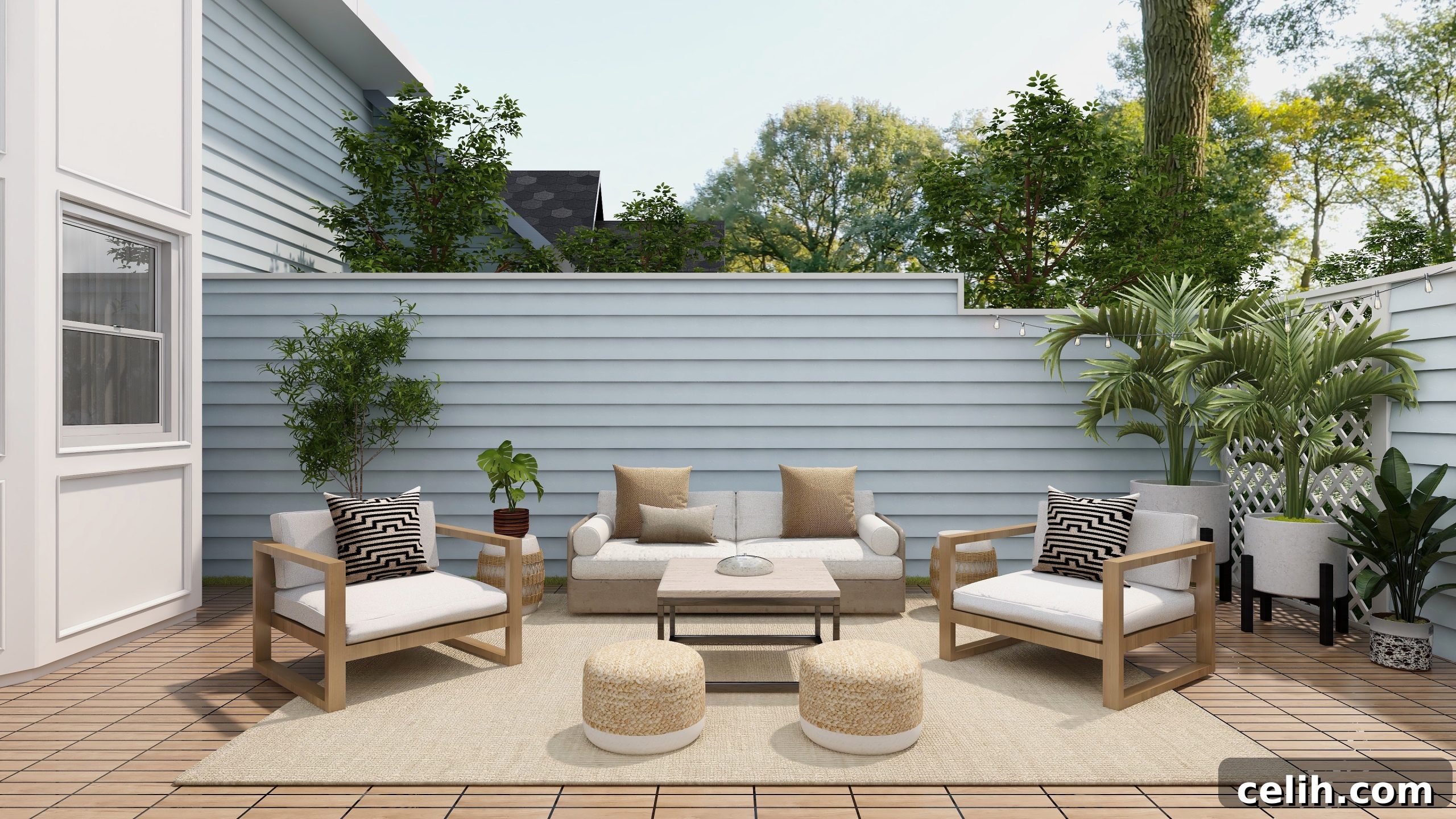
The allure of alfresco living has never been stronger, transforming our perception of home beyond four walls. What was once a seasonal luxury has evolved into an essential extension of our living spaces, driven by a desire for connection with nature, enhanced well-being, and a more dynamic lifestyle. If your home is blessed with any private outdoor space – be it a compact city patio, a sprawling lawned garden, or a charming balcony – you possess a blank canvas. This is your opportunity to sculpt an outdoor sanctuary, a place for ultimate relaxation, joyful family gatherings, or sophisticated entertaining with friends. Creating this ideal outdoor living environment is an exciting and rewarding project, and thankfully, it doesn’t necessarily require a colossal budget. With thoughtful planning and creative execution, you can unlock the full potential of your exterior. To help you on this journey, we’ve compiled a comprehensive guide filled with practical tips and inspiring ideas to design an outdoor haven that truly reflects your style and enhances your daily life.
1. Assess Your Outdoor Canvas: Work with What You Have
Before you embark on any transformation, the first crucial step is to intimately understand your existing outdoor space. Take a detailed inventory of its characteristics. What is the overall size and precise layout of your garden or patio? Is the area open and exposed to neighbors, or is it naturally sheltered and private? Consider the access points from your home – bifold doors, sliding glass doors, or French doors are ideal for creating a seamless transition between indoor and outdoor areas, blurring the lines and inviting nature in. Look around for any existing structures that might pose a challenge or an opportunity, such as sheds, garages, or garden buildings. Could these be integrated into the design, perhaps with a fresh coat of paint or climbing plants, or are there any unsightly elements you wish to conceal with clever landscaping or screening?
While a larger garden undoubtedly offers more creative freedom for adding elaborate features like statues, arbors, or cascading water features, it’s vital to remember that more isn’t always better. The key lies in intelligent design, not just accumulation. A minimalist, low-maintenance garden design can be just as impactful and visually appealing as a complex, traditional English cottage garden. The true magic happens when the space is designed with purpose and functionality in mind. Before moving a single piece of furniture or planting a single shrub, clearly define how you envision using the space. Will it be primarily for dining, lounging, children’s play, quiet contemplation, or a combination of these? Your desired functions will dictate every subsequent design decision, ensuring a cohesive and purposeful outcome.
2. Design Your Outdoor Living Room: The Heart of Alfresco Life
The cornerstone of a successful outdoor transformation is the creation of a cozy, inviting, and highly functional alfresco living room. This central area should be your primary focus, serving as a versatile hub for various activities. A well-designed outdoor sitting and/or dining area becomes the perfect stage for entertaining guests, hosting vibrant garden parties, enjoying casual BBQs, or simply providing a serene retreat for you and your family to unwind and recharge. When selecting furniture, prioritize generously proportioned lounging pieces – think deep sofas and comfortable armchairs – alongside a dining table and chairs that can comfortably accommodate all family members and occasional guests. However, be mindful not to overcrowd the space; the furniture should enhance, not dominate, the area.
Just as you meticulously plan the interiors of your home, apply the same design rigor and attention to detail to your garden area. Strive for a cohesive “outdoor room” scheme, carefully choosing colors, textures, and styles that complement and link seamlessly with your interior decor. This thoughtful integration creates a harmonious flow, ensuring your home feels unified whether you’re relaxing in the kitchen or lounging on the patio. A seamless theme is paramount for successfully connecting the outside and the inside of your home. By blurring these traditional boundaries, you expand your effective living space, allowing for a natural transition that enhances both visual appeal and practical usability. Consider elements like outdoor rugs, strategically placed planters, and decorative screens to further define and enhance this essential outdoor living zone, giving it the same warmth and character as any indoor room.
3. Plenty of Seating for All: Comfort Meets Style Alfresco
Making alfresco lounging enjoyable and truly indulgent involves a myriad of seating solutions, catering to every taste, budget, and garden size. The options are virtually limitless, ranging from the effortless charm of simple hammocks, classic deckchairs, and weather-resistant beanbags, to the contemporary appeal of hanging egg chairs and luxurious modular outdoor sofa sets. If alfresco dining is more your passion, consider investing in a substantial dining table paired with comfortable chairs or a complete outdoor dining set designed for extended feasts. For those with a more compact, “bijou” garden, a charming bistro set can be a delightful and practical addition, perfect for intimate breakfasts or evening cocktails.
The material you select for your garden furniture will profoundly influence the overall style and atmosphere of your outdoor space. Opt for natural wood, such as teak or acacia, to evoke a warm, organic, and timeless feel that ages gracefully. Alternatively, choose metal, like powder-coated aluminum or wrought iron, for a more contemporary, sleek, and durable aesthetic. Synthetic rattan or wicker offers a classic look with modern weather-resistant properties. Once the primary furniture is in place, infuse personality and comfort by adding an abundance of colorful cushions and soft throws. These elements not only soften hard lines and materials, making the area more cozy and appealing, but they also serve as excellent focal points, drawing the eye and injecting vibrant hues into your outdoor palette. Ensure all textiles are specifically designed for outdoor use, offering resistance to UV fading and moisture.
4. Protection from the Elements: Extending Your Outdoor Season
To truly maximize the utility and enjoyment of your outdoor living room throughout the year, robust covered shelter is an absolute necessity. While a simple parasol or a stylish shade sail can provide adequate protection on hot, sunny days, for more comprehensive and reliable defense against unpredictable weather, consider more permanent solutions. Properly constructed gazebos or weatherproof aluminum pergolas offer significantly more value and versatility, regardless of the season. These structures not only provide essential shelter but also elevate your garden design, adding architectural interest and a sense of permanence.
When choosing a shelter solution, select a size and style that harmonizes with the overall proportions and aesthetic of your garden, creating a functional and beautiful outdoor getaway space usable in both summer and winter. Modern pergolas have evolved significantly, now offering advanced features such as electrically retractable louvered roofs that can be opened for sun or closed for rain at the touch of a button. Many also include integrated side screens – either retractable or fixed – which provide additional protection from wind, rain, and offer enhanced privacy. Some even incorporate LED lighting and heating elements directly into their design, transforming your outdoor space into a comfortable and inviting sanctuary that can be enjoyed well into the evening and through cooler months. This investment significantly extends your outdoor living season, allowing you to embrace alfresco life for a greater part of the year.
5. Outdoor Cooking in Style: From Basic BBQ to Gourmet Kitchen
Summertime inherently calls for barbecues – there’s an undeniable magic to eating outdoors with friends and family. However, constantly shuttling between the indoor kitchen and the outdoor entertaining area can be disruptive, especially when you have guests. For those who frequently entertain, a dedicated outdoor cooking solution is a minimum requirement. On the simpler end of the spectrum, you can opt for a budget-friendly, traditional coal-fired barbecue grill, cherished for its smoky flavor and ritualistic appeal. Alternatively, a no-mess, fuss-free gas BBQ offers instant heat and precise temperature control. Even the smallest patio or balcony can comfortably accommodate a modest, compact appliance, proving that outdoor cooking is accessible to all.
However, if space is not a constraint and your budget allows for a more significant garden upgrade, the possibilities for outdoor culinary excellence expand dramatically. At the top end of the scale are fully fitted outdoor kitchens that rival their indoor counterparts. These luxurious installations can feature an array of high-end amenities, including a complete sink with running water, a powerful cooker with interchangeable grill plates, an oven with warming drawers for keeping food hot, a dedicated pizza oven for authentic Italian nights, and even specialized refrigeration like a beer fridge or wine cooler. Designing an outdoor kitchen demands the same meticulous planning as your main indoor kitchen, considering layout, workflow, and material durability. The only true limitation is your imagination, allowing you to create a bespoke outdoor culinary hub that becomes the vibrant heart of your entertaining space, offering unparalleled convenience and gourmet capabilities.
6. Lighting and Heating: Extending the Experience Day and Night
For an outdoor living area to truly offer maximum convenience and comfort, it must be functional and inviting both day and night, throughout the seasons. This requires a well-thought-out lighting scheme that transforms the space into a cozy, magical haven after dusk. Depending on the specific atmosphere you aim to create, you can use various lighting techniques to achieve different effects. Ambient lighting provides a soft, overall glow, while accent lighting can be strategically placed to highlight key garden features such as trees, sculptures, or water elements. Task lighting, on the other hand, ensures practical illumination where needed, such as over dining areas or outdoor kitchens. Fairy lights, string lights, solar-powered path lights, spotlights, wall sconces, and even smart lighting systems that allow for dimming and color changes can all contribute to creating a twinkling oasis or a sophisticated evening lounge.
Beyond illumination, maintaining warmth is crucial for extending the time you and your guests can comfortably spend in your private outdoor space. If you have a semi-indoor area, such as a covered patio or sunroom, you could greatly benefit from a gas fireplace. This offers luxurious warmth and comfort, creating a stylish focal point for summer gatherings that seamlessly transitions indoors. Guests often appreciate the option to circulate between indoor and outdoor areas. If you feature a chiminea or fire pit outside, an indoor gas fireplace maintains a consistent theme of warmth and comfort, inviting conversations and a sense of cohesion throughout your home.
Additional heating options further enhance the usability of your outdoor sanctuary. Consider installing a chiminea or a fire pit in a suitable, safe area of your garden. These not only provide welcome warmth but also introduce a functional yet aesthetically stunning ‘wow’ factor to the space. A fire pit, in particular, becomes the perfect magnetic focal point around which to gather as the sun dips below the horizon, offering the delightful option of toasting marshmallows over the open flames for an unforgettable experience. For more consistent and controllable heat, outdoor patio heaters (electric or propane-fueled) can be strategically placed to ensure comfort on cooler evenings, making your outdoor area truly an all-season retreat.
Featured image credit: Collov Home Design on Unsplash