
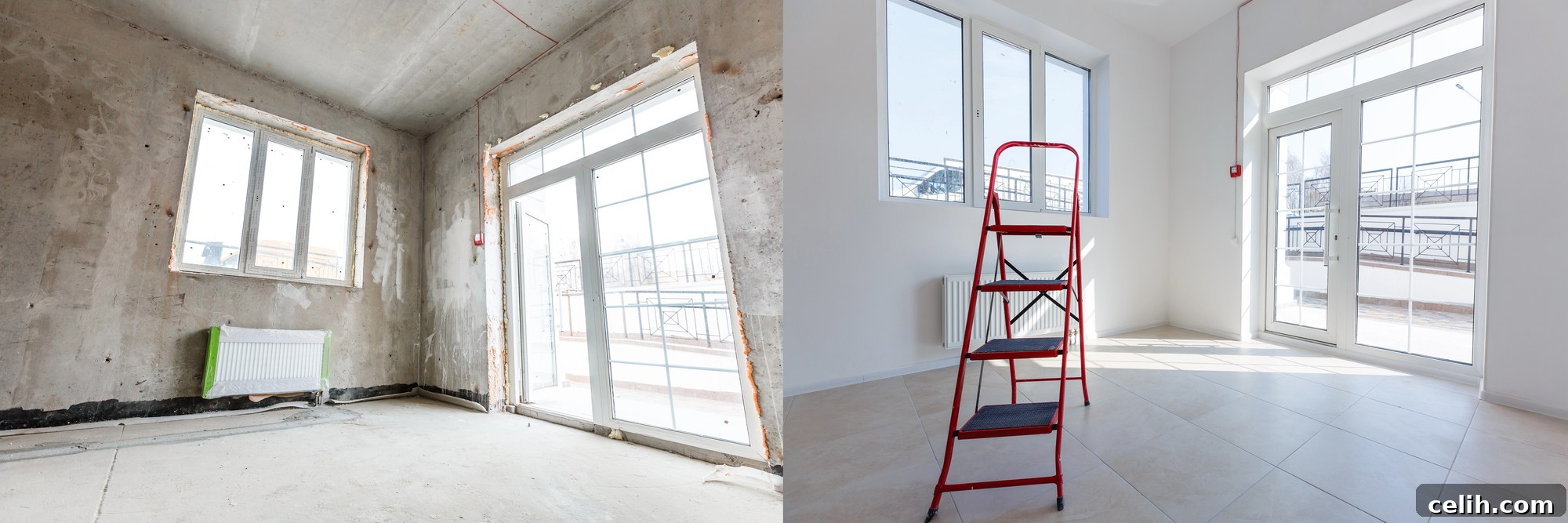
The allure of transforming a dilapidated property into a modern, luxurious abode is a captivating fantasy often fueled by popular reality television shows. These programs frequently showcase investors turning crumbling fixer-uppers with collapsing roofs, antiquated wiring, and myriad other issues into profitable ventures, sometimes tripling their initial investments. This narrative of dramatic transformation and financial triumph can certainly inspire confidence, making any challenging renovation project seem achievable. Indeed, the dream of finding an undervalued gem and restoring it to its former glory, or even surpassing it, is a powerful motivator for many aspiring real estate investors and homeowners.
However, the glossy portrayal often overlooks the harsh realities and potential pitfalls. While the success stories are inspiring, it’s equally crucial to recognize the point of no return, especially when operating with limited funds, tight timelines, and the ever-present pressure of avoiding loan defaults or missing a lucrative seller’s market. The critical question for any would-be renovator or investor then becomes: when is a house simply not worth fixing? This comprehensive guide aims to help you answer that vital question, providing insights to empower you in making more informed and financially astute decisions in your real estate endeavors. Understanding these red flags can save you significant time, money, and emotional distress.
Decoding the Red Flags: When a Fixer-Upper Becomes a Money Pit
Embarking on a renovation journey requires careful consideration of a property’s condition. While minor cosmetic upgrades can yield substantial returns, certain underlying issues can quickly turn a promising investment into a costly nightmare. Identifying these critical problems early on is paramount for any homeowner or investor seeking a successful home renovation project. Here are the definitive signs that a house might be beyond economical repair, transforming it from a “fixer-upper” to a true “money pit.”
Major Structural Integrity Issues
Among the most significant warning signs that a property may not be worth fixing are extensive structural issues. These problems form the very foundation (literally and figuratively) of a home’s integrity, and addressing them is often prohibitively expensive and incredibly time-consuming. Unless your intention is to completely demolish and rebuild, or if you possess an unlimited budget, a house with severe structural faults should be approached with extreme caution. These issues aren’t just cosmetic; they compromise the safety, stability, and long-term viability of the entire dwelling.
Consider the severity of cracks in the foundation, which can range from hairline fissures to wide, spreading fractures indicating significant settlement or differential movement. Repairing a compromised foundation often requires specialized engineering expertise, excavation, underpinning, or even complete foundation replacement, costing tens of thousands of dollars and stretching project timelines by months. Similarly, visibly sagging floors are indicative of rotten floor joists, inadequate support beams, or significant water damage, necessitating extensive demolition and reconstruction of subflooring and framing. A leaning chimney is not just an eyesore; it suggests foundation instability or structural separation, posing a serious safety hazard that requires costly professional realignment or complete rebuild.
Beyond these visible indicators, hidden structural issues like widespread termite damage or severe wood rot in inaccessible areas can silently undermine the home’s framework. These often only come to light during demolition, adding unforeseen costs and delays. Even a deteriorating roof impacted by weather, if left unchecked, can lead to pervasive structural damage over time, impacting walls and ceilings. Due to their critical nature, structural repairs cannot be cut corners or left incomplete. They demand immediate and meticulous attention, requiring skilled contractors, engineers, and architects. The resources — both financial and temporal — diverted to these essential but often unseen repairs can significantly diminish your return on investment, making such projects unviable for most investors aiming for profit maximization.
Extensive and Unresolved Water Damage
Water damage is arguably one of the most insidious and destructive problems a property can face, often leading to a cascading series of costly issues. Whether stemming from a single catastrophic event like a burst pipe, persistent leaks, or extensive flooding, water infiltration can compromise nearly every component of a home. Its presence is detrimental, weakening wooden structures, corroding metal pipes and electrical components, and creating a fertile breeding ground for mold and mildew. The implications of widespread water damage extend far beyond cosmetic blemishes; they pose significant health risks to occupants and severely impact the property’s structural integrity and market value.
The immediate and visible signs of water damage, such as water stains on ceilings and walls, peeling paint, or warped flooring, are just the tip of the iceberg. Often, the most severe damage is hidden behind walls, under floorboards, or in attics and crawl spaces. These unseen areas can harbor extensive wood rot, destroy insulation, and facilitate the growth of black mold, which can trigger severe respiratory issues, allergies, and other health problems. Professional mold remediation is a complex and expensive process, often requiring specialized equipment and containment to prevent spores from spreading throughout the property. Moreover, the musty odors associated with long-term water damage are a major deterrent to potential buyers or renters, signaling deeper, unresolved issues.
Repairing extensive water damage is not merely about drying out a space; it involves identifying and rectifying the source of the leak, replacing damaged materials, addressing mold contamination, and potentially repairing compromised structural elements. This can entail ripping out drywall, replacing flooring, and even rebuilding sections of the roof or foundation. The costs associated with these repairs can quickly escalate, often exceeding the property’s potential resale value. Even a property that comes fully furnished won’t hold its value if the underlying structure and environment are compromised by severe water damage. Diligent inspection for all signs of water damage, both obvious and subtle, is absolutely critical before committing to a fixer-upper.
Severely Outdated and Compromised Systems
While the charm of an old house with original features like staircases, windows, and doors can be a major selling point, the hidden reality of its outdated core systems can be a profound financial burden. Modernizing the essential infrastructure of an older home is not just an aesthetic choice; it’s a necessity for safety, functionality, energy efficiency, and compliance with current building codes. The older the house, the more likely its electrical, plumbing, and HVAC systems are archaic, inefficient, or even hazardous, requiring costly and extensive overhauls.
Consider the electrical system: many older homes still feature knob-and-tube wiring, aluminum wiring, or simply lack sufficient amperage to support modern appliances and electronics. These systems are not only fire hazards but also often ungrounded, making them unsafe. A complete electrical rewiring is a labor-intensive project that often requires tearing into walls and ceilings, significantly increasing renovation costs and project duration. Similarly, plumbing systems in very old homes might consist of galvanized steel pipes, which corrode over time, leading to low water pressure, leaks, and potential lead contamination. Replacing these with modern PEX or copper piping is another major undertaking that involves extensive demolition and reconstruction.
The heating, ventilation, and air conditioning (HVAC) system is another critical component. An ancient furnace, a defunct central air conditioning unit, or poorly designed ductwork can lead to exorbitant utility bills and uncomfortable living conditions. Upgrading your HVAC system can improve energy efficiency and comfort, but it’s a significant investment. Beyond these, issues such as old septic tanks, outdated wells, or inadequate insulation can add to the list of unavoidable and costly upgrades. These aren’t optional upgrades; they are fundamental necessities for a livable and safe home. The extensive work often requires opening up walls, floors, and ceilings, leading to higher labor costs and the need for significant cosmetic repairs afterward. Failing to address these outdated systems can not only deter potential buyers but also lead to ongoing maintenance headaches and potentially dangerous living conditions.
Beyond the Bricks: Navigating Renovation Timelines, Costs, and Emotional Toll
Successfully undertaking a home renovation project involves more than just identifying physical defects and estimating repair costs. It also demands a realistic assessment of the time, effort, and emotional resilience required. Many aspiring renovators underestimate the non-financial aspects, which can quickly derail a project, leading to frustration, burnout, and unforeseen expenses. Understanding these often-overlooked considerations is key to making a well-rounded decision about whether a property is truly worth the investment.
The Stress and Demands of Property Project Management
For most investors, the simple answer to “is a rental property a good investment?” lies in weighing potential yield against capital outlay. However, embarking on a major renovation transforms you, often unexpectedly, into a part-time, unpaid property project manager. This role is far from passive; it’s an active, demanding position that requires constant vigilance and decision-making. You become the central point of contact for every contractor, subcontractor, and supplier involved in the project. This means you’ll be responsible for soliciting bids, negotiating contracts, meticulously overseeing timelines, and diligently tracking daily expenses to ensure adherence to the budget.
The day-to-day tasks can be consuming: scheduling deliveries, coordinating trades (ensuring the plumber isn’t stepping on the electrician’s toes), making on-the-spot decisions about material changes, and resolving conflicts. You’ll spend countless hours researching materials, comparing prices, and ensuring that everything aligns with your vision and budget. This intensive involvement can quickly encroach upon your personal time, impact your primary employment, and become a significant source of stress. Without prior experience in construction or project management, the learning curve can be steep, leading to mistakes that cost both time and money. The sheer mental load of juggling these responsibilities can be overwhelming, especially when unexpected problems arise, as they inevitably do in major renovations.
The Risk of Renovation Burnout
As you might expect, this high-pressure, multi-faceted role of property manager can be a direct fast track to renovation burnout. Constantly dealing with demanding schedules, the need for quick decisions under pressure, unexpected problems, and the emotional roller coaster of seeing your budget expand and timelines stretch can quickly take a severe toll on your mental and physical well-being. The initial excitement and enthusiasm that accompany the start of a renovation project can rapidly erode in the face of relentless challenges, setbacks, and frustrations.
For many homeowners and investors, the mental and emotional load of juggling these responsibilities becomes overwhelming, particularly when working with tight financial margins and strict deadlines. The constant problem-solving, negotiation, and monitoring can lead to chronic stress, anxiety, and a feeling of being perpetually behind schedule. This burnout not only affects your personal life but can also impair your judgment, leading to hasty decisions that compromise the quality of work or inflate costs further. Recognizing the signs of burnout and understanding your own capacity for stress is crucial. Sometimes, the wisest decision is to know when to delegate tasks to a professional project manager or, in extreme cases, to consider selling the property as-is to avoid a complete collapse of your finances and morale.
Unforeseen Costs and Inevitable Delays
Beyond the initial estimates for materials and labor, renovation projects, especially those involving older or severely damaged properties, are notorious for their hidden expenses and inevitable delays. Budgeting a mere 10-15% contingency for a major fixer-upper often proves insufficient; a more realistic figure can be 20-30% or even higher, depending on the property’s condition. These hidden costs can arise from a multitude of sources. Permit fees, for instance, can be substantial and vary widely by jurisdiction, often requiring multiple inspections at different stages of the project. Bringing outdated systems up to current building codes (e.g., upgrading electrical panels, adding specific ventilation) can uncover additional, expensive requirements that were not part of the initial scope.
One of the most significant hidden costs can be remediation for hazardous materials like asbestos or lead paint, common in homes built before the late 1970s. Discovering these during demolition necessitates specialized, expensive removal procedures to ensure safety and legal compliance. Similarly, unforeseen structural rot or pest damage (termites, rodents) often only becomes apparent once walls are opened up, triggering unexpected and costly repairs. Delays, too, are a major source of financial strain. Supply chain issues can delay material deliveries, labor shortages can push back contractor availability, or bad weather can halt exterior work. A project that runs over schedule not only leads to increased labor fees but also extended living expenses (if you’re in temporary housing), additional interest payments on loans, and potentially a missed opportunity in a favorable real estate market. These combined financial pressures can create a growing sense of strain, pushing the total cost far beyond initial projections and eroding any potential profit.
Conclusion: Making the Smart Decision for Your Fixer-Upper
The dream of transforming a fixer-upper into a dream home or a profitable investment is undoubtedly appealing. However, the reality often involves navigating a complex landscape of potential pitfalls. As we’ve explored, major structural issues, widespread and unresolved water damage, and severely outdated essential systems can quickly make repairs far more expensive than the property’s potential future value. These are not merely cosmetic concerns; they represent fundamental flaws that demand significant financial and emotional investment, often with uncertain returns. Recognizing these critical red flags is the first step in making a truly informed decision.
Beyond the tangible costs of repairs, the hidden expenses and the immense stress of managing contractors, enduring unexpected delays, and coping with financial surprises can rapidly drain your resources and deplete your enthusiasm. Renovating a home is a marathon, not a sprint, demanding considerable time, energy, and unwavering resilience. The risk of burnout is very real, and it can affect not just your project but your overall well-being. Therefore, before committing to a fixer-upper, conduct exhaustive due diligence. Get comprehensive home inspections, consult with multiple contractors and specialists, and meticulously research local building codes and potential hazards. Most importantly, be brutally honest with yourself about your budget, your timeline, and your capacity to manage the inevitable challenges.
Ultimately, not every house is worth saving, especially from a financial perspective. Understanding when to walk away from a seemingly appealing project is a mark of true financial wisdom. By thoroughly researching, carefully planning, and realistically assessing your resources, you can make smarter decisions that ensure your real estate ventures are successful, sustainable, and less prone to turning into costly regrets.