
Illuminate Your Home: The Ultimate Guide to LED Lighting for Savings and Style
Imagine cutting your monthly lighting bills by a significant amount, all while enjoying superior illumination and contributing to a greener planet. It might sound too good to be true, but it’s a reality that countless homeowners are already experiencing by making a simple yet impactful switch: upgrading to LED light bulbs. A straightforward change like this could potentially help you save upwards of £30 every single month on your lighting expenses, transforming your home into a beacon of energy efficiency.
The transition to LED (Light Emitting Diode) technology is more than just a trend; it’s a smart investment in your home and your future. With advancements in design and production, LEDs have become an accessible and invaluable asset for modern living, offering a myriad of benefits that extend far beyond mere cost savings. This comprehensive guide will explore the profound advantages of LED lighting, from understanding how to select the perfect bulb for every fitting to discovering innovative decorative LED solutions that elevate your home’s ambiance and functionality.
The Evolution and Advantages of LED Light Bulbs
For many years, LED light bulbs were often perceived as a premium, more expensive lighting option. However, as technology has rapidly advanced and their adoption has become more widespread, the price point for these revolutionary bulbs has steadily decreased. While some specialized LED bulbs might still carry a slightly higher upfront cost compared to their traditional incandescent counterparts, this initial investment is quickly recouped through their significantly longer lifespan and unparalleled energy efficiency. Investing in LEDs means fewer bulb replacements, less hassle, and substantial long-term savings.
Unmatched Energy Efficiency and Cost Savings
The primary appeal of LED lighting lies in its incredible energy efficiency. Unlike incandescent bulbs that waste a substantial amount of energy as heat, LEDs convert a much higher percentage of electricity directly into light. This means they consume dramatically less power to produce the same amount of brightness, translating directly into lower electricity bills. For instance, an LED bulb consuming just 9 watts can often produce the same light output as a 60-watt incandescent bulb. Over time, especially across multiple fixtures in your home, these watts saved accumulate into impressive financial savings.
Beyond the reduced electricity consumption, the extended lifespan of LEDs further amplifies your savings. A typical LED bulb can last anywhere from 25,000 to 50,000 hours, or even more. Compare this to incandescent bulbs, which typically last around 1,000-2,000 hours, or even CFLs (Compact Fluorescent Lamps) at 8,000-10,000 hours. This exceptional longevity means you’ll be buying fewer bulbs, reducing your replacement costs and the effort involved in changing them, particularly in hard-to-reach fixtures.
Environmental Impact: A Sustainable Choice
Choosing LED lighting is also a powerful step towards environmental sustainability. Their lower energy consumption directly reduces the demand for electricity, subsequently decreasing carbon emissions from power plants. Furthermore, LEDs do not contain harmful elements like mercury, which is present in CFLs, making them a safer and more eco-friendly disposal option at the end of their exceptionally long life. By switching to LEDs, you’re not just saving money; you’re actively reducing your carbon footprint and contributing to a healthier planet.
Superior Light Quality and Performance
Modern LED technology offers far more than just efficiency and longevity. The quality of light produced by LEDs has evolved significantly. They provide instant-on illumination, eliminating the warm-up period often associated with CFLs. LEDs are also capable of producing light with a high Color Rendering Index (CRI), meaning they accurately render colors, making objects appear truer to life. Additionally, many LED bulbs are designed to be flicker-free, which can reduce eye strain and improve overall comfort in your living spaces.
Choosing the Right LED Light Bulb for Your Home
Navigating the world of LED light bulbs might seem a little daunting at first, given the vast array of options available. However, understanding a few key parameters will empower you to select the perfect bulb for every fitting and desired ambiance in your home. It’s crucial to match the bulb to your existing light fixtures, as well as considering the specific needs for brightness, color, and beam angle.
Understanding Bulb Fittings and Bases
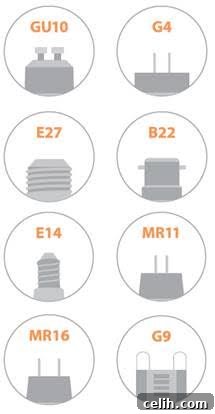
The first and most critical step is ensuring the LED bulb physically fits into your existing fixture. Light bulbs come with various base types, each designed for specific sockets. Common types include:
- Edison Screw (E27, E14): The most common screw-in bases, with E27 being standard and E14 being smaller (often called ‘small Edison screw’).
- Bayonet Cap (B22, B15): A twist-and-lock mechanism, with B22 being standard and B15 smaller (‘small bayonet cap’).
- GU10: A two-pin push and twist fitting, commonly used for spotlights in recessed ceiling fixtures.
- MR16 / GU5.3: Two-pin fittings, often used for low-voltage spotlights.
Always check the base type of your current bulbs or the fixture itself before purchasing new LEDs. To assist you in this crucial selection, many manufacturers and retailers provide handy guides. For instance, here’s a visual aid to help you identify common light bulb bases:
Decoding Brightness: Lumens, Not Watts
Forget comparing watts when buying LEDs; instead, focus on Lumens (lm). Lumens measure the actual brightness of the light produced. While you might be used to thinking a 60-watt bulb is bright, a modern LED can achieve that same brightness with far fewer watts. Look for the Lumen rating on the packaging:
- Dull/Accent Lighting: 100-300 lumens
- Standard Room Lighting (equivalent to 40W incandescent): 400-500 lumens
- Bright Room Lighting (equivalent to 60W incandescent): 700-800 lumens
- Task/Very Bright Lighting (equivalent to 75-100W incandescent): 1000-1600+ lumens
This allows you to select the perfect level of illumination for any space, from a softly lit bedroom to a brightly functional kitchen.
Understanding Color Temperature: Creating the Right Mood
LEDs offer a spectrum of “white” light, measured in Kelvin (K), allowing you to precisely control the mood and functionality of a room. This is known as color temperature:
- Warm White (2700K – 3000K): Emits a soft, yellowish glow, similar to traditional incandescent bulbs. Ideal for creating cozy, inviting atmospheres in living rooms, bedrooms, and dining areas.
- Cool White (3500K – 4500K): Produces a more neutral, crisper white light. Excellent for kitchens, bathrooms, home offices, and workspaces where clarity and focus are desired.
- Daylight White (5000K – 6500K): Mimics natural daylight with a bright, bluish-white light. Perfect for task lighting, garages, workshops, and areas where high visibility is crucial.
Choosing the right color temperature can dramatically impact the feel and functionality of your space, enhancing comfort and productivity.
Beam Angle: Directing the Light
The beam angle determines how widely the light spreads from the bulb. Different beam angles serve different purposes:
- Narrow Beam (e.g., 20-40 degrees): Ideal for accent lighting, highlighting specific features like artwork, architectural details, or task lighting over a desk. Often found in GU10 or MR16 spotlight bulbs.
- Wide Beam (e.g., 90-360 degrees): Provides broad, general illumination, suitable for ambient lighting in most rooms. Common in standard-shaped bulbs that distribute light evenly across a space.
Consider the purpose of the light in each area of your home to select the most appropriate beam angle.
Dimmability and Smart Features
Many LED bulbs are now dimmable, allowing you to adjust light intensity to suit different activities or moods. If you plan to use dimmers, ensure you purchase “dimmable” LED bulbs and check for compatibility with your existing dimmer switches (some older dimmers may not work well with LEDs). Furthermore, the advent of smart LED bulbs has revolutionized home lighting. These bulbs can be controlled via smartphone apps, voice commands (through smart assistants like Alexa or Google Home), and often offer features like color-changing capabilities, scheduling, and integration into broader smart home ecosystems.
Beyond the Bulb: LED Decorative Home and Garden Accessories
The innovation of LED technology extends far beyond standard light bulbs, transforming the world of home and garden decor. Manufacturers are harnessing the efficiency and versatility of LEDs to create stunning and practical decorative items that enhance ambiance both indoors and out. These products offer unique ways to add personality, warmth, and a touch of modern sophistication to any setting.
Enchanting Indoor LED Creations
Decorative LED lighting can truly elevate the mood of your interior spaces. Imagine delicate LED lights intertwined along realistic branches, displayed elegantly in a vase. These ‘branch lights’ offer a soft, magical glow perfect for creating a cozy evening atmosphere, adding a whimsical touch to seasonal decor, or simply serving as a unique year-round accent piece.
These types of decorative elements, often battery-powered, offer immense flexibility in placement, freeing you from the constraints of electrical sockets and allowing you to adorn any corner of your home with a gentle luminescence. The warm white lighting option, in particular, is adept at cultivating a serene and inviting atmosphere, making any room feel instantly more welcoming.
Safe and Realistic LED Candles
Another popular and ingenious application of LED technology is the real wax LED candle. These remarkable creations perfectly mimic the flickering flame and warm glow of traditional candles, but without any of the inherent risks. Powered by batteries and often controllable via a remote, they eliminate concerns about open flames, melting wax, or soot. This makes them an absolutely ideal choice for households with young children or inquisitive pets, allowing you to enjoy the captivating beauty of candlelight in a completely safe environment.
Many designs even feature realistic melted edges, further enhancing their authentic appearance, making them virtually indistinguishable from their flame-burning counterparts. Not only do they offer peace of mind, but they are also incredibly cost-effective in the long run, as you won’t need to constantly replace candles. With sets often available at very affordable prices, such as for a set of three, they offer incredible value for money while significantly boosting your home’s aesthetic appeal.
Outdoor LED Lighting Solutions
The versatility of LEDs also shines brightly in outdoor settings. From elegant solar-powered pathway lights that guide your steps at night to vibrant LED string lights that create a festive atmosphere for garden parties, the options are limitless. LED floodlights offer powerful security illumination, while subtle accent lights can highlight landscaping features, trees, or architectural elements of your home. Their durability and energy efficiency make them perfectly suited for enduring the elements and providing reliable outdoor lighting without a hefty electricity bill.
LED Strip Lighting: A Modern Touch
For those seeking a contemporary and customizable lighting solution, LED strip lighting is a fantastic choice. These flexible strips, often adhesive-backed, can be easily installed under cabinets, along staircases, behind TVs, or within coves to provide subtle accent lighting. Many come with RGB capabilities, allowing you to change the color of the light to perfectly match your mood or decor, all controlled via remote or smart device.
The Smart Home Revolution: Integrating LEDs
The integration of LED lighting into smart home ecosystems represents a significant leap forward in home automation and convenience. Smart LEDs can be connected to your home’s Wi-Fi network and controlled through dedicated apps, smart speakers (like Amazon Echo or Google Home), or universal smart home hubs. This connectivity unlocks a world of possibilities:
- Remote Control: Turn lights on or off, dim them, or change colors from anywhere in the world using your smartphone.
- Voice Control: Simply tell your smart assistant to adjust the lighting without lifting a finger.
- Scheduling and Automation: Program lights to turn on at sunset, off at bedtime, or simulate occupancy when you’re away.
- Scene Creation: Save specific lighting configurations (e.g., “Movie Night” with dimmed, warm lights) and activate them with a single command.
- Energy Monitoring: Some smart lighting systems allow you to track energy consumption, further enhancing your ability to manage costs.
This level of control not only adds convenience but also enhances energy management, security, and the overall ambiance of your living space.
Making the Switch to LED: An Easy Home Upgrade
Transitioning to LED lighting is one of the simplest and most impactful home upgrades you can make. Installation is generally straightforward, often involving nothing more than screwing in a new bulb or plugging in a decorative fixture. The long lifespan of LEDs means minimal maintenance, freeing up your time and reducing the frequency of those inconvenient bulb changes. It’s a change that offers immediate and long-term returns.
Conclusion: Brightening Your Future with LEDs
The decision to embrace LED lighting is a powerful one, offering a harmonious blend of significant financial savings, reduced environmental impact, superior light quality, and boundless decorative possibilities. From drastically cutting your electricity bills and enjoying bulbs that last for years to integrating smart features that put complete control at your fingertips, the benefits of LEDs are undeniable.
Whether you’re looking to brighten a room, create a specific mood, enhance security, or simply contribute to a more sustainable lifestyle, LED technology provides the ultimate solution. Make the switch today and transform your home into an energy-efficient, beautifully illuminated, and smart living space that reflects both your personal style and your commitment to a brighter future.
Disclosure: This post is in association with LED Hut