
Transforming your living space doesn’t always require a major overhaul. Sometimes, a single, well-chosen item can make all the difference, injecting personality, warmth, and style into a room. Among the most impactful choices for home decor is the humble yet mighty rug. More than just a floor covering, a rug is a foundational element that can define spaces, anchor furniture, dampen sound, and most importantly, add a luxurious layer of comfort and visual appeal to any interior.
Imagine stepping onto a plush, soft surface on a chilly morning, or gazing at a vibrant pattern that brings your entire room to life. This is the magic of a thoughtfully selected rug. From adding a much-needed splash of color to providing extra warmth underfoot during the colder months, rugs are essential for creating inviting and harmonious environments. They serve as an artistic expression, a functional asset, and a tactile pleasure, all rolled into one beautiful package. This comprehensive guide will explore the profound impact of rugs on interior design, offer tips on selecting the perfect one, and highlight popular styles that can elevate your home.
The Undeniable Power of Rugs in Interior Design
Rugs are far more than mere decorative items; they are strategic design tools that profoundly influence the aesthetics and functionality of a space. Their ability to transform a room is remarkable, offering numerous benefits that extend beyond their immediate visual appeal.
Aesthetic Appeal and Visual Anchor
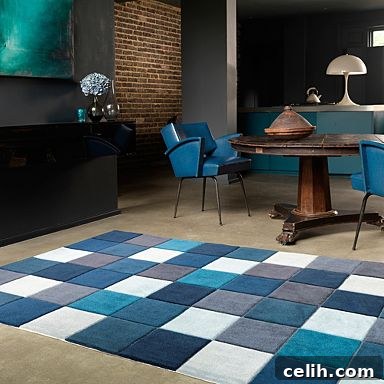
A rug acts as an instant focal point, drawing the eye and grounding the furniture arrangement within a room. It can instantly add character and flair, whether through a bold pattern, a rich texture, or a striking color palette. For instance, a contemporary design like a pixelated pattern, as shown in the accompanying image, can introduce a modern, artistic dimension to an otherwise understated room. Rugs help to unify disparate elements, tying together different pieces of furniture and decor to create a cohesive and polished look. Without a rug, a room can often feel disjointed and unfinished, lacking a central point around which other design elements can orbit.
Introducing Color, Pattern, and Texture
One of the most potent ways rugs enhance a space is by introducing new layers of color, pattern, and texture. If your room features neutral walls and furniture, a vibrant rug can infuse it with energy and warmth. Conversely, a subtly patterned rug in complementary tones can add depth without overwhelming the senses. The choice of material also contributes significantly to texture; a wool rug offers a cozy, natural feel, while a synthetic blend might provide a sleek, uniform surface. The interplay of these elements helps to create a multi-dimensional and engaging interior. Consider a rug with shades of blue and grey, for example. This combination can evoke a sense of calm and sophistication, perfectly blending modernity with timeless elegance.
Defining and Delineating Spaces
In open-plan living areas, rugs are indispensable for visually separating different functional zones without the need for physical walls. A large rug in the living area can clearly distinguish it from an adjacent dining space or entryway. This helps to create intimacy and structure within a larger, more expansive room, making each area feel purposeful and contained. By strategically placing rugs, you can guide the flow of traffic and create distinct “rooms within a room,” enhancing both the organization and perceived spaciousness of your home.
Enhanced Comfort and Warmth Underfoot
Beyond their visual contributions, rugs offer significant practical benefits. They provide a soft, comfortable surface underfoot, making any room feel more inviting and luxurious. This is especially true during colder months, as rugs act as an insulating layer, trapping warmth and preventing heat loss through the floor. For homes with hard flooring like wood, tile, or laminate, a rug can drastically improve comfort levels, making it more pleasant to walk, sit, or even play on the floor. The added cushioning also helps to reduce fatigue from standing.
Sound Absorption and Acoustics
Hard surfaces tend to bounce sound around, leading to echoes and a noisy environment. Rugs are excellent sound absorbers, effectively dampening ambient noise and improving a room’s acoustics. This is particularly beneficial in apartments, homes with high ceilings, or rooms where multiple activities occur simultaneously. By absorbing sound, rugs contribute to a quieter, more peaceful atmosphere, making conversations clearer and reducing overall auditory clutter.
Floor Protection and Longevity
Rugs also serve a practical role in protecting your flooring from scratches, dents, and general wear and tear, particularly in high-traffic areas. They act as a barrier against spills, dirt, and heavy furniture, extending the life of your underlying floors. Investing in a quality rug can be a cost-effective way to preserve the beauty and integrity of your hardwood, tile, or laminate floors for years to come.
Choosing the Perfect Rug: A Comprehensive Guide
With countless options available, selecting the right rug can seem daunting. However, by considering a few key factors, you can narrow down your choices and find a rug that perfectly complements your home and lifestyle.
1. Size Matters: Get It Right
The most common mistake people make when buying a rug is choosing one that is too small. A rug should comfortably accommodate your furniture, ideally allowing at least the front legs of major furniture pieces to rest on it. In living rooms, ensure the rug extends beyond the sofa and chairs. For dining rooms, it should be large enough so that chairs remain on the rug even when pulled out from the table. In bedrooms, a large rug can sit under the bed and extend out on either side, or two smaller runners can flank the bed. Proper sizing creates a balanced and cohesive look, preventing your furniture from looking like it’s floating in space.
2. Material Magic: Durability and Feel
The material of your rug dictates its durability, feel, and maintenance requirements:
- Wool: Highly durable, naturally stain-resistant, soft, and excellent for insulation. It’s a classic choice for its longevity and luxurious feel.
- Cotton: More affordable, often washable, and comes in a variety of weaves. Ideal for casual spaces or areas requiring frequent cleaning.
- Synthetics (Polyester, Polypropylene, Nylon): Budget-friendly, extremely durable, stain-resistant, and fade-resistant. Great for high-traffic areas and homes with pets or children. Modern synthetic rugs can mimic the look and feel of natural fibers.
- Jute/Sisal: Natural, eco-friendly fibers that offer a rustic, textured look. Durable for high-traffic areas but can be rougher underfoot.
- Silk/Viscose: Luxurious and soft, with a beautiful sheen. Best for low-traffic areas due to delicate nature and higher cost.
3. Pile Height: Comfort vs. Maintenance
The pile refers to the density and length of the fibers. Low-pile rugs are typically easier to clean, more durable, and suitable for high-traffic areas or under dining tables. High-pile or shag rugs offer maximum softness and warmth, creating a cozy atmosphere, but require more diligent vacuuming and are best for low-traffic zones like bedrooms or living rooms where comfort is paramount.
4. Color and Pattern Selection: Setting the Mood
The color and pattern of your rug are crucial for establishing the room’s mood. Consider your existing decor:
- Complementary Colors: Choose a rug with colors that are already present in your room for a harmonious look.
- Contrasting Colors: Introduce a bold, contrasting color to create visual interest and a focal point.
- Neutrals: Beige, grey, and cream rugs are versatile and provide a calming foundation, allowing other elements to shine.
- Geometric Patterns: Like the pixel design shown, geometric rugs add a modern, dynamic touch and can make a room feel more sophisticated and structured. Blue and grey geometric patterns are particularly popular for their ability to blend contemporary aesthetics with serene color palettes.
- Abstract/Organic Patterns: Offer a fluid, artistic feel, perfect for eclectic or minimalist spaces seeking a soft edge.
Ensure the rug’s pattern and scale are appropriate for the room size. A large, intricate pattern might overwhelm a small space, while a subtle pattern could get lost in a vast room.
5. Style and Theme: Unifying Your Decor
Align the rug’s style with your overall home aesthetic. For a modern interior, opt for abstract, geometric, or minimalist designs. Traditional homes might benefit from Persian, Oriental, or classic floral patterns. Bohemian styles often incorporate layered rugs, natural textures, and global-inspired prints. The key is to ensure the rug feels like an integrated part of your decor, not an afterthought.
Exploring Modern and Hand-Tufted Rug Designs
Contemporary interior design often gravitates towards clean lines, sophisticated color palettes, and unique patterns. Hand-tufted rugs, renowned for their craftsmanship and quality, are a popular choice in this segment. They offer a luxurious feel and exceptional durability, making them a worthwhile investment for any home. A hand-tufted rug, such as one featuring a distinct pixel style design in versatile shades like blue and grey, exemplifies this blend of artistry and resilience. This specific type of rug construction allows for intricate patterns and a rich, dense pile, contributing to both its visual appeal and its comforting texture underfoot. The pixel design, in particular, resonates with a contemporary aesthetic, bringing a digital-age inspired artistry to traditional floor coverings.
The beauty of such a design lies in its versatility. While blue and grey tones offer a tranquil and sophisticated foundation, many modern designs are available in a spectrum of other colors. This ensures that you can find a pixelated or geometric rug that perfectly complements your existing color scheme, whether you’re aiming for bold contrast or subtle harmony. These rugs are not just floor coverings; they are pieces of art that anchor a room, inviting conversation and admiration.
Caring for Your Investment: Rug Maintenance Tips
To ensure your rug retains its beauty and longevity, proper care is essential. Regular maintenance will protect your investment and keep your rug looking fresh and vibrant for years.
- Regular Vacuuming: Vacuum your rug frequently, especially in high-traffic areas, to remove dirt and debris before it settles deep into the fibers. For fringed rugs, use a low suction setting or a hand-held attachment.
- Rotate Your Rug: Periodically rotate your rug to ensure even wear and exposure to sunlight. This prevents one area from fading or wearing out faster than others.
- Spot Cleaning: Address spills immediately. Blot, don’t rub, with a clean cloth. Use a mild rug cleaner or a mixture of water and a small amount of dish soap. Always test any cleaning solution on an inconspicuous area first.
- Professional Cleaning: Depending on the material and traffic, consider professional rug cleaning every 1-3 years. Experts have the knowledge and equipment to deep clean your rug without damaging its fibers or colors.
- Use a Rug Pad: A quality rug pad beneath your rug provides extra cushioning, prevents slipping, and extends the life of both your rug and your floor.
Where to Find Your Perfect Rug
Finding the ideal rug means exploring various avenues. Department stores, specialty rug shops, and online retailers all offer extensive collections. Online shopping provides convenience and a vast selection, often with detailed descriptions and customer reviews. However, visiting a physical store allows you to see the colors and textures firsthand, which can be crucial for making the right decision. Always consider the return policy when purchasing online, especially for larger items like rugs.
Conclusion: The Enduring Charm of a Well-Chosen Rug
A rug is more than just a piece of decor; it’s an integral component of a well-designed home. It offers unparalleled opportunities to introduce color, pattern, texture, and warmth, while also providing practical benefits like sound absorption and floor protection. By carefully considering size, material, pile, color, and style, you can select a rug that not only enhances the beauty of your space but also reflects your personal taste and elevates your everyday living experience.
Embrace the transformative power of a well-chosen rug. Whether you opt for a bold, modern pixel design in serene blues and greys, or a classic pattern in warm, earthy tones, the right rug will tie your room together, creating an atmosphere that is both aesthetically pleasing and profoundly comfortable. Invest in a rug, and invest in the heart and soul of your home.