
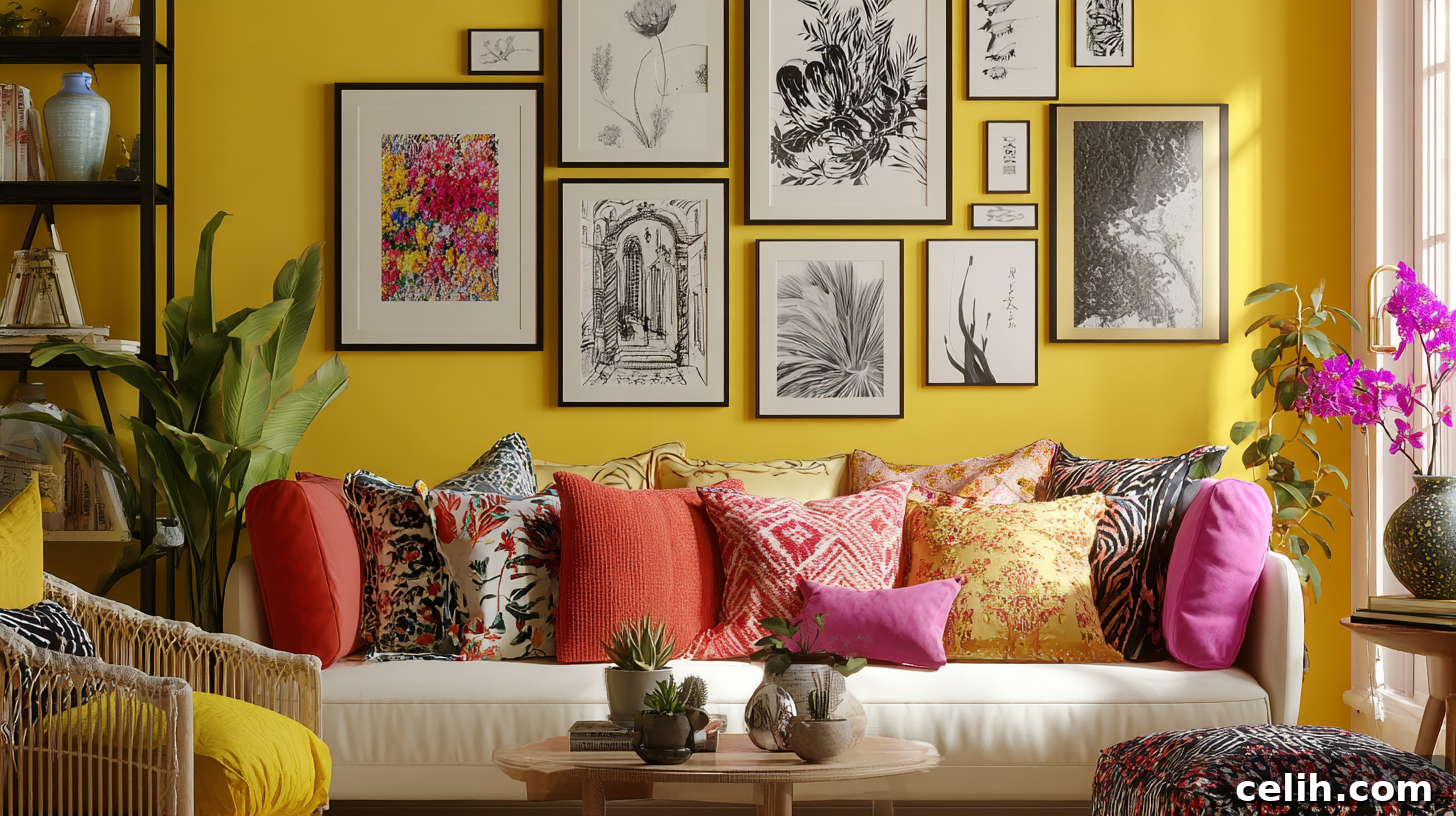
Your home is more than just a place to live; it’s your personal sanctuary, a canvas for your life story, and the backdrop to your most cherished memories. Yet, in an age dominated by picture-perfect social media feeds, fleeting design trends, and endless consumer choices, it’s easy to feel the pressure to create a space that looks like it belongs in a magazine rather than reflecting the unique individual or family who calls it home. The pursuit of perfection often leads to bland, impersonal spaces that lack soul and connection.
If your living environment currently feels less like a warm embrace and more like a generic hotel room – or perhaps just a bit “off” – don’t despair. Cultivating a deeply personal and meaningful home doesn’t require a hefty budget or a complete overhaul. Often, it’s the thoughtful, intentional touches and the embracing of what truly resonates with you that transform a house into a haven. It’s about creating a space where you can genuinely relax, recharge, and be yourself, surrounded by the things you love.
This guide will show you how to infuse your home with your unique personality, making it feel authentically “you.” We’ll explore practical, beautiful, and heartfelt ways to craft an environment that not only looks good but also feels inherently right.
1. Start With Stories, Not Styles
The allure of trending aesthetics – be it minimalist Scandi chic, vibrant bohemian, or industrial loft – is powerful. It’s natural to scour Pinterest or Instagram for inspiration, pinning countless images of dream spaces. However, blindly chasing a trend or attempting to replicate a picture-perfect room often results in a home that feels disconnected from your actual life and personality. It might look good, but does it feel good?
Instead of starting with a style catalogue, begin with introspection. Close your eyes and recall places that have evoked strong positive emotions in you. Was it the rustic charm of a Tuscan villa, the calming effect of a beachfront cottage, your grandmother’s cozy, book-filled study, or the vibrant energy of a bustling market during a memorable trip? Think about the specific sensory details: the scent of pine needles, the feel of worn leather, the sound of rain, the colours of a sunset you once admired.
These memories and feelings are your most potent design inspiration. For instance, a childhood spent by the ocean might translate into a palette of blues and greens, natural textures like jute and driftwood, and art featuring seascapes. The warmth of a beloved relative’s home could inspire layered textiles, antique furniture, and a comforting, lived-in feel. When you design from a place of personal history and emotion, your home ceases to be a mere collection of furniture and becomes a living autobiography, brimming with character and meaning.
2. Display What You Love (Not Just What Matches)
One of the most straightforward yet impactful ways to inject personality into your home is by surrounding yourself with visuals that genuinely resonate. This is where the power of personal photographs and cherished art comes into play, creating visual anchors of happiness and memory.
While mass-produced art prints can fill a wall, they rarely fill a heart. Instead, consider elevating your most meaningful photographs and artwork using high-quality formats like canvas prints. Canvas prints offer a sophisticated, gallery-like feel that instantly transforms personal snaps into statement pieces. Unlike paper prints that often require expensive framing and can look flat, canvas provides a tactile texture and depth that adds warmth and artistic integrity to your images. They are durable, lightweight, and versatile, making them ideal for any room in the house.
Imagine:
- A stunning landscape from your honeymoon, enlarged and hung proudly above your bed, transporting you back to that moment of bliss every morning.
- A series of candid family portraits, capturing genuine laughter and connection, arranged in a dynamic gallery wall in the living room.
- A black-and-white cityscape of the place you first met your partner, serving as a subtle, romantic reminder in your hallway.
- A vibrant close-up of your beloved pet, bringing a smile to your face whenever you walk past.
- A collage of travel photos, documenting adventures and opening a window to the wider world within your home office.
Canvas prints effortlessly blend into various decor styles, whether you’re aiming for a modern minimalist look with a single oversized print or a maximalist, eclectic vibe with a curated mix of sizes and subjects. They serve as constant, beautiful reminders of your unique journey, accomplishments, and relationships.
Tip: When selecting photos, prioritize those that evoke a strong emotion or tell a story over those that merely look “perfect” or professionally posed. The blur of motion in a child’s playtime, the genuine grin of a friend, or the imperfect beauty of an everyday scene can hold far more emotional power and personality than a meticulously staged shot. These authentic moments are the ones that truly make your house feel like home.
3. Add Layers of Meaning With What You Already Own
Personalizing your home doesn’t have to involve a shopping spree. In fact, some of the most meaningful and character-rich elements are often those you already possess, perhaps tucked away in a dusty attic or forgotten in a drawer. These items carry stories, memories, and a history that new purchases simply cannot replicate. Unearthing and thoughtfully displaying them is a sustainable and deeply personal approach to decor.
Consider the items that have been passed down through generations, collected during travels, or crafted by loved ones. Instead of relegating them to storage, find creative ways to integrate them into your daily living space. For example:
- That handmade quilt from your grandmother isn’t just a blanket; it’s a testament to her love and skill. Drape it over a sofa or a reading chair, making it both a comforting presence and a visual focal point.
- A chipped teacup from your childhood, too precious to discard but perhaps no longer suitable for drinking, can find new life holding earrings on your dresser, paperclips on your desk, or even a small succulent.
- Your child’s vibrant finger painting, once destined for the fridge, can be professionally framed and hung alongside more formal art, celebrating their creativity and adding an unexpected pop of joy.
- A collection of vintage books or postcards from a memorable trip can be artfully arranged on a bookshelf or coffee table, sparking conversation and recalling cherished moments.
- An antique wooden chest or a refurbished piece of furniture from a flea market can serve a functional purpose while adding a layer of history and unique charm that factory-made items often lack.
By giving these items a place of prominence, you’re not just decorating; you’re curating a living museum of your life. This approach encourages a home that feels authentic and deeply connected to your past, present, and future, proving that true perfection lies not in flawless matching, but in meaningful connections.
4. Play With Texture and Scent, Not Just Colour
While colour often dominates design conversations, a truly personal and inviting home engages all the senses. How a room feels and smells is just as crucial as how it looks. Incorporating diverse textures and evocative scents can transform a sterile space into a rich, welcoming sanctuary, adding layers of comfort and personality without relying solely on visual elements.
Texture is key to creating depth and warmth. Think about the tactile experience of your home: a chunky knit throw inviting you to snuggle, the smooth coolness of a ceramic vase, the rough grain of natural wood, the plush softness of a velvet cushion, or the comforting resilience of a wool rug underfoot. Layering these different textures – a linen duvet cover with a faux fur throw, a polished marble coaster on a distressed wooden table – adds visual interest and a sense of luxury without necessarily requiring expensive pieces. Natural materials like rattan, bamboo, stone, and cotton can ground a space, bringing the outdoors in and fostering a sense of calm. These elements encourage touch and create an environment that feels lived-in and comfortable.
Equally powerful is the sense of smell. Scent is intimately linked to memory and emotion, capable of instantly altering a mood or transporting you to a different place or time. Rather than relying on overpowering artificial fragrances, consider subtle and natural ways to infuse your home with scents that resonate with you. A diffuser with essential oils can create a serene atmosphere (lavender or chamomile), an invigorating one (citrus or peppermint), or a grounding presence (sandalwood or cedarwood). High-quality scented candles that evoke nostalgia (like fresh linen, baked goods, or a specific floral aroma) can add warmth and coziness. A bowl of dried potpourri, fresh flowers, or even an aromatic herb garden on your kitchen windowsill contributes natural, evolving scents. These olfactory details often go unnoticed consciously but profoundly impact the overall feel and your personal connection to your space.
5. Let Go of the Idea That It All Has to Match
The notion that every piece of furniture must belong to a “set” or that all decor should rigidly adhere to a single colour palette or design style is a myth perpetuated by showrooms and catalog imagery. Real homes, those that truly feel unique and lived-in, are almost always a beautiful tapestry of varied influences, eras, and personal treasures. Embracing an eclectic approach allows your personality to shine through, creating a home that tells your story rather than following a prescriptive rulebook.
An eclectic style doesn’t mean chaotic; it means curated. It’s about finding harmony in diversity. You can confidently pair a sleek, modern sofa with a ornate vintage coffee table, blend high-street finds with precious family heirlooms, or introduce a vibrant, patterned rug that, at first glance, might seem to clash but ultimately adds a dynamic energy to the room. The magic lies in creating connections between disparate elements. This can be achieved through a subtle repetition of a colour in different objects, a consistent underlying texture, or by ensuring a balanced visual weight across the room.
Think of your home as a collection of discoveries and cherished possessions rather than a perfectly coordinated display. That antique lamp you found at a flea market, the abstract painting you picked up on holiday, or the artisanal pottery from a local craft fair – these are the pieces that give your home its distinctive character. When you free yourself from the pressure of “matching,” you open up a world of possibilities for authentic self-expression. If an item speaks to you, if it brings you joy, or if it holds a special memory, then it absolutely belongs in your home, regardless of whether it “fits” a predefined style. This confident blend creates a space that feels gathered over time, rich with personal narratives, and undeniably unique.
6. Create Corners Just for You
While designing for the entire household is important, truly personalizing your home also means carving out dedicated spaces that cater specifically to your individual needs, hobbies, and moments of solitude or creativity. These “corners just for you” serve as micro-sanctuaries within your larger home, offering a psychological and physical space for self-care, focus, or pure enjoyment.
Consider what activities bring you the most peace or joy, and then design a small zone around them. This could be a serene reading nook, complete with your most comfortable armchair, a soft throw, a strategically placed floor lamp for optimal lighting, and a small side table for your current book and a warm beverage. For someone with a creative streak, it might be a dedicated crafting station or an art corner, where supplies are organized and readily accessible, fostering spontaneous bursts of inspiration. Perhaps you dream of a meditation corner with a comfortable cushion, dim lighting, and a few calming objects, or a dedicated coffee or tea ritual station, making your morning routine feel like a sacred moment.
Even in smaller homes or open-plan layouts, these personal zones can be defined. A carefully placed rug, a tall bookshelf, a room divider, or even just the strategic arrangement of furniture can create a sense of enclosure and intimacy. Stock these corners with items that genuinely make you happy: your favorite journal and pen, a collection of tarot cards, a specific type of plant, or skincare products that transform your daily routine into a luxurious ritual. These intentional, self-focused spaces elevate your home from a shared living area to a deeply personal reflection of your inner world, one thoughtful corner at a time.
7. Remember That It’s Allowed to Evolve
Perhaps the most liberating realization in home design is that your home is not a static project to be “finished.” It’s a living entity, a dynamic space that should evolve right alongside you. The idea of a perfectly “done” home is a myth that often leads to stress, decision paralysis, and a fear of making changes. Embrace the beautiful truth: your home is allowed to change, adapt, and grow with you through every stage of life.
As you grow, your tastes will inevitably shift, your needs will change, and new experiences will inspire fresh perspectives. What felt right in your twenties might not resonate in your forties, and the decor suitable for a single person might need to adapt for a growing family. This continuous evolution is not a sign of incompleteness, but rather a testament to a well-lived life. Give yourself permission to experiment; if you try a paint colour and it doesn’t quite work, you can repaint. If a gallery wall feels cluttered, you can rearrange it. If a piece of furniture no longer serves its purpose, you can repurpose it, donate it, or replace it.
The beauty of creating a truly personal home lies in the ongoing process, the delightful journey of discovery and refinement. This iterative approach encourages mindfulness, allowing you to pay attention to what genuinely works for you and your family in the present moment. It’s about finding joy in the small tweaks, the seasonal rotations, and the occasional major update. By letting go of the pressure to achieve a permanent state of perfection, you open yourself up to a much more enjoyable and authentic experience of homemaking, where your space truly becomes a reflection of who you are, right now, and who you are becoming.
Final Thoughts: Embrace Your Unique Story
Ultimately, there is no universal blueprint for the perfect home. It doesn’t need to be meticulously styled according to the latest trends, exorbitantly expensive, or immaculately staged for a magazine spread. What it truly needs is to resonate with you, to feel like an extension of your unique personality, experiences, and aspirations. Your home should be your most comfortable outfit, your favourite song, and your most treasured memory, all rolled into one tangible space.
So, lean into the memories that make your heart swell, celebrate the quirks that make you smile, appreciate the textures that invite you to relax, and surround yourself with the objects that bring you genuine joy. Hang that hilarious canvas print of your dog’s most ridiculous pose, repurpose your nan’s vintage sugar bowl as a quirky plant pot, and pile on those wonderfully mismatched cushions that tell a story of your travels and discoveries. Don’t be afraid to mix, match, and truly make it your own.
Because when your home courageously tells your authentic story, celebrating every facet of who you are and what you love, that’s when it ceases to be just a house and truly begins to shine as your extraordinary home.