
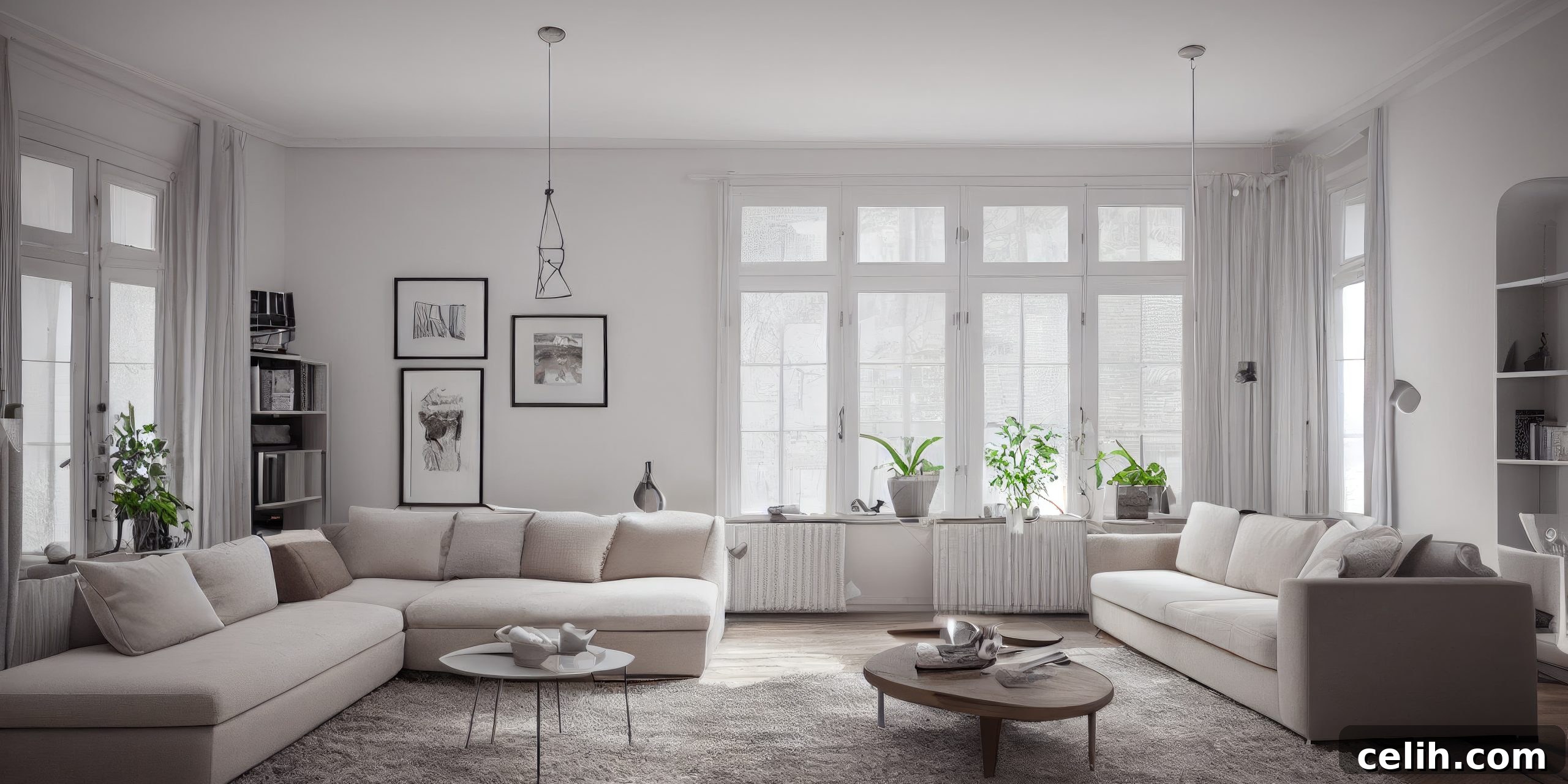
Choosing the perfect home design is a transformative decision that deeply reflects your individual style, personality, and desired lifestyle. It’s more than just aesthetics; it’s about crafting an environment that supports your well-being, enhances your daily routines, and provides a sanctuary tailored to your needs. This comprehensive guide explores three widely celebrated home design plans – Modern, Rustic, and Minimalist – each offering distinct advantages that can significantly complement your lifestyle and elevate your living experience. Join us as we delve into the unique characteristics and benefits of these popular architectural styles, helping you envision the ideal backdrop for your life.
Why Thoughtful Home Design Selection is Crucial for Your Future
The process of selecting a home design plan extends far beyond picking a layout or a color palette. It’s an investment in your future comfort, financial stability, and overall quality of life. A well-chosen design acts as a foundation, shaping everything from your daily habits to the long-term value of your property. Here are compelling reasons why careful consideration is paramount when embarking on your home design journey:
-
Profound Impact on Lifestyle and Daily Living
Your home is the epicenter of your life, influencing your mood, productivity, and interactions. A thoughtfully designed home actively supports your lifestyle, rather than hindering it. Consider a family with young children: an open-plan living area might foster better supervision and family interaction, while dedicated play zones could keep clutter contained. For a remote worker, a quiet, dedicated home office space with ample natural light can significantly boost concentration and reduce stress. An intuitive flow between rooms, efficient storage solutions, and spaces designed for specific activities—whether it’s cooking, entertaining, relaxing, or working—can dramatically improve your daily routine. The right design creates an environment where every element serves a purpose, making your home feel effortlessly accommodating and genuinely comfortable. It streamlines household tasks, provides zones for relaxation, and encourages healthy habits, ultimately promoting a more harmonious and fulfilling lifestyle.
-
Enhancing Long-Term Property Value and Appeal
Beyond personal satisfaction, your design choices are a critical factor in your home’s long-term market value and resale potential. A design that is congruent with your climate, local architectural trends, and neighborhood aesthetics will inherently possess greater appeal to future buyers. For instance, a home in a sunny, coastal region might benefit from large windows, outdoor living spaces, and durable, weather-resistant materials, reflecting both local preferences and practical needs. Conversely, a property in a colder climate might prioritize insulation, robust heating systems, and features like mudrooms. Timeless designs, energy-efficient features, and high-quality, durable materials also contribute significantly to a home’s perceived value and its ability to withstand market fluctuations. A carefully planned home stands out, attracting a wider pool of potential buyers and commanding a stronger price when the time comes to sell.
-
Achieving Optimal Cost-Effectiveness and Sustainability
While initial construction costs are often a primary concern, choosing the right home design can lead to substantial financial savings over the lifespan of your home. This includes considering future repair, maintenance, and operational expenses. A design that maximizes natural light and ventilation can reduce reliance on artificial lighting and air conditioning, leading to lower energy bills. Optimal insulation, strategically placed windows, and energy-efficient appliances are integral components of a cost-effective design. Furthermore, selecting durable, low-maintenance materials can significantly cut down on repair and replacement costs. Sustainable design principles, such as passive solar heating and cooling, rainwater harvesting, or green roofing systems, not only lessen your environmental footprint but also contribute to long-term savings by reducing utility consumption and increasing a home’s resilience. Investing wisely in design means creating a home that is both beautiful and economical to own and maintain.
-
Personal Expression and Well-Being
Ultimately, your home should be a reflection of who you are and a source of personal joy and comfort. The design you choose directly impacts your psychological well-being. A space that resonates with your personal aesthetic and functional needs can reduce stress, promote relaxation, and foster a sense of belonging. Whether it’s the calming order of a minimalist abode, the grounding embrace of a rustic retreat, or the sleek sophistication of a modern dwelling, your home’s design contributes to your mental and emotional health. It’s a canvas for your memories, a backdrop for your dreams, and a place where you can truly be yourself.
Exploring Leading Home Design Plans: Modern, Rustic, and Minimalist
The vast world of home design offers an inspiring array of styles, each with its own unique charm and functional benefits. Among the most sought-after today are Modern, Rustic, and Minimalist designs. These styles, while distinct, share a common goal: to create living spaces that are both beautiful and profoundly comfortable. Understanding their core principles and characteristics will empower you to identify which aesthetic best aligns with your vision for the perfect home.
Modern Home Design: Sleek Lines and Open Spaces
Modern home design, a style that emerged in the early to mid-20th century, is fundamentally characterized by its emphasis on simplicity, functionality, and clean, unadorned lines. It celebrates open-concept living, where walls are often minimized to create expansive, flowing spaces that enhance connectivity and natural light. Large, often floor-to-ceiling, windows are a hallmark, not merely for aesthetic appeal but to maximize the influx of natural light and blur the boundaries between the indoor and outdoor environments, fostering a sense of harmony and expansiveness. This deliberate connection to the outdoors is a cornerstone of modern design, promoting a healthier, more integrated living experience.
The aesthetic of modern homes is typically devoid of excessive ornamentation, instead relying on the inherent beauty of materials and the elegance of structural forms. Materials often include steel, glass, concrete, and polished wood, utilized in their raw or refined states to contribute to the clean, streamlined look. The color palette tends towards neutral tones – whites, grays, blacks, and earthy browns – which serve as a serene backdrop, allowing architectural features, natural light, and carefully chosen furniture to take center stage. Furniture in modern homes is typically sleek, minimalist, and highly functional, often featuring geometric shapes and smooth surfaces.
Beyond aesthetics, modern home designs frequently incorporate cutting-edge technology to create efficient and seamless living environments. Smart home systems, from automated lighting and climate control to integrated security and entertainment, are common features. These technologies enhance convenience, energy efficiency, and security, aligning perfectly with the modern design ethos of advanced functionality. The overall atmosphere in a modern home is one of peace and calmness, achieved through meticulous organization, minimal clutter, and a design philosophy that prioritizes form following function. It’s a style that appeals to those who appreciate sophisticated simplicity and a highly organized, tech-savvy lifestyle.
A classic example of modern home design is the loft-style apartment, often found in converted industrial buildings, featuring soaring ceilings, expansive open floor plans, and enormous windows that flood the space with light. Exposed structural elements like brick walls or steel beams add a touch of urban chic, while functional and elegant furniture pieces enhance the minimalist aesthetic. These homes champion a clear, unobstructed visual flow, making spaces feel larger and more interconnected.
Modern home designs are particularly prevalent in various urban and coastal regions across the United States, where the mild climate and contemporary lifestyle converge to create ideal conditions for this architectural style:
- California (Los Angeles & Bay Area): With its abundance of natural light and temperate climate, California is a hotbed for modern architecture, including iconic Mid-century Modern homes. These designs frequently emphasize indoor-outdoor living, featuring sliding glass doors that open to patios, pools, and gardens, seamlessly blending living spaces with the scenic surroundings.
- Florida (Palm Beach & Miami): The tropical climate and vibrant, modern lifestyle of South Florida make it a natural fit for contemporary designs. Homes here often incorporate sleek lines, vast outdoor living areas, and robust construction materials designed to withstand coastal conditions, offering luxurious relaxation and entertainment spaces.
- Pacific Northwest (Seattle & Portland): These cities, renowned for their progressive values, embrace modern homes that often integrate sustainable architecture and biophilic design principles. Features like green roofs, passive solar heating, and extensive use of natural, locally sourced materials are common, reflecting a deep respect for the environment and a desire for eco-friendly living.
- Luxury Destinations (Scottsdale, AZ; Aspen, CO; Ocean City, MD): For those seeking modern luxury, regions like Scottsdale boast stunning desert modern homes that harmoniously blend with the stark natural landscape, often featuring infinity pools and panoramic views. Aspen offers luxurious contemporary chalets that combine rustic elements with modern finishes amidst breathtaking mountain scenery. In Ocean City, luxurious condos with modern features provide sophisticated beachside living, emphasizing ocean views and state-of-the-art amenities.
Modern design is ideal for individuals or families who value order, efficiency, cutting-edge technology, and a clean, uncluttered aesthetic. It suits those who appreciate open spaces, abundant natural light, and a harmonious connection with their surroundings.
Rustic Home Designs: Embracing Nature’s Warmth
Rustic home design is a celebration of warmth, comfort, and the raw, unrefined beauty of the natural world. This style draws its inspiration directly from nature, emphasizing organic textures, robust materials, and a sense of enduring charm. It’s about creating a welcoming, grounded environment that feels both sturdy and inviting, offering a retreat from the fast pace of modern life.
The core of rustic design lies in its use of natural and often reclaimed materials. You’ll frequently encounter exposed stone walls, rough-hewn wooden beams, and natural brickwork, all contributing to an authentic, tactile aesthetic. These materials are chosen not just for their appearance but for their durability and ability to evoke a sense of history and craftsmanship. Surfaces are often left unfinished or minimally treated, highlighting their natural imperfections and inherent character.
The color palette in rustic homes is deeply rooted in warm, earthy tones. Shades of deep brown, rich red, forest green, and muted ochre dominate, creating a cozy and enveloping atmosphere. These colors mimic the hues found in forests, mountains, and fields, further strengthening the connection to nature. Natural elements are brought indoors not merely as decorations but as integral parts of the design: think of a substantial stone fireplace as a focal point, or large windows framing picturesque outdoor views, allowing the landscape to become part of the interior décor. Decorative accents often include woven baskets, pottery, antlers, and abundant potted plants or fresh flowers, all contributing to the organic and lived-in feel.
A quintessential example of rustic home design is a sprawling log cabin, complete with a grand stone fireplace that serves as the heart of the home. The interior might feature soaring ceilings with exposed wooden beams, sturdy, comfortable furniture upholstered in natural fabrics like wool or linen, and perhaps a large, antique wooden dining table. Floors are typically wide-plank wood or natural stone. The decor might include handcrafted items, vintage finds, and elements that tell a story, fostering a sense of heritage and authenticity. Woven rugs, soft throws, and warm lighting further enhance the cozy, inviting ambiance.
Rustic home design is a perfect fit for individuals and families who crave comfort, relaxation, and a strong connection to nature. It appeals to those who appreciate craftsmanship, natural materials, and a less formal, more grounded lifestyle. It’s an ideal choice for people who love to entertain, as the inherently cozy environment and welcoming vibe encourage social gatherings and intimate conversations. Whether nestled in a mountain range, overlooking a lake, or even bringing a touch of the countryside to an urban setting, a rustic home offers a serene and deeply comforting sanctuary.
Minimalist Design: The Art of Essential Living
Minimalist home design is an architectural and interior philosophy centered entirely on functionality, simplicity, and the principle of “less is more.” Originating from various influences, including Japanese aesthetics and the Dutch De Stijl movement, its primary goal is to create calm, uncluttered, and highly efficient living environments. Minimalist spaces are designed to reduce visual noise and promote a sense of serenity, allowing the inhabitants to focus on what truly matters.
To achieve its signature clean and pleasing look, minimalist design strategically employs a restricted palette of materials, often favoring wood, metal, concrete, and glass. These materials are chosen for their intrinsic beauty, durability, and ability to contribute to a sleek, refined aesthetic. Texture is often used subtly to add depth without introducing visual clutter. Every element, from a piece of furniture to a decorative object, is chosen with deliberate intent, serving a clear purpose or adding significant aesthetic value.
The color scheme in minimalist home designs is typically neutral and monochromatic, dominated by shades of white, black, and various grays. This palette enhances the perception of space and light, creating a serene and expansive feel. While bold colors are generally avoided, subtle pops of color can be introduced through carefully selected artwork or a single, impactful accessory. This clean color setting perfectly complements the uncluttered philosophy, promoting a tranquil and focused atmosphere. This design approach is highly sought after, for example, in luxury vacation rentals in Scottsdale, where sophisticated simplicity offers a premium guest experience.
Functionality is paramount in minimalist design, leading to clever spatial solutions and multi-purpose furnishings. You’ll often see minimalist homes ingeniously designed as small studio apartments equipped with space-saving features like Murphy beds that fold into the wall, fold-out desks for compact workspaces, and integrated, hidden storage facilities that maintain a seamless appearance. Furniture pieces are streamlined, often modular, and chosen for their versatility and clean lines, contributing to an orderly and efficient living space. Natural light is maximized through large windows and a lack of heavy window treatments, further enhancing the airy and open feel.
Minimalist home design is the ideal choice for individuals who deeply appreciate simplicity, organization, and a clear, focused environment. It is particularly effective for those who work from home, as the absence of clutter and distractions helps to ensure a calm, peaceful, and highly productive workspace. The minimalist approach encourages decluttering not just of physical items, but also of mental space, fostering a sense of peace and clarity. It’s a design philosophy that champions quality over quantity, purposeful living, and the beauty of understated elegance.
The journey of designing your home is an exciting opportunity to craft a space that truly resonates with your life. By undertaking a proper analysis of your needs, preferences, and lifestyle, and by matching these with the distinct characteristics of modern, rustic, or minimalist home designs, you are empowered to make informed choices. The perfect home design is not just about aesthetics; it’s about creating a living environment that supports your well-being, reflects your personality, and enhances every aspect of your daily life. Take the time to explore, imagine, and curate your ideal dwelling, transforming your house into a true home.