
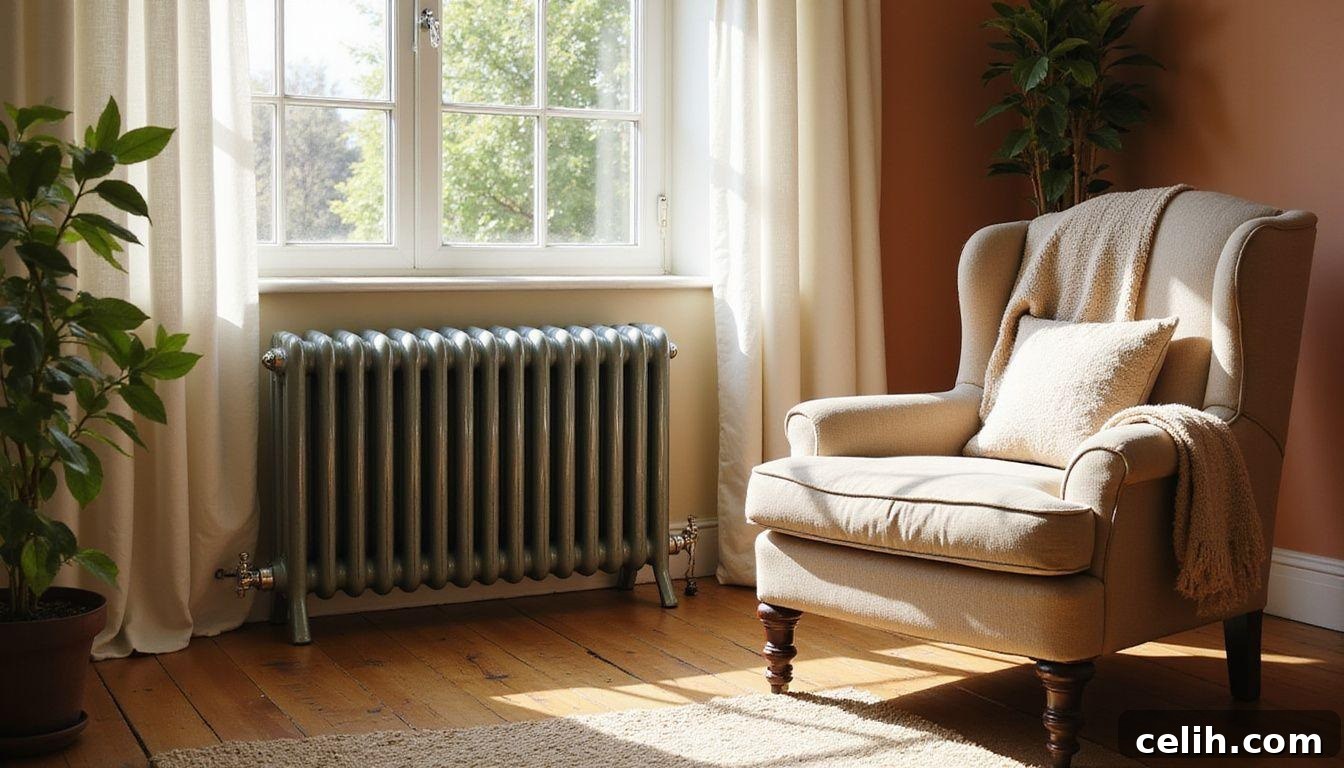
Are you looking to infuse your home with both a comforting warmth and an undeniable sense of style? Designer traditional radiators offer a superb solution, blending timeless elegance with modern heating efficiency. This comprehensive guide will illuminate the many advantages these sophisticated heating elements bring, provide invaluable advice on selecting the ideal radiator for your living space, and offer practical tips for their ongoing maintenance. Prepare to transform your home into a sanctuary of warmth and exquisite design.
Get ready to discover how these magnificent fixtures can elevate your home’s comfort and aesthetic appeal!
Understanding Designer Traditional Radiators: A Blend of History and Innovation
Designer traditional radiators represent a harmonious marriage of vintage charm and contemporary functionality. Unlike their purely utilitarian counterparts, these radiators are crafted not just to heat a room but to enhance its overall aesthetic. They beautifully echo the intricate designs and robust construction of heating systems from bygone eras, such as Victorian or Edwardian periods, while incorporating the advanced engineering required for today’s energy-conscious homes.
Ideal for period properties where authenticity is key, or for any homeowner aspiring to introduce a touch of timeless sophistication, designer traditional radiators become genuine statement pieces. Their ornate patterns, refined finishes, and substantial presence command attention, elevating the décor of any room. Across the UK, the market offers a vast array of choices, from the universally popular classic white finish, which effortlessly complements any interior scheme, to the rugged durability and exceptional heat retention of cast iron builds. Some models meticulously replicate vintage aesthetics with their smooth, elegant curves and intricate detailing, while others present a bolder, more contemporary interpretation of traditional forms, featuring sharper lines and unique textures that suit modern tastes.
These aren’t merely radiators; they are carefully considered design elements that contribute significantly to the character and comfort of your home. By choosing a designer traditional radiator, you’re investing in an item that is both a powerful heating solution and a piece of art.
Unveiling the Benefits of Installing Designer Traditional Radiators
A truly warm home is a truly happy home, and designer traditional radiators in the UK excel in delivering this comfort without compromising on style. They stand out as exceptional heating solutions that masterfully combine aesthetic appeal with superior performance, rapidly bringing your space to a comfortable temperature while serving as stunning visual anchors. These elegant designer radiators are far more than just attractive fixtures; they are also remarkably energy-efficient, a crucial factor for reducing household heating bills that often plague homeowners.
Their timeless aesthetic, particularly prominent in classic white traditional radiators, allows them to seamlessly integrate with virtually any interior decor. Whether your home embodies a cutting-edge modern minimalist style or embraces the ornate grandeur of classic designs, these radiators will fit in perfectly without ever dominating or clashing with your existing scheme. Instead, they enhance it, adding a layer of warmth and sophistication that only a well-chosen, beautifully crafted radiator can provide. Beyond their immediate appeal, designer traditional radiators offer several long-term advantages:
- Exceptional Heat Retention: Materials like cast iron are renowned for their ability to retain heat for extended periods, even after the heating system has turned off. This passive heat emission contributes to a more consistent room temperature and reduces the need for constant boiler operation.
- Durability and Longevity: Built with robust materials and traditional craftsmanship, these radiators are designed to last for decades, often outliving many modern alternatives. Their enduring quality makes them a wise long-term investment for any property.
- Increased Property Value: Installing high-quality, aesthetically pleasing traditional radiators can significantly enhance the perceived value and appeal of your home, especially for period properties or those seeking a distinguished look.
- Versatility in Design: With an extensive range of styles, sizes, and finishes available, you can find a designer traditional radiator that perfectly complements every room, from grand hallways to intimate bedrooms and functional kitchens.
- Enhanced Comfort: Traditional radiators typically offer a more gentle, radiant heat compared to convection heaters, creating a more pleasant and less dry atmosphere in your home. This type of heat feels more enveloping and comforting.
Ready to make an informed choice that will benefit your home for years to come? Let’s delve into the considerations for selecting the perfect designer traditional radiator.
Choosing the Right Designer Traditional Radiator for Your Home: A Detailed Guide
Selecting the perfect designer traditional radiator demands a thoughtful balance between practical heating requirements and your desired aesthetic. There’s no universal solution; each home possesses its own unique characteristics and demands. Therefore, it’s essential to weigh your options meticulously. Here’s a comprehensive guide to help you navigate the selection process and ensure your choice is both beautiful and functional.
| Factors | Things to Consider |
|---|---|
| Heat Output | Accurately calculate the BTU (British Thermal Unit) requirements specific to your room’s dimensions and characteristics to ensure efficient and adequate heating. |
| Material | Decide between classic cast iron (excellent heat retention, robust), versatile steel (good efficiency, various styles), or fast-heating aluminium (lightweight, quick response). |
| Style | Select a design that harmonises with your home’s architectural period and existing décor. Iconic Victorian and elegant column radiators are particularly well-suited for period properties. |
| Colour & Finish | Match the radiator’s finish to your room’s overall colour scheme and desired ambiance. Options like matte black or brushed metal can introduce a sophisticated, modern edge to even the most traditional aesthetics. |
| Size & Configuration | Measure your available wall space precisely and consider both vertical and horizontal orientations. Ensure the radiator is appropriately sized to both fit aesthetically and meet heating demands without overwhelming the room. |
| Position | Strategic placement is crucial for optimal heat distribution. Install radiators under windows to counteract cold drafts or on colder external walls. Always ensure they are not obstructed by furniture or heavy curtains. |
| Valves | Choose between traditional manual valves for a classic look or Thermostatic Radiator Valves (TRVs) for individual room temperature control and enhanced energy efficiency. |
| Budget | Establish a realistic budget early on. Designer options range significantly from highly affordable yet stylish models to bespoke, extravagant pieces. Shop wisely to find the best value without compromising on quality or design. |
While practicality should always guide your decision, don’t shy away from imbuing your choice with personality. A carefully selected radiator can transcend its functional role to become a captivating and integral design element within your home.
Delving Deeper into Key Selection Factors:
- Understanding BTU Requirements: Calculating the correct BTU output is paramount. Factors like room size (length x width x height), number and size of windows, insulation levels, external wall exposure, and even your property’s geographical location can impact the required BTU. Online BTU calculators are helpful tools, but consulting a heating engineer can provide a precise assessment for optimal comfort and efficiency. An undersized radiator will struggle to heat the room, while an oversized one will waste energy.
- Material Matters:
- Cast Iron Radiators: Celebrated for their exceptional thermal mass, cast iron radiators take longer to heat up but retain warmth for significantly longer periods, providing a consistent, gentle heat even after the system is off. They are incredibly durable and offer a truly authentic period feel.
- Steel Radiators: More lightweight and often more affordable than cast iron, steel radiators heat up and cool down relatively quickly. They offer great versatility in design, including a wide array of column configurations and finishes, making them suitable for both traditional and more contemporary-traditional interiors.
- Aluminium Radiators: While less common in purely traditional designs, aluminium radiators are known for their rapid heat-up times and high efficiency due to their excellent thermal conductivity. If speed and responsiveness are high priorities, some contemporary interpretations of traditional styles might incorporate aluminium.
- Style & Aesthetic Alignment: Beyond the material, the specific design profile is crucial.
- Victorian & Edwardian Styles: Often featuring ornate detailing, curved tops, and decorative feet, perfect for matching the grandeur of properties from these eras.
- Column Radiators: Characterised by their vertical sections (columns), these offer a classic, timeless appeal that works well in almost any setting, from traditional to industrial chic. Available in 2, 3, or 4 columns deep for varying heat outputs.
- Art Deco: More geometric and streamlined, these can add a sophisticated touch to specific period homes or modern spaces seeking a unique flair.
Consider the overall architectural style of your home and the existing furnishings.
- The Power of Colour & Finish: While white is a perennial favourite for its clean and bright appearance, don’t overlook the impact of other finishes. Matte black can provide a dramatic contrast or a sleek industrial edge. Brushed metals (like nickel or brass) add a touch of understated luxury and can tie in with other metallic accents in a room. Bespoke colour matching is also an option for ultimate customisation, allowing the radiator to either blend seamlessly or stand out as a bold feature.
- Strategic Positioning: The placement of your radiator is not just about aesthetics; it’s about thermodynamics. Placing a radiator under a window is often recommended because it creates a thermal curtain, rising warm air combating cold air entering through the window, thus improving overall room warmth and comfort. Avoid placing large furniture directly in front of radiators, as this obstructs heat flow and diminishes efficiency.
- The Importance of Valves: Choosing the right valves is crucial for both functionality and aesthetics. Traditional manual valves perfectly complement the classic look of these radiators, but for superior control and energy savings, Thermostatic Radiator Valves (TRVs) are highly recommended. TRVs allow you to set individual room temperatures, preventing overheating in unused rooms and ensuring your heating system operates more efficiently.
By considering these factors in detail, you can confidently select a designer traditional radiator that not only meets your heating needs but also enhances the beauty and character of your cherished home.
Installation and Maintenance Tips for Lasting Performance and Beauty
To ensure your designer traditional radiators provide optimal heat output, maintain their stunning appearance, and last for many years to come, proper installation and consistent care are essential. Following these practical tips will help you maximise the performance and longevity of your elegant heating fixtures.
- Always Hire a Professional Installer: The installation of traditional radiators, especially heavier cast iron models, is a job best left to certified professionals. Licensed experts (e.g., Gas Safe registered in the UK) possess the necessary skills and experience to fit radiators safely, efficiently, and in compliance with all relevant regulations. This significantly reduces the risk of leaks, damage to the radiator or your property, and ensures your warranty remains valid. They will also advise on correct pipework and system balancing.
- Bleed Your Radiators Regularly: Over time, air can accumulate within your heating system, leading to cold spots on your radiators and reducing their overall efficiency. A simple bleeding procedure, performed with a radiator key, releases this trapped air. It’s advisable to bleed your radiators at least once a year, typically before the start of the heating season, or whenever you notice them not heating evenly.
- Clean with Mild Soap and Water: Designer traditional radiators, particularly those with intricate designs or classic white finishes, can accumulate dust and dirt quite easily. For cleaning, always use a soft cloth dampened with mild soap and water. Harsh chemical cleaners, abrasive sponges, or strong detergents can damage the finish, causing discolouration or corrosion. Gently wipe down the surfaces and use a soft brush or duster to reach between columns and crevices.
- Check for Rust and Address it Early: Paint chips or scratches can expose the underlying metal to moisture, leading to rust formation. Regularly inspect your radiators for any signs of rust, especially in humid areas like bathrooms. Promptly touch up any chipped paint with specialist radiator paint to prevent further corrosion and preserve the radiator’s appearance and structural integrity.
- Inspect Valves for Wear and Tear Annually: Radiator valves are critical for controlling heat output and system efficiency. Faulty or worn valves can lead to uneven heating, unnecessary energy waste, or even leaks. During your annual system check, visually inspect valves for any signs of damage or stiffness. If you have Thermostatic Radiator Valves (TRVs), ensure they are functioning correctly and not stuck in one position.
- Avoid Drying Wet Clothes Directly on Radiators: While it might seem convenient, regularly drying wet clothes directly on your radiators can trap moisture against the radiator’s surface. Over time, this can lead to accelerated corrosion, damage to the paint finish, and even reduce the radiator’s efficiency by blocking heat emission. Additionally, it increases humidity levels in the room, which can contribute to condensation issues.
- Test Your Heating System Before Winter: Before the full onset of cold weather, especially in the UK where winters can be harsh, it’s prudent to switch on your heating system briefly. This annual test ensures that all pipes, pumps, and radiators are functioning correctly. Early detection of any issues, such as cold radiators, strange noises, or leaks, allows for timely repairs before you truly need your heating system to be in peak condition. Consider a professional power flush every few years to clear sludge and debris from your system, enhancing efficiency.
By adhering to these installation and maintenance guidelines, your chosen designer traditional radiator will not only continue to be a stylish focal point but also a reliable source of warmth, contributing to the comfort and elegance of your home for many years.
Conclusion: Marrying Elegance with Efficiency
Designer traditional radiators offer a truly remarkable opportunity to transform your UK home, combining undeniable charm, sophisticated style, and outstanding heating efficiency into one cohesive and elegant package. Whether your preference leans towards a bold, statement-making design or the timeless simplicity of classic white, these radiators integrate beautifully into any space, becoming both a functional necessity and a cherished design element. They provide more than just warmth; they infuse rooms with character, history, and a touch of luxury.
With careful consideration during the selection process and a commitment to proper installation and ongoing upkeep, these magnificent radiators are built to endure. They will consistently deliver both comforting warmth and enduring elegance, ensuring your home remains a stylish and cosy haven for decades to come. Investing in a designer traditional radiator is investing in lasting quality, efficiency, and unparalleled aesthetic appeal.
FAQs About Designer Traditional Radiators
1. What are traditional radiators, and why are they so popular in the UK?
Traditional radiators are classic-style heating systems meticulously designed to combine timeless aesthetics with modern heating efficiency. In the UK, they are exceptionally popular because their designs perfectly complement the architectural heritage of many homes, from Victorian terraces to Edwardian villas, while simultaneously providing robust and cosy warmth.
2. Are white traditional radiators inherently better than other colours or finishes?
White traditional radiators are not necessarily “better” but are certainly the most versatile and popular choice. Their clean, neutral aesthetic allows them to seamlessly blend with almost any interior design scheme, making them suitable for both vibrant modern spaces and understated vintage settings. Other colours like matte black, anthracite, or polished finishes offer distinct style statements and can be chosen to create specific moods or match unique decor.
3. How do designer traditional radiators differ significantly from standard, modern radiators?
Designer traditional radiators distinguish themselves by prioritising both aesthetic appeal and heating performance. Unlike standard modern radiators, which often focus solely on utility, designer traditional models feature intricate designs, superior materials (like cast iron), and a craftsmanship tailored to elevate your home’s décor. They act as focal points rather than just functional appliances.
4. Why should I consider Planet Radiators for my home heating needs in the UK?
Planet Radiators stands out as a leading provider in the UK market, offering an extensive range of stylish yet highly functional heating solutions. Their collection boasts high-quality designer traditional style radiators crafted to meet diverse tastes and specific heating requirements, ensuring you find the perfect blend of elegance and efficiency for your home.
5. Are traditional radiators more expensive to run compared to modern radiators?
Not necessarily. While traditional cast iron radiators take longer to heat up, they retain heat for much longer, radiating warmth steadily even after the heating system is off. This can lead to a more consistent room temperature and potentially reduce the frequency with which your boiler needs to fire up. With proper sizing and the use of Thermostatic Radiator Valves (TRVs), they can be very energy efficient.
6. Can designer traditional radiators be used in modern or contemporary homes?
Absolutely! Many contemporary designers and homeowners integrate traditional radiators into modern settings to create a striking contrast, add character, or introduce an element of timeless sophistication. Column radiators, in particular, with their clean lines, are highly versatile and can look stunning in minimalist or industrial-style interiors.
7. How long can I expect a designer traditional radiator to last?
Designer traditional radiators, especially those made from robust materials like cast iron, are built to last for many decades. With proper installation, regular maintenance, and a well-maintained heating system, it is not uncommon for these radiators to provide efficient heating and aesthetic appeal for 50 years or even longer.
8. What types of valves should I use with a traditional radiator?
You have a choice between traditional manual valves, which complement the vintage aesthetic and allow for simple on/off control, or Thermostatic Radiator Valves (TRVs). TRVs are highly recommended for modern efficiency as they allow you to set and maintain individual room temperatures, optimising comfort and reducing energy waste by preventing overheating in specific areas.