
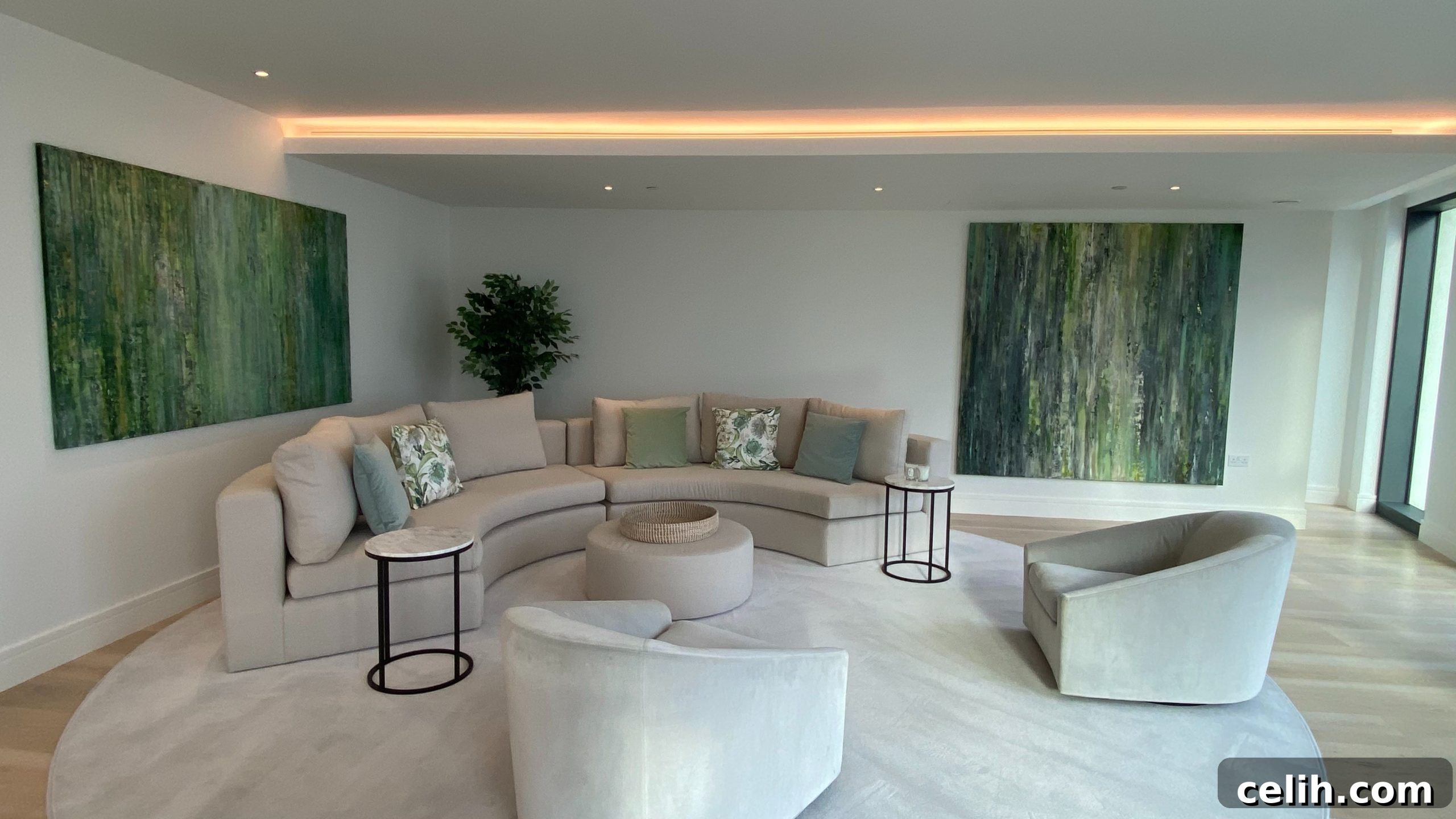
When embarking on the journey of home decoration, our focus often narrows to the visual elements. The selection of an ideal color palette, aesthetically pleasing furniture, and captivating art is undeniably crucial. However, the true essence of a well-designed home transcends mere visuals, appealing to the entirety of our sensory experience. A truly transformative and unique living space is crafted by engaging all five senses simultaneously, elevating an ordinary room into an extraordinary sanctuary.
This comprehensive guide will illuminate the path to designing a home that resonates with every sense, creating environments that are not only beautiful to behold but also deeply comforting, stimulating, and uniquely yours. Discover how to create an immersive atmosphere that delights, soothes, and inspires, making your home a truly special place.
Engaging the Sense of Sight in Interior Design
While an integrated sensory approach is key to remarkable home interiors, sight often serves as the initial gateway to experiencing a space. Our brains process visual information instantaneously, forming immediate judgments about a room’s atmosphere and functionality. Therefore, thoughtful visual design is paramount in creating a welcoming and harmonious home. To optimize the visual appeal of your home decor, several vital elements demand attention.
Firstly, the psychology of color holds immense power. Beyond mere aesthetics, colors profoundly influence our moods, perceptions, and even behavior. Understanding these psychological impacts allows for strategic color choices that align with the intended purpose of each room. For instance, soft blues and greens are renowned for their calming properties, making them perfect for bedrooms or meditation spaces. Vibrant yellows can stimulate creativity and energy, ideal for a home office or a kitchen nook. Conversely, rich reds can evoke passion and appetite, well-suited for a dining area, but might be too intense for a space intended for relaxation. By carefully selecting your palette, you can curate specific emotional responses and enhance the desired ambiance in every part of your home.
Equally important is the judicious application of patterns. Patterns add visual interest, depth, and personality, engaging the brain in a dynamic way. However, balance is critical. Overuse or clashing patterns can lead to visual clutter and create a sense of unease or overwhelm. The “less is more” principle is especially pertinent here. Feature walls, adorned with a bold wallpaper or intricate design, offer an excellent strategy to introduce patterns without saturating the space. This approach allows the pattern to make a statement while the surrounding plain walls provide a visual respite, maintaining harmony and sophistication. Consider the scale of patterns; larger patterns can make a small room feel grander, while smaller, repetitive patterns can add a cozy, intimate feel.
Visual weight, or how heavy an item appears, is another fundamental concept in interior design. A large, dark-wood armoire possesses a high visual weight, commanding attention and grounding a space. In contrast, a sleek glass coffee table has a low visual weight, contributing to an open and airy feel. The appropriate visual weight of your furniture and decor should align with the room’s function and overall aesthetic goal. For a cozy, traditional living room, elements with higher visual weight can enhance a sense of warmth and permanence. However, in contemporary open-plan spaces aiming for lightness and spaciousness, selecting furniture with lower visual weight is essential to prevent the room from feeling cramped or heavy. The size of the space also dictates visual weight choices; in smaller apartments or flats, opting for pieces with a lower visual weight can prevent the area from feeling cluttered and maximize the perception of space.
Finally, lighting, both natural and artificial, significantly shapes our visual experience. Maximizing natural light through strategically placed windows, sheer curtains, and reflective surfaces can brighten a room and connect it with the outdoors, boosting mood and energy. For artificial lighting, layering is key: ambient lighting for overall illumination, task lighting for specific activities (reading, cooking), and accent lighting to highlight architectural features or artworks. Dimmers offer flexibility, allowing you to adjust the intensity and mood of a room at will. The color temperature of light bulbs also matters – warmer tones create a cozy atmosphere, while cooler tones promote alertness and focus.
Elevating Home Decor Through the Sense of Touch
The sense of touch, often underestimated in home decor, profoundly influences our physical comfort and emotional connection to a space. It encompasses not just what we physically grasp, but all textures that come into contact with our bodies—from the softness of a sofa cushion to the coolness of a stone floor. Thoughtfully integrating diverse textures can transform a home from merely visually appealing to truly inviting and comfortable.
Consider the impact of flooring. Hardwood floors, while elegant, can feel cold and unwelcoming, especially in cooler climates or intimate living areas. The strategic addition of a luxurious rug can instantly alter this perception. Imagine sinking your feet into a plush sheepskin or a soft cowhide rug; this tactile experience provides immediate comfort and warmth, transforming a sterile space into a cozy haven. Rugs not only address practical issues like cold floors but also introduce a layer of sophisticated texture that invites relaxation and comfort, making a room feel more grounded and hospitable.
Beyond flooring, seek opportunities to introduce a variety of textures throughout your home. This isn’t about encouraging guests to touch everything, but rather about stimulating the tactile senses and adding depth to the visual landscape. Upholstery offers a prime avenue for textural exploration; think about the contrast between smooth leather, coarse linen, soft velvet, or rustic jute. Mix and match these materials in furniture pieces, throw pillows, and blankets to create a dynamic and intriguing environment. Even walls can contribute to the tactile experience. Textured wallpaper can add subtle dimension, while an exposed brick wall provides a raw, industrial, yet inviting texture. The goal is to create a rich tactile tapestry, featuring contrasting textures that encourage exploration and add an exciting dimension to the room, fostering a sense of curiosity and comfort.
Incorporating natural elements like untreated wood, stone, wool, and cotton further enriches the tactile experience. These materials bring an organic warmth and authenticity to a space, reminding us of the natural world. Even seemingly small details, like the feel of a ceramic mug, the grain of a wooden chopping board, or the crispness of linen sheets, contribute to the overall tactile narrative of your home. By thoughtfully layering these varied textures, you create a multi-faceted design that appeals deeply to our inherent desire for comfort and sensory richness.
Designing with the Power of Scent: The Sense of Smell
The sense of smell, often the most direct pathway to memory and emotion, plays a pivotal role in shaping our perception of a home. The familiar scent of our own dwelling brings comfort and a sense of belonging. Thoughtful integration of positive aromas can significantly enhance mood and create a truly inviting atmosphere. While natural scents from materials like wooden furniture or fresh flowers emerge organically, actively cultivating a pleasant olfactory environment is essential for a holistic design.
Certain scents possess distinct psychological benefits. For instance, lavender is widely recognized for its calming and stress-reducing properties, making it an excellent choice for bedrooms, living areas, or even bathrooms where relaxation is desired. Introducing this tranquil aroma can be achieved through scented candles, essential oil diffusers, or sachets of dried lavender. Other soothing scents include chamomile, sandalwood, and vanilla. For more energizing or uplifting effects, consider citrus notes like lemon or orange, or fresh mint, perfect for a kitchen or home office.
Bringing the outdoors in is another powerful way to introduce natural, appealing aromas. Freshly cut flowers or potted herbs like rosemary, basil, or mint not only add visual beauty but also infuse the air with delightful, subtle fragrances. Regularly opening windows allows fresh air to circulate, sweeping away stale odors and welcoming the natural scents of your garden – perhaps the fragrance of blooming flowers, damp earth after rain, or freshly mown grass. This simple act bridges the gap between your indoor and outdoor environments, creating a seamless and invigorating sensory experience.
Beyond introducing pleasant smells, effective home design also involves strategies to prevent and eliminate unwanted odors. This might involve practical considerations like installing an efficient extractor fan in the kitchen to manage cooking smells or ensuring proper ventilation in bathrooms. Beyond these specific solutions, maintaining good air circulation throughout the home is crucial. Regular cleaning, using air purifiers, and opting for natural, low-VOC (volatile organic compound) paints and materials can contribute to a consistently fresh and healthy olfactory environment. By actively managing both desirable and undesirable scents, you create a home that consistently delights the nose and enhances overall well-being.
The Unseen Influence: Designing with the Sense of Hearing
The auditory landscape of our homes profoundly impacts our state of mind, yet the sense of hearing is frequently overlooked in home decor. Thoughtful sound design can transform a house into a tranquil retreat or a vibrant social hub, demonstrating how background sounds and acoustics are integral to sensory home design. By consciously shaping the auditory experience, we can create environments that support relaxation, focus, or lively interaction.
Embrace and amplify desirable sounds, especially those from nature. If your home boasts a garden frequented by chirping birds, strategically position seating near windows to allow occupants to fully immerse themselves in these pleasant outdoor melodies. The gentle rustling of leaves or the soft patter of rain can also contribute to a serene indoor atmosphere. Installing a water feature in your garden is an exceptional way to introduce the universally calming sound of running water, engaging both sight and hearing, while also attracting local wildlife to enhance your outdoor space.
Equally important is the mitigation of unwanted noise. Living near a busy street or in a dense urban area can expose your home to disruptive sounds that interfere with peace and relaxation. Fortunately, several effective design solutions can help. Upgrading to double-glazed windows is a significant investment that provides superior acoustic insulation, effectively blocking external clamor and giving you greater control over the internal soundscape. Alternatively, various window treatments can minimize noise; thick, lined curtains or heavy drapes are surprisingly effective at absorbing sound waves. Beyond their acoustic benefits, these solutions often contribute to better thermal insulation, leading to more efficient heating and reduced energy bills.
Inside the home, soft furnishings and materials play a crucial role in sound absorption. Carpets, rugs, upholstered furniture, and textile wall hangings can significantly reduce echoes and dampen harsh sounds, creating a warmer, more acoustically comfortable environment. Bookshelves filled with books also act as excellent sound diffusers. In spaces like a home theater or a quiet study, consider specialized acoustic panels or strategically placed artwork that serves a dual purpose of aesthetic appeal and sound management. By curating the sounds within your home, you design an auditory experience that supports your desired mood and enhances overall comfort.
Stimulating the Sense of Taste: Culinary Design in Your Home
While seemingly the most challenging sense to directly engage in home design, the sense of taste can be subtly influenced through visual cues, atmospheric elements, and the thoughtful integration of culinary inspiration. The goal isn’t to literally taste your decor, but to evoke a sense of appetite, warmth, and the joy of shared meals, making kitchens and dining areas particularly impactful spaces for sensory stimulation.
The psychology of color plays a significant role in stimulating appetite. Colors like red, orange, and yellow are known to increase hunger and energy, making them excellent choices for dining rooms and kitchens. A strategic splash of red, perhaps in an accent wall, kitchen appliances, or dinnerware, can ignite a vibrant and inviting atmosphere for meals. However, exercise caution, as red can be an overpowering color; use it sparingly to avoid visual fatigue. Contrasting these warm, stimulating hues with calming neutrals can create a balanced and sophisticated culinary environment.
Beyond color, integrating culinary accessories as both decorative and functional elements can powerfully evoke the sense of taste. Displaying your elegant china on plate racks, showcasing attractive cookware on open shelving, or hanging copper pots and pans on wall-mounted hooks transforms everyday items into appealing design features. These clever storage solutions not only enhance organization but also serve as visual reminders of delicious meals and shared culinary experiences, stimulating anticipation and pleasure. Think about transparent jars filled with colorful pasta, spices, or fresh fruits as vibrant counter-top displays.
Furthermore, consider incorporating living elements that connect directly to taste. A small indoor herb garden on a kitchen windowsill provides fresh ingredients and fills the air with aromatic scents like basil, rosemary, or mint, subtly hinting at culinary delights. A bowl of fresh, seasonal fruit on a dining table or kitchen island not only adds a pop of color but also suggests healthy eating and evokes the freshness of natural flavors. Even the choice of dinnerware and serving pieces—their texture, weight, and presentation—contributes to the overall dining experience, making each meal feel more special and intentional.
Ultimately, designing for taste is about fostering an environment that celebrates food, community, and nourishment. It’s about creating spaces where guests feel welcome to gather, where meals are savored, and where every visual and atmospheric detail contributes to a delightful culinary journey. By thoughtfully curating these elements, your home can subtly, yet effectively, awaken the taste buds and create memorable sensory experiences.
When we step into any room, our perception begins with sight, but it certainly doesn’t end there. Our brains seamlessly gather a rich tapestry of information through all five senses. This intricate collection of sensory data then converges to form our holistic impression and feeling about the space. True comfort, relaxation, and genuine delight in a home are intricately woven from what we can smell, hear, taste, and touch, in addition to what we see. This profound interconnectedness underscores the immense importance of designing with all five senses in mind, transforming your home into a truly immersive and deeply personal sanctuary.
Main image credit: Photo by Oliver Cox on Unsplash