
Choosing the Perfect Radiator: A Comprehensive Guide to Home Heating and Interior Design
Finding the ideal heating solution that seamlessly integrates with your home’s unique aesthetic is a crucial step in creating a comfortable and stylish living space. Far too often, homeowners overlook the transformative power of a well-chosen radiator, not realizing its potential to elevate interior design and provide optimal warmth.
The right radiator choice goes beyond mere functionality; it’s an opportunity to complement your existing decor, make a bold design statement, or simply enhance the overall ambiance of a room. By making an informed decision, you can ensure your home benefits from both ultimate heating efficiency and impeccable style.
Making the Right Choice: Balancing Aesthetics, Efficiency, and Budget
Whether you’re embarking on a complete home renovation or simply looking to refresh your decor, dedicating time to research and select the appropriate radiator is vital. Many tend to opt for the first available choice or stick with outdated existing units, which can inadvertently hinder your home’s design potential and energy efficiency.
Beyond the visual appeal, it’s imperative to consider the most critical aspects: the best heating performance for your specific needs, energy efficiency, and a price point that aligns with your budget. The market offers a vast array of heating solutions, from classic cast iron models to ultra-modern designer options, each with distinct benefits.
Before committing, take the time to research reputable radiator suppliers, compare prices, and understand heating guidelines. This thorough approach will help you determine what truly works best for your home’s architectural style, functional requirements, and, most importantly, fits comfortably within your realistic financial plan. Investing wisely now can lead to significant long-term savings on energy bills and enhance your home’s value and comfort.
Beyond the Basics: Factors to Consider
- Energy Efficiency: Modern radiators are designed for better heat distribution and lower energy consumption. Look for features like low water content for faster heating.
- Material Matters: Different materials (steel, aluminum, cast iron) have varying heat retention and conductivity properties.
- BTU Output: Understanding British Thermal Units (BTU) is crucial for ensuring your chosen radiator can adequately heat the room size.
- Installation Requirements: Some radiators might require specific plumbing or wall reinforcements.
- Warranty and Lifespan: A good warranty indicates manufacturer confidence in the product’s durability.
Radiators for Every Room: Tailoring Your Heating Solution
The optimal radiator choice often varies significantly depending on the specific room you intend to upgrade. Each space within your home has unique heating requirements and aesthetic considerations.
Bedrooms: Creating a Haven of Comfort and Style
Looking to infuse a touch of luxury and contemporary elegance into your bedroom? Designer radiators are an excellent option for bedrooms, as well as living rooms, offering a sophisticated aesthetic that enhances the overall decor. They provide efficient warmth without compromising on style.
Many designer radiators are available in sleek flat panel designs, and versatile horizontal or vertical orientations. These options allow for seamless integration into various wall spaces, complementing a wide range of interior styles from minimalist to opulent. Beyond their looks, many modern designer radiators offer quiet operation, ensuring your bedroom remains a peaceful sanctuary. Consider integrating smart thermostats for individual room control, allowing you to fine-tune the temperature for a perfect night’s sleep.
Bathrooms: Warmth and Practicality Combined
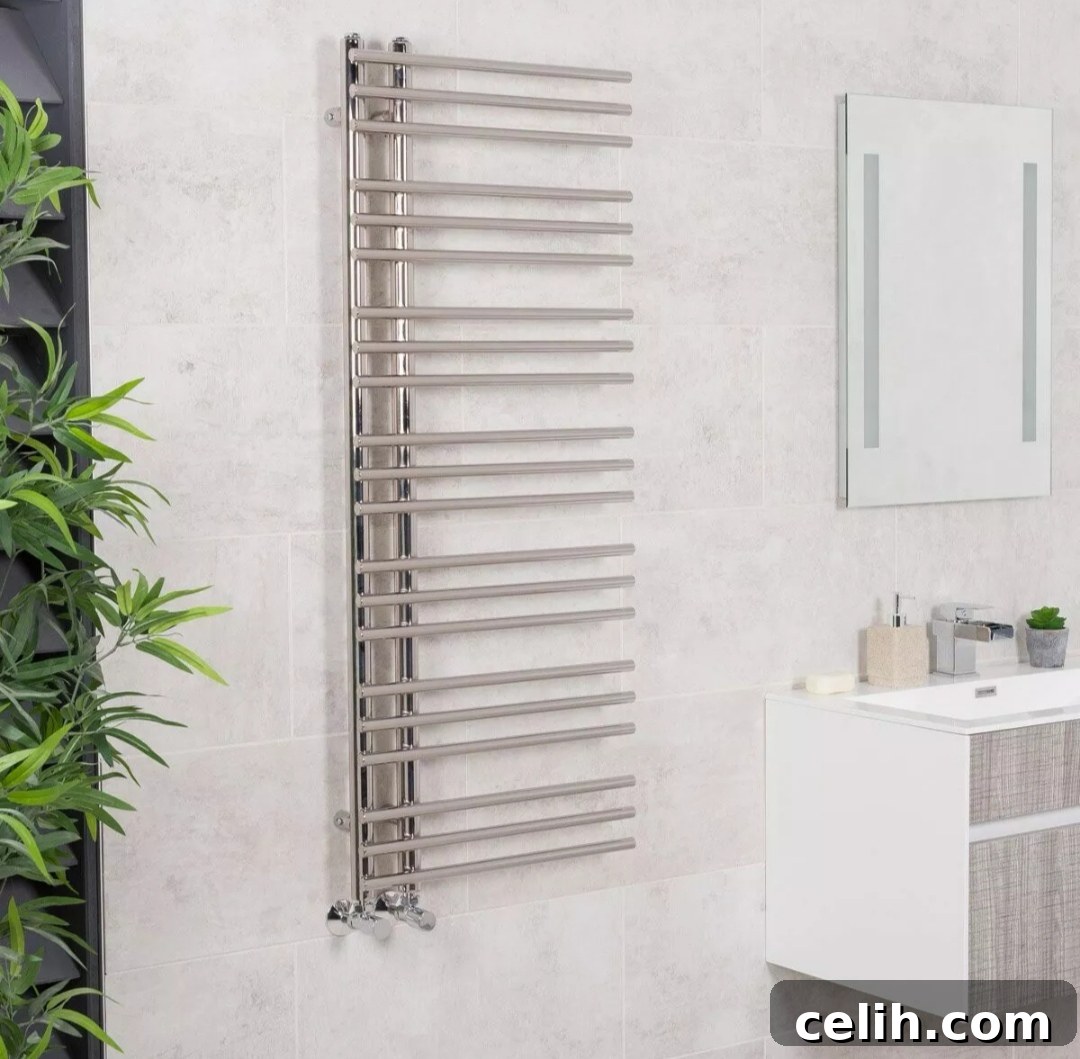
Tall radiators, often designed as ladder rails, are undoubtedly one of the best options for any bathroom. Not only do they effectively and efficiently heat the room, combating the dampness often found in bathrooms, but both curved and flat panel options serve a dual purpose by keeping your towels luxuriously warm and dry. This feature is invaluable, providing a spa-like experience and preventing damp towels from becoming a breeding ground for mildew.
Image Credit – Lincolnshire Radiators Direct
Living Rooms: A Blend of Tradition and Modern Efficiency
For living rooms, cast iron radiators offer an ideal design choice, helping to maintain a more traditional or period aesthetic while delivering modernised heating ergonomics. Their robust presence and classic appeal make them a focal point, seamlessly blending with vintage, rustic, or even industrial-inspired interiors.
Beyond their timeless appearance, cast iron radiators are renowned for their superior heat retention properties. They take longer to heat up but retain warmth for an extended period, providing a gentle, consistent heat that is perfect for large living spaces where sustained comfort is desired. This makes them particularly efficient in maintaining a comfortable ambient temperature, even after the heating system switches off.
Kitchens and Hallways: Practicality Meets Design
Don’t overlook the heating needs of other key areas. In kitchens, where wall space might be limited by cabinetry and appliances, compact and sleek radiators or plinth heaters can provide effective warmth without disrupting the functional layout. For hallways, which are often the first impression of your home and prone to draughts from opening doors, a powerful yet space-efficient radiator can ensure a warm welcome and prevent heat loss to other rooms.
Understanding Size, Space, and Heat Output
When selecting a new radiator, size truly matters. Many heating specialists will help you determine the specific size and BTU output required to effectively heat your home. A general rule of thumb is that the larger the radiator (or the higher its BTU rating), the greater its heat output. This provides a rough idea to compare with your current radiator setup and assess whether your next option needs to offer increased or reduced heating capacity.
To accurately determine the necessary BTU for a room, several factors must be considered: the room’s dimensions (length, width, height), the number and type of windows, insulation levels, external wall exposure, and even the room’s typical usage. Online BTU calculators can offer a good starting point, but a professional assessment ensures optimal heating efficiency.
If you find yourself struggling with limited wall space, several innovative solutions can help. Consider a smaller, high-output radiator, or explore integrated heating options such as underfloor heating for truly discreet warmth. A portable option might suffice for very small, infrequently used spaces, as the heat will fill the room at a much quicker rate. It’s also worth looking at vertical radiators, which are incredibly space-efficient, occupying less horizontal wall space while still providing a substantial source of heat. These are particularly popular in modern interiors and smaller rooms like hallways or utility areas.
Advanced Temperature Control: Maximizing Comfort and Efficiency
Having an effective temperature control system, such as a thermostatic radiator valve (TRV), is incredibly important. TRVs allow you to regulate the heat output of individual radiators, rather than just controlling the entire heating system from a single thermostat. This enables zone heating, meaning you can set different temperatures for different rooms, preventing overheating in some areas and ensuring comfort in others. Finding the optimal temperature for each room can take some experimentation, but once calibrated, it significantly enhances comfort and energy efficiency.
Furthermore, if you are designing your chosen space from scratch or undertaking a renovation, you can also select stylish valve options that complement both your radiator and overall interior design. With continuous developments in heating technology, radiator valve options are growing rapidly. You are no longer restricted to the typical chrome choice; instead, you can venture out to different colour options, including elegant mattes, sophisticated metallics, and even traditional styles that perfectly match period radiators.
Beyond TRVs, smart heating systems offer even greater control. These systems can be integrated with your home’s Wi-Fi, allowing you to control your heating remotely via a smartphone app. Features often include personalized scheduling, geofencing (heating up when you’re almost home), and even learning algorithms that adapt to your habits, maximizing energy savings and convenience.
Materials, Finishes, and Installation
Radiator Materials: Performance and Style
- Steel Radiators: The most common type, steel radiators are versatile, affordable, and offer good heat output. They come in a vast range of designs, from traditional panel radiators to sleek designer models.
- Aluminum Radiators: Lightweight and highly conductive, aluminum radiators heat up very quickly and are often more energy-efficient. They are a popular choice for modern, fast-response heating systems and designer aesthetics.
- Cast Iron Radiators: As discussed, cast iron provides excellent heat retention, releasing warmth slowly and steadily. While heavier and often more expensive, their timeless appeal and durability are unmatched.
Finishes and Colours
The finish of your radiator plays a significant role in its visual impact. While white remains a classic, manufacturers now offer a spectrum of colours – from bold primary shades to subtle pastels, and sophisticated metallics like anthracite, brushed steel, or polished chrome. Matte finishes can add a contemporary touch, while high-gloss options reflect light beautifully. Choosing a finish that complements your room’s colour scheme and material palette ensures your radiator enhances, rather than detracts from, your design.
Professional Installation and Maintenance
Proper installation is paramount for both safety and optimal performance. It’s always recommended to have a qualified professional install your new radiators, ensuring they are correctly plumbed, securely mounted, and tested for leaks. Regular maintenance, such as bleeding your radiators to release trapped air and checking for system pressure, will ensure they operate efficiently for years to come. A well-maintained heating system not only performs better but also lasts longer, protecting your investment.
Conclusion: Investing in Comfort and Style
Radiators are an incredibly important, yet often underestimated, part of any home. They are more than just heat sources; they are integral elements of your interior design, contributing significantly to both the comfort and aesthetic appeal of your living environment. Finding the perfect choice for your home requires diligent research, careful consideration of your specific needs, and an understanding of the diverse options available.
By taking the time to explore different types, assess appropriate sizes (BTU), evaluate material benefits, consider modern control systems, and choose suitable finishes, you can make an informed decision that will significantly improve your home’s heating efficiency, enhance its overall aesthetics, and ultimately create the comfortable and stylish sanctuary you dream of showcasing.