
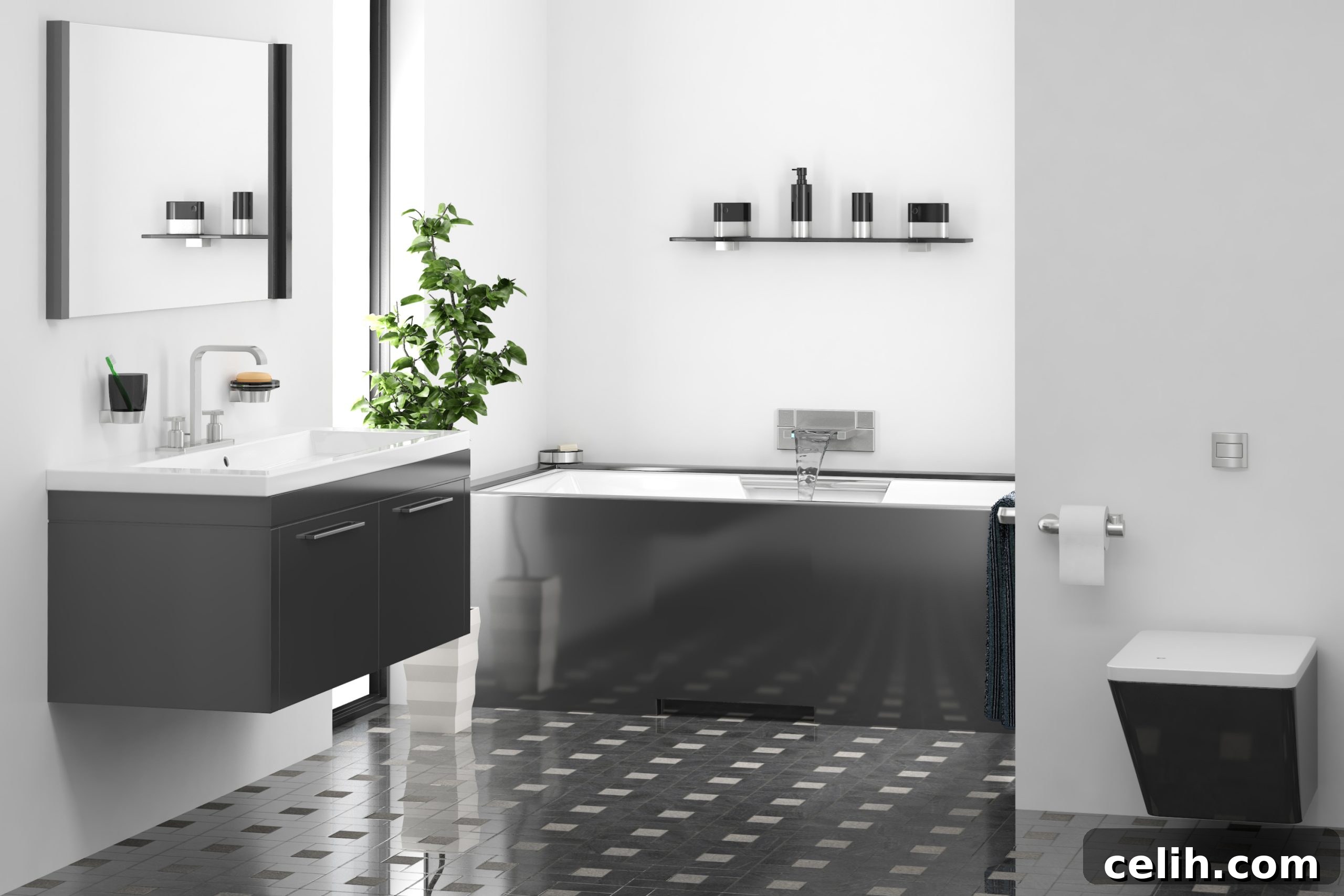
Embarking on a bathroom remodeling project is an exciting journey, offering the chance to transform an essential space into a haven of comfort and style. A thoughtfully executed bathroom renovation can significantly elevate your home’s functionality, aesthetic appeal, and overall market value. However, achieving your dream bathroom requires meticulous planning, precise organization, and unwavering attention to detail. This comprehensive guide is designed to navigate you through every crucial step of a bathroom remodel, from initial conceptualization to the final touches, ensuring a smooth, rewarding, and stress-free renovation experience. By prioritizing key tasks and adopting a systematic approach, you can successfully create a bathroom that perfectly blends your vision with practical needs.
Unlocking Your Dream Bathroom: A Comprehensive Guide to Successful Remodeling
Remodeling a bathroom is more than just an aesthetic upgrade; it’s an investment in your home and quality of life. Whether you’re aiming for a sleek modern design, a tranquil spa-like retreat, or a highly functional family bathroom, understanding the core steps involved is paramount. This section details the critical tasks and priorities that will lay the foundation for a successful and satisfying bathroom renovation.
1. Define Your Bathroom Renovation Goals and Vision
The cornerstone of any successful bathroom renovation is a clear, well-defined vision. Before any demolition begins, take ample time to assess your current bathroom’s shortcomings and identify precisely what you wish to achieve with the remodel. Consider not just the aesthetics but also the practical aspects like layout efficiency, storage solutions, fixture performance, and overall lighting. Are you envisioning a luxurious spa-like retreat, a contemporary update to outdated elements, maximized storage, or enhanced accessibility for all family members? Clearly articulating these goals will act as your guiding principle throughout the entire project, enabling you to make cohesive decisions and maintain focus on your ultimate design objectives. This initial step will heavily influence every subsequent choice, from materials to contractors.
Think about your lifestyle and future needs. Do you need a double vanity for a busy morning routine? Is a walk-in shower more practical than a bathtub? How important is natural light, and how can artificial lighting complement it? Documenting your preferences, creating a mood board, and collecting inspiration photos will help solidify your vision and communicate it effectively to any professionals you hire. This foundational phase ensures that your renovated bathroom is not just beautiful but also perfectly tailored to your individual requirements and preferences.
2. Establish a Realistic and Comprehensive Budget
Once your vision is clear, establishing a realistic and detailed budget becomes the next critical step for a successful bathroom renovation. Determine the total amount you are prepared to invest in the project and meticulously allocate funds across various categories, including materials, labor, permits, and a crucial contingency fund for unforeseen expenses. Researching average bathroom renovation costs in your specific area is vital to ensure your budget aligns with current market prices and your renovation goals. Be prepared for flexibility, as unforeseen issues are common in remodeling projects. A good rule of thumb is to set aside an additional 10-20% of your total budget specifically for contingencies. This financial buffer can absorb unexpected costs, such as discovering mold, old plumbing issues, or structural damage, preventing project delays and budget overruns.
Breaking down your budget into detailed line items – such as demolition, plumbing, electrical, flooring, tiling, cabinetry, countertops, fixtures, painting, and labor – provides greater control and transparency. Prioritize areas where you want to invest more, like high-quality fixtures or durable flooring, and identify areas where you might be able to save without compromising quality. Discussing your budget openly with potential contractors will help them tailor their proposals to your financial parameters and offer cost-effective alternatives if needed. A well-planned budget is the roadmap that keeps your renovation project on track financially.
3. Meticulously Plan the Bathroom Layout and Flow
The bathroom layout is fundamental to optimizing space, enhancing functionality, and ensuring a comfortable user experience. Begin by evaluating your existing design: does it meet your current needs, or does it hinder flow and accessibility? Carefully consider the precise placement of key fixtures like the toilet, sink, shower, or bathtub, and visualize how they interact within the space. It’s crucial to remember that relocating plumbing and electrical lines can be among the most expensive aspects of a remodel. Therefore, working within the existing layout as much as possible can significantly save costs and complexity. However, if a substantial layout change is essential to achieve your renovation goals – for instance, converting a small powder room into a full bath or creating a more accessible space – consulting a professional designer or contractor is indispensable. They can provide invaluable expertise, ensure feasibility, and guarantee the changes are executed safely and efficiently.
Beyond the major fixtures, also consider elements like door swings, storage cabinet placement, and even towel rail locations. Think about how natural light enters the room and how mirrors can amplify it. For smaller bathrooms, clever layout strategies and compact fixtures can make the space feel larger and more open. In contrast, larger bathrooms offer more flexibility for luxurious elements like freestanding tubs or expansive vanity units. A well-planned layout maximizes every inch, creating a harmonious and highly functional environment that truly enhances your daily routine.
4. Select High-Quality Materials and Fixtures
Investing in high-quality materials and fixtures is paramount for the long-term durability, visual appeal, and overall value of your bathroom renovation. Given the inherently humid and wet environment of a bathroom, choosing durable, water-resistant, and low-maintenance options is crucial. Popular choices for surfaces include porcelain or ceramic tiles, known for their resilience and vast design options; natural stone like marble or granite for a touch of luxury; and moisture-resistant paint specifically formulated for bathrooms. When selecting fixtures, balance functionality with aesthetics. Opt for water-efficient faucets, toilets, and showerheads not only to reduce water consumption and utility costs but also to embrace sustainable living. Furthermore, ensure that all chosen fixtures, from the vanity to the lighting, complement the overarching design theme of your bathroom, creating a cohesive and polished look.
Consider the practical aspects of each material. For flooring, grip and slip resistance are important, especially in areas prone to water. For countertops, think about resistance to stains, scratches, and heat. Vanities should offer adequate storage and withstand daily use. Don’t overlook the smaller details like hardware finishes, which can significantly impact the room’s character. By prioritizing quality, you ensure your newly renovated bathroom will not only look stunning but also stand the test of time, providing years of trouble-free enjoyment and adding significant value to your home.
5. Partner with a Professional Contractor or Designer
Unless you possess extensive experience and expertise in comprehensive bathroom remodeling, engaging a professional contractor or an interior designer to oversee your renovation project is highly recommended. A skilled professional brings invaluable insights, guides crucial decision-making, and ensures that the renovation adheres strictly to local building codes, safety standards, and your aesthetic preferences. Begin your search by researching and obtaining detailed quotes from several reputable contractors or designers. Crucially, verify their credentials, check their references diligently, and review their portfolios to gauge the quality and style of their previous work before making a final decision. Open and transparent communication is paramount when collaborating with a professional; clearly articulate your preferences, expectations, and any concerns from the very outset. A strong working relationship built on trust and clear communication will significantly contribute to the project’s success.
A good contractor will manage the various trades (plumbers, electricians, tilers), coordinate schedules, and procure materials, relieving you of significant stress. A designer, on the other hand, can help refine your vision, select materials and finishes, and create detailed plans that maximize both beauty and functionality. Don’t hesitate to ask about their project management style, communication frequency, and how they handle unforeseen challenges. A well-chosen professional partner is arguably the most important element in transforming your bathroom renovation dreams into a tangible reality.
6. Secure All Necessary Permits and Approvals
Depending on the scope of your bathroom renovation and the specific regulations in your municipality, obtaining the necessary permits before commencing any work is often a legal requirement. Major renovations that involve alterations to plumbing, electrical systems, or structural changes almost always necessitate permits to ensure compliance with stringent building codes and crucial safety standards. Collaborating with a licensed contractor can significantly streamline this often-complex process, as they are typically well-versed in local regulations and the required documentation. Obtaining these permits is not merely about adhering to legal mandates; it’s a vital step in safeguarding your significant investment and, more importantly, ensuring the long-term safety and integrity of your home. Failing to secure proper permits can lead to costly fines, difficulties when selling your home, and potential safety hazards.
Your contractor should be able to advise you on which permits are required for your specific project and assist with the application process. This typically involves submitting detailed plans, drawings, and specifications for review by local authorities. While it might seem like an extra bureaucratic step, a properly permitted renovation guarantees that the work meets professional standards and is officially documented, providing peace of mind and protecting your property value.
7. Efficient Demolition and Debris Removal
Once all planning, budgeting, and permitting are in place, the exciting, albeit messy, phase of demolition begins. This involves carefully dismantling and removing all existing fixtures, cabinetry, flooring, and wall finishes from the bathroom. The demolition process requires precision to avoid damaging the underlying structures, plumbing lines, and electrical conduits that will remain. A professional contractor will handle the demolition efficiently and safely, ensuring proper disposal of all debris, often utilizing dumpster services. During demolition, a critical opportunity arises to thoroughly assess the condition of the underlying walls, subfloor, plumbing, and electrical systems. Any unexpected issues, such as water damage, mold, or outdated wiring, can be identified and addressed at this stage, preventing more significant problems later. Additionally, don’t forget to consider porta potty rentals if your home will be without a functioning bathroom for an extended period, ensuring convenience for both your family and the work crew.
Safety during demolition is paramount. Ensure the area is properly sealed off to contain dust, and appropriate protective gear is worn. This “bare bones” stage of the renovation is crucial; it’s when the true potential and challenges of the space reveal themselves, allowing for necessary adjustments before the reconstruction phase begins.
8. Professional Plumbing and Electrical Work
With the bathroom stripped down to its essential framework, the critical plumbing and electrical work can commence. This stage often involves significant modifications, such as rerouting water supply and drain pipes, installing new plumbing fixtures like shower valves and toilet connections, upgrading electrical outlets to meet modern demands, or adding new lighting features for enhanced ambiance and functionality. It is absolutely paramount that all plumbing and electrical work strictly adheres to all local building codes and rigorous safety standards. This not only ensures the safe operation of your new bathroom but also prevents future issues and potential hazards. Addressing these vital utility systems early in the renovation process is key to preventing costly delays and guaranteeing that your new fixtures and features are integrated seamlessly and efficiently into the revamped space.
Consider upgrading to a dedicated circuit for your bathroom for safety and to accommodate modern appliances like high-power hair dryers or smart mirrors. Ensure proper ventilation is installed or upgraded with an exhaust fan to prevent moisture buildup and mold growth. For plumbing, think about water pressure, hot water capacity, and the types of shower systems or faucets you plan to install. Expert execution of plumbing and electrical rough-ins forms the backbone of a functional, safe, and modern bathroom.
9. Install Subfloor and Wall Backer Boards
Following the completion of all necessary plumbing and electrical rough-ins, the next crucial step involves installing the subfloor and wall backer boards. The subfloor provides a robust, level foundation essential for the longevity and stability of your chosen bathroom flooring, whether it’s tile, vinyl, or wood. Simultaneously, wall backer boards create a solid, stable, and moisture-resistant surface ready for the application of tiles or other wall finishes. In wet zones, such as the shower enclosure or bathtub surround, the proper installation of waterproof backer boards (like cement board or fiber cement board) and associated waterproofing membranes is absolutely critical to effectively prevent water damage, inhibit mold growth, and ensure the structural integrity of your walls over time. Meticulous and correct installation of both subfloors and backer boards lays a durable and stable foundation, which is indispensable for the successful and long-lasting completion of the remainder of your bathroom renovation.
Attention to detail at this stage prevents future problems. Ensure the subfloor is perfectly level to avoid cracking tiles or uneven flooring. For wall backer boards, proper fastening and sealing of joints are essential for creating a waterproof envelope, particularly in the shower area. This stage, though often hidden by finishes, is fundamental to the structural soundness and water resistance of your new bathroom.
10. Expert Tile and Finish Installation
Tile installation marks a highly visible and critical phase in any bathroom renovation, profoundly influencing the room’s aesthetic appeal and long-term functionality. Whether you opt for ceramic, porcelain, natural stone, or glass tiles, professional installation is paramount to ensure a flawless, seamless, and durable finish. Careful consideration should be given to the tile pattern (e.g., subway, herringbone, stacked), the overall layout, and the complementary grout color to achieve the desired visual effect. Work closely with your contractor or designer to meticulously plan the precise placement of tiles around fixtures, transitions between different surfaces, and any architectural features, ensuring a cohesive and polished look. Beyond tiling, this stage encompasses other crucial finishing touches that bring the bathroom to life. This includes the installation of cabinetry and vanity units, precise fitting of countertops, and the final mounting of all bathroom fixtures such as the toilet, sink, bathtub, or shower system. Painting, mirror installation, and adding accessories also happen at this stage, transforming the raw space into a finished, inviting bathroom.
Proper sealing of grout and natural stone tiles is essential for longevity and preventing moisture penetration. Attention to detail in installing trim, baseboards, and all hardware ties the entire design together. This is where your vision truly comes to fruition, and the quality of craftsmanship becomes most apparent, directly impacting the final look and feel of your renovated space.
11. Final Inspection and Thorough Clean-Up
Before officially declaring your bathroom renovation complete, a crucial final inspection with your contractor is indispensable. This walk-through ensures that all work has been executed to the highest standards, aligns with the agreed-upon plans, and importantly, meets all relevant building codes and safety regulations. This is the opportunity to create a “punch list” of any remaining minor adjustments, touch-ups, or repairs that may be required, no matter how small. Once all items on the punch list have been satisfactorily addressed and the final inspection is approved, the last step is a comprehensive and thorough clean-up. This involves meticulously removing all construction dust, debris, and protective coverings from the renovation process, revealing your sparkling new bathroom in its entirety. A professional clean-up ensures that the space is pristine and ready for immediate use, allowing you to fully appreciate the transformation.
Review all installed fixtures and finishes to confirm their proper function and condition. Test faucets, showers, and toilets for leaks and smooth operation. Check all electrical outlets and lighting. Confirm that all cabinetry opens and closes properly and that all finishes are free from blemishes. This final review phase is your last chance to ensure everything is perfect before officially signing off on the project and celebrating the successful completion of your beautiful new bathroom.
Remodeling a bathroom is undeniably a significant and rewarding endeavor that can profoundly enhance your home’s functionality, aesthetic appeal, and overall market value. By diligently pursuing these essential steps and priorities in bathroom renovation – from defining precise renovation goals and setting a realistic budget to meticulously planning the layout, selecting high-quality materials and fixtures, and wisely hiring a reputable bathroom remodeling company – you are well-equipped to create a stunning, highly functional, and personalized space. Embrace the process, communicate effectively with your team, and soon you’ll be enjoying a beautiful bathroom that perfectly reflects your unique style and seamlessly meets all your household’s requirements for years to come.