
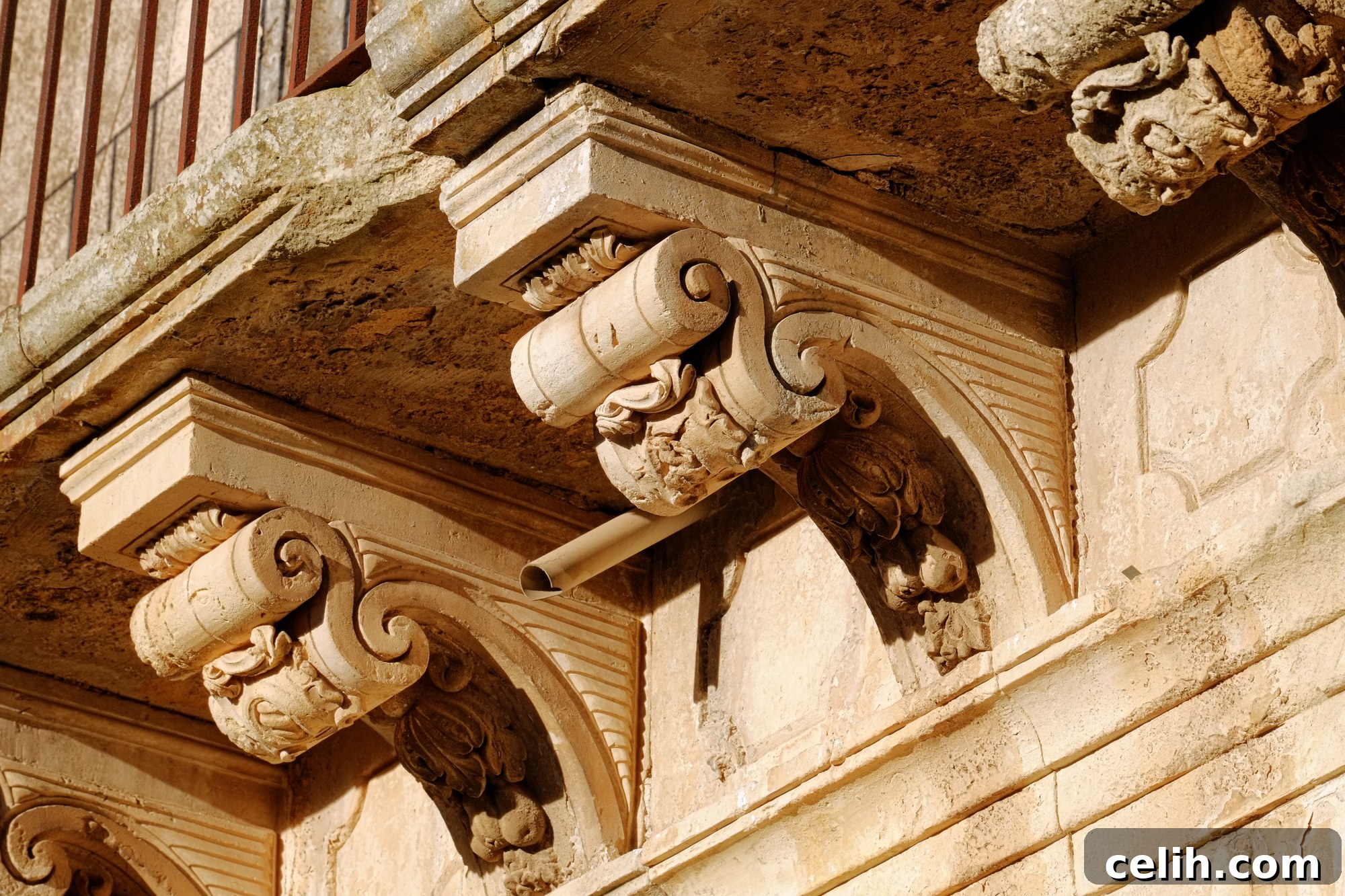
Stone casting and moulding are esteemed traditional techniques that have profoundly influenced the world of architectural design for centuries. These sophisticated methods involve the meticulous creation of detailed architectural elements, such as exquisite stone moulding, robust cast stone coping, and elegant stone window heads. By utilizing expertly crafted moulds and high-quality casting materials, primarily reconstituted or natural stone composites, these processes enable the faithful reproduction and innovative creation of stunning features that enhance both the aesthetic appeal and structural integrity of buildings. This comprehensive article will delve into the diverse advantages of stone casting and moulding, shedding light on their enduring importance in the construction of new architectural wonders and the sensitive restoration of historical edifices.
Stone Casting and Moulding: Timeless Techniques with Enduring Modern Relevance
The art of stone casting and moulding is far more than a mere construction process; it is a craft that beautifully intertwines historical reverence with contemporary ingenuity. For generations, these techniques have provided architects, designers, and conservators with unparalleled capabilities to achieve intricate detailing, ensure material authenticity, and create structures of lasting beauty. From the grandeur of ancient Roman architecture to the precise requirements of bespoke modern designs, the fundamental principles of manufacturing detailed stone elements through moulds have remained steadfast. They have gracefully adapted, however, to incorporate advanced materials and refined processes, ensuring their continued relevance. This enduring appeal underscores their vital significance in today’s architectural landscape, seamlessly bridging the gap between cherished historical aesthetics and the rigorous demands of modern building practices.
Understanding the Craft: What is Stone Casting and Moulding?
Before exploring the extensive benefits, it’s helpful to understand the core process of stone casting and moulding. At its heart, stone casting involves pouring a liquid or semi-liquid stone composite material into a meticulously crafted mould. This mould, typically made from flexible materials like rubber or silicone, or rigid ones such as fiberglass, is an exact inverse representation of the desired finished piece. The casting material itself is usually a carefully engineered blend of crushed natural stone aggregates (such as limestone, granite, or sandstone), high-quality cement, and other additives that enhance durability, workability, and aesthetic finish. Once poured, the material cures and hardens within the mould, faithfully replicating every curve, texture, and intricate detail. After the curing process, the finished cast stone piece is demoulded, revealing an element that possesses the authentic visual and tactile qualities, and often the superior durability, of natural quarried stone, but with enhanced consistency and design flexibility.
Key Advantages of Incorporating Stone Casting and Moulding in Architectural Design
1. Unmatched Fidelity and Precision in Replication
Perhaps the most celebrated advantage of stone casting and moulding is its extraordinary ability to produce exact replicas of architectural elements with unparalleled precision. This level of meticulous detail is critically important when dealing with intricate designs inherent in historical or highly ornate structures. Whether recreating the delicate profiles of a stone moulding, the precise angles and reveals of cast stone coping, or the elaborate carvings of stone window heads, these techniques capture every minute detail, ornate pattern, and fine contour. Such accuracy would be exceptionally challenging, if not virtually impossible, to consistently achieve through traditional hand-carving alone. For architects, designers, and restoration specialists, this means the assurance of impeccable historical accuracy and aesthetic continuity across any architectural project, ensuring that new or replacement elements perfectly match existing work, upholding the original design integrity.
2. Authentic Material Aesthetic and Tactile Experience
The authenticity of the material is a cornerstone benefit of stone casting and moulding. Unlike purely synthetic or imitation materials, cast stone elements are primarily composed of natural stone aggregates. This means that a cast stone moulding, a resilient cast stone coping, or a decorative stone window head not only visually mimics the appearance of natural quarried stone – be it the warm hues of limestone, the intricate grains of sandstone, or the classic elegance of marble – but also replicates its inherent texture, subtle color variations, and exceptional durability. This genuine aesthetic ensures that architectural features seamlessly integrate with or perfectly complement existing natural stone structures, thereby preserving or establishing the desired historical, regional, or specific architectural character. The tactile depth and visual richness provided by true stone composites are unmatched, contributing significantly to the overall grandeur, authenticity, and perceived value of a building.
3. Indispensable for Historical Restoration and Preservation Projects
In the critically important field of architectural preservation and restoration, stone casting and moulding prove to be truly indispensable tools. Historic buildings frequently endure significant deterioration, damage, or even the complete loss of original architectural components over time due to environmental factors, structural shifts, or unfortunate events. These techniques offer the definitive solution for recreating and replacing original stone moulding, cast stone coping, and stone window heads that have succumbed to the ravages of time. By precisely replicating these lost elements with meticulous attention to detail, architectural conservators can sensitively revive the historical integrity of a building, painstakingly restoring its original grandeur and preserving its invaluable heritage and profound cultural significance for future generations. This careful approach ensures the unbroken narrative of the building’s past.
4. Remarkable Versatility and Adaptability in Design
While frequently lauded for their faithful reproduction capabilities, stone casting and moulding techniques also offer extraordinary versatility and adaptability, making them ideal for new constructions and bespoke designs. Architects and designers can collaborate closely with skilled craftsmen to modify or customize existing designs, or even to create entirely new, unique elements tailored to the specific requirements of any project. This flexibility extends well beyond mere dimensional adjustments; it allows for the seamless integration of modern design philosophies with traditional aesthetics, altering profiles, adding unique decorative flourishes, or even adjusting the material composition to achieve specific finishes, textures, or enhanced structural properties. Whether it’s custom-tailoring stone window heads to fit non-standard openings or incorporating unique motifs into cast stone coping for a truly distinctive facade, the inherent flexibility of these methods allows for boundless creative expression while ensuring seamless integration with the overall architectural vision.
5. Cost-Effective Replication and Efficient Production
Creating intricate architectural elements such as detailed stone moulding, robust cast stone coping, or elaborate stone window heads from raw blocks of stone through traditional hand-carving methods is an exceptionally time-consuming, highly skilled, and therefore inherently expensive process. In stark contrast, stone casting and moulding offer a significantly more cost-effective solution for both replication and mass production. While there is an initial investment required to create a high-quality master mould, this one-time cost is rapidly offset by the efficiency with which numerous identical copies can be produced. Once the moulds are established and perfected, multiple architectural elements can be efficiently cast, dramatically reducing both the labor hours and material wastage compared to individual carving. This cost-efficiency is invaluable for large-scale architectural designs, comprehensive historic restoration projects that demand many identical components, and even smaller bespoke projects where budget constraints are a significant consideration.
6. Superior Consistency and Harmonious Design Uniformity
Achieving and meticulously maintaining perfect consistency in architectural design is a paramount concern for architects, developers, and homeowners alike. Stone casting and moulding techniques are renowned for their inherent ability to produce perfectly identical elements in terms of shape, exact size, consistent texture, and intricate detail, piece after meticulously crafted piece. This unwavering consistency is absolutely vital when integrating multiple, repetitive elements – such as extensive runs of matching stone moulding, numerous identical cast stone coping units along a parapet or wall, or a series of matching window surrounds – into a single cohesive design. It ensures that each component perfectly complements and aligns with the others, contributing to the overall architectural harmony, visual balance, and structural integrity of the entire building. This uniform quality is particularly noticeable and appreciated in large facades, symmetrical designs, or classical compositions where any deviation would be visually jarring.
7. Enhanced Durability and Exceptional Longevity
When properly formulated, manufactured, and cured, cast stone boasts exceptional durability that is often comparable to, and in some cases, can even exceed, the performance of many types of natural quarried stone. The controlled manufacturing environment allows for precise material composition and rigorous quality control, frequently resulting in a product that is highly resistant to the harshest effects of weathering, erosion, destructive freeze-thaw cycles, and general wear and tear over decades. This inherent longevity means that architectural elements produced through stone casting and moulding will stand the test of time, requiring minimal maintenance and offering decades of reliable structural performance and sustained aesthetic appeal. For long-term projects, heritage sites, and buildings exposed to challenging climates, this superior durability translates into significantly reduced future repair costs and enduring beauty.
8. Sustainable and Environmentally Conscious Building Options
Modern stone casting and moulding processes are increasingly incorporating sustainable practices, making them an attractive choice for environmentally conscious projects. By utilizing crushed aggregates derived from recycled stone, optimizing production to minimize waste, and often sourcing materials locally, these techniques can offer a more environmentally friendly alternative compared to the extensive quarrying and transportation of new large blocks of natural stone. The impressive longevity of cast stone components also contributes significantly to overall sustainability by reducing the frequency of replacement, thereby minimizing the associated environmental impact throughout a building’s lifecycle. Furthermore, the inherent ability to accurately replicate and repair, rather than completely demolish and rebuild, strongly supports broader preservation efforts, which are inherently sustainable by nature.
Diverse Applications Across the Architectural Spectrum
The inherent versatility and aesthetic appeal of stone casting and moulding ensure their wide-ranging application in a multitude of architectural contexts:
- Residential Buildings: From grand private residences requiring elaborate stone moulding, intricate window surrounds, and stately porticos, to modern homes seeking a touch of classic elegance with cast stone coping and entrance features.
- Commercial and Public Structures: Significantly enhancing the facades of corporate offices, public libraries, museums, universities, and retail complexes with durable, aesthetically superior architectural details that convey prestige, permanence, and civic pride.
- Historical and Heritage Sites: Absolutely crucial for the sensitive restoration and meticulous preservation of cathedrals, ancient monuments, listed buildings, and traditional homes, ensuring that period-accurate stone details are faithfully reproduced to maintain historical integrity.
- Landscaping and Garden Features: Extending beyond building facades to create beautiful and durable balustrades, elaborate fountains, bespoke garden ornaments, decorative wall coping stones, and impressive gate piers that exquisitely complement outdoor spaces and enhance curb appeal.
The Art of Craftsmanship: The Importance of Choosing the Right Partner
The ultimate success and longevity of any stone casting and moulding project are heavily reliant on the expertise of the craftsmen involved and the uncompromising quality of the materials utilized. Selecting a reputable manufacturer or highly skilled artisan ensures that your architectural elements benefit from precise mould making, expertly formulated material compositions, and meticulous finishing techniques. An experienced and dedicated team can provide invaluable advice on the most suitable stone type, desired finish, and optimal application methods for your specific design vision. This partnership guarantees that the final product not only meets but consistently exceeds expectations in terms of aesthetics, durability, historical accuracy, and overall project satisfaction.
Conclusion: The Enduring Legacy of Stone Casting and Moulding
The timeless art of stone casting and moulding continues to offer an invaluable and comprehensive suite of advantages for contemporary architectural design and essential historical restoration projects alike. Their unparalleled ability to faithfully replicate intricate details in stone moulding, robust cast stone coping, and elegant stone window heads, combined with the inherent authenticity of the material, solidifies their irreplaceable role in construction. Furthermore, their profound significance in preserving our architectural heritage, alongside the remarkable flexibility they offer for bespoke customisation and adaptation, and their demonstrable cost-effectiveness, ensures that these sophisticated techniques are not merely historical curiosities but vital, forward-looking tools for the future of building. Embracing stone casting and moulding allows us to build with the enduring beauty, structural integrity, and timeless permanence of stone, thereby elegantly connecting the past with the present and actively shaping the aesthetic landscapes of tomorrow.
Frequently Asked Questions (FAQs) about Stone Casting and Moulding
Why is faithful replication so important in stone casting and moulding?
Faithful replication is paramount because it guarantees that all intricate architectural details, precise patterns, and specific contours of elements like stone moulding, cast stone coping, and stone window heads are reproduced with exact accuracy. This ensures impeccable historical authenticity in restoration projects and consistent, high-quality aesthetic execution in new designs, preserving the original artistic intent and architectural integrity of a structure.
What makes natural stone components in these techniques superior?
The incorporation of natural stone aggregates in cast stone provides unparalleled authenticity in terms of visual appearance, tactile texture, natural color variations, and inherent durability. This allows the architectural elements to seamlessly match or perfectly complement existing natural stone structures, thereby maintaining their original historical or desired aesthetic character without compromise. It offers a genuine look and feel that synthetic materials cannot fully replicate.
How are stone casting and moulding vital for historical restoration and preservation?
These techniques are absolutely vital for historical restoration as they enable the exact recreation of deteriorated, damaged, or entirely lost architectural components. By accurately reproducing original stone moulding, cast stone coping, and stone window heads, conservators can meticulously restore a building’s historical integrity, preserving its invaluable heritage and profound cultural significance for future generations to appreciate.
Can stone casting and moulding designs be customized for specific projects?
Yes, absolutely. Stone casting and moulding offer significant flexibility for comprehensive customization. Architects and designers have the freedom to work closely with skilled artisans to modify existing designs or to create entirely new, bespoke elements. This adaptability allows for unique architectural expressions, precise dimensioning, and the seamless incorporation of specific decorative features that integrate perfectly with the overall design vision of any project.
Are these techniques genuinely cost-effective for architectural projects?
Yes, they are highly cost-effective, particularly for architectural projects that require multiple identical elements. While there is an initial investment in the creation of a high-quality master mould, this cost is quickly offset by the significantly reduced labor and material expenses for subsequent reproductions compared to time-consuming traditional hand-carving. This efficiency makes them an economical choice for both large-scale developments and detailed restoration work.
How do these techniques ensure design consistency in architecture?
Stone casting and moulding excel at producing perfectly identical elements in terms of shape, precise size, and intricate detail. This ensures absolute uniformity and unwavering consistency across all replicated components, which is critically essential for achieving architectural harmony and visual balance, especially when incorporating numerous elements like stone moulding or cast stone coping into a single cohesive design.
What is the typical durability of elements created through stone casting?
Elements produced through stone casting are engineered for exceptional durability and longevity. When properly manufactured and installed, cast stone exhibits high resistance to adverse weather conditions, including frost, heavy rain, and strong winds. Its controlled composition often imparts superior strength and resistance to erosion compared to some natural stones, ensuring decades of lasting beauty and structural integrity with minimal maintenance requirements.
Are there environmental benefits to using stone casting and moulding?
Yes, there are growing environmental benefits associated with these techniques. Modern cast stone often incorporates recycled stone aggregates and localized material sourcing, which helps to reduce the ecological footprint linked to quarrying and transportation. Furthermore, the inherent longevity of cast stone components contributes significantly to sustainability by minimizing the need for frequent replacements, thus conserving valuable resources and reducing waste over a building’s entire lifespan.