
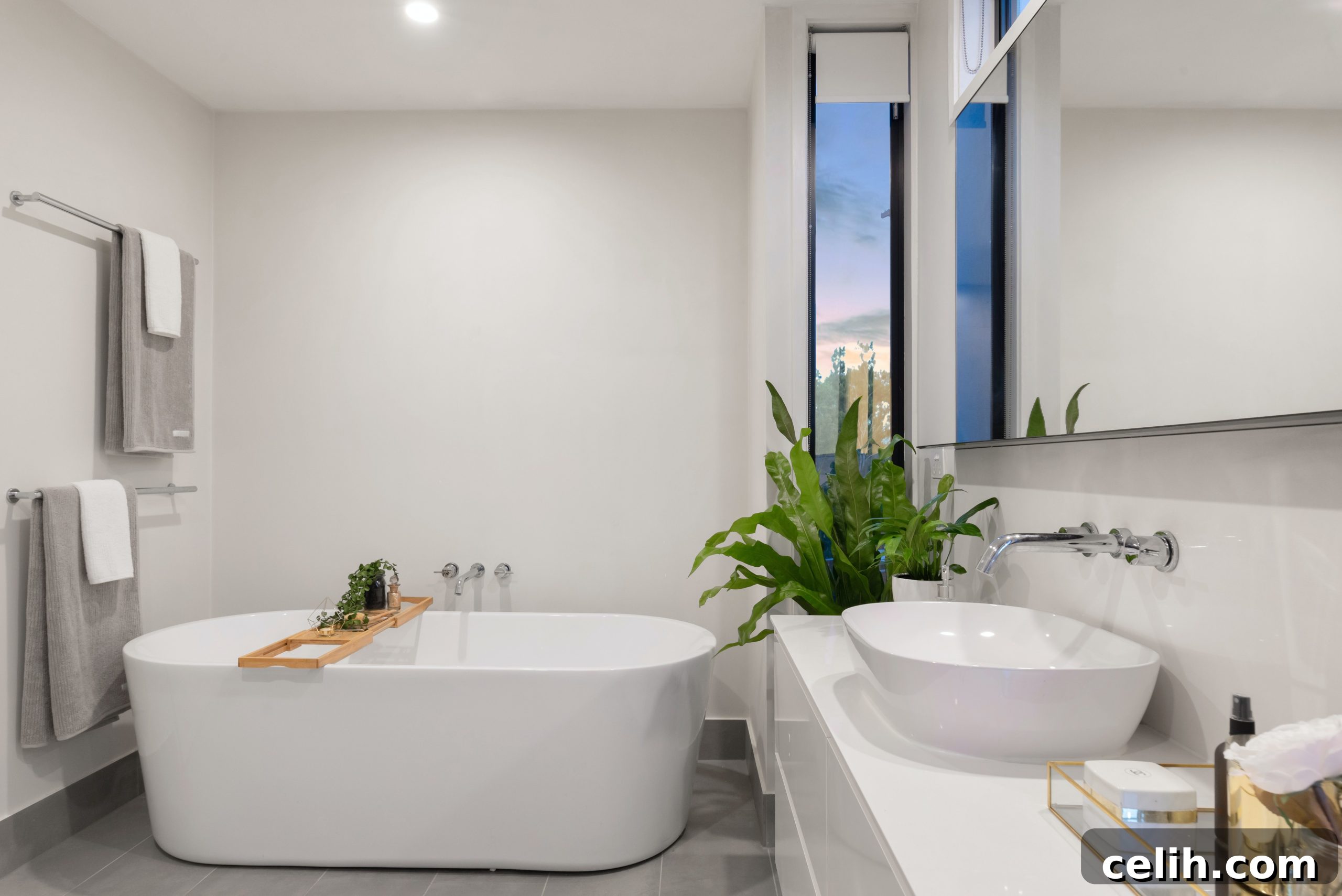
Embarking on a bathroom renovation project is an exciting journey that promises to transform one of the most vital spaces in your home. While the prospect of a refreshed, functional, and aesthetically pleasing bathroom is undoubtedly appealing, the process itself can be intricate, fraught with potential challenges, and unexpected costs if not approached with meticulous care. However, with thoughtful planning, strategic preparation, and adherence to expert advice, you can navigate your bathroom remodel smoothly and efficiently. This comprehensive guide will walk you through essential steps and considerations, ensuring your path to a dream bathroom is not only successful but also remarkably stress-free, culminating in a space you’ll cherish for years to come.
Create a Thorough and Detailed Plan
The cornerstone of any successful bathroom renovation is a comprehensive and meticulously detailed plan. Before lifting a single tool, you must clearly define the scope of your project. Are you envisioning a complete bathroom overhaul, involving structural modifications, moving walls, or significant plumbing and electrical work? Or are you aiming for simpler cosmetic updates, such as fresh paint, new fixtures, or surface enhancements designed to create a spa-like ambiance? Understanding this distinction early on will profoundly influence every subsequent decision, from budgeting to contractor selection.
Once the project’s scope is established, translate your vision into a practical, step-by-step roadmap. Break down the entire renovation into manageable phases, accounting for every minute detail. This includes initial design conceptualization, material selection, contractor hiring, securing necessary permits, ordering and receiving supplies, demolition, rough-in work (plumbing and electrical), installation of major fixtures, tiling, painting, and final touches. A detailed plan allows you to visualize the entire process, anticipate potential bottlenecks, and ensure a logical and efficient sequence of tasks. It’s far easier and more cost-effective to make adjustments on paper than halfway through physical construction, ensuring minimal disruption and maximum efficiency for your dream bathroom.
Thoroughly Vet and Select Reputable Contractors
The quality of your bathroom renovation hinges significantly on the expertise and reliability of the professionals you hire. Settling for the cheapest quote without proper due diligence can often lead to costly mistakes, delays, and unsatisfactory results. Instead, invest time in researching and vetting potential contractors to ensure they possess the necessary skills, experience, and integrity to execute your vision flawlessly. As the bathroom specialists at The Brighton Bathroom Company emphasize, “Whether you decide to opt for a simple bathroom fit, a design and supply service or a fully managed project, it’s worth doing some research to check you can trust your chosen company to provide the service you expect.”
Begin by seeking word-of-mouth recommendations from friends, family, or trusted neighbors who have recently completed similar renovation projects. Complement these personal referrals with extensive online research, checking reviews on platforms like Google, Yelp, or industry-specific sites. Look for consistent positive feedback highlighting contractors’ professionalism, quality of work, adherence to timelines, fair pricing, and excellent communication. Prioritize those with a strong portfolio showcasing their craftsmanship and a history of satisfied clients. Once you have a shortlist of three to five promising candidates, schedule in-person meetings to discuss your project in detail. During these consultations, ask about their licensing, insurance, typical project timelines, and their approach to problem-solving. A reputable contractor will be transparent, responsive, and provide comprehensive, itemized estimates.
Obtain All Relevant Permits Early
Securing the appropriate permits is not merely a recommendation; it’s a legal requirement for many renovation projects and a critical step in ensuring the safety and structural integrity of your home. Initiating the permit application process as early as possible is paramount to avoiding frustrating and costly delays once construction begins. The specific permits required will vary significantly based on the scope and nature of your renovation. Minor cosmetic updates, such as repainting walls, replacing existing fixtures, or superficial repairs, generally do not necessitate permits. However, any work involving structural changes, alterations to plumbing or electrical systems, moving walls, or expanding the bathroom’s footprint will almost certainly require full planning permission and specific trade permits.
Always consult your local council or building authority to ascertain the precise permit requirements for your particular project. While experienced contractors often assist with or handle the permit application process, leveraging their technical knowledge to ensure forms are filled out correctly, it’s crucial for you, as the homeowner, to remain actively involved. Maintaining open communication with your contractors and the permitting office will help prevent avoidable delays and complications, ensuring your project adheres to all local building codes and regulations. This proactive approach safeguards your investment, enhances safety, and protects your home’s resale value.
Establish a Realistic and Flexible Budget
One of the most common pitfalls in bathroom renovations is underestimating costs. Developing a realistic and well-thought-out budget is essential for financial stability throughout the project. Beyond accounting for obvious expenses like materials and labor, it is imperative to allocate a contingency fund, typically 10-15% of the total budget, for unforeseen costs. Unexpected issues, such as discovering mold behind walls, outdated plumbing, or structural damage, can emerge once demolition begins, and having this buffer prevents financial stress and project halts.
After defining your renovation scope and design specifications, gather multiple itemized estimates from your shortlisted contractors. Critically evaluate these bids; remember that the lowest bid isn’t always the best value. Ensure each estimate is comprehensive, clearly detailing labor, materials, and any potential sub-contractor costs. Compare these estimates against your own research on material and fixture costs to arrive at a robust total budget. Throughout the renovation, maintain diligent oversight of expenses, regularly comparing actual costs against your budget. This proactive financial management allows you to promptly address any potential budget creep, make informed decisions, and prevent the project from exceeding your financial comfort zone, ensuring your bathroom renovation remains a source of excitement, not financial strain.
Align Ideas with Existing Plumbing and Electrical Layout
While the allure of a completely reconfigured bathroom layout is strong, understanding the implications of altering existing plumbing and electrical systems is crucial for managing costs and timelines. Repositioning major fixtures like sinks, showers or baths, and toilets typically involves significant labor, extensive pipework adjustments, and potential structural modifications, all of which are time-consuming and expensive. If your desired design can be achieved by largely retaining the current plumbing layout, it can lead to substantial savings and a more streamlined renovation process.
Before finalizing your design, consult with your plumber and electrician to assess the feasibility and cost implications of any proposed changes. They can advise on the structural requirements, potential risks, and best practices for working with your home’s existing infrastructure. Minimizing changes to water supply lines and drain locations not only helps control your budget but also reduces the risk of future plumbing issues. If moving fixtures is non-negotiable for your dream design, ensure these changes are meticulously planned and executed by certified professionals to prevent costly damages and ensure long-term functionality and safety. Thoughtful consideration of your home’s existing utility framework will help achieve your aesthetic goals without unforeseen complications.
Strategically Choose Materials and Finishes
The selection of materials and finishes plays a pivotal role in both the aesthetics and durability of your renovated bathroom. Beyond personal style, consider the practical aspects of each choice: longevity, maintenance requirements, and overall cost-effectiveness. High-traffic areas like bathrooms demand materials that can withstand moisture, humidity, and daily wear and tear. For flooring, options like porcelain or ceramic tiles are excellent choices due to their water resistance and ease of cleaning, while natural stone offers luxurious appeal but may require more maintenance.
For countertops and vanity tops, engineered quartz, granite, or solid surface materials provide durability and aesthetic versatility. Evaluate different types of paint for walls, opting for moisture-resistant varieties that prevent mold and mildew growth. When selecting fixtures, such as faucets, showerheads, and hardware, prioritize quality and functionality over solely aesthetic appeal, as these items are used daily and contribute significantly to the bathroom’s overall performance. Don’t overlook the impact of lighting fixtures, mirrors, and storage solutions, as they contribute to both the functionality and ambiance. Making informed choices on materials ensures your bathroom not only looks stunning but also serves you reliably for years to come, offering lasting value and enjoyment.
Prioritize Optimal Lighting and Ventilation
Beyond aesthetics and major fixtures, strategic lighting and effective ventilation are paramount for a functional, comfortable, and healthy bathroom. A well-designed lighting scheme integrates multiple layers: ambient lighting for overall illumination, task lighting around the vanity for grooming, and accent lighting to highlight architectural features or decorative elements. Consider dimmers to adjust the mood and energy-efficient LED fixtures for longevity and cost savings. Natural light is also a huge asset; if possible, optimize windows or consider adding a skylight to brighten the space and create an open, airy feel.
Equally important is robust ventilation. Bathrooms are high-moisture environments, and without proper airflow, they become breeding grounds for mold, mildew, and unpleasant odors, which can damage surfaces and impact indoor air quality. Install an adequately sized exhaust fan, ensuring it’s vented directly to the exterior, not into an attic. Pay attention to the fan’s CFM (cubic feet per minute) rating to match the size of your bathroom effectively. A timer switch for the fan can ensure it runs long enough after showers to clear humidity. Investing in quality lighting and ventilation not only enhances comfort and usability but also protects your renovation investment by preserving the integrity of your materials and finishes against moisture-related damage.
Prepare the Space Meticulously in Advance
The smoother your bathroom upgrade runs, the quicker you’ll be able to enjoy your new space. A significant part of this efficiency comes from meticulous advance preparation. The very first step is to completely empty the room: remove all furnishings, accessories, personal items, decor, and storage units. Clear countertops, vanities, and any shelves. Next, identify and protect any fixtures or finishes you intend to keep, such as bathtubs, sinks, existing lighting fixtures, doors, or trim. Use painter’s tape, plastic sheeting, and drop cloths to shield these items from dust, debris, and potential damage during demolition and construction.
Crucially, before any work commences, ensure all necessary utilities are safely secured. Turn off water supply lines to the bathroom, switch off relevant power circuits at the main breaker, and clearly mark their locations for your contractors. This not only enhances safety for everyone involved but also allows the renovation team to commence work immediately upon arrival, without delays spent on preliminary preparations. While advance preparation and thorough cleanup might not be the most glamorous aspects of a renovation, the time and effort invested here will pay dividends, resulting in a much smoother, safer, and more efficient process, free from unwelcome surprises or damages. It’s an investment in a stress-free renovation journey.
Establish a Clear Timeline and Maintain Communication
A well-defined timeline, agreed upon by all parties, is crucial for managing expectations and keeping the renovation on track. Work with your contractor to create a realistic schedule that outlines the start and end dates for each phase of the project, including material delivery, demolition, rough-ins, installation, and finishing touches. While flexibility is important, having a schedule provides a framework for monitoring progress and identifying potential delays early.
Effective communication is the lifeblood of a successful renovation project. Establish regular check-ins with your contractor—daily, weekly, or as needed—to discuss progress, address any emerging issues, and make timely decisions. Be clear about your expectations and don’t hesitate to ask questions. Conversely, be responsive to your contractor’s needs for information or decisions, as delays on your part can impact the project’s timeline. Maintaining open, honest, and respectful communication ensures that everyone is on the same page, minimizing misunderstandings and fostering a collaborative environment that propels your bathroom renovation toward a successful and satisfying completion.
Conduct a Thorough Post-Renovation Inspection
Once the renovation work is complete, don’t rush to use your new bathroom. Instead, dedicate time to a thorough post-renovation inspection. Walk through the space with your contractor, examining every detail against your initial plan and specifications. Check for quality of workmanship, ensuring all fixtures are correctly installed and functioning, tiles are evenly laid, grout lines are consistent, and paintwork is flawless. Test all electrical outlets, lights, and switches. Run water through the sink, shower, and toilet to check for leaks and proper drainage. Open and close all cabinet doors and drawers to ensure smooth operation.
This final inspection is your opportunity to identify any snag list items – minor imperfections or issues that need correction before final payment is made. Document everything with photos and clear descriptions. A reputable contractor will be committed to resolving these items promptly. Additionally, collect all warranty information for materials and appliances, and ensure you have a clear understanding of any guarantees on the labor. This comprehensive final review guarantees that your newly renovated bathroom not only meets but exceeds your expectations, ready for you to enjoy its beauty and functionality for many years to come.
Upgrading a bathroom is a significant investment of both time and money, yet with diligent preparation, strategic planning, and continuous oversight, the process can be remarkably smooth and rewarding. By meticulously following the tips outlined in this guide – from creating a detailed plan and thoroughly vetting contractors to adhering to your budget and meticulously preparing the space – you can effectively minimize unnecessary headaches and prevent unwanted surprises. Embrace the journey with confidence, and soon you’ll be luxuriating in your beautifully transformed bathroom, a testament to thoughtful planning and smart execution.