
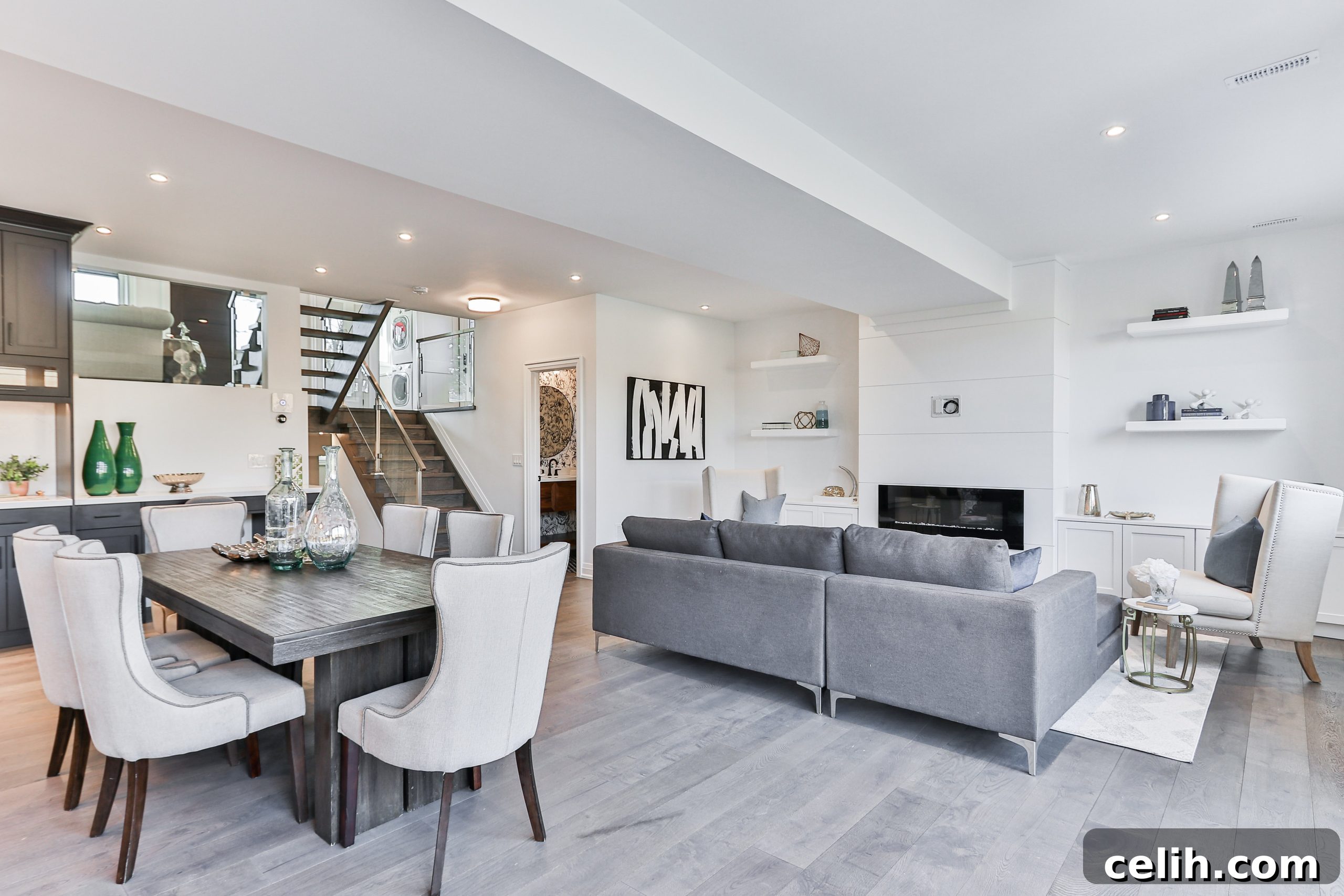
Texas, a state renowned for its expansive landscapes, rich history, and distinct cultural identity, also boasts a truly unique architectural panorama. Just as Texans have a one-of-a-kind approach to life, their homes reflect a diverse tapestry of styles, each telling a story of tradition, innovation, and adaptation to the local environment. From the sprawling comfort of a ranch house to the intricate charm of a Victorian mansion, the Lone Star State offers a fascinating array of residential architecture. This guide explores the twelve most popular home styles cherished by Texans, providing insights into their defining characteristics, historical significance, and enduring appeal.
Ranch Style Homes: The Quintessential Texas Dwelling
Perhaps no other architectural style embodies the spirit of Texas quite like the ranch home. Originating in the American West, particularly after World War II, ranch-style houses perfectly blend functionality with a relaxed aesthetic, making them a natural fit for the vast Texas landscape and its laid-back lifestyle. These homes are typically single-story, a practical design choice that eliminates the need for stairs, offering convenience and accessibility for all ages. Texas ranches often distinguish themselves from their national counterparts by their larger footprint, frequently featuring U-shaped or L-shaped layouts that gracefully spread across generous lots, maximizing outdoor living and privacy.
Key characteristics include long, low-pitched roofs, open-concept interiors that foster a sense of spaciousness, and a strong emphasis on indoor-outdoor living, often through large sliding glass doors leading to patios or expansive backyards. Materials typically include brick, stone, and wood, blending seamlessly with the natural surroundings. The adaptability of the ranch style has also led to various sub-styles, from the classic traditional ranch to more contemporary interpretations, ensuring its continued relevance and popularity across urban and rural Texas alike. Homebuyers seeking comfort, space, and a timeless connection to Texas heritage frequently gravitate towards the enduring appeal of a ranch-style home.
Southwest Style Homes: Echoes of the Desert Landscape
Drawing inspiration from the sun-drenched terrains of the American Southwest, this distinctive style is a beloved choice for many Texans, particularly in regions that share geographical and climatic similarities with Arizona and New Mexico. Southwest homes are immediately recognizable by their earthy color palettes, which beautifully reflect the natural desert hues. Stucco or adobe walls, often in warm tans, browns, and reds, are a hallmark, providing both insulation and an authentic aesthetic. Low-pitched or flat roofs, sometimes with parapets, are common, alongside the distinctive use of terracotta tiles that add texture and charm.
Beyond the exterior, Southwest architecture often features artistic details such as arched windows and doorways, exposed wooden beams (known as vigas), and occasionally, intricate ironwork. Interiors typically embrace natural materials, including Saltillo tile floors and rustic wood finishes, creating a warm, inviting atmosphere. The design prioritizes natural ventilation and shade, making it highly suitable for Texas’s hot climate. For Texans who appreciate a deep connection to the regional landscape and a home that exudes warmth and character, the Southwest style offers an inviting sanctuary.
Spanish Colonial Homes: A Legacy of Grandeur and Heritage
Deeply rooted in the historical and cultural tapestry of Texas, Spanish Colonial style homes are a testament to the state’s rich heritage, blending influences from Spanish, Mexican, and Native American architectural traditions. These homes evoke a sense of timeless elegance and historical significance. A fundamental aspect of Spanish Colonial design is its often symmetrical layout, creating a balanced and stately appearance. Exteriors commonly feature stucco walls, sometimes paired with brick or white clapboard accents, which provide a clean yet rustic aesthetic.
The iconic red tiled roof is a defining feature, adding a vibrant splash of color and a distinct Mediterranean-influenced charm. Other characteristic elements include ornate ironwork on windows and balconies, carved wooden doors, and charming front porches or inviting courtyards that serve as central gathering spaces. Arched windows and doorways are also prevalent, softening the architectural lines and enhancing the historical feel. Spanish Colonial homes offer Texans a tangible link to their past, providing a living space that is both grand and deeply connected to the state’s foundational history.
Tudor Style Homes: Old-World Charm in the Heart of Texas
While often associated with English countryside estates, Tudor-style homes found a significant foothold in Texas during the 1920s, bringing a distinctive old-world charm to many affluent neighborhoods. These homes stand out with their dramatic, steep-pitched roofs, often adorned with multiple gables and decorative half-timbering on the upper stories, creating a striking contrast against brick or stucco walls. The half-timbered walls, a direct nod to medieval European construction, imbue these residences with an undeniable sense of character and sophistication that Texans have long admired.
Other prominent features include tall, narrow windows, often with multi-paned glass or diamond patterns, and impressive, stylish chimneys that become focal points of the exterior. Many Tudor homes in Texas also incorporated large front porches, offering a welcoming space for relaxation and social interaction, perfectly suiting the Texan tradition of hospitality. These homes often feel like stepping into a storybook, providing a sense of grandeur and historical depth that appeals to those seeking a home with distinctive architectural detail and a touch of European elegance.
Contemporary Style Homes: Modern Living in the Lone Star State
While Texas deeply values its past, it is also a state constantly looking towards the future, and this forward-thinking mindset is brilliantly reflected in the popularity of contemporary-style homes. These residences are the epitome of up-to-the-minute architectural design, characterized by innovation, sleek aesthetics, and a deep understanding of modern living needs. Contemporary homes stand out with their clean lines, often asymmetrical facades, and a striking use of geometric shapes, creating a visually dynamic and sophisticated presence.
A defining feature is the prevalence of open floor plans, which promote seamless flow between living spaces and maximize natural light, creating bright and airy interiors. Large windows and glass walls are common, blurring the distinction between indoors and outdoors and offering abundant natural illumination and expansive views. Sustainable materials, energy efficiency, and smart home technology are frequently integrated, appealing to environmentally conscious homeowners. With generous outdoor spaces, often seamlessly connected to the interior, contemporary homes provide the perfect backdrop for a modern Texas lifestyle, especially popular in urban centers and growing suburbs like Central Meadowbrook, where innovation meets elegance.
Craftsman Style Homes: Artistry in Every Detail
The Craftsman style, a beloved architectural movement born from the Arts and Crafts philosophy, enjoys significant popularity across Texas and the entire United States. Emerging in the early 20th century as a rejection of mass-produced housing, Craftsman homes emphasize handcrafted quality, natural materials, and intricate detailing. These homes are designed to feel warm, inviting, and uniquely personal, reflecting a dedication to artistry and functionality.
Distinguishing features of a Craftsman home include low-pitched roofs with wide, overhanging eaves, often revealing exposed rafters that add character. Gabled roofs are common, sometimes with decorative knee braces. The exterior frequently incorporates a mix of materials such as brick, stone, and various wood sidings. Wide, inviting front porches supported by tapered square columns are a signature element, encouraging outdoor relaxation and neighborly interaction. Inside, built-in cabinetry, shelving, and seating are typical, maximizing space and creating a bespoke feel. Hardwood floors, natural wood trim, and a warm color palette further enhance the cozy, artisanal ambiance, making Craftsman homes a cherished choice for Texans who value quality, durability, and a home filled with distinctive character.
Mediterranean Style Homes: Coastal Elegance in the Heart of Texas
Bringing a touch of European coastal charm to the Texas landscape, Mediterranean-style homes offer a distinct ambiance of luxury and relaxation. Inspired by the sun-drenched villas of Spain, Italy, and Greece, these homes are particularly well-suited to the warm Texas climate. A central feature of many Mediterranean homes is a private courtyard, providing an intimate outdoor oasis that connects indoor and outdoor living spaces seamlessly. The addition of a sparkling swimming pool further enhances the coastal resort effect, making these homes ideal for entertaining and unwinding.
Visually, Mediterranean homes are characterized by their stucco exteriors, often in warm, light colors, and the ubiquitous red tile roofs that evoke classic European architecture. Heavy, ornate wooden doors, sometimes featuring intricate carvings or iron accents, provide a grand entrance. Architectural details such as Roman-style columns, graceful archways, and elegant pergolas contribute to a sophisticated and luxurious aesthetic. Wrought iron balconies, fountains, and lush landscaping often complete the picturesque scene. For Texans dreaming of an escape to a beautiful European villa without leaving home, the Mediterranean style offers a perfect blend of elegance, comfort, and a perpetually vacation-like atmosphere.
Mid-Century Modern Homes: A Glimpse into the Future of the Past
Among the diverse architectural styles found in Texas, Mid-Century Modern stands out as a fascinating and enduring choice. This style, which flourished roughly from the 1940s to the 1960s, represents a specific moment in design history when architects embraced new technologies and philosophies to create homes that felt forward-thinking and optimistic. The word ‘modern’ in this context refers to the innovations and design principles that were cutting-edge during that era, emphasizing a blend of functionality, clean aesthetics, and a connection to the natural environment.
Mid-Century Modern homes are characterized by their sleek, often low-slung profiles, flat or low-pitched roofs, and a striking use of geometric shapes. Clean lines, a hallmark of the style, contribute to an uncluttered and sophisticated look. Large windows, frequently floor-to-ceiling, are crucial for integrating the indoor and outdoor spaces, allowing ample natural light and offering expansive views. Open floor plans are fundamental, creating fluid living areas that were revolutionary for their time. Materials such as steel, glass, and wood are commonly employed, often exposed to highlight their natural beauty. For Texans who appreciate timeless design, architectural innovation, and a distinct “futuristic” aesthetic that remains relevant today, Mid-Century Modern homes offer an iconic living experience.
Farmhouse Style Homes: Rustic Comfort and Timeless Appeal
The farmhouse aesthetic has been a cornerstone of Texas home design since the state’s earliest days, embodying a sense of practicality, warmth, and enduring charm. This beloved style evokes images of simpler times and comfortable rural living, yet it has evolved beautifully to meet contemporary needs. Traditional farmhouse homes are characterized by their simple, utilitarian structures, often featuring gabled roofs and functional layouts designed for family life. One of the most cherished features is the large, welcoming porch, often wrapping around the front and sides of the house, providing an ideal spot for enjoying the Texas weather and fostering community.
Interiors typically embrace natural materials, with plank floors, exposed wood beams, and barn-style doors adding to their distinctive personality. A focus on comfort, functionality, and unpretentious beauty defines the farmhouse style. While retaining its rustic roots, the modern farmhouse has seen a resurgence in popularity, often incorporating elements like shiplap walls, open shelving, and neutral color palettes, creating a fresh yet cozy atmosphere. Whether traditional or contemporary, farmhouse homes resonate deeply with Texans seeking a blend of classic appeal, spaciousness, and a home that truly feels like a retreat.
Log Homes: A Rustic Retreat in the Texas Wilderness
Once considered a niche choice, log homes have seen a significant rise in popularity across Texas, appealing to homeowners who desire a strong connection to nature and a distinctive, rustic aesthetic. These unique dwellings, built primarily from natural wood logs, offer a sense of warmth, security, and comfort that few other styles can replicate. The rich, earthy hues of the exposed wood walls, floors, and ceilings create an inviting and cozy interior ambiance, making every space feel like a welcoming lodge.
Beyond their rustic charm, modern log homes can be surprisingly versatile in design. While many opt for a traditional cabin aesthetic, contemporary log homes integrate sleek lines, large windows, and open floor plans, blending rustic elements with modern architectural sensibilities. The natural thermal mass of logs also contributes to energy efficiency, keeping homes cooler in summer and warmer in winter, a practical benefit in the Texas climate. Durable and robust, log homes offer a unique living experience, ideal for those seeking a tranquil retreat, a vacation property, or a primary residence that stands out with its authentic, organic character and a deep connection to the environment.
Victorian Style Homes: Ornate Beauty and Fairytale Charm
Victorian homes, with their intricate designs and fairytale-like appearances, have enchanted homeowners across the United States since their widespread emergence in the late 1800s. In Texas, these highly ornamented residences stand as proud testaments to an era of elaborate craftsmanship and romantic aesthetics. Texans who appreciate historical grandeur and architectural flair often fall in love with the whimsical charm of a Victorian-style home.
The defining characteristics of Victorian architecture are its complex, asymmetrical forms and rich ornamentation. Designs frequently feature fanciful elements such as towers, turrets, and large bay windows that jut out, providing panoramic views and enhancing the home’s visual interest. Steep Mansard roofs, often adorned with decorative gables, finials, and intricate facades, contribute to the dramatic silhouette. Delicate “gingerbread” trim, ornate railings, and vibrant exterior paint schemes (historically, though modern interpretations may use subtler palettes) further enhance their unique appeal. Generously sized front porches, often embellished with decorative spindles and balustrades, invite residents and guests to relax and soak in the ornate beauty. Victorian homes offer a distinctive blend of historical elegance and whimsical charm, making them a cherished part of Texas’s architectural legacy, particularly in its older, established communities.
Prairie Style Homes: Horizontal Harmony and Natural Integration
The Prairie style, an architectural movement pioneered by Frank Lloyd Wright and his contemporaries, emerged in the late 19th and early 20th centuries as a uniquely American response to the expansive Midwestern landscape. Its principles of natural integration and horizontal emphasis have found a resonant audience in Texas, where broad horizons and a connection to the land are deeply valued. While sharing some philosophical commonalities with the Craftsman style, such as an appreciation for natural materials and craftsmanship, Prairie homes typically feature a more restrained approach to ornamentation, prioritizing clean lines and understated elegance.
The defining characteristic of Prairie style is its strong emphasis on horizontal lines, achieved through low-pitched roofs with broad, overhanging eaves, continuous bands of windows, and a sprawling layout designed to blend seamlessly with the surrounding environment. Large windows, often divided with simple woodwork, are strategically placed to maximize natural light and offer panoramic views, further connecting the interior with the outdoors. Open floor plans are fundamental, creating a sense of spaciousness and fluidity throughout the home. Prominent brick chimneys often serve as central anchors, contributing to the style’s distinctive symmetry and grounding presence. For Texans who seek a home that celebrates the vastness of the landscape, prioritizes spaciousness, and embodies a sophisticated, earth-bound aesthetic, the Prairie style offers a truly harmonious living experience.
Choosing a home in Texas is more than just selecting a structure; it’s about embracing a lifestyle and finding a space that truly reflects your personal aspirations and the unique spirit of the state. By exploring these twelve popular architectural styles, prospective homeowners can gain a deeper understanding of the diverse options available, each offering its own blend of history, aesthetic appeal, and functional advantages. Whether you’re drawn to the classic comfort of a ranch, the rustic charm of a farmhouse, or the modern elegance of a contemporary design, understanding these prevalent styles empowers you to make an informed decision.
Ultimately, selecting a popular home style not only ensures you find a residence that brings long-term happiness and satisfaction but also offers practical benefits. Homes in well-loved architectural styles tend to maintain their value and appeal over time, making them a sound investment should you decide to sell in the future. Embark on your journey to discover the perfect Texas home, confident in the knowledge that you’re choosing a style that harmonizes with your family’s needs and the enduring beauty of the Lone Star State.