
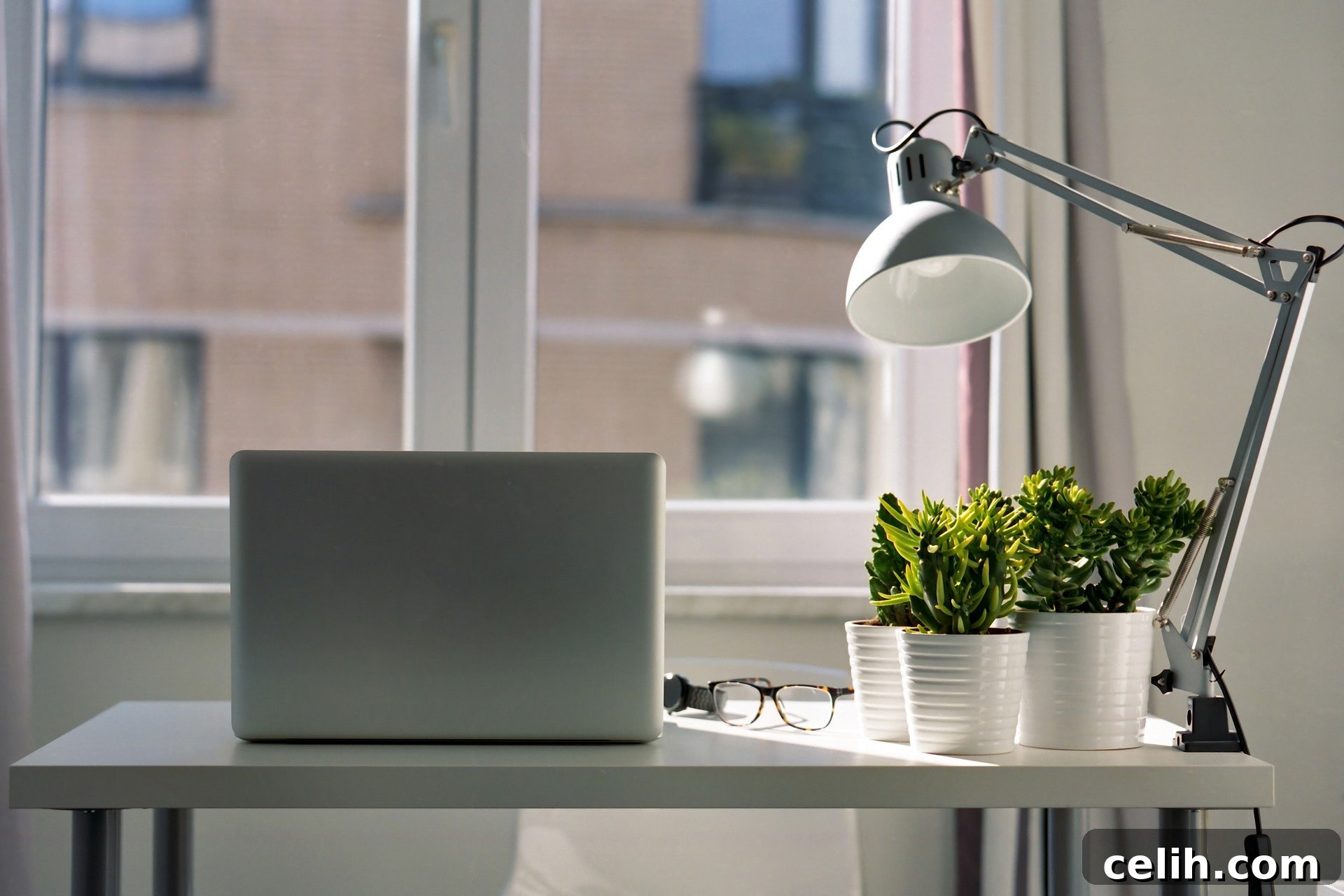
Whether you’re embracing the flexibility of remote work full-time, tackling occasional tasks from home, or simply seeking a dedicated sanctuary for personal administration and uninterrupted online browsing, a well-designed home office has become an indispensable feature for many modern homeowners. Far beyond a mere desk and chair, a thoughtfully curated home office can significantly boost productivity, enhance comfort, and even contribute to a better work-life balance. Regardless of your reasons for needing one or the hours you spend within its walls, this space demands careful consideration regarding its functionality, aesthetics, and overall design. If you’re embarking on the journey of setting up or revamping your home office and need guidance on creating a space that not only meets your needs but also inspires peak productivity, this comprehensive guide is for you.
Strategic Location for Your Home Office
The primary driver behind establishing a home office is often the need for a dedicated workspace for daily professional activities. With the rapid evolution of remote work policies and a surge in entrepreneurship, working from home has transformed from a niche concept into a widespread norm. This shift underscores the critical importance of a carefully chosen and optimized home office location, which directly impacts focus and overall efficiency.
In some homes, the choice of location might be predetermined by the availability of a single spare room. However, if you’re fortunate enough to have multiple options, a thoughtful evaluation of potential spaces is paramount. The ideal spot should be in a quiet area, minimizing distractions from household activities. Crucially, it should offer the ability to close a door, providing essential privacy and creating a mental boundary between work and home life. Avoid high-traffic zones or passageways, as constant interruptions can severely hinder concentration. The chosen area must also be adequately sized to comfortably accommodate your desk, chair, and all necessary equipment without feeling cramped or claustrophobic.
Beyond internal rooms, consider the transformative potential of an outdoor workspace. A garden office, whether a converted shed or a purpose-built structure, offers distinct advantages. It provides a complete separation from the main house, fostering an environment free from domestic interruptions and offering a clear psychological distinction between your personal and professional spheres. When planning an outdoor office, ensure it is properly insulated and weatherproofed for year-round comfort. Investing in high-quality new cladding for the roof and walls, alongside efficient heating and cooling systems, is vital to create a comfortable and sustainable workspace regardless of the season. Factors like robust Wi-Fi connectivity and easy access to power should also be meticulously planned for a seamless working experience.
Ergonomics and Comfort: Investing in Your Well-being
While aesthetics are important, the foundation of a truly productive home office lies in its ergonomic design. Spending hours at a desk demands furniture that supports your body, prevents strain, and promotes good posture. Neglecting ergonomics can lead to discomfort, fatigue, and even chronic health issues, ultimately impacting your work quality and overall well-being. Prioritizing comfort is not a luxury; it’s an essential investment in your long-term health and productivity.
Start with your office chair. This is arguably the most critical piece of furniture. An ergonomic chair should offer adjustable height, lumbar support, armrests, and a swivel base. The goal is to maintain a natural spinal curve, with your feet flat on the floor (or a footrest) and your knees at a 90-degree angle. Next, evaluate your desk. It should be at a height that allows your forearms to be parallel to the floor when typing, with your shoulders relaxed. Adjustable height desks, whether standing or sit-stand, offer the flexibility to change positions throughout the day, which can significantly reduce sedentary behavior and boost energy levels.
Monitor placement is another key ergonomic consideration. Your screen should be positioned directly in front of you, about an arm’s length away, with the top of the screen at or slightly below eye level. This prevents neck strain and promotes a neutral head position. If you use a laptop, consider a stand to raise the screen to the correct height, and use an external keyboard and mouse to maintain proper wrist and arm alignment. Finally, ensure easy access to frequently used items to avoid unnecessary reaching and twisting. A well-organized, ergonomic setup creates a supportive environment that allows you to focus solely on your tasks, enhancing both comfort and efficiency throughout your workday.
Illuminating Your Workspace: The Power of Light
Proper lighting is often an overlooked aspect of home office design, yet it profoundly influences your mood, energy levels, and eye health. A dimly lit space can lead to eye strain and fatigue, while excessively bright or poorly placed lights can cause glare and headaches. The goal is to create a well-balanced lighting scheme that supports visual comfort and task performance throughout the day.
Maximize natural light whenever possible. Position your desk near a window to take advantage of daylight, which is known to improve mood, reduce eye strain, and regulate your circadian rhythm. However, be mindful of glare; direct sunlight on your screen can be problematic. Use blinds, shades, or curtains to control the intensity and direction of natural light. If your office lacks ample natural light, or for evening work, a layered lighting approach is essential.
Incorporate task lighting, such as an adjustable desk lamp, to illuminate your immediate workspace without relying on harsh overhead lights. This focused light is crucial for reading, writing, and detailed tasks. Choose a lamp with a dimmer or adjustable color temperature to suit different activities and times of day. Complement task lighting with ambient lighting, which provides general illumination for the entire room. This could be ceiling fixtures, floor lamps, or wall sconces. Avoid relying solely on a single overhead light, as it can create shadows and an uninviting atmosphere. By thoughtfully combining natural, task, and ambient lighting, you can create a bright, inviting, and visually comfortable home office environment that promotes focus and reduces fatigue.
Harnessing Color Psychology for Productivity
The colors surrounding you in your home office can profoundly impact your mood, concentration, and creativity. When researching optimal office colors, you’ll encounter a spectrum of opinions. Some advocates lean towards natural, neutral palettes, emphasizing their calming and soothing qualities, which are believed to foster a serene working environment. Others champion vibrant hues, asserting that bright colors can stimulate creativity and enhance cognitive function.
In practice, the most effective strategy often involves a harmonious blend of both approaches. Consider painting the walls and choosing flooring in neutral tones like soft greys, gentle beiges, or muted greens. These provide a tranquil backdrop that promotes focus without overstimulation. Against this calm canvas, introduce splashes of brighter colors through accent pieces such as artwork, decorative objects, furniture, rugs, curtains, or cushions. For instance, blues can evoke feelings of stability and productivity, ideal for analytical tasks. Greens are associated with nature, promoting balance and reducing eye fatigue. Yellows can inspire optimism and creativity, while subtle reds might add a touch of energy without being overwhelming. This flexible approach allows you to experiment with different color accents and observe their impact on your workflow. If a particular bright shade proves too distracting, it’s easy to swap out a cushion or piece of art without undertaking a major redecoration project. This method ensures your office remains fresh, adaptable, and perfectly aligned with your evolving needs, allowing for personalization that truly supports your unique working style.
Smart Storage Solutions for a Clutter-Free Zone
A beautifully designed home office can quickly lose its appeal and functionality if it lacks adequate storage. What might initially appear as a spacious and organized area can rapidly become overwhelmed by papers, equipment, and miscellaneous items. This is particularly true if your office occupies a corner of a larger room rather than a dedicated space. Clutter not only creates an unsightly environment but can also lead to lost items, increased stress, and a significant drop in productivity, as a disorganized space often translates to a disorganized mind.
This is why prioritizing storage solutions is paramount, regardless of the size of your home office. Even in the most compact spaces, ingenious storage strategies can make a dramatic difference. Think vertically: wall-mounted shelving, tall bookcases, and floating shelves can utilize vertical space efficiently, keeping your desk clear and maximizing floor area. Closed storage, such as drawers, cabinets, and filing units, is excellent for keeping sensitive documents or less aesthetically pleasing items out of sight, promoting a clean and minimalist look.
Consider multi-functional furniture, like an ottoman with hidden storage or a desk with integrated drawers. Baskets, decorative boxes, and magazine files can also help organize smaller items and add a touch of style. For digital files, a robust cloud storage system or external hard drive strategy is just as crucial as physical storage, preventing digital clutter. Regularly decluttering and establishing a “home” for every item will ensure your office remains a serene and efficient environment, allowing you to focus on your work without the constant distraction of mess. A clutter-free space fosters a clear mind, leading to enhanced focus and greater output.
Integrating Technology for Seamless Workflow
In today’s digital age, a home office is only as efficient as its technological backbone. Seamless connectivity and reliable equipment are non-negotiable for a productive workflow. Start with your internet connection. A strong, stable Wi-Fi signal is crucial for video calls, cloud-based applications, and data transfer. Consider a Wi-Fi extender or a wired Ethernet connection for mission-critical devices if your signal is weak. Investing in a quality router can also make a significant difference.
Beyond connectivity, ensure you have all the essential equipment. A dependable computer (desktop or laptop), an external monitor (or dual monitors for enhanced multitasking), a quality webcam and microphone for virtual meetings, and a reliable printer/scanner are often fundamental. Think about your specific professional needs: do you require specialized software, a graphics tablet, or a powerful external hard drive for large files? Planning for these from the outset will prevent future bottlenecks.
Cable management is another critical, yet often overlooked, aspect of a tech-friendly office. Tangled wires are not only unsightly but can also pose a tripping hazard and make cleaning difficult. Utilize cable ties, cable management boxes, and adhesive clips to keep wires tidy and out of sight. Ensure you have an ample supply of power outlets, preferably with surge protectors, to safeguard your electronics. A well-thought-out technological setup minimizes frustration, optimizes performance, and allows you to work without interruptions, truly empowering your home office for maximum efficiency.
Personal Touches and Maintaining Your Sanctuary
While functionality and ergonomics form the backbone of a great home office, it’s the personal touches that transform it into a truly inspiring and comfortable sanctuary. This space should reflect your personality and motivate you, rather than feel sterile or purely utilitarian. Incorporating elements that bring you joy or calm can significantly enhance your working experience and boost your overall well-being.
Consider bringing in plants. Not only do they add a touch of nature and vibrancy, but many studies suggest that indoor plants can improve air quality, reduce stress, and even increase focus. Choose low-maintenance options if you’re not an experienced gardener. Personal artwork, photographs, or inspiring quotes can also infuse the room with character and serve as visual affirmations. However, avoid excessive clutter; a few carefully chosen pieces are more impactful than a multitude of items that create visual noise.
Finally, establish routines that help maintain your office as a productive haven. This includes a regular decluttering schedule, but also defining clear boundaries between work and personal life within the home. When your workday ends, try to close the door, put away work items, and mentally “leave” the office. This practice reinforces the distinction between roles and allows you to fully disengage. Your home office should be a space that you look forward to entering each day, a place where you can thrive professionally while feeling completely at ease personally.
Discover more ideas on how to set up your home office for increased focus and how to style your home office.