
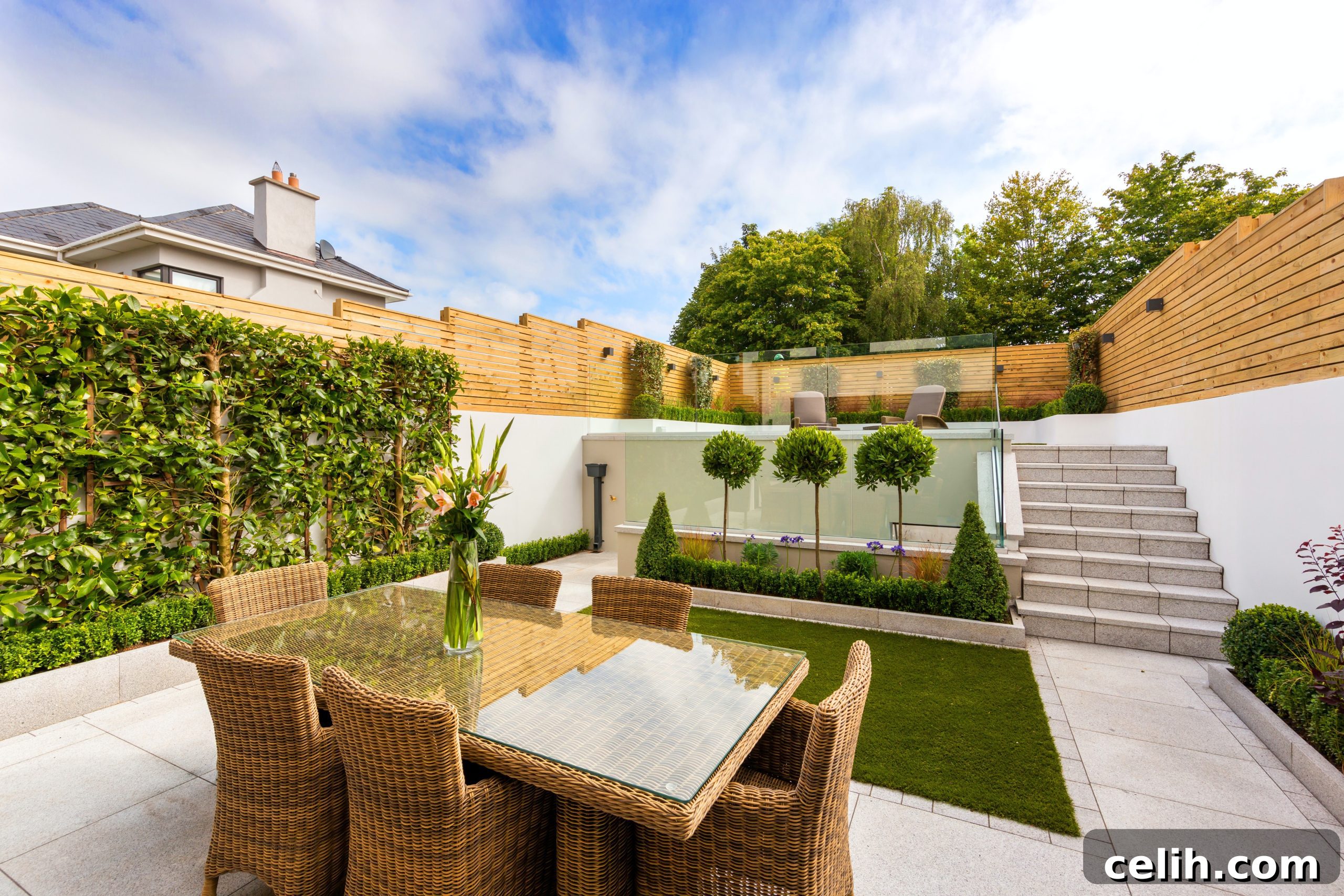
In the realm of home aesthetics, the garden transcends its traditional role as a mere patch of land, evolving into a vibrant extension of the interior design. It serves as a verdant canvas where homeowners can artfully express their creativity, personal style, and vision for outdoor living. Modern garden design embodies a dynamic blend of the traditional and the contemporary, meticulously crafting a harmonious fusion of natural beauty and architectural precision. The ultimate goal is to cultivate a space that not only significantly enhances the visual appeal and curb appeal of your home but also functions as a serene, tranquil retreat, offering a much-needed sanctuary from the relentless hustle and bustle of daily life. A prominent and increasingly popular trend in modern gardens is the thoughtful incorporation of diverse plant collections, including versatile and evergreen hedging plants, which are instrumental in adding essential structure, vibrant colour, dynamic texture, and year-round interest to the landscape. This article will delve into the core principles of creating an aesthetically pleasing and functional garden space, guiding you through the process of designing your dream outdoor sanctuary.
Mastering the Principles of Garden Aesthetics
The successful aesthetics of any garden are inherently guided by a few foundational principles: balance, contrast, harmony, and unity. Understanding and applying these concepts are crucial for developing a visually appealing and emotionally resonant outdoor space. Balance is paramount; it ensures that the garden doesn’t feel disproportionately heavy or sparse on one side. This doesn’t necessarily dictate a rigid symmetrical design, where elements are mirrored precisely. In fact, asymmetrical balance, achieved by counterbalancing a larger, prominent feature on one side with several smaller, equally compelling elements on the other, can often be just as, if not more, visually dynamic and pleasing to the eye. For example, a majestic mature tree on one side could be balanced by a grouping of varied shrubs and an interesting sculpture on the opposite side, creating an intriguing visual equilibrium.
Contrast, on the other hand, is the vital ingredient that prevents monotony and injects interest into your garden design. This can be skilfully achieved through a myriad of elements: contrasting colours (e.g., vibrant reds against soothing greens), varied textures (e.g., the fine foliage of ferns juxtaposed with the broad leaves of hostas), different plant sizes and forms (e.g., tall, slender evergreens beside low, mounding groundcovers), or even the interplay between hardscaping materials and soft, organic plant forms. By thoughtfully employing contrast, you can create focal points and guide the eye through the garden, revealing new delights at every turn. It’s about creating a dialogue between disparate elements that ultimately enhance each other’s unique qualities.
Harmony is perhaps the most crucial principle, as it weaves all the individual elements into a coherent and cohesive narrative. It’s about cultivating a profound sense of unity where every component of the garden, from the smallest delicate flower to the grandest imposing tree, feels like an integral part of a meticulously orchestrated whole. This can be achieved through consistent use of certain materials, repeating specific plant forms, or adhering to a defined colour palette throughout the space. When harmony is achieved, the garden feels calm, inviting, and effortlessly beautiful. If you find yourself uncertain about how to achieve this cohesive design or simply desire a professional touch to elevate your outdoor space, consulting a reputable landscape design company can provide invaluable expertise and precision, helping you transform your initial vision into a stunning, tangible reality.
The Indispensable Role of Plants in Garden Design
Plants are unequivocally the heart and soul of any successful garden design. They are the living entities that infuse life, vibrant colour, and intriguing texture into the outdoor space, instilling a profound sense of natural beauty and pervasive tranquillity. Far from being mere decorative elements, different types of plants fulfil distinct and essential roles within the garden’s ecosystem and aesthetic framework. For instance, strategically placed trees provide much-needed shade, define overhead structure, and create a sense of scale and permanence. Flowering plants, with their myriad of hues and forms, add dynamic splashes of colour and captivating visual interest, often changing with the seasons and attracting beneficial wildlife like bees and butterflies. They can soften hard architectural lines and create focal points that draw the eye.
Among the vast array of plant options, a well-chosen collection of Laurel hedging plants from reputable providers like Hedging UK stands out for its exceptional versatility and enduring value. Laurel hedging is invaluable for creating dense, evergreen screens that offer year-round privacy, effectively blocking unsightly views and shielding your garden from prying eyes. Beyond privacy, these robust plants serve as excellent windbreaks, protecting more delicate plantings and creating sheltered microclimates within your garden. They can also be meticulously shaped and maintained to form elegant living green walls, adding sophisticated structure and a profound sense of permanence to the garden layout. The evergreen nature of Laurel ensures continuous visual interest, even during the colder months when many other plants have receded. Their dense foliage also provides valuable habitat and shelter for various birds and small animals, contributing to the biodiversity of your outdoor sanctuary.
The key to a truly magnificent garden lies in carefully selecting a diverse variety of plants that not only complement each other in terms of form, texture, and colour but also collectively contribute to the overarching aesthetic and functional goals of the garden. Consider a mix of deciduous and evergreen plants to ensure year-round interest. Incorporate plants with different growth habits – upright, spreading, weeping – to add visual complexity. Think about native plants that thrive in your local climate and require less maintenance, supporting local ecosystems. The interplay of plant choices is what creates depth, character, and an evolving narrative in your garden, transforming it into a vibrant, living work of art that reflects your personal taste and environmental considerations.
The Art of Arranging Plants for Impact
Arranging plants within your garden beds and borders is much akin to composing a meticulously crafted piece of art; it demands a keen eye for subtle detail, an intuitive sense of balance, and a comprehensive understanding of how individual elements coalesce to forge a harmonious and captivating whole. Begin this creative process by meticulously considering the intrinsic characteristics of your chosen plants: their mature size, their distinctive shape (e.g., upright, spreading, mounding, weeping), and their unique colour palette (foliage, flowers, bark). Larger, more commanding plants are naturally suited to serve as prominent focal points, drawing the eye and anchoring specific areas of the garden, while smaller, more delicate specimens can expertly fill in the gaps, adding intricate detail and providing crucial visual interest at ground level.
Beyond their aesthetic contributions, it is imperative to thoroughly consider the specific growth habits and individual care requirements of your plants. This foresight is critical for their long-term health and the overall success of your design. Some plants will vigorously thrive in abundant direct sunlight, while others prefer the filtered embrace of partial shade or the deep calm of full shade. Similarly, water requirements can vary dramatically, with certain species preferring consistently moist soil and others flourishing in drier conditions. These fundamental needs must be meticulously factored into your placement decisions to ensure each plant receives its optimal growing environment. Grouping plants with similar light and water requirements together not only makes maintenance more efficient but also reduces plant stress and promotes healthier growth. Consider the layering technique, placing taller plants at the back, medium-sized shrubs and perennials in the middle, and smaller plants or groundcovers at the front, to create depth and allow every plant to be seen and appreciated.
Furthermore, never overlook the perspective from inside your home. The garden should be a beautiful extension of your indoor living spaces, visible and enjoyable through windows and doors. Thoughtfully positioned hedging plants, for example, can provide a lush, vibrant green backdrop that beautifully frames the view from your living room window, changing with the seasons and offering a constant connection to nature. Strategic placement can also enhance privacy for indoor spaces, blocking views from neighbours while maintaining an open, airy feel within your garden. Incorporating elements that draw the eye from within, such as a striking sculpture or a vibrant cluster of flowers, can seamlessly integrate your indoor and outdoor environments, making your entire property feel more expansive and thoughtfully designed. The art of arrangement is not just about what looks good from a single vantage point, but how it contributes to the entire living experience.
Empowering You to Create Your Own Garden Design
Now that you are thoroughly equipped with a comprehensive understanding of garden aesthetics and foundational design principles, it’s an exhilarating moment to translate this knowledge into practical action and begin crafting your own unique outdoor sanctuary. The initial step in this exciting journey is to meticulously assess your existing space. Consider its fundamental characteristics: the overall size and shape of the area, the amount and duration of direct sunlight it receives throughout the day (morning, afternoon, full sun, partial shade), prevailing wind patterns, the current condition of the soil, and any existing plants or permanent structures that need to be integrated or removed. This thorough site analysis forms the bedrock of a successful design, informing all subsequent decisions.
Following your assessment, the next phase involves the thoughtful planning of your garden design. Begin by envisioning the primary functions you want your garden to serve: a serene meditation spot, an vibrant entertaining area, a safe play zone for children, a productive vegetable patch, or perhaps a combination of these elements. Then, carefully choose a diverse mix of plants that will provide a captivating variety of colours, textures, and heights, ensuring visual interest throughout the year. As highlighted earlier, always factor in their specific growth habits, mature sizes, and care requirements (e.g., watering frequency, pruning needs, disease resistance) to guarantee their long-term health and minimise future maintenance efforts. Don’t forget to consider hardscaping elements such as pathways, patios, decking, or even a pergola, and how they will integrate seamlessly with your plant choices to create functional zones and define spaces within the garden.
Once you’ve made your plant selections and conceptualised your layout, it’s time for the hands-on process of arranging them. This is where your creativity truly comes to life. Don’t be afraid to experiment with different placements; lay out pots and move them around until you discover a configuration that feels balanced, harmonious, and visually compelling from multiple viewpoints. Consider the flow of movement through your garden, creating inviting paths and natural transitions between different areas. Remember, creating a truly beautiful and enduring garden is not a finite destination but rather an ongoing, evolving journey of discovery and growth. Embrace the process, don’t shy away from experimentation, learn from every success and challenge, and allow yourself to grow alongside your garden. Each season brings new opportunities for refinement and enhancement, ensuring your outdoor space remains a dynamic and cherished extension of your home for years to come.