
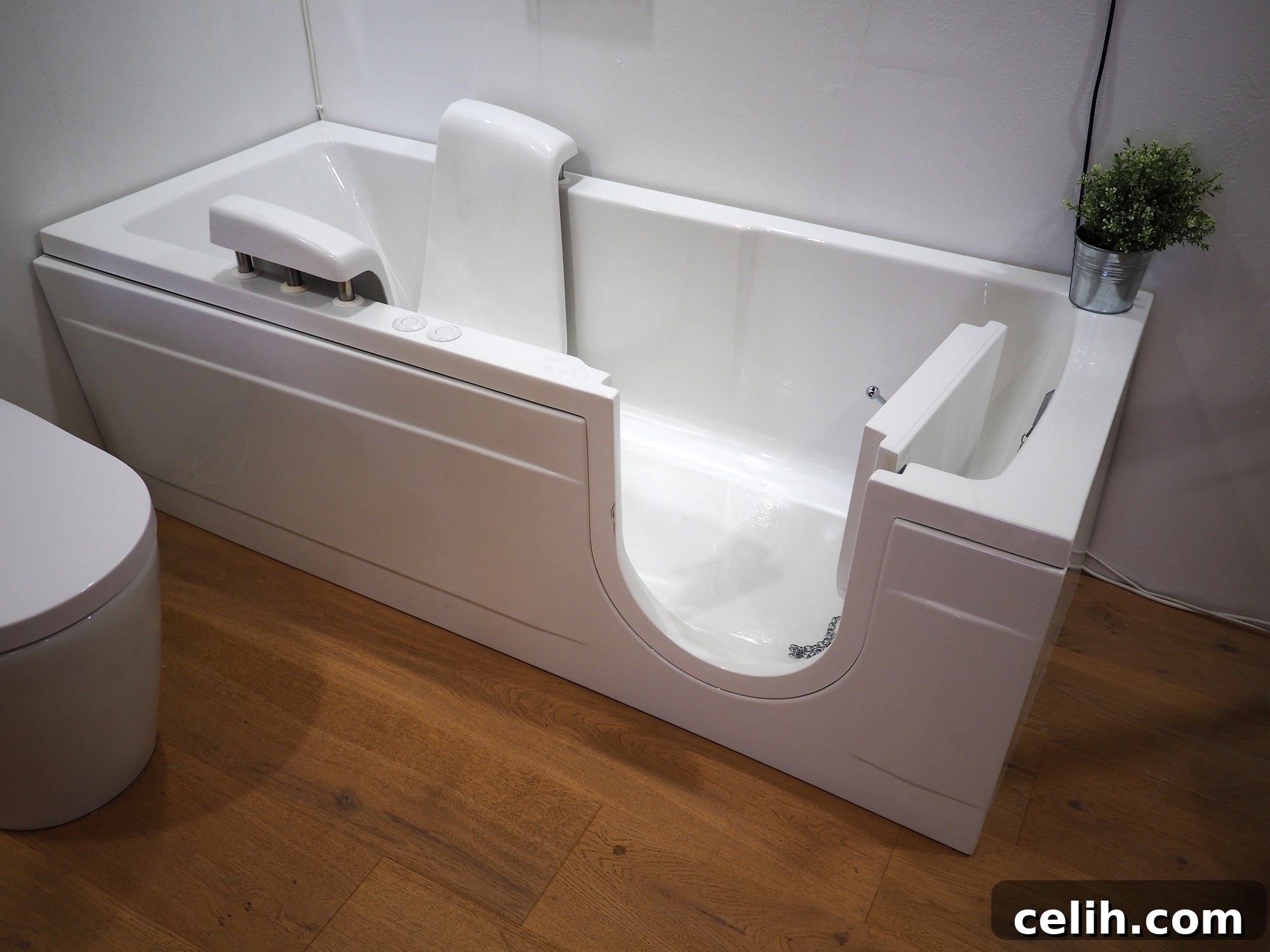
Many homeowners often hesitate when considering accessibility upgrades for their homes, often citing concerns about budget constraints and the perceived complexity and time commitment of such projects. While it’s true that some comprehensive accessibility renovations can indeed be significant investments in both time and money, a wide array of highly effective upgrades are surprisingly affordable and can be implemented relatively quickly. Whether you’re a DIY enthusiast looking for simple weekend projects or prefer to enlist a contractor for swift, impactful changes, creating a more accessible living space is well within reach. This guide delves into essential, budget-friendly accessibility modifications that can transform your home into a welcoming and functional environment for everyone, enhancing safety, comfort, and independence for residents and visitors alike.
Embracing universal design principles not only supports individuals with mobility challenges or temporary injuries but also contributes to an overall safer and more user-friendly home for people of all ages and abilities. From young children to seniors, a thoughtfully designed accessible home minimizes potential hazards and maximizes ease of movement and daily activities. These upgrades are not just about compliance; they are about improving quality of life, fostering independence, and increasing the long-term value and appeal of your property. Let’s explore some of the most impactful yet economical ways to make your home truly accessible.
Strategic Grab Bars and Railings for Enhanced Stability
One of the most fundamental and impactful accessibility upgrades you can make, both inside and outside your home, is the installation of grab bars and railings. These simple yet crucial fixtures provide essential support and stability, significantly reducing the risk of falls and improving confidence for individuals navigating various areas. Their strategic placement can make a profound difference in daily routines, particularly for the elderly, those with mobility impairments, or anyone recovering from an injury.
Consider the key areas where these aids would be most beneficial. In bathrooms, grab bars are indispensable. Install them inside the shower or bathtub for safe entry and exit, next to the toilet for assistance with sitting and standing, and possibly near the sink. On staircases, especially those leading to your main door or within your home, sturdy railings on both sides are paramount. These not only offer a firm grip but also help guide movement up and down steps. Furthermore, areas like long hallways, transitions between rooms with slight level changes, or even outdoor steps leading to a patio can benefit greatly from the addition of a well-placed grab bar or railing.
The installation of grab bars can often be a manageable DIY project for those with basic handyman skills, provided proper tools and attention to structural support are maintained. It’s crucial to anchor grab bars directly into wall studs or use appropriate heavy-duty anchors to ensure they can bear significant weight safely. Alternatively, a professional contractor can ensure a secure and compliant installation, offering peace of mind. Grab bars and railings come in a variety of styles, materials, and finishes, allowing you to choose options that complement your home’s aesthetics while providing essential functionality. Many local home improvement stores stock a wide selection at affordable prices, so take the time to compare options and find the best fit for your needs and budget.
Beyond the functional aspects, the psychological benefit of these installations is immense. Knowing that reliable support is always within reach can alleviate anxiety and foster a greater sense of independence, making daily tasks less daunting and more enjoyable for everyone.
Thoughtful Bathroom Modifications for Universal Access
Bathrooms are arguably one of the most frequently used rooms in any home, making them critical areas for accessibility improvements. Ensuring that your bathrooms are welcoming and safe for everyone can significantly enhance the comfort and independence of all residents and guests. While some extensive bathroom modifications might involve adhering to specific accessibility standards and building codes, which can vary significantly by state and county, many impactful changes are simple, quick, and remarkably budget-friendly.
For instance, an extensive bathroom renovation in a city like Denver, CO, might require homeowners to meet a range of stringent accessibility standards, such as precise adjustments to toilet and sink heights, specific maneuvering clearances, and precise placement of grab bars. However, many valuable modifications can be implemented without navigating complex regulations. Simple additions like installing non-slip mats or anti-skid strips in the shower, bathtub, and around the toilet area can drastically reduce the risk of slips and falls, a common concern in wet environments. A portable shower chair or bench provides a safe and comfortable seating option for those who have difficulty standing for extended periods, making showering a more relaxing experience.
Other quick and affordable fixes include replacing standard faucet knobs with lever-style handles, which are much easier to operate for individuals with limited dexterity or grip strength. A hand-held showerhead on a long hose offers greater flexibility and ease for seated bathing. Consider also a raised toilet seat, which can be easily installed over an existing toilet, reducing the effort required to sit down and stand up. These modifications are often readily available at home improvement stores and can be installed by a homeowner or a handyman within a short timeframe. Depending on the complexity, many contractors can complete these smaller modifications efficiently, often with minimal disruption to your daily routine.
These seemingly minor adjustments can collectively make a monumental difference in fostering greater independence and dignity for users. They transform potentially hazardous spaces into areas of comfort and ease, ensuring that your home truly caters to the diverse needs of everyone who enters it, all while remaining considerate of your financial plan.
Optimizing Home Accessibility with Better Lighting
Often overlooked, the quality and design of lighting within and around your home play a crucial role in overall accessibility. Effective lighting can profoundly enhance safety, navigation, and comfort by minimizing glare, improving visual clarity, and drastically reducing the likelihood of accidents. It’s not just about brightening a space; it’s about creating an intelligently lit environment that supports everyone’s ability to move and interact confidently within their surroundings.
Upgrading your lighting can also be an opportunity to embrace energy efficiency. Switching to modern, energy-saving bulbs such as LED lights not only lowers your energy bills but also offers superior illumination quality and a longer lifespan compared to traditional incandescent bulbs. LEDs come in various color temperatures, allowing you to choose lighting that best suits each area – perhaps warmer, softer light for living areas and brighter, cooler light for task-oriented spaces like kitchens and bathrooms.
To significantly boost accessibility and safety, integrate motion sensor lights in key transitional areas. Hallways, stairwells, entrances, and bathrooms are prime locations for such installations. These lights automatically illuminate when movement is detected, eliminating the need to fumble for switches in the dark and greatly enhancing safe navigation at night or in dimly lit conditions. This is particularly beneficial for individuals with visual impairments or those who might have difficulty reaching for a switch.
Beyond motion sensors, consider enhancing task lighting in areas like kitchen countertops, reading nooks, and workbenches. Under-cabinet lighting in the kitchen can eliminate shadows, making food preparation safer and easier. Dimmers can also be installed to adjust light intensity, preventing glare and allowing occupants to tailor the lighting to their specific visual needs and preferences throughout the day. Maximizing natural light by keeping windows unobstructed and using lighter paint colors can also contribute to a brighter, more open feel, reducing the reliance on artificial light during daylight hours. A well-lit home is a safer, more inviting, and ultimately more accessible home for all its inhabitants.
Relocating Outlets and Switches for Effortless Access
A common design flaw in many standard homes is the inconvenient placement of electrical outlets and light switches. Often, outlets are situated too low to the floor, making them difficult to reach for individuals using wheelchairs or with limited bending capabilities. Conversely, light switches are frequently positioned too high on the wall, posing a challenge for anyone with restricted arm movement or for children. Relocating these essential access points to more ergonomic and accessible heights can dramatically improve independence and convenience for everyone in your home.
The ideal height for light switches, according to universal design principles and ADA guidelines, is typically between 36 and 48 inches from the floor, allowing comfortable operation from both standing and seated positions. Similarly, electrical outlets should be moved higher than traditional placements, ideally around 15 to 18 inches from the floor, making them easier to access without excessive bending or reaching. This seemingly small adjustment can eliminate daily frustrations and enhance safety, preventing awkward postures or the risk of falling while trying to plug in a device.
In the kitchen, where outlets are frequently installed on the backsplash or the underside of upper cabinets, making them difficult to reach from a wheelchair, consider relocating them to the sides of your kitchen cabinets or at an accessible height along the countertop’s edge. This ensures that appliances can be easily plugged in without strain. For bedrooms, strategic placement of switches and outlets within arm’s reach of the bed is highly beneficial. This allows occupants to control lighting, plug in charging devices, or even operate temperature controls without having to get out of bed.
Beyond physical relocation, consider upgrading to rocker-style light switches, which require less dexterity and pressure to operate compared to traditional toggle switches. For a truly modern and accessible approach, integrating smart home technologies can further enhance control. Voice-activated lighting, temperature, and curtain controls can supplement or even replace the need for physical switches, offering unparalleled convenience, particularly when there are issues with app control or for those with severe mobility limitations. While relocating electrical components requires professional expertise for safety and compliance, the investment pays dividends in daily comfort and accessibility.
Further Budget-Friendly Accessibility Enhancements
Beyond the primary modifications discussed, there are several other simple and affordable ways to significantly boost your home’s accessibility without breaking the bank:
- Lever Door Handles: Replace traditional doorknobs with lever-style handles. These are much easier to operate for individuals with arthritis, limited grip strength, or those who might be carrying items or pushing a wheelchair. It’s a quick and inexpensive DIY upgrade that makes a substantial difference.
- Small Threshold Ramps: For slight height differences between rooms or at exterior door sills, small, portable threshold ramps can eliminate tripping hazards and provide a smooth transition for wheelchairs, walkers, or even strollers. These are often made of rubber or lightweight metal and can be bought off-the-shelf.
- Ensuring Clear Pathways and Decluttering: One of the easiest and most cost-effective ways to improve accessibility is to simply declutter and ensure clear, wide pathways throughout your home. Remove unnecessary furniture, rugs that could be tripping hazards, and any obstacles that impede movement. This creates ample space for maneuvering and reduces the risk of falls.
- High-Contrast Markings: For individuals with visual impairments, adding high-contrast strips to the edges of steps, doorways, or even light switches can provide essential visual cues. This simple technique helps differentiate surfaces and makes navigation safer and more intuitive.
- Accessible Storage Solutions: Adjust shelving in pantries and closets to more reachable heights. Utilize pull-out drawers or lazy Susans to make items in lower cabinets more accessible. This prevents bending and overreaching, making daily chores much easier.
- Voice-Activated Smart Devices: While some smart home systems can be an investment, simpler voice-activated devices (like smart speakers) can be relatively inexpensive and offer control over lighting, thermostats, and even media without needing to physically interact with switches or remotes. This provides a layer of convenience and independence for many users.
Final Thoughts on Creating an Accessible Home
Transforming your home into an accessible and inclusive sanctuary doesn’t have to be a daunting, expensive, or overwhelming undertaking. By strategically focusing on budget-friendly upgrades and thoughtful modifications, you can significantly enhance the safety, comfort, and independence for everyone who lives in or visits your space. The changes discussed – from installing grab bars and railings, to making simple bathroom modifications, optimizing lighting, and relocating switches and outlets – are all highly effective yet manageable projects.
Embracing universal design principles not only caters to the immediate needs of individuals with specific mobility challenges or temporary injuries but also contributes to a home that is functional and welcoming for people of all ages and abilities. These proactive improvements foster a sense of security and dignity, allowing residents to age in place gracefully and visitors to feel more at ease. Moreover, accessible features can add substantial long-term value to your property, broadening its appeal to a wider range of potential buyers in the future.
As you embark on your renovation journey, remember the importance of consulting with qualified professionals. Whether it’s an experienced contractor, an accessibility specialist, or an electrician for specific tasks, their expertise can ensure that each project is completed safely, efficiently, and in compliance with any relevant local building codes or accessibility standards. With a clear vision and a focus on practical, affordable solutions, you can effortlessly transform your home into a truly accessible haven, where comfort and independence are paramount.