
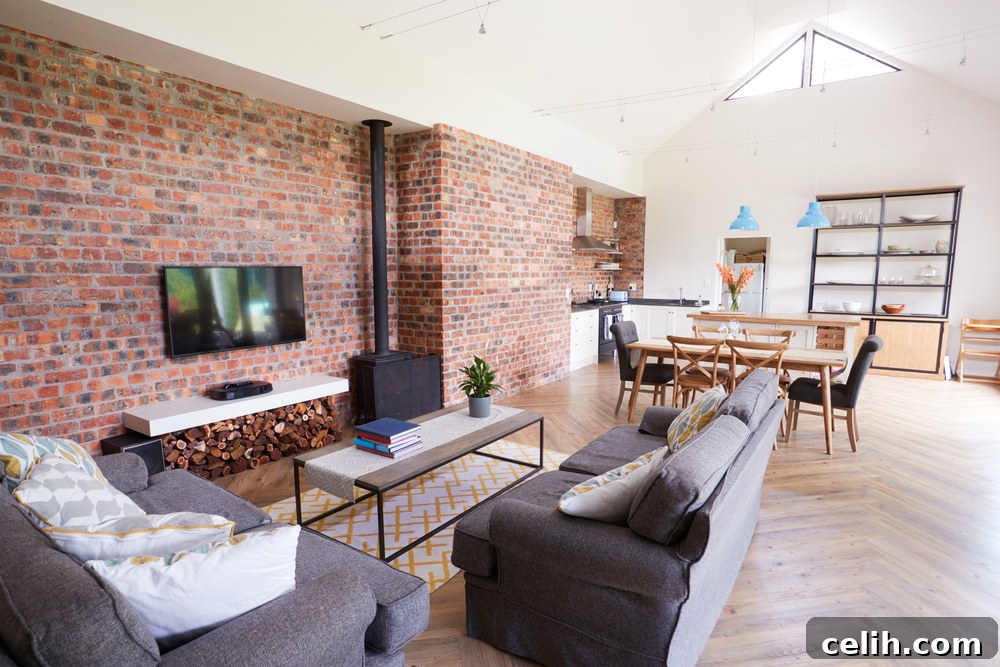
In the dynamic world of interior and exterior design, where trends ebb and flow, few elements possess the timeless appeal and versatility of the classic brick wall. Far more than just a structural component, brick walls embody a unique blend of heritage, durability, and raw aesthetic appeal that synthetic alternatives often struggle to replicate. From rustic charm to industrial chic, and even contemporary minimalist spaces, brick wall designs have experienced a significant resurgence, captivating both homeowners and professional designers who appreciate their authentic texture and inherent eco-conscious qualities.
The enduring allure of brick stems from its remarkable ability to infuse character, warmth, and depth into any environment. Whether revealed in its natural state, transformed with a coat of paint, or artfully arranged in distinctive patterns, brick offers a visual interest that feels both grounded and inspiring. A thoughtfully executed brick wall construction can dramatically redefine a space, creating focal points that resonate with history and authenticity. For those embarking on a renovation journey or building a new home, understanding the diverse possibilities of brick wall design is key to crafting an environment that truly speaks to their personal style and functional needs.
This comprehensive guide delves into the fascinating world of brick wall designs, exploring both classic applications and innovative contemporary interpretations. We will examine the multitude of practical and aesthetic benefits that make brick an unparalleled choice, offer practical advice for selecting the perfect style to complement your space, and provide essential tips for maintenance, sustainability, and incorporating brick into modern living.
The Enduring Legacy: A Brief History of Brick Walls
The story of brick walls is interwoven with the very fabric of human civilization, spanning millennia and continents. From the monumental structures of ancient Mesopotamia to the engineering marvels of the Roman Empire, and later, the foundational factories of the Industrial Revolution, bricks have consistently served both utilitarian and aesthetic purposes. Their inherent strength, ready availability of natural materials, and ease of construction made them a preferred building material for countless generations, allowing structures to endure against the ravages of time, weather, and shifting architectural trends.
Initially employed for their robust structural capabilities, bricks gradually gained recognition for their aesthetic potential. The varied colors, textures, and patterns achievable through different brick types and laying techniques provided architects with a versatile medium for artistic expression. Today, we are witnessing a profound revival in the appreciation and application of brick. This resurgence is not merely driven by a nostalgic fondness for its vintage appeal, but also by a growing awareness of its exceptional eco-friendly properties and unparalleled durability. Unlike many modern synthetic wall coverings, bricks are predominantly crafted from abundant natural materials such as clay and shale, positioning them as a highly sustainable choice with substantial long-term environmental and economic advantages.
Beyond Aesthetics: Why Choose Brick Wall Designs?
Choosing brick for your walls is more than just making a stylistic declaration; it’s an investment in a material that offers a comprehensive suite of practical and aesthetic benefits. Brick wall designs stand out in the architectural landscape due to their unique combination of visual appeal, robust performance, and long-term value, making them a superior choice for a diverse range of interior and exterior applications.
1. Unmatched Visual Texture and Intimate Warmth
One of brick’s most compelling attributes is its ability to introduce a rich visual texture that immediately imbues a space with a sense of warmth, history, and being “lived-in.” Unlike the homogenous surfaces of drywall or standard painted walls, brick boasts inherent imperfections, natural variations in color, and a tactile quality that feels authentic and organic. These subtle nuances create a captivating interplay of light and shadow, adding depth and character that cannot be replicated by manufactured finishes. A brick wall provides a welcome respite from the often-sterile appearance of ultra-modern surfaces, serving as a grounding element that contributes to a cozy and inviting atmosphere.
2. Remarkable Versatility Across Design Styles
The adaptability of brick makes it a chameleon in the design world, capable of seamlessly integrating into virtually any aesthetic. Whether your vision leans towards the raw, edgy appeal of industrial chic, the free-spirited comfort of bohemian, the timeless elegance of traditional, or the clean lines of minimalist design, there is a brick solution that fits. Classic red clay bricks inherently evoke a rustic farmhouse or vintage industrial look, while whitewashed or meticulously painted bricks can instantly modernize an appearance, lending a fresh, airy, or dramatically bold statement. Even the most contemporary homes can benefit from a strategically placed accent brick wall, introducing a compelling layer of contrast and visual interest.
3. Unparalleled Durability and Longevity
Bricks are celebrated for their exceptional durability, making them an investment that pays dividends for generations. They are inherently resistant to fire, capable of withstanding harsh weather conditions, and largely impervious to pests, making them a robust choice for any climate. When properly installed and maintained, brick structures can endure for hundreds of years, often outliving many other building materials. An interior brick wall not only enhances the aesthetic appeal but also contributes to the structural integrity of a home, providing a solid, dependable barrier. Its impressive thermal mass further adds to its practicality, contributing to energy efficiency.
4. Superior Sound Insulation Properties
In an increasingly noisy world, the acoustic performance of building materials is a critical consideration. Bricks naturally offer excellent sound insulation due to their density and mass, effectively dampening airborne noise. This makes brick walls an ideal choice for creating tranquil spaces within bustling households or urban apartments. They can serve as highly effective sound barriers between rooms, making them perfect for home offices, peaceful bedrooms, children’s play areas, or shared walls in multi-family dwellings. The reduction in sound transmission contributes significantly to overall comfort and privacy.
5. Significant Thermal Mass and Energy Efficiency
Beyond their structural and aesthetic benefits, bricks possess a high thermal mass, a property that allows them to absorb, store, and slowly release heat. This natural characteristic plays a crucial role in regulating indoor temperatures, contributing to passive heating and cooling strategies. During cooler months, brick walls absorb heat from sunlight or heating systems and gradually release it, maintaining a warmer interior. Conversely, in warmer climates, they absorb heat during the day, keeping interiors cooler, and release it at night. This inherent ability to stabilize indoor temperatures can lead to reduced reliance on artificial heating and cooling systems, thereby lowering energy consumption and utility bills, making brick an environmentally and economically smart choice.
Inspiring Interior Brick Wall Design Ideas
Interior brick wall design unlocks a wealth of creative possibilities, transforming ordinary spaces into areas brimming with character, texture, and undeniable charm. From embracing the raw beauty of natural brick to applying transformative finishes and innovative patterns, these design ideas offer endless avenues to personalize your living environment.
1. The Ever-Popular Exposed Brick Accent Walls
Perhaps the most celebrated trend in modern brick wall design is the exposed brick accent wall. This approach involves leaving one or more walls of a room in its raw, unfinished brick state, instantly injecting drama, authenticity, and a palpable sense of history. Originally popularized in converted loft-style apartments and industrial spaces, this style has seamlessly transitioned into suburban homes, offering a sophisticated touch of urban elegance. Exposed brick creates a striking contrast when paired with sleek, contemporary materials such as polished glass, industrial metals, or luxurious marble, achieving a beautifully balanced and visually engaging aesthetic. It serves as a natural focal point, anchoring the room and providing a rich backdrop for furniture and art.
2. Softening the Edges with Whitewashed Bricks
For those who appreciate the texture of brick but desire a lighter, airier aesthetic, whitewashing offers a perfect solution. This technique tones down the deep, often intense red hues of traditional bricks, creating a soft, translucent finish that allows the underlying texture to peek through. Whitewashed brick is exceptionally well-suited for coastal-inspired interiors, Scandinavian designs, or any space where maximizing natural light and promoting a sense of calm is paramount. It creates a subtle, rustic-chic vibe that feels both fresh and timeless, adding character without overwhelming the space.
3. Making a Statement with Painted Brick Walls
Painting brick walls offers an opportunity for bold and impactful design statements. Applying a solid color, such as dramatic black, deep navy, sophisticated charcoal, or even a vibrant jewel tone, transforms the brick’s texture into a striking backdrop. This approach is particularly effective in spaces where a moody, modern, or exceptionally unique ambiance is desired, such as elegant dining rooms, cozy libraries, or stylish home offices. The paint retains the brick’s inherent texture while allowing for complete color customization, enabling designers to align the wall precisely with their chosen color palette and design vision.
4. Elevating Design with Unique Brick Patterns
Moving beyond the standard horizontal brick pattern, designers are increasingly exploring more intricate and visually captivating arrangements to add significant architectural interest. Patterns like herringbone, basketweave, running bond, English bond, or Flemish bond can elevate a simple brick wall into a work of art. These diverse laying patterns introduce dynamic visual rhythm and depth, making a statement even with traditionally colored bricks. Choosing an unconventional pattern for an accent wall or a fireplace surround can create a truly bespoke and luxurious feel, showcasing craftsmanship and attention to detail.
5. The Classic Charm of Brick Fireplaces and Chimney Stacks
A brick fireplace inherently serves as a natural focal point in any room, exuding warmth, comfort, and timeless appeal. Whether opting for a traditional red brick hearth that evokes classic country charm or a sleek, black-painted surface for a more contemporary look, the inherent brickwork adds both enduring character and a sense of permanence. The texture and material of brick create a comforting backdrop for flickering flames, making the fireplace an inviting centerpiece for gatherings and relaxation. Incorporating brick into chimney stacks further extends this traditional aesthetic through the core of the home.
6. Adding Character with Kitchen Brick Backsplashes
Utilizing brick as a kitchen backsplash is an ingenious way to infuse your kitchen with a cozy, timeless, and rustic ambiance. The natural texture of brick provides a beautiful contrast to smooth countertops and cabinetry, creating a dynamic visual interplay. Practical considerations for a brick backsplash include proper sealing of the surface, which is crucial to ensure easy cleaning and protection against grease splatters, food spills, and moisture. With appropriate sealing, a brick backsplash becomes a durable and stylish feature that adds warmth and an artisanal touch to the heart of the home, complementing various kitchen styles from farmhouse to industrial.
7. Enhancing Bedrooms and Bathrooms with Brick
While often associated with living areas and kitchens, brick can also create remarkable effects in more private spaces. In bedrooms, an exposed brick wall can act as a stunning feature behind the bed, adding depth, texture, and a cozy, urban-loft feel. It can be paired with soft textiles and warm lighting to create a truly inviting sanctuary. In bathrooms, a carefully sealed brick accent wall can introduce an unexpected touch of industrial elegance or rustic charm. It requires careful consideration of ventilation and moisture control, but the visual impact can be transformative, lending character that sets the space apart.
Inviting the Outdoors In: Outdoor Brick Wall Design Ideas
Brick’s appeal extends far beyond interior spaces; outdoor brick wall designs are instrumental in bringing structure, style, and enduring charm to gardens, patios, and the broader exterior landscape. Its natural material and robust qualities make it perfectly suited to withstand the elements while enhancing the beauty of your outdoor living areas.
1. Harmonizing Gardens with Brick Walls and Planters
Brick walls are an exemplary choice for defining and dividing garden zones, creating raised flower beds, or bordering vegetable patches. Their natural, earthy colors blend seamlessly with lush greenery and vibrant blooms, creating a cohesive and organic aesthetic. Over time, brick weathers gracefully, developing a rich patina that further enhances its natural beauty and integrates it even more deeply into the garden environment. These walls provide structural support for planting, help retain soil, and can introduce varying levels of elevation that add visual interest to the landscape design. They are also ideal for constructing charming outdoor seating areas or fire pit surrounds.
2. Making a Statement with Exterior Feature Walls
For a bold and impactful first impression, consider using brick on a prominent exterior facade or courtyard wall. An exterior feature wall crafted from brick can dramatically elevate a home’s curb appeal, adding texture, depth, and a sense of architectural gravitas. This can be a strategic way to break up uniform siding or render, introducing a material contrast that catches the eye. The aesthetic can be further enhanced by incorporating climbing ivy or other vibrant vines, which soften the brick’s edges, or by integrating modern outdoor lighting fixtures that highlight its texture during the evening hours. Such a wall can transform a mundane exterior into a memorable architectural statement, defining the home’s character.
3. Durable and Functional Brick Patios and Retaining Walls
In landscape architecture, bricks are invaluable for constructing charming and highly functional patios, walkways, and retaining walls. The inherent durability and resistance to heavy foot traffic make brick pavers a classic choice for outdoor surfacing, creating inviting and long-lasting social areas. Their porous nature allows for effective drainage, a crucial factor in outdoor environments to prevent water accumulation and erosion. Retaining walls built from brick provide essential structural support for sloped terrains, preventing soil erosion and creating level usable spaces within the garden. The range of brick colors and laying patterns allows for customized designs that complement the surrounding landscape and architectural style of the home.
Sustainability and Thermal Benefits: The Eco-Conscious Choice
In an era where environmental responsibility is paramount, bricks stand out not only as a design choice but also as a highly sustainable material. Predominantly made from natural clay and shale, bricks are a testament to eco-friendly building practices. They are inherently recyclable and reusable, contributing significantly to a circular economy in construction. Furthermore, bricks are often sourced locally, minimizing the carbon footprint associated with transportation and supporting regional economies. Their manufacturing process, while energy-intensive in some stages, results in a product with an extremely long lifespan, reducing the need for frequent replacement and subsequent waste.
A significant environmental and economic advantage of brick lies in its high thermal mass. This property allows brick walls to effectively absorb, store, and slowly release thermal energy, playing a pivotal role in passive heating and cooling strategies. During the day, particularly in sunny climates, brick walls absorb heat, preventing it from immediately entering the interior. As temperatures drop in the evening, the stored heat is gradually released back into the building, helping to maintain a more consistent and comfortable indoor temperature. This natural thermal regulation reduces reliance on mechanical heating and air conditioning systems, leading to substantial energy savings and lower utility bills throughout the year.
According to the National Institute of Building Sciences, materials endowed with high thermal mass—such as brick—are critical components in mitigating indoor temperature fluctuations and markedly enhancing energy efficiency within buildings. This inherent energy performance solidifies brick walls as not only an undeniable visual asset but also a fundamentally environmentally responsible and cost-effective option for both residential and commercial architectural projects, aligning aesthetic preferences with ecological values.
Addressing Common Concerns About Brick Walls—And Their Solutions
While brick walls offer undeniable timeless charm and robust performance, prospective homeowners might have a few practical considerations. However, with the right knowledge and straightforward solutions, these concerns are easily manageable, ensuring the lasting beauty and integrity of your brickwork.
1. Managing Dust and Crumbling for Longevity
Older, unsealed bricks, particularly those exposed to the elements or subject to historical wear, may occasionally flake or shed fine dust over time. This can be a concern for indoor applications where cleanliness is paramount. The most effective solution is the application of a clear sealant or a matte varnish. These protective coatings penetrate the brick surface, bonding loose particles and creating a durable barrier that prevents dusting and crumbling. Crucially, these sealants are designed to maintain the brick’s raw, authentic look and tactile feel without creating an artificial sheen, preserving its natural aesthetic while enhancing its longevity and ease of maintenance.
2. Preventing Moisture Issues and Ensuring Integrity
Moisture control is absolutely critical when installing brick indoors, especially in areas prone to dampness like basements, bathrooms, or walls directly adjacent to the exterior. Without proper precautions, moisture can lead to unsightly issues such as efflorescence (white, powdery deposits), mold growth, and eventual degradation of the brick and mortar. Implementing robust insulation and effective vapor barriers during installation is paramount. These elements prevent moisture migration through the wall structure. Additionally, ensuring adequate ventilation in areas with high humidity, and promptly addressing any leaks from plumbing or exterior sources, will prevent mold and mildew, safeguarding the wall’s structural integrity and aesthetic appeal for decades.
3. Understanding and Accommodating the Weight Factor
Traditional full-thickness brick is a significantly heavy material. If you are planning to install authentic, full-depth brickwork indoors, it is absolutely essential to ensure that the underlying wall structure and foundation can adequately support the considerable additional weight. This often requires structural assessment and potential reinforcement by a qualified professional. For existing homes or projects where structural limitations or budget constraints preclude full brick installation, opting for lightweight thin brick veneer is an excellent alternative. These thinner slices of brick provide the same aesthetic appeal without imposing the same structural demands, making them a more versatile and often more practical choice for interior applications.
Brick Veneer: A Modern, Lightweight Alternative
For those enchanted by the aesthetic appeal of brick but seeking a less invasive, lighter, and often more cost-effective solution than traditional full masonry, brick veneer presents an excellent modern alternative. Also known as brick slips or thin brick, these are actual thin slices of real clay brick or manufactured from composite materials, designed to be adhered to existing wall surfaces. They meticulously replicate the look and feel of a full brick wall without the significant structural implications or extensive installation demands.
The primary advantages of brick veneer are manifold. They are substantially lighter than full bricks, making them suitable for a wider range of existing wall structures without requiring extensive reinforcement. This lighter weight also translates to easier and quicker installation, often reducing labor costs and project timelines. Brick veneers are available in an expansive array of finishes, colors, and textures, mimicking various traditional and contemporary brick styles. Some innovative varieties even come in convenient peel-and-stick formats, making them an ideal and accessible option for enthusiastic DIY home renovators looking to add character to their space without professional masonry skills.
Understanding Cost Considerations for Brick Wall Projects
The total investment for a brick wall installation can vary considerably, influenced by several key factors. Understanding these variables will help you budget effectively and make informed decisions about your project:
- Brick Type: The choice of brick significantly impacts cost. Traditional full-thickness bricks tend to be more expensive than thin brick veneers (slips). Reclaimed bricks, prized for their historical character and unique imperfections, can command a premium price due to their scarcity and the labor involved in salvaging and preparing them. Manufactured veneers, while offering a similar aesthetic, are often more budget-friendly.
- Installation Complexity: Simple, straight accent walls will naturally be less expensive to install than intricate designs, such as herringbone patterns, arched openings, or complex exterior facades. The difficulty of accessing the installation area and the need for scaffolding can also add to labor costs.
- Surface Preparation: The condition of the existing wall or substrate plays a crucial role. Extensive cleaning, patching, waterproofing, or structural reinforcement required before brick installation will add to both material and labor expenses.
- Region and Labor Costs: Construction and masonry labor rates vary significantly by geographical region. Metropolitan areas typically have higher labor costs compared to rural areas. Obtaining multiple quotes from local professionals is essential for accurate budgeting.
While the initial outlay for brick installation might appear higher than for simpler finishes like drywall or painted paneling, it’s vital to consider the long-term value. Brick’s exceptional durability, minimal maintenance requirements, and significant contribution to a property’s aesthetic appeal and thermal performance often make it a more cost-effective and valuable choice over the lifespan of a building.
Essential Maintenance Tips for Preserving Interior Brick Walls
Maintaining the beauty and structural integrity of your interior brick walls doesn’t require extensive effort, but a regimen of simple, regular care will ensure their charm and character endure for many years. Proper maintenance prevents common issues and preserves the aesthetic appeal that makes brick so desirable.
- Strategic Sealing: Applying a high-quality sealant is a crucial step in preserving interior brickwork. Sealants create a protective barrier that guards against moisture penetration, prevents dusting and crumbling of older bricks, and makes the surface easier to clean. Depending on the desired finish, you can choose from matte, satin, or glossy sealants. Re-application may be necessary every few years, especially in high-traffic areas or spaces exposed to more humidity.
- Gentle Cleaning Practices: For routine cleaning, a soft-bristled brush attachment on a vacuum cleaner is ideal for removing surface dust and cobwebs without damaging the brick or mortar. For more stubborn grime or light stains, a solution of mild detergent (like dish soap) mixed with warm water and applied with a soft sponge or cloth is usually effective. Always test a small, inconspicuous area first to ensure no discoloration occurs.
- Strict Avoidance of Harsh Chemicals: It is paramount to steer clear of abrasive cleaners, acidic solutions, wire brushes, or high-pressure washers on interior brick. Harsh chemicals can strip natural oils, damage the brick’s surface, alter its color, or erode the mortar joints. Wire brushes can scratch the brick and dislodge mortar. Stick to pH-neutral cleaners specifically designed for masonry if a stronger solution is needed, and always follow product instructions carefully.
- Regular Mortar Inspection: The mortar joints are the unsung heroes of a brick wall, providing structural cohesion. Over time, particularly with older or original brick walls, mortar can degrade, crack, or become brittle. Regularly inspect the mortar for any signs of wear, crumbling, or small cracks. If you notice significant deterioration, a process called “repointing” (where old mortar is removed and replaced with new) may be necessary. This is a specialized task often best handled by experienced masons to ensure proper technique and match the existing mortar composition.
Harmonious Combinations: Pairing Brick with Other Materials
The most compelling interior designs often master the art of contrast, and brick truly shines when juxtaposed with complementary materials. This approach enhances design complexity, prevents visual monotony, and creates spaces that feel rich and multi-layered. Consider these dynamic pairings:
- Brick + Glass: This combination creates a striking balance between robust industrialism and ethereal lightness. Think large glass panes, sleek glass partitions, or delicate glass light fixtures set against a raw brick wall. The transparency of glass beautifully highlights the brick’s texture, resulting in a sophisticated and contemporary aesthetic.
- Brick + Wood: A classic and universally appealing pairing, brick and wood evoke warmth, rustic charm, and natural elegance. Whether it’s exposed wooden beams, hardwood flooring, or carefully crafted timber furniture, wood’s organic texture and varying tones complement brick’s earthy qualities, creating inviting and grounded spaces that feel both traditional and timeless.
- Brick + Concrete: For an urban minimalist or industrial-chic vibe, the combination of brick and concrete is unparalleled. The cool, unrefined simplicity of concrete surfaces – be it flooring, countertops, or decorative elements – provides a stark, yet harmonious, contrast to the warmer, textured appeal of brick. This pairing celebrates raw materials and clean lines, creating a ruggedly modern aesthetic.
- Brick + Brass: Injecting a touch of glamour and refined texture, pairing brick with brass elements introduces an unexpected layer of sophistication. The warm, metallic sheen of brass light fixtures, hardware, or decorative accents beautifully offsets the raw, matte finish of brick, creating a luxurious and visually interesting contrast that speaks to both heritage and contemporary elegance.
Brick in Modern Design: Seamlessly Blending Old and New
In contemporary architectural and interior design, brick is increasingly valued for its unique ability to bridge classic architectural language with the sleek purity of modern minimalism. Designers adeptly leverage the inherent character of raw, unfinished materials like brick to create dynamic and inviting spaces when combined with clean-lined furniture, minimalist decor, and sophisticated modern lighting. This thoughtful juxtaposition creates an aesthetic that is rich in contrast – celebrating the patina of age alongside crisp, contemporary forms.
This evolving trend is not exclusive to historic renovations or loft conversions; it is also prominently visible in new construction. Here, exposed brick is strategically employed on select accent walls, within feature fireplace surrounds, or as part of exterior facades to thoughtfully break up uniform siding or stucco render. This selective application ensures that the brick provides a compelling textural counterpoint, adding depth and visual interest without overwhelming the contemporary design. The result is a home that feels both deeply rooted in tradition and refreshingly forward-thinking, embodying a unique blend of heritage and modern sensibility.
Brick Wall DIY: Is It a Feasible Weekend Project?
For eager home renovators, the prospect of installing a brick wall might seem daunting, but with careful planning and the right approach, a brick veneer wall can indeed be a manageable and rewarding weekend project. Unlike full structural brickwork, which demands professional expertise due to its weight and complexity, brick veneer (or brick slips) is designed for easier application on existing surfaces. However, successful DIY installation hinges on meticulous preparation and adherence to proper techniques.
To ensure a professional and lasting finish, remember to:
- Thoroughly Prepare the Wall: Begin by cleaning the existing wall surface thoroughly, ensuring it’s free of dust, grease, and loose paint. Sanding glossy surfaces provides better adhesion. For particularly uneven walls, a skim coat of mortar or drywall compound might be necessary to create a smooth, stable base.
- Measure and Layout Carefully: Precision is key. Accurately measure your wall and plan your brick layout in advance. Consider starting from the center of the wall or from a prominent corner to ensure symmetry and minimize awkward cuts. Using a level and marking guidelines will help keep your brick lines straight and consistent.
- Select the Correct Adhesive: Choose an adhesive specifically formulated for brick veneer or thin brick slips, suitable for your substrate (e.g., drywall, plaster). Read the manufacturer’s instructions carefully for application methods, drying times, and recommended temperature ranges.
- Allow Ample Time for Drying and Sealing: After laying all the bricks and applying mortar (or grout for slips), allow the adhesive and mortar to fully cure according to product specifications. Once dry, apply a high-quality sealant to protect the brick from dust, moisture, and staining, as discussed in the maintenance section.
It is crucial to reiterate that for any structural brick walls, or if you are unsure about the load-bearing capacity of your existing structure, always consult with qualified professionals. Safety and proper support are paramount to prevent potential issues down the line.
The Brick Wall’s Undeniable and Timeless Impact on Design
In an ever-evolving design landscape, perpetually oscillating between the opulence of maximalism and the austerity of minimalism, the brick wall steadfastly remains a reliable and celebrated constant. Its unparalleled versatility, rich textural qualities, and deep historical roots in architectural tradition secure its place as a perpetually relevant and cherished design element. Whether your project involves resurrecting the hidden grandeur of an old home’s original brickwork or meticulously infusing modern character into new construction, brick consistently proves to be one of the most powerful and enduring design allies at your disposal.
By masterfully combining inherent aesthetic charm with a formidable array of practical benefits—including exceptional durability, thermal efficiency, and sound insulation—brick wall designs unequivocally demonstrate that sustainability and sophisticated style can, and indeed should, beautifully coexist. With thoughtful planning, precise execution, and perhaps expert guidance on brick wall construction, you possess the power to create enduring spaces that not only captivate visually but also inspire a profound sense of connection to history, craftsmanship, and a more sustainable future.